How to Set Up a Home Kava Bar (2026): The Complete Gear Checklist
A shell at a kava bar runs $8 to $12. The same cup brewed at home costs about $2.11 in root. This is the complete, honestly priced plan for closing that gap: the four stations of a home kava bar, the exact gear each one needs, what it all costs at three budgets, and the kava to stock once the hardware is handled.
By The Kava Review Desk2026-07-22~11 min readRanked by the lab reportHow we research
The case for a home kava bar is arithmetic before it is anything else. Using our own July 2026 price index data, a cup of traditional kava brewed at home averages $2.11 in root ($1.49 to $3.13 across every in-stock bag we track), and micronized kava gets as low as $0.84 a serving. A shell at a kava bar typically runs $8 to $12. Nothing is wrong with that bar price; you are paying for the room, the kavatender, and the company, the same way a $5 latte pays for the cafe. But if kava is a several-nights-a-week ritual, the spread between $9 out and $2.11 at home is the fastest-compounding money in this hobby, and the hardware that captures it costs less than a single month of bar shells.
The good news buried in the gear aisle: a home kava bar is small. It is not an espresso-machine project. The whole build is four stations, and two of them are mostly things your kitchen already owns: a brew station (a strainer bag or an AluBall and a bowl), a serving station (the cups, and if you host, the tanoa), a measuring station (a 0.1 gram scale and a way to hit warm-not-hot water), and a storage station (an airtight, dark home for your root). This guide walks each station, links our full buyer's guide for every category, and prices three complete builds with live, verified numbers: a starter bar around $40, a hosting bar around $120, and the heirloom tier for whenever kava has permanently earned its shelf.
One register note before the shopping list, because a kava bar, even a home one, serves kava: this is an adults-only evening drink. It can cause drowsiness, so nobody drives after a session, at your bar or anyone else's. Keep it away from alcohol, and if you take medications or are pregnant, talk to your doctor before pouring anything. None of this is medical advice. Now the build.
The short version.
- The money math, from our own July 2026 price index: a home-brewed traditional cup averages $2.11 in root versus $8 to $12 for a shell at a kava bar. A starter home bar of roughly $40 in gear pays for itself in about five or six skipped shells.
- A home kava bar is four stations: brew (strainer bag or AluBall plus a bowl), serving (bilo cups, and a tanoa if you host), measuring (a 0.1 gram scale and warm-not-hot water), and storage (airtight, dark, cool).
- The starter build is about $40, verified live: a $7.00 strainer bag, a $9.98 pocket scale, a $7.99 coconut bilo, a $14.99 airtight canister, and the biggest mixing bowl you already own.
- The hosting build is about $120: add a $39.99 food-safe tanoa and a $35.45 four-pack of coconut shell cups, and your kitchen counter can run a proper kava night for four.
- Gear is one-time; kava is the recurring cost. Stock a workhorse traditional grind and a weeknight micronized, and let bag size, not brand, drive your per-cup cost down.
- The register never changes: adults only, drowsiness is real, no driving after a session, no alcohol alongside, and a modest first serving for any guest who is new to kava.
Our top-rated kava
Whatever you decide, these are the kavas we recommend: lab report read, kavalactones verified, ranked by cost per 100 mg. Live price check on each.


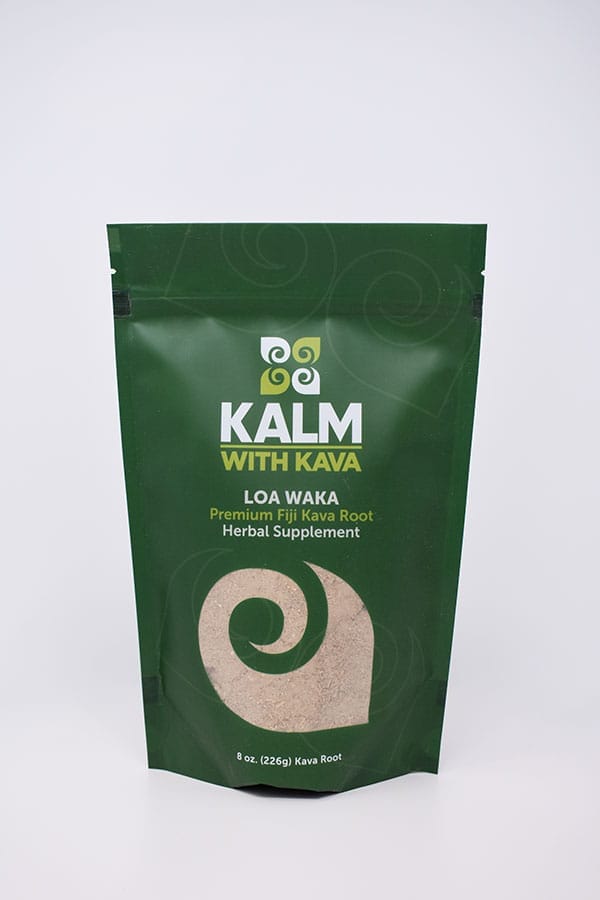


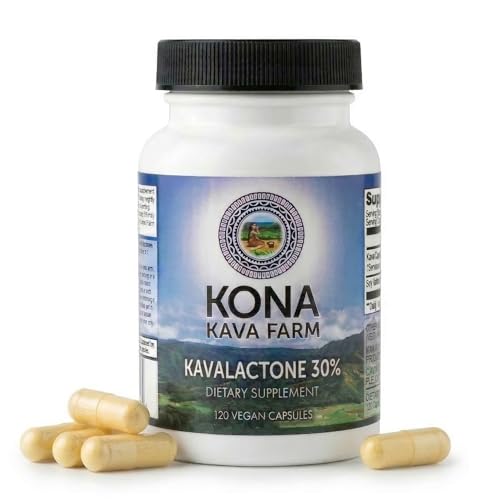
As an Amazon Associate we may earn from qualifying purchases, at no cost to you. 21+.
The math first: what a home bar saves, honestly
Here is the whole financial argument in one table of our own published numbers. Our Kava Price Index, computed from live Amazon pricing on July 21, 2026, puts a traditional home-brewed cup at an average of $2.11 in root, with the cheapest tracked bag landing at $1.49 a cup and the priciest at $3.13. Micronized, the stir-and-drink format, runs $0.84 to $1.46 a serving. Meanwhile our kava bar explainer pegs a typical bar shell at $8 to $12.
Call the bar shell $9 and the home cup $2.11: every shell you pour at home instead of out saves about $7. The starter build below totals roughly $40 in hardware, which means the entire bar pays for itself in five or six shells, and everything after that is margin. A two-shell-a-week habit swaps roughly $900 a year of bar spend for about $220 of root. The hosting build (about $120) clears its cost the first two kava nights you throw for friends who would otherwise have met at the bar.
Station 1: the brew station (the only mandatory one)
Everything a thousand years of Pacific practice actually requires lives at this station: a porous bag, a wide bowl, warm water, and your hands. The bowl you own. The technique is our how to make kava guide in one line: 30 to 35 g of medium grind per 500 ml of 100 to 110 F water, kneaded in the bag for ten honest minutes, then a second wash of the same root. The single purchase the method demands is the strainer bag, and the category runs $5 to $10; Bula Kava House's Fijian strainer bag is the $7.00 genuine article, and the 75-micron nylon tier above it is dissected in our strainer bags and gear guide.
The one gadget worth naming at this station is the AluBall Kava Maker ($24.99): a patented brewing ball in a shaker bottle that compresses the ten-minute knead into about a minute of shaking. It is the weeknight lane of a home bar the way the tanoa is the weekend lane, and plenty of home bars run both. The full comparison of shake-style makers, kits, and traditional tools lives in our kava makers and prep kits guide.
Station 2: the serving station (where a setup becomes a bar)
A strainer bag makes kava; cups make it a bar. The traditional serving vessel is the bilo, a polished half coconut shell, and the traditional serving bowl is the tanoa, the wide vessel the grog sits in between rounds. Neither changes a single thing about extraction, and we will not pretend otherwise. What they change is the evening: rounds poured from a tanoa into shells, passed one at a time, drunk in a go, is the format that makes kava night a thing people come back for, and it is how the drink has been served across the Pacific for centuries.
The live prices, all verified July 2026: a single real Fijian coconut bilo runs $7.99, a four-cup set for hosting is $35.45, and Kavafied's food-safe 1.5 gallon tanoa is $39.99. The full shelf, including the carved-wood heirloom tier and the cultural context that keeps a home bar respectful rather than themed, is in our kava cups and shells guide.
Station 3: the measuring station (repeatability for under $20)
The difference between a home bar and a guessing game is a scale. Kava grinds vary so much in fluffiness that a level tablespoon can swing 25 percent batch to batch, and 30 to 35 g is a weight, not a volume. A 0.1 gram scale ends the variance for about ten dollars: the American Weigh Scales pocket scale is $9.99, verified live. Water temperature is the other half of repeatability; the target is 100 to 110 F, which is hand-warm, and a $9 instant-read thermometer or a kettle with a low preset removes the second-guessing. Every pick at this station, scales, thermometer, and the one kettle whose presets actually reach down to 110 F, is ranked in our kava scales and measuring tools guide.
Why this station earns its $20 at a bar specifically: guests. Pouring for other people is exactly when you want batches you can repeat and describe ("35 grams, 500 ml, two washes") rather than "somewhere around strong." It is also what makes our dosage guide usable, since its numbers are weights too.
Station 4: the storage station (protecting the expensive part)
Here is the quiet irony of kava gear: people spend on bowls and skip storage, but the root is the only thing on the counter that loses value every day it sits in a rolled-over bag. Dry kava root keeps for many months when it is protected from its four enemies, air, light, moisture, and heat, and degrades in flavor and freshness when it is not. A $46 pound of noble root deserves better than a chip clip.
The fix costs about $15: an airtight, UV-blocking canister sized to your bag. The Ankou 800 ml canister ($14.99, with a magnetic scoop and a date tracker on the lid) fits the common 8 oz bags, and the quart-and-up tier for 1 lb and kilo buyers is ranked in our kava storage containers guide. Two placement rules do the rest: a cool, dark cupboard rather than the sunny counter, and the date dial set the day you open the bag.
The three builds, priced live
Every number below is a live price verified in July 2026, not a guess. The bowl in the starter build is deliberately $0 because your kitchen owns one.
| Build | What is in it | Total | Who it is for |
|---|---|---|---|
| The starter bar (~$40) | Bula Kava House strainer bag ($7.00), American Weigh Scales 0.1 g scale ($9.99), FijiKava coconut bilo ($7.99), Ankou airtight canister ($14.99), your own mixing bowl ($0) | $39.97 | Solo drinkers replacing bar shells; pays for itself in five or six of them |
| The weeknight add-on | Kavafied AluBall Kava Maker | $24.99 | Anyone whose ten-minute knead keeps losing to a long Tuesday |
| The hosting bar (~$120) | Starter bar, plus Kavafied 1.5 gallon food-safe tanoa ($39.99) and the Fijian Made four-cup coconut bilo set ($35.45) | $115.41 | Kava nights for two to six people, served in rounds the traditional way |
| The heirloom tier | Hand-carved Fijian vesi wood tanoa (Singhs, $450.00), bought once, kept forever | $450.00 | The bar that kava already earned; ceremony as furniture, covered honestly in the cups and shells guide |
Notice what no build includes: kava-branded thermometers, pitchers, or "preparation bowls." Our gear guide's markup warning covers the pattern, but the short version fits here: if the word kava is the only spec, buy the kitchen-aisle version.
Stocking the bar: the consumable side
The hardware is one-time; the root is the subscription. A well-stocked home bar needs exactly two open containers, and a third if you host. First, a workhorse traditional grind for the full ritual; our best kava powder guide ranks the shelf on origin, COA practice, and honest cost, and the price index's bulk lesson applies: bigger bags brew cheaper cups, with the tracked kilos landing near $1.70 a cup against $2.50 for the same brand's 8 oz. Second, a weeknight micronized, the cheapest full-strength kava we track at $0.84 to $1.46 a serving; the quality ranking is our best micronized kava guide. The optional third is a crowd-pleaser for guests, an instant or a flavored mix that hides the earthiness for first-timers; see best instant kava.
Two stocking rules from the desk. Buy noble, verified kava only, the whole argument of our noble vs tudei explainer, because a home bar with no kavatender has no one checking the menu but you. And date everything; root is best inside a few months of opening, which is exactly what the storage station's date dial is for.
Running a kava night (the part that is not shopping)
The gear list ends here, so the honest last section is about hosting, because a home kava bar is a social object or it is just cabinet clutter. The format that works is borrowed straight from the bars: brew one batch in the tanoa, serve in rounds, one bilo at a time, drunk in a go rather than sipped, with 15 to 30 minutes between rounds. Keep the second wash going for the later rounds. Expect the brief tongue-numb; tell first-timers it is normal and short.
House rules worth stealing from every good nakamal: adults only, and the bar is dry, meaning no alcohol alongside kava, at all, for anyone; the combination is genuinely bad news and we cover why in kava and alcohol. Start new guests with a modest first shell and let them opt into a second rather than pouring it. Nobody drives on a heavy session; a home bar's great advantage over a real one is that the couch is right there. And if a guest takes medications or is pregnant, the right pour is a glass of something else entirely, with a doctor consulted before any future one. None of this is medical advice; all of it is what makes hosting kava feel as good the morning after as it did at round two.
How to set up a home kava bar
- 1
Claim the spot
Pick a counter or cart with a cool, dark cupboard nearby. The bar itself is small: a bowl, a bag, cups, a scale, and a canister fit in two square feet.
- 2
Build the brew station
Buy one strainer bag ($5 to $10), and use the widest mixing bowl you already own. Optionally add an AluBall maker ($24.99) as the fast weeknight lane.
- 3
Add the measuring station
A 0.1 gram pocket scale (about $10) makes every batch repeatable at 30 to 35 g of root per 500 ml. Hit 100 to 110 F water by wrist feel, a cheap instant-read thermometer, or a kettle with a low preset.
- 4
Set up storage
Move opened root into an airtight, light-blocking canister, set its date tracker, and shelve it in the cool dark cupboard, not on the sunny counter.
- 5
Add serving gear when you host
A food-safe tanoa (about $40) and coconut bilo shells (from $7.99 each) turn batches into rounds. Buy the carved heirloom tanoa later, if kava earns it.
- 6
Stock two kavas
One verified noble traditional grind for the ritual, one micronized for weeknights. Bigger bags brew cheaper cups; date both on opening.
- 7
Pour with house rules
Adults only, dry bar, modest first servings for new guests, real gaps between rounds, and no one drives after a session. Kava is an evening wind-down, not a medicine, and this is not medical advice.
Ready to try one? Start with our verified picks
Wherever this guide landed you, these are the kavas our lab-report standard keeps ranking on top. Live price check on each.
As an Amazon Associate we may earn from qualifying purchases, at no cost to you. 21+.
Key terms
- Home kava bar
- A dedicated home setup for brewing and serving kava: a brew station (strainer bag or shaker maker plus bowl), serving vessels (tanoa and bilo), a scale, and airtight storage. Total starter cost runs about $40.
- Tanoa
- The wide traditional kava bowl of Fiji and the western Pacific, used to knead the batch and hold the grog between rounds. Food-safe modern versions run about $40; hand-carved wood is the heirloom tier.
- Bilo
- The polished half coconut shell kava is traditionally served in, and the unit kava bars still sell by ('a shell'). Real Fijian bilo start around $8 on the verified listings we track.
- Second wash
- Re-kneading the same spent root in fresh warm water for the session's later rounds. It is free strength, and the standard way a host stretches one measure of root across a kava night.
- Shell (bar serving)
- A single serving of kava at a kava bar, typically $8 to $12. The same cup brewed at home averages about $2.11 in root, which is the entire economic case for a home bar.
- Nakamal
- The Vanuatu word for a kava-drinking place, adopted by many Western kava bars. A home kava bar borrows the nakamal's format: rounds, pacing, and an alcohol-free room.
Questions, answered
What do I need to set up a home kava bar?
Four stations, most of which your kitchen already covers. Brew: a strainer bag ($5 to $10) and any wide mixing bowl, or a shake-style maker like the $24.99 AluBall. Serving: cups (a real coconut bilo runs $7.99) and, if you host, a tanoa bowl (about $40 food-safe). Measuring: a 0.1 gram scale (about $10) and warm 100 to 110 F water. Storage: an airtight, dark canister (about $15). A complete starter bar lands around $40; a hosting bar with tanoa and a four-cup shell set lands around $120.
Is a home kava bar cheaper than going to a kava bar?
Per serving, dramatically. Our July 2026 price index puts a home-brewed traditional cup at an average of $2.11 in root ($1.49 to $3.13), and micronized as low as $0.84 a serving, while a shell at a kava bar typically runs $8 to $12. At those numbers a $40 starter setup pays for itself in about five or six shells. What home brewing does not replace is the bar itself: the kavatender, the room, and the social scene are what the $9 shell actually buys, and plenty of home-bar owners still go out for exactly that.
How much does a home kava bar cost to set up?
About $40 for a complete solo setup at live July 2026 prices: a $7.00 Fijian strainer bag, a $9.99 pocket scale, a $7.99 coconut bilo, a $14.99 airtight storage canister, and a mixing bowl you already own. Hosting raises it to about $120 by adding a $39.99 food-safe tanoa and a $35.45 four-pack of coconut shell cups. The only expensive object in the category is the hand-carved wooden tanoa, an heirloom purchase that runs into the hundreds and changes nothing about the kava itself.
What kava should I stock for a home bar?
Two containers, three if you host: a verified noble traditional grind for the full ritual, a micronized for low-effort weeknights (it is also the cheapest full-strength format we track, at $0.84 to $1.46 a serving), and optionally a flavored instant or mix that makes a friendlier first shell for guests. Buy the biggest bag of your workhorse root you will finish in a few months, since bulk bags brew meaningfully cheaper cups, and store everything airtight and dark. Our best kava powder and best micronized kava guides rank the specific bags.
How do I host a kava night responsibly?
Run it like the good kava bars run their rooms. Adults only, and the bar is dry: no alcohol alongside kava for anyone, the combination is a genuinely bad one. Serve in rounds with 15 to 30 minutes between shells, start first-timers with a modest serving and let them ask for the next one, and warn them about the normal, brief tongue-numbing. Kava causes drowsiness, so nobody drives afterward; the couch is the home bar's best feature. Guests who take medications or are pregnant should skip kava and check with a doctor. None of this is medical advice.
Do I need a tanoa and coconut shells, or is that just decoration?
Functionally, no: extraction happens in the knead, and any mixing bowl and small cup make identical kava. Socially, they are the difference between making a drink and running a bar. Serving rounds from a tanoa into bilo shells is the traditional Pacific format, it paces the evening properly, and it is the part guests remember. Buy them when you start hosting, buy the real thing rather than tiki-styled decor, and treat them as the working cultural objects they are. Until then, the $40 starter build makes full-strength kava without either.
Keep reading.
Best Kava Cups & Shells
The serving station, ranked: real coconut bilo, food-safe tanoa, and the carved heirloom tier.
Best Kava Storage Containers
The $11 to $22 airtight tier that protects the most expensive thing on your bar: the root.
Best Kava Scales & Measuring Tools
Repeatable batches for under $20: 0.1 gram scales, the thermometer, and the 110 F kettle.
Best Kava Makers & Prep Kits
The brew station's shake-vs-knead decision: AluBalls, pounders, and complete ceremony kits.
Kava Gear: Strainer Bags & What You Actually Need
The minimalist gear manifesto: the $7 bag that is the whole requirement, and the markups to skip.
Best Kava Powder
The consumable side of the bar: the noble roots worth stocking, ranked on COA practice and cost.
Kava Price Index
The live data behind this page's math: what every kava format actually costs per serving.