Our Pick: MELO
Check PriceKava and Alcohol: Why You Pick One (2026)
Of all the questions newcomers ask about kava, this is the one with the least disagreement: kava and alcohol are the one combination the entire kava world tells you to avoid. The mechanism is straightforward, the cultural logic is even clearer, and the good news is built into the question — kava's whole modern appeal is as the thing you reach for instead of the drink, not alongside it. Here's the why, the timing questions answered honestly, and how to run a kava night that replaces a bar night.
By The Kava Review DeskUpdated 2026-06-12~6 min read Ranked by the lab reportHow we research
Spend any time in kava communities and you'll notice they disagree about almost everything — noble versus tudei, instant versus traditional, how much is too much. There's one question, though, where the answer is unusually unanimous: do you mix kava and alcohol? No. This is the single combination the entire kava world, from Pacific tradition to the kava bar down the street to the pharmacology references, lines up to discourage. When experts agree this cleanly, it's worth understanding why.
The reason isn't mysterious. Kava and alcohol are both central-nervous-system depressants, so their drowsiness stacks; both are processed by the liver, which is why the caution literature treats co-use as a load worth avoiding; and the combination dulls coordination in exactly the way that makes driving a bad idea. None of that is a scare story — it's the plain mechanism, and we'll attribute it to the sources that describe it. What it adds up to is simple: on a given night, you pick one.
And here's the part that makes "pick one" easy rather than restrictive. Kava's entire modern moment is built on being the thing you choose instead of the drink — the alcohol-free social ritual, the buzz without the booze, the night out that doesn't cost you the next morning. So this isn't an explainer about denying yourself something. It's about understanding why the two don't belong in the same evening, and then doing the genuinely better swap. Nothing here is medical advice; it's a careful primer, 21+.
The short version
- Kava and alcohol are both CNS depressants. Reference sources (Drugs.com, the Alcohol and Drug Foundation) note that combining them increases sedation — drowsiness, dizziness and motor-reflex depression stack rather than cancel out.
- Both are processed by the liver, and the caution literature flags co-use as a load to avoid. Many of the well-known European kava liver case reports involved alcohol co-ingestion among the confounding factors — see /journal/kava-and-your-liver for the fuller, fairer picture.
- The combined sedation impairs coordination and judgment. As with alcohol, the safe move is not to drive after either substance, and certainly not after both.
- Kava bars are alcohol-free by design — that's the point of them. The category exists as a social space built on ritual and conversation rather than intoxication, and the house norm is to keep the two apart.
- The cultural frame is "replacement, not companion." Kava is what the sober-curious reach for instead of the drink. The honest conclusion — you pick one — is also the appealing one, because the kava night is the better night.
At a glance
| Kava night | Bar night | |
|---|---|---|
| Next morning | No alcohol hangover; most people wake clear-headed after a quality noble session | The classic hangover — the cost you pay the next day for the night before |
| Cost | Reported ~$20–30 a night at a kava bar; often well under half a comparable bar tab | A traditional bar round adds up fast — the savings gap is real and frequently cited |
| Calories | Negligible in a plain shell of kava; ready-to-drink cans are typically low-calorie | Beer, wine and cocktails carry real calorie loads, drink over drink |
| Driving | Kava still relaxes you — treat it like any sedating thing and don't drive impaired | Don't drive. Full stop — and never drive on kava and alcohol together |
The kava night vs the bar night — an honest side-by-side

MELO Sparkling Kava
MELO
A sparkling, grab-it-from-the-fridge kava that slots straight into the spot a beer used to hold.
Our verdict: If the habit you're replacing is the after-work beer, this is the cleanest one-for-one swap on the shelf. MELO is sparkling, cold, and built for the exact moment — the 5 p.m. crack of a can — that alcohol usually owns. Same ritual, same fizz in the hand, none of the next-morning tax. It's our pick precisely because it makes "pick one" feel like an upgrade rather than a sacrifice.
Lab report: Brand publishes kavalactone content per can and lab testing for its kava sourcing.
The reason kava and alcohol don't share an evening is also the reason you don't need them to. The whole appeal of a can like MELO Sparkling Kava is that it occupies the slot the drink used to — the cold, fizzy thing you reach for to mark the end of the workday — and does it without the trade you'd make with beer. You get the ritual, the carbonation, the deliberate "I'm off the clock now" gesture, minus the hangover.
Treat it like what it is: a relaxing drink, not a soda. The point of choosing it is that you're not also drinking, so don't undo that by chasing it with a beer — the additive sedation we describe below is exactly what you're sidestepping. Enjoy a couple over an evening, skip the alcohol entirely, and the next morning makes the case better than we can. For the wider field of ready-to-drink options, see our guide to the best kava drinks.
Who should buy it
Buy MELO if the drink you're trying to replace is the casual after-work one — the beer in the fridge, the can on the porch. It's the right pick for sober-curious drinkers who miss the ritual more than the alcohol, for anyone protecting their mornings, and for people who want the swap to feel like a treat rather than a restriction.
What we don't like
At $49.99 for a 12-pack it's priced like a premium functional beverage, not like a case of beer, so the per-can cost is higher than the thing it replaces — though still cheaper than a night of bar rounds. And as a ready-to-drink format it's convenience-first: traditionalists who want to knead and strain a noble root will find this a different (easier) experience by design, not a replacement for the bowl.
- Format
- Sparkling, ready-to-drink kava (canned)
- Pack
- 12-pack
- Best for
- Replacing the after-work / happy-hour drink
- What's verified
- Brand states per-can kavalactone content and kava lab testing
What we like
- Sparkling and cold — a true one-for-one swap for a beer
- Zero prep — lives in the fridge, grab and go
- No alcohol, so no hangover the next morning
- Slots into the happy-hour habit without the trade-off
Worth noting
- Premium per-can pricing vs. the drink it replaces
- Convenience format — not a traditional-prep experience

Leilo Kava Tonic
Leilo
A clean, mixable kava tonic that gives a non-alcoholic round somewhere real to start.
Our verdict: When the night is about hosting — a round of mocktails, friends over, a no-booze gathering — you need a base that tastes like it belongs in a glass, not an apology for one. Leilo's tonic is built to be the anchor of that round: pour it over ice, dress it up, and the alcohol-free table has a centerpiece. It's the social half of "pick one," the proof that the kava choice can be the festive one.
Lab report: Brand states its kava extract content per can and publishes testing for its sourcing.
"Pick one" is easiest to honor when the alternative is genuinely social, not a consolation. That's the job Leilo Kava Tonic is built for: it's a clean, mixable kava base that anchors a mocktail round, so a no-alcohol night has a real centerpiece instead of a sad seltzer. Pour it over ice, add citrus or a splash of something non-alcoholic, and the table that isn't drinking still has something worth raising.
The same single rule applies: this is the round you have instead of cocktails, not the mixer you spike. Adding alcohol to a kava tonic reintroduces exactly the additive sedation and shared liver load we lay out below — and erases the whole reason you reached for it. Keep the night alcohol-free and the tonic does its job. For more ideas on building that alcohol-free round, our best kava drinks guide is the companion piece.
Who should buy it
Buy Leilo if you're the host, or the one who wants something real in hand at a gathering. It's the right anchor for mocktail nights, dry-January tables, and any social setting where the goal is to skip alcohol without skipping the ritual — and for people who like to build and customize a drink rather than crack a finished can.
What we don't like
Like the rest of the ready-to-drink category it carries a premium price at $49.99 a 12-pack, and as a tonic it half-expects you to do a little mixing to get the best of it — which is a feature if you like hosting and a small chore if you just want the drink finished. As ever, it's a relaxing beverage: enjoy it for what it is and don't try to make it a cocktail by adding the thing this article is about.
- Format
- Mixable kava tonic, ready-to-drink (canned)
- Pack
- 12-pack
- Best for
- Anchoring a non-alcoholic / mocktail round
- What's verified
- Brand states per-can kava extract content and testing
What we like
- Clean, mixable base — a real mocktail anchor
- Gives an alcohol-free round a genuine centerpiece
- No alcohol means no hangover and no additive sedation
- Customizable — build it the way you like
Worth noting
- Premium 12-pack pricing for the category
- Mixing rewards a little effort vs. a finished can
More kava worth comparing
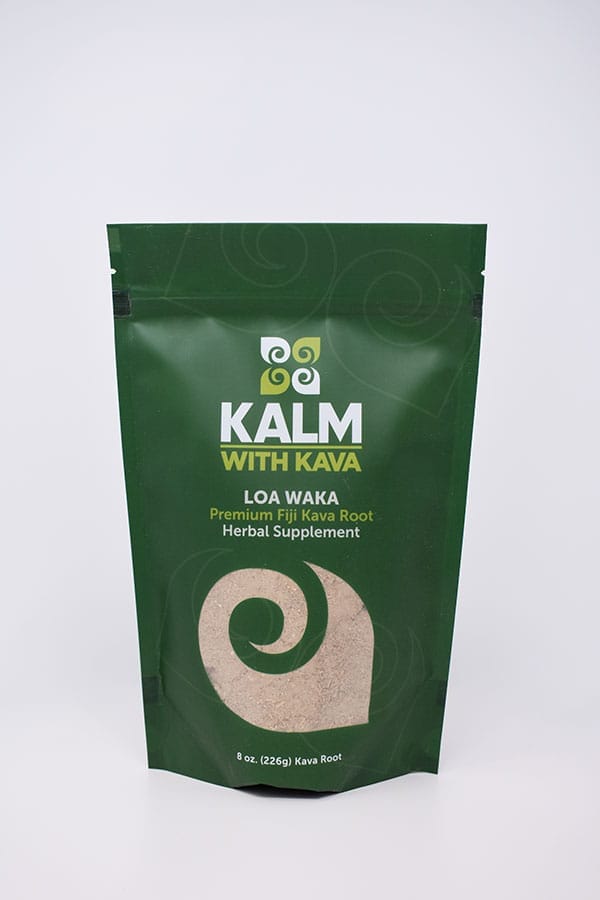
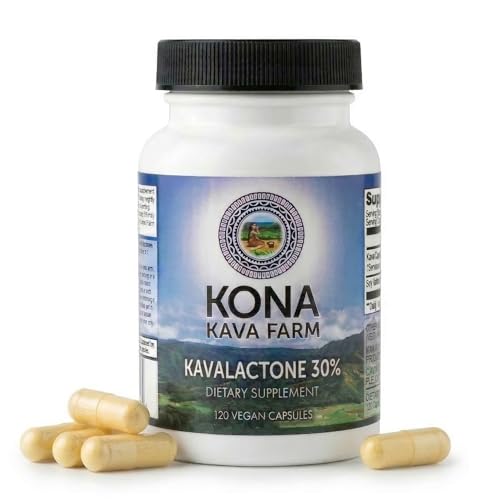
Beyond this guide: the highest-rated kava across every format, kavalactones verified, with a live price check on each.



As an Amazon Associate we may earn from qualifying purchases, at no cost to you. 21+.
Quick shop: every pick
Skip the scroll: the whole lineup, with a live price check on each.
- MELO Sparkling KavaThe Happy-Hour ReplacementMELO · $49.99 / 12-packCheck Price
- Leilo Kava TonicThe Mocktail-Night AnchorLeilo · $49.99 / 12-packCheck Price
Key terms
- CNS depressant
- A substance that slows central-nervous-system activity, producing relaxation and drowsiness. Both kava and alcohol act as CNS depressants, which is why reference sources note their sedative effects compound when used together rather than cancel out.
- Additive sedation
- When two sedating substances are combined and their drowsiness-producing effects stack. It's the core pharmacological reason the kava world treats kava and alcohol as an either/or — two things that each make you drowsy add up rather than average.
- Hepatic metabolism
- Processing of a substance by the liver. Both kava and alcohol are metabolized hepatically, which is why caution references specifically flag co-use as a load to avoid — and why the European liver case reports, often involving alcohol co-ingestion, are read carefully rather than at face value.
- Alcohol-free social space
- A venue or gathering built around ritual and conversation rather than intoxication. Kava bars are the defining example — alcohol-free by design — and the model behind the "replacement, not companion" frame for kava.
- Sober-curious
- A movement of people deliberately reducing or rethinking alcohol use without necessarily abstaining entirely. It's the cultural engine behind kava's growth as an "instead-of-the-drink" choice, and the audience for whom "pick one" is an easy yes.
Questions, answered
Can I drink kava after a beer?
The consistent guidance is no — not in the same session. Kava and alcohol are both CNS depressants, and reference sources like Drugs.com note that combining them increases sedation: drowsiness, dizziness and motor-reflex depression stack rather than cancel out. If you've had a beer, the careful move is to let the alcohol clearly wear off before any kava, which in practice often means a different day rather than later the same night. This is reported as a general caution, not medical advice — when in doubt, just pick one for the evening.
Can I have kava and alcohol the same night?
Community norms and the caution literature both point the same way: keep them out of the same evening. The whole premise of a kava night is that it replaces the drinking night — the moment you add alcohol back in, you've recreated the additive sedation and the shared liver load that the entire point was to avoid, and undone the no-hangover payoff. The clean rule that kava bars run on is one substance per night. If you've been drinking, treat kava as a different-day choice. Not medical advice — but the unanimous practical answer is don't mix them.
Does kava help with a hangover?
We won't make that claim, and you should be skeptical of anyone who does. Kava is not a hangover treatment, and reaching for it while alcohol is still in your system reintroduces exactly the additive-sedation and shared-liver-processing concerns this article is about — so "kava the morning after" is the opposite of cautious if you were drinking heavily and any alcohol remains. The honest framing is preventative, not curative: the reason a kava night leaves you clearer the next morning is that there was no alcohol in it to begin with. This is experiential, not medical advice.
Why do kava bars ban alcohol?
Because being alcohol-free is the entire point of the format, not a limitation of it. Kava bars exist as social spaces built on ritual, conversation and a low-key atmosphere rather than intoxication — the sober-curious can belong there without explaining why they're not drinking. Keeping alcohol out also sidesteps the additive sedation that comes from mixing it with kava. The category has grown past 300 locations in the U.S. precisely on that promise: a night out that doesn't run on booze and doesn't cost you the next morning. The "ban" is really just the brand.
Is kava a good alcohol replacement?
It's arguably the headline use case for kava right now. The appeal is concrete: a relaxing, social drink with no alcohol hangover, a typically lighter tab (kava-bar nights are reported around $20–30, often under half a comparable bar night), and a clearer next morning. Reporting on the sober-curious movement — with roughly half of Americans trying to drink less — has kava bars expanding as exactly this kind of substitute. The framing that works is "replacement, not companion": kava is the thing you have instead of the drink, which is why "pick one" feels less like a restriction than an upgrade. Effects and suitability vary by person; this isn't medical advice.
How long should I wait after drinking to have kava?
There's no single number that's right for everyone, and we'll be honest that this is a community-norm answer rather than a medical clearance. The cautious principle most sources land on is to let the first substance clearly wear off before the second — which, after more than a light amount of alcohol, generally means waiting until the next day rather than later the same evening, since both substances lean on the liver. Some references suggest separating them by 24 hours as a rule of thumb. Metabolism, serving size and sensitivity all vary, so the safest version is simpler still: make it a different day, or just pick one. Not medical advice — when unsure, separate them generously.
Keep reading
The Best Kava Drinks, Reviewed
The ready-to-drink lineup that makes the alcohol-free swap easy — your replacement-night menu.
Kava and Your Liver
The fuller, fairer picture on the liver question — what the case reports actually involved, alcohol co-use included.
The Kava Dosage Guide
How much to pour for a relaxed, social evening — size the servings for a kava night that replaces a bar night.