Kava and Your Liver: The Complete, Honest Record (2026)
Two decades ago kava was banned across half of Europe over a cluster of liver-injury reports, and the question has trailed the drink ever since. The honest answer is neither "kava is dangerous" nor "it was all debunked" — it's a record with a real shape. Here is that record in full: the case reports and what later reanalysis found, the regulators who acted and the court that reversed one of them, the Pacific epidemiology, the unknowns nobody can responsibly wave away, and the practical norms the community settled on. None of it is medical advice.
By The Kava Review DeskUpdated 2026-06-12~9 min read Ranked by the lab reportHow we research
If you've read anything cautionary about kava, it traces back to one event: in the early 2000s, a cluster of liver-injury reports out of Europe led regulators in Germany, Switzerland and elsewhere to pull kava products, and in March 2002 the U.S. Food and Drug Administration issued a consumer advisory that still stands today. That episode is why the liver question follows kava around, and why it deserves a page that neither hand-waves it away nor leans into the scare. This is that page.
Most coverage of kava and the liver picks a side. The supplement-friendly version says the whole thing was debunked; the cautious version implies the drink is quietly hepatotoxic. Both are tidier than the evidence. What actually happened is messier and, once you sit with it, clearer: a real safety signal arrived, much of it later proved to be entangled with how the products were made and what else people were taking, regulators and expert bodies reached genuinely different conclusions, a German court eventually reversed a ban, and a residue of honest uncertainty remains that no responsible writer should paper over.
So we're going to do something unusual for this topic: tell the record with its real shape, attribute every claim to whoever actually made it, and stop short of any health claim of our own. The single fact that does the most work is the difference between how traditional kava is made and how the implicated European products were made — but we'll get there by walking the evidence, not by asserting the conclusion. One thing up front and repeated throughout: nothing here is medical advice. If you have any liver concern, this conversation belongs with your doctor, full stop.
The short version
- The scare is real history, not a myth: by the end of 2002 Germany's drug regulator (the BfArM) had collected roughly 40 case reports tied to kava — including liver transplants and deaths — and the FDA's March 2002 consumer advisory, prompted by a handful of reports, is still in effect today.
- What later reanalysis found complicates the picture: many implicated cases involved concentrated ethanol- or acetone-extracted products (not the traditional water brew), non-root plant parts, co-ingested alcohol or hepatically-metabolized drugs, and sometimes likely tudei material — so causality for kava itself is contested, not settled.
- Expert and legal bodies split: the WHO's 2007 assessment concluded that water-based preparations of noble kava root carry an acceptably low risk of liver harm relative to the European extracts, and in 2014–15 German administrative courts ruled the BfArM ban unjustified.
- The Pacific epidemiology is the strongest reassurance and it has limits: centuries of heavy traditional use show no clear liver-disease signature, and a 2004 Fiji pilot of lifelong heavy drinkers found no association — but those studies are small, and very heavy non-traditional use has been linked to abnormal liver blood tests.
- The practical norms the community converged on: water-extracted noble root, moderate frequency, no alcohol alongside it, pause if you're unwell, and — non-negotiably — talk to a doctor first if you have a liver condition or take medications processed by the liver. This article is not medical advice.
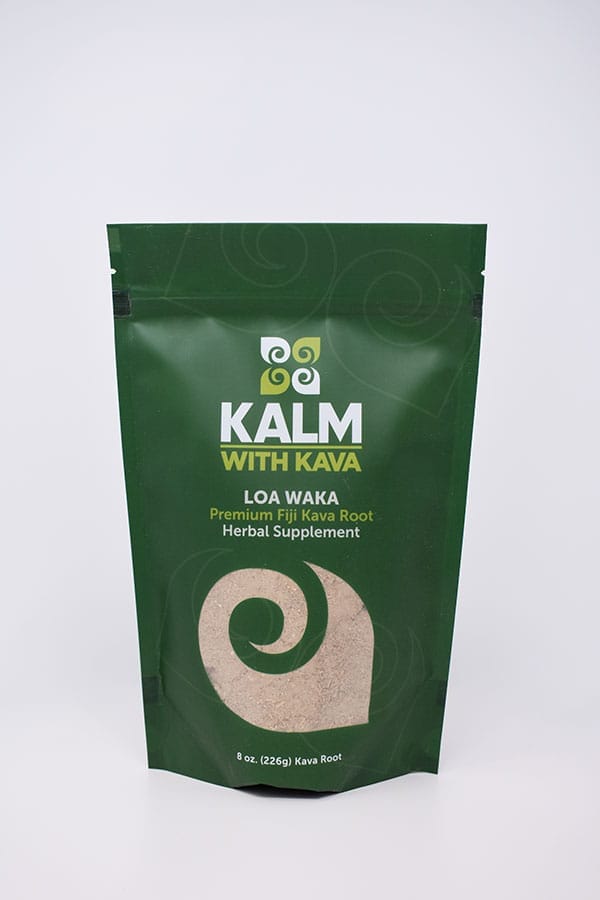
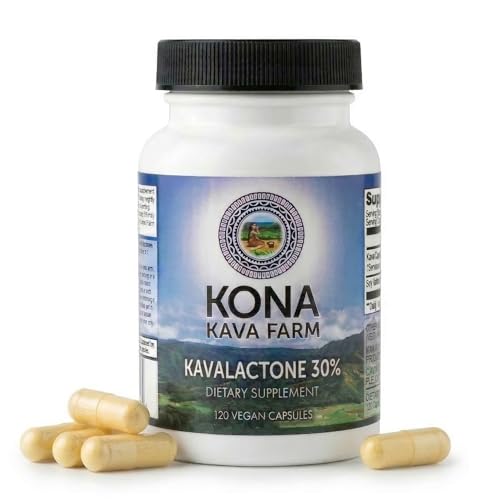
Our top-rated kava
Whatever you decide, these are the kavas we recommend: lab report read, kavalactones verified, ranked by cost per 100 mg. Live price check on each.




As an Amazon Associate we may earn from qualifying purchases, at no cost to you. 21+.
1. The case reports: what actually triggered the alarm
The kava liver story begins with real patients and real regulators, and any honest account has to start there rather than minimizing it. Through the late 1990s and into 2002, drug-safety authorities in Europe accumulated reports of serious liver injury in people who had been taking kava products. The German Federal Institute for Drugs and Medical Devices — the BfArM — was the center of gravity: by the end of 2002 it had collected on the order of 40 case reports associated with kava, a subset of which involved liver transplantation, and a few of which ended in death. Switzerland reported cases in the same window. Counting the wider European and international literature that accrued over the following years, the often-cited running total climbs toward roughly a hundred reports.
That signal is what moved governments. Germany and Switzerland restricted or withdrew kava products, and several other countries followed with bans or advisories. It is important to be plain about this: people were genuinely hospitalized, a small number genuinely needed transplants, and a small number genuinely died. Whatever the later debate about cause, the events that prompted it were not invented.
2. What reanalysis found — and why causality got contested
Once researchers went back through the case files, the clean story ("kava harms the liver") started to fray, because the cases shared features that pointed away from the root itself. Reviewers of the regulatory dossiers repeatedly noted the same confounders. Many of the implicated products were concentrated extracts made with organic solvents — ethanol or acetone — rather than the traditional water-based brew, and that extraction pulls a different and more concentrated chemical mix out of the plant. Some products were reported to have included non-root plant parts (leaves and stem peelings), which carry compounds the roots do not. A number of patients had been co-ingesting alcohol or medications metabolized by the liver, each of which is an independent route to liver stress. And in some cases the starting material was likely tudei kava or poor-quality raw material rather than noble root.
This is why formal causality assessments came back so mixed rather than uniformly damning. When investigators applied structured scoring to the German dossier, the verdicts spread across the scale — a handful rated "probable," more rated only "possible," and many were downgraded once confounders and incomplete records were weighed. A widely discussed reanalysis argued that, after excluding cases with major alternative explanations, the number of reports that could be cleanly attributed to a quality kava preparation shrank dramatically. That is not the same as proving kava harmless; it means the original signal was substantially entangled with how the products were made and what else was on board.
3. The regulatory arc: the FDA advisory, the WHO, and a court reversal
If you want to understand why people give such different answers about kava and the liver, look at the regulatory record — because the official bodies themselves reached different conclusions. Three landmarks matter, and they don't all point the same way.
The FDA's 2002 consumer advisory — still standing. On March 25, 2002, the U.S. FDA issued a consumer advisory stating that kava-containing dietary supplements may be associated with severe liver injury. The advisory was prompted by a small number of reports (four in Europe and one in the U.S. at the time) and its central recommendation was specific: that people who have liver disease or liver problems, or who take drugs that can affect the liver, should consult a physician before using kava. That advisory has not been rescinded — it remains the FDA's position, and the agency has reiterated liver injury as its primary concern in the years since. We quote it because it is the standing official caution and because its practical advice — talk to your doctor if your liver is already a factor — is sound regardless of where you land on the causality debate.
The WHO's 2007 assessment — the extraction distinction, formalized. In 2007 the World Health Organization published an expert assessment of the risk of hepatotoxicity with kava products. Its most-cited conclusion is the one that maps onto everything in Section 2: the WHO drew a line between the concentrated solvent extracts implicated in the European cases and the traditional water-based preparations of kava root consumed in the South Pacific, judging the latter to carry an acceptably low risk of liver harm by comparison. The assessment was not a clean bill of health — it noted that a few cases coded as possible or probable had involved aqueous extracts too, and it flagged raw-material quality (including mould contamination) as a contributor. But the headline distinction it drew — water-extracted root versus solvent extract — is the load-bearing fact this whole topic turns on.
Germany's 2014–15 court reversal. The German ban did not simply stand. After more than a decade of litigation, the Administrative Court of Cologne reversed the BfArM's withdrawal in June 2014, finding the evidence insufficient to justify it, and in February 2015 the Higher Administrative Court of Münster confirmed that decision. The courts held that the regulator had not demonstrated a risk that clearly outweighed kava's benefit, and the proceedings leaned on the argument that noble kava is a definable, quality-controlled material — "noble kava is not a chimera," as the case was summarized — distinct from the ill-characterized products that drove the original scare.
4. The Pacific point: centuries of use, and its honest limits
The single most-cited piece of reassurance is epidemiological, and it deserves to be stated carefully rather than oversold. Kava has been consumed heavily and daily for centuries across Fiji, Vanuatu, Tonga and the wider South Pacific, as a water-extracted root drink woven into social and ceremonial life. Across that long history of population-level heavy use, no distinctive epidemic of kava liver disease has been described — a striking absence given how much kava those cultures drink and for how long. Researchers have referred to the tension between this traditional record and the European case reports as the "Pacific kava paradox." A frequently cited 2004 Fiji pilot study of lifelong heavy drinkers — people estimated to have consumed on the order of 100,000 bowls over their lifetimes — reported no association between kava consumption and liver disease.
Now the limits, because honesty cuts both ways. That Fiji study was a small pilot, not a large systematic surveillance program, and the broader "no signal" claim rests more on the absence of a reported epidemic than on rigorous long-term liver monitoring of Pacific populations. There is also a genuine counterweight in the literature: studies of very heavy, non-traditional kava use in Aboriginal communities in Arnhem Land, Australia, documented abnormal liver blood tests (raised GGT and alkaline phosphatase, among other findings) in the heaviest users — a reminder that "traditional water-extracted root" and "unbounded daily intake" are not the same thing, and that dose and pattern matter.
5. The honest unknowns nobody should wave away
Here is the part most kava marketing skips and most scare pieces exaggerate, so we'll state it flatly: there are real unknowns, and pretending otherwise would betray the whole point of this page. Rare idiosyncratic liver reactions cannot be ruled out. Idiosyncratic hepatotoxicity — an unpredictable, individual reaction unrelated to dose — is a recognized phenomenon across many botanicals and pharmaceuticals, and by its nature it is invisible in population averages and nearly impossible to fully exclude. A clean reanalysis of old cases cannot prove that no individual will ever react badly to kava; it can only show that the old evidence didn't establish a general hazard.
Second, case reports have continued to appear sporadically in the years since the original cluster, including some involving preparations closer to the traditional end of the spectrum. They are rare, they are individually debatable on causality, and they do not amount to a new epidemic — but they exist, and a record that omitted them would be dishonest. Third, the science still has open questions about which compounds and which conditions matter most — the relative roles of flavokavains, pipermethystine from non-root parts, glutathione depletion in solvent extracts, raw-material quality, and individual susceptibility (genetics, co-medications, alcohol) are still being worked out rather than closed.
6. The practical norms: how the community reduces risk
Out of all of the above, the kava community and the more careful commentators converged on a short, sensible set of habits. None of this is medical advice, and none of it is a guarantee — it is the risk-reduction posture that follows logically from the record, nothing more. We present it as norms, not instructions.
Favor water-extracted noble root. This is the direct consequence of the WHO's extraction distinction and the reanalysis of the European cases. The implicated products were concentrated solvent extracts; the traditional preparation is noble root kneaded and strained in water. Choosing the latter aligns you with the side of the evidence that looks most reassuring — and it's a good reason to be wary of vague, concentrated "kava extracts" with no cultivar or origin disclosed (more on cultivar in our noble vs tudei guide).
Keep frequency moderate. The heavy-use blood-test findings out of Arnhem Land are a reminder that dose and pattern matter. Occasional and moderate is a different exposure than relentless daily maximalism.
Don't pair it with alcohol. Alcohol was a confounder in the original cases and is an independent route to liver stress; combining the two is exactly the kind of stacking the record warns against. The FDA also flags that combining kava with alcohol or other drugs may increase the risk of harmful effects.
Pause if you're unwell. If you're fighting illness, run-down, or already taxing your liver for any reason, that's a sensible time to skip it rather than push through.
Ready to try one? Start with our verified picks
Wherever this guide landed you, these are the kavas our lab-report standard keeps ranking on top. Live price check on each.
As an Amazon Associate we may earn from qualifying purchases, at no cost to you. 21+.
Key terms
- Hepatotoxicity
- Plain-speak: liver injury caused by a substance. It's the umbrella word for everything from a mild, reversible bump in liver blood tests to severe, rare injury requiring a transplant. When sources say a product is "associated with hepatotoxicity," that means liver harm was reported in people who used it — which, as this article stresses, is not the same as proof the substance caused it.
- Water vs. ethanol/acetone extraction
- The load-bearing distinction in this whole debate. Traditional kava is the root kneaded and strained in water, which pulls out a particular, self-limiting mix of compounds. The European products implicated in the scare were instead concentrated using organic solvents (ethanol or acetone), which extract a different and more concentrated chemical profile — and lose the glutathione present in the water brew. The WHO's 2007 assessment drew its key line along exactly this seam.
- Idiosyncratic reaction
- An unpredictable, individual adverse reaction that isn't explained by dose and can't be forecast from population data. Idiosyncratic liver reactions are documented across many botanicals and medicines. They matter here because their existence is why no one can honestly promise kava is harmless for every individual, even when the population-level evidence looks reassuring.
- The 2002 FDA advisory
- The U.S. FDA's March 25, 2002 consumer advisory stating that kava-containing dietary supplements may be associated with severe liver injury, prompted by a small number of case reports. Its central, still-current recommendation: people with liver disease or liver problems, or who take drugs that affect the liver, should consult a physician before using kava. The advisory has not been rescinded.
- Noble root
- Kava from cultivars that South Pacific cultures have traditionally drunk daily, prepared from the root (not leaves or stem peelings). It is the material the reassuring end of the evidence — the Pacific record and the WHO's lower-risk category — actually refers to. "Noble root, water-extracted" is the specific thing the practical norms point you toward; see our noble vs tudei explainer for how nobility is verified.
Questions, answered
Does kava damage the liver?
The honest answer is: the record doesn't support a flat "yes," and it doesn't support a flat "no" either. A real cluster of serious liver-injury reports in the early 2000s led to bans and the FDA's still-standing 2002 advisory — but later reanalysis found those cases were heavily entangled with solvent-extracted products, non-root plant parts, alcohol, liver-metabolized co-medications and sometimes poor-quality material, so causality for the root itself is contested. The WHO's 2007 assessment judged traditional water-based noble-root preparations to carry an acceptably low risk relative to the European extracts, and centuries of heavy Pacific use show no clear liver-disease epidemic. Set against that, rare idiosyncratic reactions can't be ruled out and sporadic case reports continue. So: a low-but-not-zero posture, with the extraction method doing most of the work. This is not medical advice — if you have any liver concern, ask your doctor.
Was the European kava ban justified?
That question was literally answered by a court, and the answer was no. After more than a decade of litigation, the German Administrative Court of Cologne reversed the BfArM's withdrawal of kava products in June 2014, and the Higher Administrative Court of Münster confirmed it in February 2015 — finding the regulator had not demonstrated a risk clearly outweighing kava's benefit, and that noble kava is a definable, quality-controlled material rather than the ill-characterized products that drove the scare. That said, "the ban was ruled unjustified" is a legal and evidentiary verdict on regulatory process, not a declaration that kava is risk-free. And the FDA's separate U.S. consumer advisory remains in effect to this day. Both things are true at once.
What did the WHO say about kava and the liver?
The WHO published an expert assessment of the risk of hepatotoxicity with kava products in 2007. Its most-cited conclusion drew a distinction between the concentrated solvent (ethanol/acetone) extracts implicated in the European cases and the traditional water-based preparations of kava root used in the South Pacific, judging the latter to carry an acceptably low risk of liver harm by comparison. It was not a clean bill of health — the assessment noted a few aqueous-extract cases coded as possible or probable and flagged raw-material quality, including mould contamination, as a factor — but the water-versus-solvent distinction it formalized is the single most important fact in the whole debate.
Are kava extracts riskier than the traditional brew?
That's the direction the evidence points, and it's the load-bearing fact of this entire topic. The products at the center of the early-2000s scare were largely concentrated ethanol- or acetone-extracted supplements, which pull a different, more concentrated chemical mix out of the plant than water does — and lose the glutathione present in the water brew. The WHO's 2007 assessment singled out exactly this contrast, treating traditional water-based root preparations as the lower-risk category. That's the basis for the community norm of favoring water-extracted noble root and being wary of vague concentrated "kava extracts" with no cultivar or origin disclosed. It is not a guarantee about any individual product, and it is not medical advice.
How would I reduce my risk if I drink kava?
These are the norms the community converged on — not instructions, not guarantees, and not medical advice. Favor water-extracted noble root over vague concentrated extracts (it's the side of the evidence the WHO treated as lower-risk). Keep your frequency moderate rather than relentlessly daily, since the heaviest non-traditional use has been linked to abnormal liver blood tests. Don't pair kava with alcohol — alcohol was a confounder in the original cases and the FDA flags the combination. Pause if you're unwell or already taxing your liver. And most importantly, if you have a liver condition or take any medication metabolized by the liver, talk to a doctor before drinking kava at all.
Who should definitely ask a doctor before drinking kava?
Anyone with a liver factor — and this isn't a soft suggestion, it's the explicit recommendation of the FDA's standing 2002 advisory. Specifically: people who have liver disease or any liver problem, and people who take medications metabolized by the liver (which is a very large category of common prescriptions). If either describes you, the right move is a conversation with your clinician before you drink kava, not after. We're a kava publication, not your physician; nothing on this page is medical advice. If you have liver concerns, that conversation belongs with your doctor, full stop.
Keep reading
Is Kava Safe?
The broader safety picture beyond the liver — what's established, what's cautionary, and how to read it.
Noble vs Tudei Kava
The cultivar question behind "noble root" — what it means and exactly how nobility is verified.
Is Kava Addictive?
The other question everyone asks — dependence, habit, and what the evidence actually shows.