Our pick. American Weigh Scales
Check priceBest Kava Scales & Measuring Tools (2026): Repeatable Brews Under $20
Every weak batch of kava has the same two suspects: a scoop that was not really 35 grams, and water that was not really 105 degrees. Both are solved for about the price of one bar shell each. Here are the verified 0.1 gram scales, the $9 thermometer, and the one kettle whose presets actually reach kava's 100 to 110 F window, plus the measuring conventions that make our whole site's numbers work.
By The Kava Review Desk2026-07-22~8 min readRanked by the lab reportHow we research
 Best Overall
American Weigh Scales Pocket Scale (600 g x 0.1 g)
- American Weigh Scales
- 4.7
- Price
- $9.99
 Upgrade Pick
Cuisinart 1.7L Variable Temperature Kettle (110 F to 212 F)
- Cuisinart
- 4.4
- Price
- $59.95
Kava prep runs on two numbers, and neither can be eyeballed reliably. The first is weight: the traditional batch is 30 to 35 grams of medium grind per 500 ml of water (our prep guide's standard, and the basis of every per-cup figure in our price index). The catch is that kava grinds vary wildly in fluffiness, so 'four tablespoons' can swing a quarter light or heavy depending on the bag, the humidity, and how you scooped. The second is temperature: kavalactones want warm water, 100 to 110 F, and boiling water is the classic way to make an expensive batch taste worse. A 0.1 gram scale and any honest way to read water temperature close both gaps, permanently, for under $20 combined.
This guide is the measuring station of the home kava bar, and it follows the house anti-markup rule from our gear guide: there is no such thing as a kava scale or a kava thermometer, only ordinary precision kitchen tools that kava-branded listings resell with the word attached. So every pick below is the kitchen-aisle original, verified live in August 2026: the $9.99 pocket scale that is the community workhorse, the $18.99 full-size upgrade with a weighing bowl, the $9.99 instant-read that ends temperature guessing, and, for the fully committed, the one variable kettle we found whose stated range reaches all the way down to 110 F instead of stopping at tea temperatures.
The register, as ever, because measuring exists in service of drinking: kava is an adults-only evening drink, it can cause drowsiness, do not drive after a session, keep it away from alcohol, and if you take medications or are pregnant, talk to your doctor before your first shell. None of this is medical advice. Now the numbers, and the tools that hit them.
The short version.
- Weigh, never scoop: 30 to 35 g of grind per 500 ml is the standard batch, and volume scoops swing up to a quarter off because grind density varies bag to bag. A 0.1 g scale ends the variance for $9.99.
- The American Weigh Scales 600 g pocket scale ($9.99) is the community classic and our pick: 0.1 g resolution, a tare button, and enough capacity for any session's root.
- The Etekcity 0.1 g kitchen scale ($18.99) is the household upgrade: full-size platform, included bowl for taring grind directly, and capacity that also handles the water side of small batches.
- Water wants 100 to 110 F, warm not hot. The $9.99 TempPro instant-read settles it in seconds; boiling water is the classic way to waste good root.
- The Cuisinart 1.7L variable kettle ($59.95) is the committed-station luxury: its stated 110 F to 212 F range is the rare preset list that actually reaches kava's window instead of stopping at tea temps.
- Calibrate once, repeat forever: weigh your canister scoop's level load one time, and every future scoop becomes a known quantity.
At a glance.
| Tool | Job | Price | Why it wins | Check price |
|---|---|---|---|---|
| American Weigh Scales 600 g x 0.1 g Pocket Scale | Weighing the root | $9.99 | The 0.1 g community workhorse at pocket-money price | Check price |
| Etekcity 0.1 g Kitchen Scale with Bowl | Whole-batch weighing | $18.99 | Full-size platform plus a tare bowl made for loose grind | Check price |
| TempPro TP03B Instant-Read Thermometer | Hitting 100 to 110 F | $9.99 | Seconds to a number; ends the warm-or-too-hot debate | Check price |
| Cuisinart 1.7L Variable Temperature Kettle | The warm-water station | $59.95 | Stated 110 F floor actually reaches kava's window | Check price |
The measuring station at a glance. Prices pulled live via the Amazon Creators API, July 2026; all four picks in stock at check.
American Weigh Scales Pocket Scale (600 g x 0.1 g)
American Weigh Scales
The $10 tool that turns kava from a guess into a recipe: 0.1 g resolution, tare, done.
Our verdict: The single highest-leverage ten dollars in kava. This is the pocket scale half the precision-measuring world already owns: 0.1 gram resolution, 600 gram capacity, a tare button, and a lid that works as a weighing tray. Weigh 35 grams once and you will never trust a tablespoon again; the difference between your best batch ever and your average one was probably five grams you could not see.
Lab report. Hardware, not root, so no COA applies. Key buying note: a 600 g capacity pocket scale reading in 0.1 g increments, with tare, a flip cover that doubles as a tray, and gram/ounce modes. Verified in stock at $9.99, August 2026.
Here is the experiment that sells every kava drinker on a scale: scoop your usual 'four tablespoons' of grind, then weigh it on the American Weigh Scales pocket scale. Fluffy lawena-heavy grinds come up shockingly light; dense waka grinds come up heavy; yesterday's scoop and today's disagree. The 30 to 35 g per 500 ml standard in our prep guide is a weight because weight is the only thing that survives the bag-to-bag variance, and this scale reads it to a tenth of a gram for $9.99.
Capacity is a quiet non-issue: 600 g covers any conceivable session weight including multi-guest batches and micronized dosing (a rounded teaspoon of micronized runs about 5 g, per the convention our price index uses). The honest limits are physical: the platform is pocket-scale small, so big weigh-ins use the tray or a tared cup, and it runs on the AAA batteries in the box. For a kava bar's measuring station, this is the default answer, and everything else on this page is an upgrade or a companion to it.
Who should buy it.
Buy the American Weigh Scales if you make traditional kava at all and do not already own a 0.1 g scale. It is the cheapest permanent fix for the most common cause of weak batches, and the first purchase of the measuring station.
What we don't like.
The platform is genuinely small, so anything beyond a cupful weighs via tared containers, and like all pocket scales it wants a flat surface and a still hand for the last decimal. Battery-powered, so keep spares.
- Resolution
- 0.1 g increments
- Capacity
- 600 g (any kava session weight, with room)
- Features
- Tare button, g/oz modes, flip cover doubles as tray
- Power
- AAA batteries, included
- Verified price
- $9.99 in stock via the Creators API, August 2026
What we like.
- 0.1 g resolution for under ten dollars
- Tare workflow makes weighing a ten-second habit
- 600 g capacity covers solo cups through party batches
- Small enough to live inside the kava cupboard
Worth noting.
- Pocket-size platform needs a tared cup for big loads
- Battery dependency
- No water-weighing practicality; it is a powder scale

Etekcity 0.1 g Kitchen Scale with Bowl (11 lb / 5 kg)
Etekcity
Full-size 0.1 g precision with a tare bowl: the scale for whole batches, not just scoops.
Our verdict: The household version of the answer: the same 0.1 gram resolution as the pocket classic, on a full-size stainless platform with an included bowl, rated to 5 kg. That combination weighs a whole batch's grind in the bowl, then the water in the pitcher, on one device. If the kava scale will live on the counter and serve the whole kitchen, this is the eighteen dollars that covers everyone.
Lab report. Hardware, not root, so no COA applies. Key buying note: a stainless full-size kitchen scale reading 0.1 g up to 11 lb / 5 kg, with an included weighing bowl and tare. Verified in stock at $18.99, July 2026.
Pocket scales weigh scoops; this weighs sessions. The Etekcity 0.1 g kitchen scale puts fine resolution on a real platform: drop the included bowl on, tare it, and pour a full multi-guest batch of grind (70, 100, 140 grams for the hosting builds) without the teetering that pocket platforms invite. The 5 kg ceiling adds the trick pocket scales cannot do: water weighing. Since 500 ml of water weighs 500 g, you can tare your brew pitcher and pour to exactly the ratio the recipe wants, no measuring cup, which is precisely how the coffee world abandoned volume years ago.
The stainless platform wipes clean of the fine dust kava grind sheds everywhere, and the bowl doubles as the knead-side measuring vessel for micronized mixing. One spec honesty note: like most consumer 0.1 g full-size scales, the last decimal is at its most trustworthy in the low ranges where kava lives, which is exactly the use case; do not expect laboratory behavior at the 5 kg extreme, and for kava you will never need it.
Who should buy it.
Buy the Etekcity if the scale will serve the whole kitchen or you regularly brew multi-guest batches. Full-size stability, the tare bowl, and water-weighing capacity are the three things the pocket classic cannot offer.
What we don't like.
It is twice the pocket scale's price for the same resolution, it is too big to live in a kava cupboard, and consumer full-size scales flatter their last decimal most in the low ranges, which is fine for kava and worth knowing for everything else.
- Resolution
- 0.1 g increments
- Capacity
- 11 lb / 5 kg (weighs batch water too: 500 ml = 500 g)
- Platform
- Full-size stainless, wipe-clean; included tare bowl
- Modes
- Grams and ounces, tare
- Verified price
- $18.99 in stock via the Creators API, July 2026
What we like.
- Full-size stability for whole-batch weigh-ins
- Included bowl makes taring loose grind effortless
- 5 kg ceiling enables coffee-style water weighing
- Stainless surface shrugs off kava dust
Worth noting.
- Double the pocket scale's price for the same resolution
- Counter footprint; not a cupboard resident
- Last-decimal confidence is best at low weights
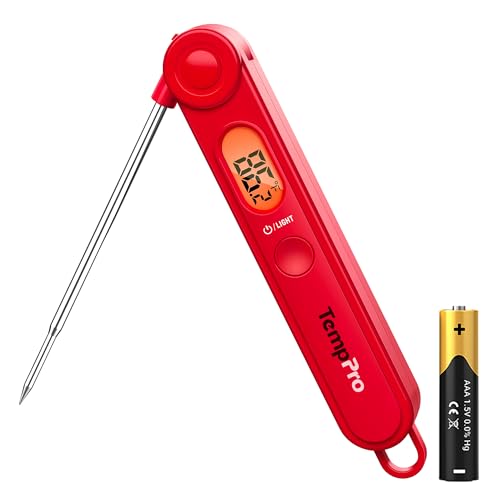
TempPro TP03B Instant-Read Digital Thermometer
TempPro
Nine dollars ends the warm-or-too-hot debate forever: fold out, dip, read.
Our verdict: The cheapest insurance in kava prep. The 100 to 110 F window matters because too-hot water is the classic way to degrade a good batch, and 'hand-warm' is a skill new brewers have not built yet. Nine dollars buys a folding probe that reads the pitcher in seconds, teaches your wrist what right feels like, and then spends the rest of its life checking roasts. This is the definition of gear that earns its drawer space.
Lab report. Hardware, not root, so no COA applies. Key buying note: a folding-probe instant-read digital thermometer with backlight, the long-running budget standard of the kitchen-thermometer category (formerly sold under the ThermoPro name, per the listing). Verified in stock at $9.99, August 2026.
Our gear guide has always said your wrist is calibrated from birth; this is for everyone who would like a second opinion. The TempPro TP03B is the classic budget instant-read: fold out the probe, dip it in the brew water, and get a number in a few seconds with a backlit display for the evening sessions kava actually happens in. The target, once more with feeling: 100 to 110 F, comfortably warm bathwater. Under about 100 F extraction gets lazy; run it much past the window, and especially toward boiling, and you are trading kavalactone quality for speed, which is the worst trade in the hobby.
The practical kava workflow: run your tap or kettle water into the brew pitcher, stir once so the reading is honest, dip, and adjust with a splash of cool or hot until the number sits in the window. It also settles the micronized question (same window, stirred rather than kneaded) and moonlights at every barbecue you host afterward. There is no kava-branded thermometer worth a dollar more than this; that sentence is the whole category reviewed.
Who should buy it.
Buy the TempPro if you are new to traditional prep, teach guests, or have ever wondered whether your 'warm' was quietly cooking the batch. It is the nine-dollar answer to a question you only need answered a few dozen times before your wrist takes over.
What we don't like.
Veterans with a trained wrist genuinely can skip it, the probe wants a quick stir before reading (surface water lies), and like every instant-read it is one more battery-powered object in the drawer.
- Type
- Folding-probe instant-read digital thermometer
- Kava target
- 100 to 110 F brew water, stirred before reading
- Display
- Backlit digital readout
- Lineage
- The long-running budget standard (formerly ThermoPro branding, per listing)
- Verified price
- $9.99 in stock via the Creators API, August 2026
What we like.
- Ends water-temperature guessing for $9.99
- Seconds to a reading, backlit for evening prep
- Trains your wrist, then serves the rest of the kitchen
- The honest alternative to every kava-branded thermometer
Worth noting.
- Skippable once your hand-warm instinct is trained
- Needs a quick stir for an honest reading
- Another battery to eventually replace
Cuisinart 1.7L Variable Temperature Kettle (110 F to 212 F)
Cuisinart
The rare variable kettle whose stated floor, 110 F, actually reaches kava's window.
Our verdict: Most 'temperature control' kettles are tea kettles: their lowest presets sit at 140 F and up, uselessly hot for kava. This Cuisinart is the exception we verified: a stated range of 110 F to 212 F, which lands its floor exactly at the top of kava's 100 to 110 F window. Dial it, pour, brew; no thermometer, no mixing hot and cold. At $59.95 it is the luxury tier of the measuring station, and the only pick here you should talk yourself out of before buying.
Lab report. Hardware, not root, so no COA applies. Key buying note: a 1.7 liter glass electric kettle with touchscreen variable temperature control whose stated range is 110 F to 212 F, per the listing, with a cool-touch dual-layer body. Verified in stock at $59.95, July 2026.
The dirty secret of variable kettles is their floor. Shop the category and the low preset is usually 140 F (delicate teas), sometimes 160 F, and kava's warm-not-hot window sits far below all of it, which is why kava drinkers with fancy kettles still end up blending in cold water like everyone else. The Cuisinart 1.7L variable kettle is carded here for one stated spec: a control range of 110 F to 212 F. Set the floor and the kettle delivers water at the top of the kava window; a small patience pause or splash of room-temperature water walks it down toward 105 F if you like the middle of the range. The 1.7 liter capacity handles a full 500 ml batch plus second-wash water in one heat.
Beyond the kava trick it is a normal, good kettle: glass body, touchscreen presets, cool-touch double wall, and every boiling-water job a kitchen has. That dual-use is how we justify the only $50-plus item on this page: it is the sole pick here that replaces an appliance you were plausibly buying regardless. If the budget is real, buy the thermometer, skip this, and put the fifty dollars into root; the price index says that is twenty-five home cups.
Who should buy it.
Buy the Cuisinart if you brew traditionally most nights and want the warm-water step reduced to one button, or if you are replacing a kettle anyway and would rather own the rare one whose floor reaches kava's window.
What we don't like.
It is $59.95 in a guide of sub-$20 tools, the thermometer route achieves the same water for far less, and its 110 F floor sits at the top of the window, so mid-window sticklers still finish with a splash of cool water.
- Capacity
- 1.7 liters (a full batch plus second wash in one heat)
- Stated range
- 110 F to 212 F variable control, per the listing
- Body
- Glass with cool-touch dual layer; touchscreen presets
- Kava setting
- Floor preset, then optionally walk down toward 105 F
- Verified price
- $59.95 in stock via the Creators API, July 2026
What we like.
- Stated 110 F floor actually reaches the kava window
- One-button warm water removes the nightly friction step
- 1.7 L covers batch and second wash in a single heat
- A legitimate everyday kettle, not a single-tasker
Worth noting.
- The only expensive object on this page
- A $9 thermometer plus tap water matches the result
- 110 F floor still wants a cool splash for mid-window brews
More kava worth comparing
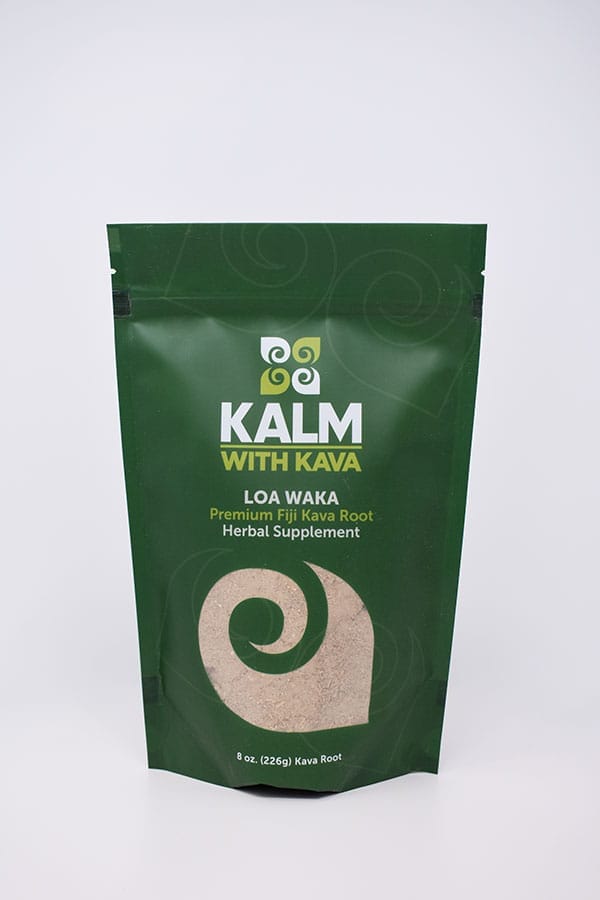
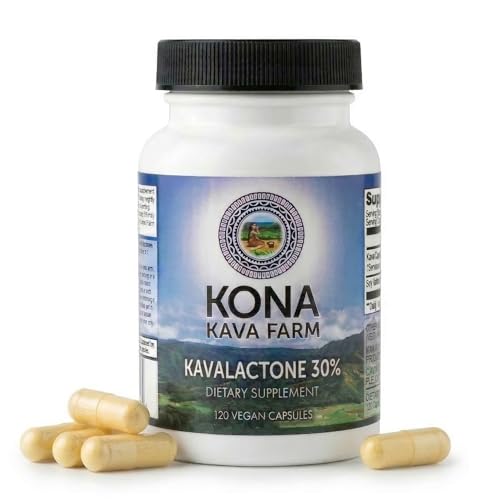
Beyond this guide: the highest-rated kava across every format, kavalactones verified, with a live price check on each.




As an Amazon Associate we may earn from qualifying purchases, at no cost to you. 21+.
Quick shop: every pick.
Skip the scroll: the whole lineup, with a live price check on each.
- American Weigh Scales Pocket Scale (600 g x 0.1 g)Weighing the RootAmerican Weigh Scales · $9.99Check price
- Etekcity 0.1 g Kitchen Scale with Bowl (11 lb / 5 kg)Whole-Batch WeighingEtekcity · $18.99Check price
- TempPro TP03B Instant-Read Digital ThermometerHitting 100 to 110 FTempPro · $9.99Check price
- Cuisinart 1.7L Variable Temperature Kettle (110 F to 212 F)The Warm-Water StationCuisinart · $59.95Check price
How we chose.
We picked for the two measurements kava actually requires: mass at 0.1 gram resolution (the spec that makes a 30 to 35 g batch repeatable; 1 gram scales technically pass but leave you rounding) and water temperature in the 100 to 110 F window (either read directly by a thermometer or produced by a kettle whose control genuinely goes that low, which most do not). Ergonomics counted: tare buttons, platform size versus a bag of grind, and speed to a stable reading.
House rule, applied again: these are deliberately generic precision tools, not kava-branded resells of the same hardware. Every price and availability was verified live through the Amazon Creators API in July 2026, all four picks returned in stock, and each card links the exact listing checked. Spec claims come from the listings themselves (the Cuisinart's 110 F to 212 F range is its stated spec) with no invented test numbers.
Technique numbers are the site's standing conventions, so this page cannot quietly contradict the prep guide: 30 to 35 g per 500 ml for traditional grind, roughly 14 g per cup for per-cup cost math, a rounded 5 g teaspoon for micronized, 100 to 110 F water, the 10-minute knead, and the second wash. Hardware has no COA, so each card's trust line is a key buying note. The drinking register applies wherever drinking comes up, and nothing here is medical advice.
Key terms
- 0.1 gram resolution
- A scale that reads in tenth-of-a-gram steps, the spec that makes a 30 to 35 g kava batch repeatable. Whole-gram kitchen scales technically work; tenth-gram scales remove the rounding and cost the same $10 to $19.
- Tare
- Zeroing the scale with the empty container on it so the display reads only the contents. The button that makes weighing grind a ten-second habit instead of a math problem.
- The kava window (100 to 110 F)
- The warm-not-hot water range kava prep targets: warm enough for efficient extraction, safely below the temperatures that degrade kavalactone quality. Comfortably warm bathwater, and the reason kettle floors matter.
- Scoop calibration
- Weighing your storage scoop's level load once and labeling it, so casual sessions can run on the scoop while the scale stays the auditor. The one-time trick that reconciles convenience and precision.
- Water weighing
- Using a high-capacity scale instead of a measuring cup for batch water, since 500 ml weighs 500 g. Borrowed from specialty coffee; needs a full-size scale like the 5 kg Etekcity.
Questions, answered
Do I really need a scale to make kava?
If you want repeatable results, yes, and it is a ten-dollar yes. The traditional batch standard is 30 to 35 grams of grind per 500 ml of water, but kava grinds vary so much in density that volume scoops routinely land 20 to 25 percent off, which is the difference between a proper shell and a watery one. A $9.99 pocket scale with 0.1 gram resolution ends that permanently: tare a cup, spoon to 35.0 grams, brew. The tablespoon estimates on kava bags exist because most kitchens lack scales, not because scoops are accurate.
What temperature should kava water be?
100 to 110 F, which is comfortably warm bathwater: warm enough to extract efficiently during the knead, and safely below the heat that degrades kavalactone quality. Never use boiling water on kava. In practice you can reach the window three ways: a trained wrist (it genuinely is hand-warm), a $9 instant-read thermometer dipped in the stirred pitcher, or a variable kettle whose floor actually reaches that low; most tea kettles bottom out at 140 F, which is why we card the one verified model with a stated 110 F floor.
What is the best scale for kava?
For most drinkers, the classic 600 g x 0.1 g pocket scale, verified at $9.99: tenth-gram resolution, a tare button, and enough capacity for any session, small enough to live in the kava cupboard. Upgrade to a full-size 0.1 g kitchen scale with a bowl (verified at $18.99) if you weigh big hosting batches, want to weigh your brew water coffee-style, or want one scale for the whole kitchen. There is no kava-specific scale worth buying; both picks are the ordinary precision tools the rest of the measuring world standardized on.
How much kava is one serving?
By the site's standing conventions: a traditional session batch is 30 to 35 g of medium grind in 500 ml of warm water, which our cost math treats as several cups at roughly 14 g of root per cup, and a micronized serving is a rounded teaspoon of about 5 g stirred into warm water. Those are preparation conventions, not medical dosing; individual response varies, first-timers should start modest, and pacing across an evening (shells spaced 15 to 30 minutes apart) matters as much as the grams. Our dosage guide covers session sizing properly, and none of this is medical advice.
Is a temperature-control kettle worth it for kava?
Only in one specific case: you brew traditionally most nights, the warm-water step is genuine friction, and the kettle you pick has a floor that reaches kava's window. That last clause disqualifies most of the category, since typical variable kettles bottom out at 140 F, built for tea. The verified exception we card states a 110 F floor at $59.95 and doubles as a normal household kettle. For everyone else, the honest answer is the $9.99 thermometer and the tap: identical water, fifty dollars cheaper, and the savings buys twenty-five home-brewed cups at our price index's average.
Keep reading.
How to Set Up a Home Kava Bar
The four-station build this measuring gear belongs to, with live-priced starter and hosting budgets.
How to Make Kava
The technique the numbers serve: ratios, the 100 to 110 F window, the knead, and the second wash.
Best Kava Storage Containers
The station next door: airtight homes for the root your newly calibrated scoop dips into.
Kava Dosage Guide
From grams to sessions: how shells are actually paced, and what the weights mean across formats.