Can You Drink Kava Every Day? The Honest Answer (2026)
The marketing answer is "sure, it's natural" and the scare answer is "absolutely not." Neither respects the evidence. The honest answer turns on a distinction almost nobody draws: occasional-to-moderate use sits on the reassuring side of the record, while heavy, daily, long-term use is exactly where the documented downsides live — kava dermopathy, lethargy, and the liver cautions worth taking seriously. Here's what regular use actually looks like, where the real edges are, and the simple "days off" posture that keeps a ritual from becoming a routine. Not medical advice.
By The Kava Review DeskUpdated 2026-07-26~7 min read Ranked by the lab reportHow we research
Can you drink kava every day? The honest answer, updated July 2026, is that it depends on how much and for how long, not on a yes or a no. Occasional-to-moderate use sits on the reassuring side of the documented record; heavy, daily, long-term use is precisely where the documented downsides live: kava dermopathy, lethargy, and the liver cautions. Many people drink kava regularly by keeping it quality noble root, moderate servings, and building in kava-free days. Nothing here is medical advice.
That distinction is the one almost nobody draws, and it does all the work. The reassuring end (low dependence potential, no significant withdrawal, a long traditional Pacific history) is clearest for moderate use. The documented edges cluster at the heavy-daily end: kava dermopathy (dry, scaly skin), next-day lethargy, and the liver cautions behind the FDA's still-standing March 2002 advisory. Knowing where the line sits, and how to stay on the comfortable side of it, is the whole answer to the question.
Two ground rules, because this is a safety-adjacent topic. Nothing here is medical advice and there are no health or disease claims in either direction. We describe what the documented record shows, attribute it, and leave clinical decisions to you and a professional who knows your circumstances. Everything below concerns lawful, quality noble kava used by adults, 21+. If you take any medication, are pregnant or nursing, or have any liver concern, put the daily-use question to a doctor or pharmacist before acting on anything here.
The short version
- The honest answer is about pattern, not permission: occasional-to-moderate use sits on the reassuring side of the record, while heavy, daily, long-term use is where the documented downsides actually appear. "Every day" is a frequency question, and frequency is the lever.
- Pacific cultures have consumed kava heavily and daily for centuries — but as a water-extracted noble root drink woven into social and ceremonial life, which is not the same exposure as relentless solo maximalism, and that distinction matters.
- Kava dermopathy ("kanikani") — dry, flaky, scaly skin — is the best-documented heavy-use effect. It is reportedly not itchy or inflamed, tracks heavy long-term exposure, and is described as reversible once intake drops; occasional drinkers essentially never develop it.
- The liver context is real and unresolved rather than settled: the FDA's standing 2002 advisory and the contested case record are reasons to favor quality noble root, avoid alcohol alongside it, and treat any liver factor as a doctor conversation — we cover it in full in our liver explainer.
- The community's practical posture is "a ritual, not a routine": water-extracted noble root, moderate servings, deliberate kava-free days, no alcohol or sedatives alongside it, and attention to the signals — dry skin, lethargy, a creeping pull — that say it's time to cut back.
Our top-rated kava
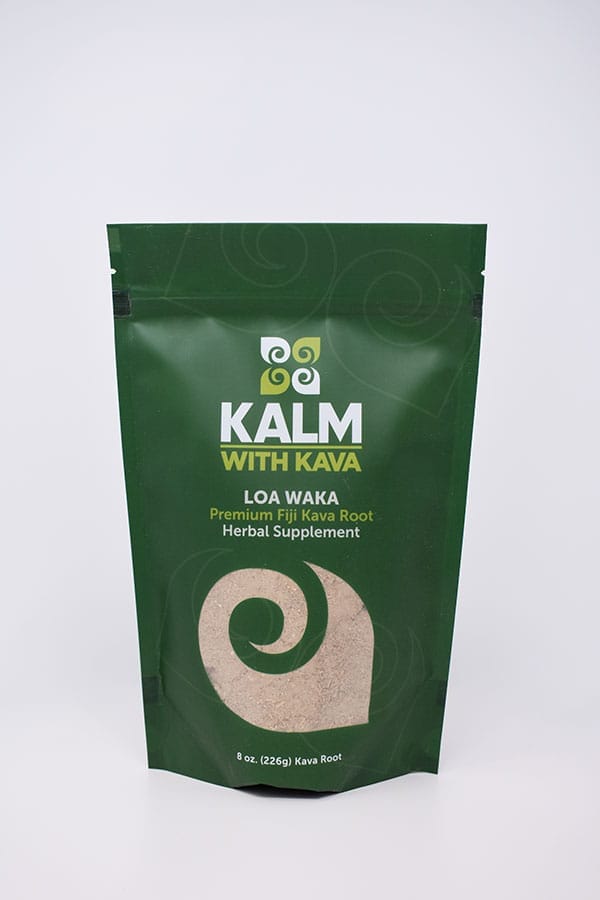
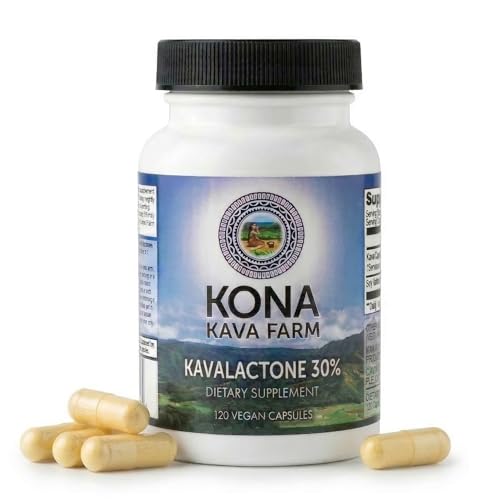
Whatever you decide, these are the kavas we recommend: lab report read, kavalactones verified, ranked by cost per 100 mg. Live price check on each.




As an Amazon Associate we may earn from qualifying purchases, at no cost to you. 21+.
The honest answer, up top
Can you drink kava every day? The honest answer is that the question is really about how much and for how long — and that occasional-to-moderate use sits on the reassuring side of the documented record, while heavy, daily, long-term use is precisely where the genuine downsides show up. That's not a dodge; it's the most accurate thing anyone can say, and the rest of this article is the evidence behind it.
Here's why "every day" can't get a clean yes or no. The reassuring findings people cite about kava — that it has low dependence potential, that it produces no significant withdrawal syndrome, that the Pacific has consumed it for centuries — are clearest for moderate use. The downsides the literature actually documents — kava dermopathy, persistent lethargy, the contested liver cautions — are observed overwhelmingly in heavy consumers. A daily bowl of quality noble kava is a very different exposure from a person who drinks large amounts all day for years, and lumping them together is exactly how the question gets answered badly.
| Pattern | Kava dermopathy | Lethargy / low energy | Liver context | Dependence signal |
|---|---|---|---|---|
| Occasional (a few evenings a month) | Essentially never reported | Not a documented feature | The reassuring end of the record | Low; no significant withdrawal documented |
| Moderate (a few sessions a week, days off) | Essentially never reported | Not a documented feature | Traditional water-extracted noble root, the lower-risk preparation in the WHO's 2007 assessment | Low; watch behavioural habit, not chemical escalation |
| Daily, moderate serving | Uncommon; tracks total exposure | Possible next-day heaviness | Frequency multiplies exposure, so quality matters more | The evening ritual can become non-optional |
| Heavy, daily, long-term | The best-documented heavy-use effect; reversible on cutting back | Reported as persistent in very frequent drinkers | The pattern linked to abnormal liver blood tests | Still low physiologically; behavioural pull strongest here |
What "daily" looks like traditionally — and why that's not a blank check
The strongest point in favor of regular use is historical, and it deserves to be stated carefully rather than oversold. Across Fiji, Vanuatu, Tonga and the wider South Pacific, kava has been consumed heavily and daily for centuries — woven into social gatherings, ceremony, conflict resolution and ordinary evening life. It is not a novelty drink in those cultures; it is a daily fixture, and a long one. That depth of human experience is real reassurance, and we won't minimize it.
But two features of the traditional pattern are doing quiet work that the "they drink it every day" shorthand erases. First, it is overwhelmingly water-extracted noble root — the root kneaded and strained in water, the preparation that sits on the reassuring side of the liver evidence — not the concentrated solvent extracts or mystery products that muddy the Western picture. Second, traditional kava is largely a social, communal ritual: shared in a circle, paced, embedded in a setting, rather than consumed alone in escalating volume. "Pacific cultures drink it daily" is true, but it describes a specific material and a specific pattern — not a license for unbounded solo intake of whatever's cheapest.
Kava dermopathy: the best-documented sign of "too much, too often"
If regular kava use has a signature effect, this is it — and it's also the one most often misread as scarier than it is. Kava dermopathy, known by the Fijian term kanikani, is a skin condition documented for decades among heavy, daily, long-term kava drinkers: the skin — often on the palms, soles, forearms, shins and back — turns dry, flaky and scaly, resembling a mild ichthyosis.
Two facts about it are well established in the dermatology literature and worth holding onto. It is reportedly not itchy or inflamed — it's a dryness-and-scaling pattern, not an allergic rash — and it is reversible, clearing on its own when consumption drops or stops. Crucially, it tracks total long-term exposure: it's a feature of heavy traditional-volume drinking sustained over time, which is exactly why occasional drinkers essentially never develop it. Its precise mechanism isn't fully settled — explanations discussed in the literature include effects on cholesterol metabolism in the skin rather than a simple deficiency — but for the purposes of the daily-use question, the practical reading is what matters.
The other heavy-use edges: lethargy, energy, and pattern
Dermopathy is the most distinctive heavy-use effect, but it isn't the only one, and an honest answer names the rest. Studies and observations of very frequent drinkers have also reported next-day or persistent lethargy and lowered energy, and some heavy-consumption research has noted effects on appetite and body weight. As with the skin, the dose is the whole story: these are signals seen in sustained heavy intake, not in a moderate evening bowl a few nights a week.
There's also a frequency-specific quirk worth flagging for daily drinkers. Kava is widely reported to show reverse tolerance — feeling underwhelming at first and stronger after several sessions — which is the opposite of the escalation that defines a classic dependence curve. But the flip side of a daily habit is that the ritual itself can become a behavioural attachment: not a physiological dependence (the documented record places kava's dependence risk low — see our dedicated piece), but the ordinary pull of an evening routine you'd miss. That's a real human pattern in frequent users, and naming it precisely is the difference between rigour and reassurance.
The liver context: why daily use raises the stakes of quality
You can't answer the daily-use question honestly without the liver, and you can't do it responsibly by either ignoring it or sensationalizing it. The short version: a cluster of liver-injury case reports in the early 2000s led several countries to restrict or ban kava, and the U.S. FDA issued a consumer advisory in March 2002 — still in effect today — noting kava products may be associated with severe liver injury and recommending that people with liver problems or who take liver-metabolized drugs consult a physician first.
What later reanalysis found complicates the picture rather than closing it: many implicated cases were entangled with concentrated solvent-based extracts rather than the traditional water brew, non-root plant parts, co-ingested alcohol or liver-metabolized medications, and sometimes poor-quality or tudei material — so causality for quality noble root itself is contested. The WHO's 2007 assessment judged traditional water-based noble-root preparations to carry an acceptably low risk relative to the European extracts, and centuries of heavy Pacific use show no clear liver-disease epidemic. Set against that, rare idiosyncratic reactions can't be ruled out, and very heavy non-traditional use has been linked to abnormal liver blood tests. It's a low-but-not-zero posture, with the extraction method and quality doing most of the work.
Sensible moderation: a ritual, not a routine
Out of all of the above, careful drinkers and the more thoughtful commentators have converged on a short, sensible posture for regular use. None of it is medical advice or a guarantee — it's simply the risk-reduction stance that follows logically from the record. We offer it as norms, not instructions.
Favor quality, water-extracted noble root. This is the single biggest lever, and it matters more the more often you drink. It's the side of the liver evidence that looks most reassuring, and it's the material with the long traditional track record — a good reason to be wary of vague concentrated "kava extracts" with no cultivar or origin disclosed.
Keep servings moderate. The heavy-use findings are about volume sustained over time. A moderate evening bowl is a different exposure than relentless all-day maximalism.
Build in kava-free days. This is the practical heart of "a ritual, not a routine." Deliberate days off keep total exposure down, give your body a break, and are the simplest defense against both the dermopathy/lethargy end of the record and a creeping behavioural habit. Many regular drinkers treat kava as an occasional evening ritual rather than a nightly default for exactly this reason.
Never pair it with alcohol or other sedatives. Alcohol was a confounder in the original liver cases and is an independent route to liver stress; stacking kava with alcohol, benzodiazepines or sleep aids is the wrong kind of compounding. Use kava as an alternative to a drink, not a chaser.
Signs it's time to take a break
The cleanest way to keep regular use on the comfortable side of the line is to watch for the signals that say you've drifted past moderate — and to treat them as feedback rather than alarm. None of these is a diagnosis; they're the documented "you're drinking a lot" cues that tell a careful drinker to ease off.
Dry, scaly skin. The clearest signal. If a dermopathy pattern appears — dry, flaky skin on the hands, forearms, shins or back — read it as your frequency dosimeter reading high. Cut back and build in days off; the record describes it as reversible once intake drops.
Persistent lethargy or low energy. Lingering next-day heaviness, flatness, or reduced drive in a frequent drinker is the same too-much-too-often signal. (Next-day grogginess can also point to too-large a dose or tudei material rather than noble root — see noble vs tudei kava.)
The ritual starting to feel less optional. If the evening bowl has quietly become non-negotiable — if you notice yourself reaching for it out of pull rather than choice — that's the behavioural-habit edge, and a planned break is the simplest reset. We unpack the habit-versus-dependence distinction in is kava addictive.
Ready to try one? Start with our verified picks
Wherever this guide landed you, these are the kavas our lab-report standard keeps ranking on top. Live price check on each.
As an Amazon Associate we may earn from qualifying purchases, at no cost to you. 21+.
Key terms
- Kava dermopathy (kanikani)
- A dry, flaky, scaly skin condition documented for decades among heavy, daily, long-term kava drinkers, resembling a mild ichthyosis; the Fijian name is kanikani. It is reportedly not itchy or inflamed (not an allergic rash) and is described as reversible once consumption drops. Because it tracks total long-term exposure, it's the clearest signal that frequency has crept past moderate — and why occasional drinkers essentially never develop it.
- Heavy use vs. moderate use
- The distinction the whole daily-use question turns on. "Heavy" use means large amounts consumed daily over long stretches — the pattern in which the documented downsides (dermopathy, lethargy, the heaviest liver-test findings) appear. "Moderate" use means smaller servings a few times a week or as an occasional ritual — the pattern the reassuring evidence (low dependence, no significant withdrawal, the traditional record) is clearest for.
- A ritual, not a routine
- The community's practical posture for regular kava: keep it an intentional, occasional-to-moderate ritual with deliberate kava-free days, rather than an automatic, nightly, every-day default. The phrase captures the single most useful habit for keeping daily-use risk low — the days off cap total exposure and guard against a creeping behavioural habit.
- Reverse tolerance
- Kava's widely reported tendency to feel underwhelming the first session or two and stronger on later sittings — the opposite of conventional tolerance and of the escalation that defines a dependence curve. It's relevant to daily use because it means there's no pharmacological pressure to keep increasing the dose; the thing to watch in a daily habit is behavioural pull, not chemical escalation.
Questions, answered
Can you drink kava every day?
The honest answer is that it depends on how much and for how long, not on a simple yes or no. Occasional-to-moderate use sits on the reassuring side of the documented record — low dependence potential, no significant withdrawal, a long traditional history — while heavy, daily, long-term use is exactly where the genuine downsides appear: kava dermopathy (dry, scaly skin), lethargy, and the heaviest liver-test findings. Many people drink kava regularly without issue by keeping it quality noble root, moderate servings, and building in kava-free days. If you take any medication, are pregnant or nursing, or have a liver concern, make that a doctor conversation first. This is general information, not medical advice.
Is it bad to drink kava daily?
"Daily" itself isn't the problem so much as heavy, sustained daily volume. The effects the literature documents for very frequent drinkers — kava dermopathy, persistent lethargy, and abnormal liver blood tests in the heaviest non-traditional use — all track total exposure over time. A moderate evening bowl of quality noble kava a few nights a week is a very different exposure from large amounts all day for years. The practical guidance the community converged on is to keep it moderate, favor water-extracted noble root, avoid alcohol and sedatives alongside it, and take deliberate days off. Not medical advice.
What happens if you drink too much kava over time?
The best-documented effect of heavy, long-term use is kava dermopathy ("kanikani") — dry, flaky, scaly skin that is reportedly not itchy or inflamed and is described as reversible once intake drops. Heavy-use observations have also noted next-day or persistent lethargy and, in some research, effects on appetite and body weight. Very heavy non-traditional use has additionally been linked to abnormal liver blood tests. All of these track volume over time rather than the occasional bowl, which is why they're best read as "too much, too often" signals that respond to cutting back. This is general information, not medical advice.
Does kava cause skin problems?
With heavy, daily, long-term use it can: kava dermopathy is a dry, flaky, scaly skin pattern documented for decades among very frequent traditional drinkers. Two reassuring facts are well established — it isn't itchy or inflamed (it's dryness and scaling, not an allergic rash), and it's reversible, clearing once consumption drops. It tracks total long-term exposure, so occasional drinkers essentially never get it. If it appears, treat it as a signal to reduce volume and build in kava-free days, and it reliably resolves over a few weeks. See our kava side effects guide for the full effect map.
How many days a week should you drink kava?
There's no official number, and we won't invent one — but the posture the record points to is moderation with deliberate days off, treating kava as an occasional-to-moderate ritual rather than a nightly default. The reason is simply that the documented downsides all track sustained heavy exposure, so spacing use out and capping total volume is the cleanest way to stay on the reassuring side of the record. The right frequency for you, especially if you take medication or have any liver factor, is a conversation for a healthcare professional. Not medical advice.
Is daily kava bad for your liver?
The liver record is real but unresolved rather than settled. A cluster of case reports in the early 2000s led to restrictions and the FDA's still-standing 2002 advisory, but later reanalysis found those cases heavily entangled with solvent extracts, non-root plant parts, alcohol, liver-metabolized co-medications and poor-quality material, so causality for quality noble root is contested. The WHO's 2007 assessment treated traditional water-based noble-root preparations as lower-risk, and centuries of Pacific use show no clear liver-disease epidemic — though rare idiosyncratic reactions can't be ruled out and very heavy use has been linked to abnormal liver readings. Because frequency multiplies exposure, daily use raises the premium on quality noble root and on never combining kava with alcohol. Anyone with a liver condition or on liver-metabolized medication should talk to a doctor first. Our kava and your liver explainer has the full record. Not medical advice.
Will I get addicted if I drink kava every day?
Read against the clinical criteria of dependence, kava scores low: it shows no conventional tolerance (it's widely reported to show reverse tolerance instead), the WHO's 2007 assessment found no significant withdrawal syndrome of the alcohol-or-opioid kind, and it acts largely through calming GABA pathways rather than the dopamine-reward circuitry that trains compulsion. What a daily habit can produce is a behavioural attachment — the ordinary pull of an evening ritual you'd miss — which is different from a physiological dependence. Deliberate kava-free days are the simplest guard against that pull. We cover the full picture in our is kava addictive piece. Not medical advice.
What are the signs I should cut back on kava?
The clearest cut-back signals are dry, scaly skin (kava dermopathy), persistent next-day lethargy or low energy in a frequent drinker, and the ritual starting to feel less optional than it used to. All three are "too much, too often" feedback that responds to reducing volume and building in days off. Separately — and more urgently — any sign of liver trouble is a hard stop and a reason to see a clinician immediately, not cut back: yellowing of the skin or eyes, dark urine, unusual or persistent fatigue, nausea that won't quit, or upper-right abdominal pain. Those are rare with quality noble root at moderate doses, but they're the line where you stop and call a professional. Nothing here is medical advice.
Keep reading
Kava and Your Liver
The full, attributed liver record — the case reports, the extract-vs-root distinction, the WHO assessment, and the practical norms.
Kava Side Effects
The complete honest list, sorted by likelihood — including the heavy-use tier where dermopathy and lethargy live.
Is Kava Addictive?
Dependence read against its real clinical criteria — and the habit-vs-dependence distinction that matters for daily use.
Kava Dosage Guide
How to dial in a moderate serving — the best way to keep regular use on the comfortable side of the record.
Noble vs Tudei Kava
The cultivar question behind "quality noble root" — and why it drives almost everything on the daily-use list.