Kava Side Effects: The Complete Honest List (2026)
Most "side effects" articles either hand-wave kava as harmless or scare you off it. Neither is honest. Here's the real list, sorted by how likely you are to meet each one — from the tongue-tingle almost everyone notices, to the nausea you can engineer away with timing, to what genuinely heavy daily use brings, to the medication cautions that matter, to the rare and contested. Each effect is tagged by tier and paired with the practical fix. Not medical advice.
By The Kava Review DeskUpdated 2026-07-26~7 min read Ranked by the lab reportHow we research
The kava side effects almost everyone actually meets are a brief numb, tingly mouth and, at larger servings, some nausea or drowsiness, and both of those are timing-and-dose problems you can largely engineer away. Everything heavier on the list (kava dermopathy, persistent lethargy, the contested liver question) sorts by dose, duration, quality, and combinations rather than by bad luck. That's the honest summary, updated July 2026. Nothing here is medical advice.
So we've organized this list by likelihood, not by alarm. At the top is the tongue-tingle nearly every first-timer notices and nobody needs to worry about. Below it sit the common, manageable things. Then the effects that only show up with genuinely heavy, daily, long-term use. Then the medication cautions, which is where careful attention actually matters: kava inhibits several CYP450 liver enzymes, so anyone on prescription medication should clear it with a doctor or pharmacist. And finally the rare and the contested, meaning the liver question behind the FDA's March 2002 advisory and the WHO's 2007 reassessment of traditional water-based noble-root preparations.
We tag every effect by tier ([common], [dose-dependent], [heavy-use], [rare/contested]) and pair each with the concrete mitigation, because "be careful" is not advice. One throughline: most of the worst items here are dramatically more likely with cheap, mislabeled, or tudei-blended kava than with quality noble root, so the single biggest lever you control is what you buy. This is a calibrated buyer's primer, 21+. If something feels wrong, stop and talk to a clinician.
The short version
- The one almost everyone gets is benign: a brief numb/tingly mouth from kava's natural local-anesthetic action. It fades in minutes and signals nothing wrong [common].
- The common, fixable complaints are nausea and drowsiness — both are largely about timing and dose. Drink on a full stomach, start low, and don't operate a vehicle until you know how a batch hits you [dose-dependent].
- Genuinely heavy, daily, long-term use is its own category: kava dermopathy (dry, scaly, reversible skin — "kanikani") and next-day lethargy show up in the literature on heavy traditional drinkers, not in occasional drinkers [heavy-use].
- The cautions that matter most are interactions: alcohol, sedatives/benzodiazepines, and anything processed by the liver, because kava inhibits several CYP450 enzymes. This is the part to take seriously [rare/contested but consequential].
- What ISN'T documented at normal noble doses: a classic alcohol-style morning hangover, or a clear-cut physical withdrawal syndrome. Next-day grogginess is usually a high-dose or tudei story — see /journal/noble-vs-tudei-kava.
Our top-rated kava
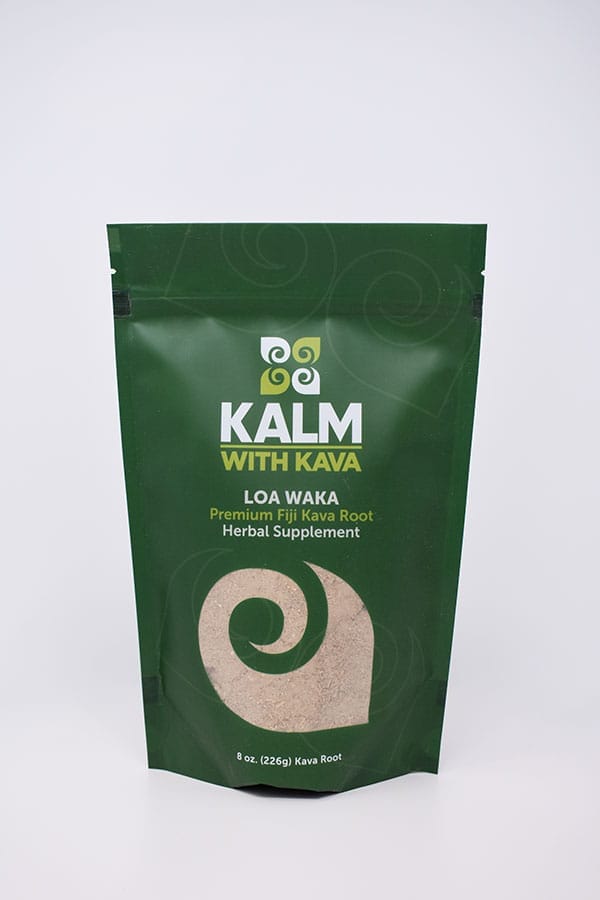
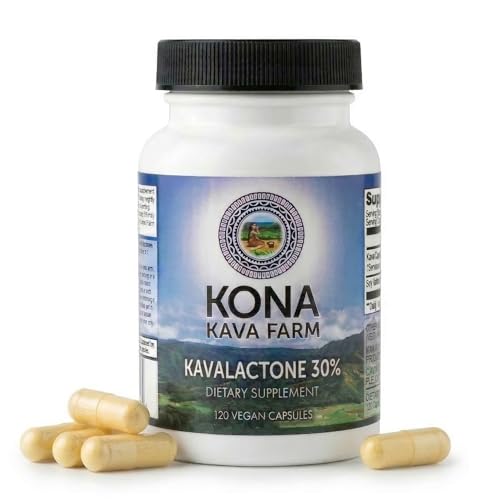
Whatever you decide, these are the kavas we recommend: lab report read, kavalactones verified, ranked by cost per 100 mg. Live price check on each.




As an Amazon Associate we may earn from qualifying purchases, at no cost to you. 21+.
Tier 1 — What almost everyone notices: the tingle [common]
| Effect | Tier | Who meets it | The fix |
|---|---|---|---|
| Numb, tingly mouth | Common | Almost every drinker | None needed; fades within minutes |
| Nausea / mild GI upset | Dose-dependent | Strong brews, empty stomach | Eat first; smaller, less concentrated serving |
| Drowsiness and sedation | Dose-dependent | Larger servings | Start low; never drive until you know the batch |
| Headache, dizziness | Dose-dependent | Less common, tied to overdoing it | Eases as the dose comes down |
| Next-day grogginess | Dose-dependent / heavy-use | Very large doses, or tudei material | Smaller session; buy verified noble root |
| Kava dermopathy (kanikani) | Heavy-use | Heavy, daily, long-term drinkers | Cut back and build in days off; reversible over weeks |
| Persistent lethargy, low energy | Heavy-use | Very frequent drinkers | Reduce volume over time |
| Interactions (alcohol, sedatives, CYP450 drugs) | Caution | Anyone combining kava with them | No alcohol, no sedative stacking, clear medications with a pharmacist |
| Liver injury | Rare / contested | Case reports, heavily confounded | Noble root, water or quality-instant prep, no alcohol; stop and see a clinician at any warning sign |
If you drink kava, you will probably feel your mouth go briefly numb and tingly. This is the single most universal kava effect, and it is also the most benign. Kava's kavalactones have a mild local-anesthetic action — the same family of effect a dentist's numbing agent produces, at a far gentler scale — so as the drink passes over your tongue and lips, the surface tissue tingles and then goes a little numb. It is fast in and fast out, typically fading within minutes as the kava moves on to your stomach.
There is a name for this in kava culture — drinkers describe a good batch as making the lips and tongue "dance" — and a strong, immediate numbing is generally read as a sign the kavalactones are present and the prep was effective, not as a warning. Traditional preparation, which extracts more kavalactones into the water, tends to numb more than a weak instant drink. It is sensation, not damage.
Mitigation [common]: none needed — this is expected and harmless. If you simply dislike the feeling, sip more slowly, chase with a piece of fruit or a flavored mixer, or favor a lower-kavalactone instant over a heavy traditional brew. The numbness is not a reason to drink less kava; it's just kava working.
Tier 2 — Common and manageable: nausea, drowsiness, dose [dose-dependent]
The next tier is the one most people actually want help with, and the good news is that almost all of it is a timing-and-dose problem you can engineer your way out of.
Nausea and mild GI upset [dose-dependent]. Some drinkers feel queasy, especially on a strong traditional brew or an empty stomach. The documented pattern is consistent: nausea is most associated with higher doses and with drinking kava on an empty stomach. The fix is mechanical — eat first. A small meal before your bowl blunts the queasiness for most people, as does starting with a smaller serving and a less concentrated prep. Kava's earthy, peppery taste is itself part of the problem for sensitive stomachs, which is why mixers and lemon are traditional companions, not just flavoring.
Drowsiness and sedation [dose-dependent]. Kava's whole appeal — a calm, settled, unwound feeling — sits on the same spectrum as sedation, and at higher doses that calm tips into genuine sleepiness, heaviness, even mild muscle relaxation or a wobble. This is dose-dependent: a moderate evening bowl relaxes; a large one can put you down. That's a feature if you're winding down for the night and a hazard if you're about to drive. Do not operate a vehicle or machinery until you know how a given kava and dose affect you — potency varies batch to batch, and a stronger bag will surprise you.
Headache and dizziness [dose-dependent]. Less common, usually tied to overdoing it. They tend to track the same high-dose territory as the heavier sedation, and they ease as the dose comes down.
Tier 3 — What heavy, daily, long-term use brings [heavy-use]
This tier matters because it's where the scariest-sounding kava effect actually lives — and where it gets badly misread. These are effects documented in heavy, daily, long-term consumers (think the traditional Pacific drinker who has many bowls a day for years, or a Western drinker who's made kava an all-day habit), not in the person who has a couple of bowls a few evenings a week.
Kava dermopathy ("kanikani") [heavy-use]. The most distinctive heavy-use effect is a skin condition documented for decades among heavy Pacific Island kava drinkers: the skin — often on the palms, soles, forearms, shins and back — turns dry, flaky and scaly, resembling a mild ichthyosis. The Fijian term is kanikani. Two things are worth knowing and are well established in the dermatology literature: it is not itchy or inflamed (it's a dryness/scaling pattern, not an allergic rash), and it is reversible — it clears on its own when consumption drops or stops. Studies of heavy traditional drinkers have reported it commonly, with the great majority of cases resolving after cutting back. It tracks total long-term exposure, which is precisely why occasional drinkers essentially never develop it.
Lethargy, low energy, and reduced appetite/weight in heavy use [heavy-use]. Heavy-use studies and observations of very frequent drinkers have also noted next-day or persistent lethargy and lowered energy, and, in some heavy-consumption research, effects on appetite and body weight. Again the dose is the story: these are signals of sustained heavy intake, not of a normal evening bowl. They are the body's "you are drinking a great deal of this" feedback.
Tier 4 — The cautions that actually matter: medications & combinations [rare but consequential]
If there's one tier on this page to take genuinely seriously, it's this one. The interaction cautions aren't about kava being dangerous on its own — they're about what kava does alongside other things your liver is handling.
Alcohol [caution]. Don't stack kava and alcohol. Both lean on the liver and both are central-nervous-system depressants, so combining them compounds the sedation and is widely flagged as raising the strain on the liver. Kava is most appealing precisely as an alternative to a drink — use it that way, not as a chaser.
Sedatives, benzodiazepines, and sleep aids [caution]. Kava's relaxing effect adds to other sedating drugs — benzodiazepines (alprazolam, lorazepam, diazepam), "Z-drug" sleep aids, and similar. The documented risk of the combination is excessive sedation: grogginess, clumsiness, slowed reflexes, impaired coordination. This is the combination most associated with real-world incidents, so it's the one to avoid without a clinician's sign-off.
Anything the liver processes (the CYP450 issue) [caution]. Pharmacologically, kava is known to inhibit several cytochrome P450 (CYP450) enzymes — the liver's main drug-metabolizing machinery. That means kava can slow the breakdown of other medications that share those pathways, potentially raising their levels in the blood. The practical translation: if you take prescription medication — especially anything metabolized by the liver, anything sedating, or anything already flagged as hard on the liver — kava is not a "just try it" supplement.
Tier 5 — The rare and the contested: the liver question [rare/contested]
You cannot write an honest kava article without addressing the liver, and you cannot do it responsibly by either ignoring it or sensationalizing it. Here is the calibrated version.
What's real: there exists a set of case reports linking kava use to liver injury, and they were serious enough that several countries restricted or banned kava in the early 2000s before largely reconsidering. What's contested: why those cases happened. The most discussed explanations point away from quality noble root and toward confounders — concentrated solvent-based extracts rather than traditional water preparation, the use of non-root plant parts (leaves and stem peelings, which carry compounds the root doesn't), heavy poor-quality or tudei material, alcohol co-use, and pre-existing liver conditions. The traditional, water-based way the Pacific has consumed noble root for centuries does not carry the same signal in the same way.
We treat this as rare and unresolved rather than settled in either direction, because that's where the evidence honestly sits. It is not a reason to panic over an occasional bowl of quality noble kava; it is a strong reason to (a) buy verified noble root, not mystery extract, (b) never combine kava with alcohol or liver-stressing drugs, and (c) pay attention to your own body. We go deeper — including the warning signs and the extract-vs-root distinction — in kava and your liver.
What ISN'T a kava side effect (at normal noble doses) [the honest part]
A complete and honest list has to include the things people expect to be side effects but that the record doesn't support — because the absence is part of the picture.
A classic alcohol-style hangover [not documented at normal doses]. A defining feature of kava as an alcohol alternative is that a normal evening of quality noble kava does not leave you with the pounding-head, wrecked-stomach, dehydrated morning a night of drinking does. The big asterisk: this is a noble, normal-dose statement. Heavy doses and tudei material are a different story — tudei ("two-day" kava) is named for exactly the lingering, next-day heaviness it can produce, and a very large dose of any kava can leave you groggy the next morning. So "no hangover" is true for the kava you should be drinking, drunk the way you should drink it; it is not a free pass for huge doses or cheap mystery root. See noble vs tudei kava for why this distinction is the whole game.
A clear-cut physical withdrawal syndrome [not well documented]. Unlike alcohol or benzodiazepines, kava is not associated with a well-documented physical withdrawal syndrome or the kind of compulsive, escalating use those substances produce. The honest nuance: some discussion exists around mild psychological habit or minor effects after very heavy, prolonged use — but a sharp, dangerous withdrawal of the alcohol/benzo type is not part of kava's documented profile. As always, that's a statement about typical use, not a guarantee for every individual.
Ready to try one? Start with our verified picks
Wherever this guide landed you, these are the kavas our lab-report standard keeps ranking on top. Live price check on each.
As an Amazon Associate we may earn from qualifying purchases, at no cost to you. 21+.
Key terms
- Kava dermopathy (kanikani)
- A dry, flaky, scaly skin condition documented for decades among heavy daily kava drinkers, resembling a mild ichthyosis. The Fijian name is kanikani. It is notably not itchy or inflamed (it isn't an allergic rash) and it is reversible — it clears when consumption drops. It tracks heavy long-term exposure, which is why occasional drinkers essentially never develop it.
- Dose-dependent
- An effect whose presence and intensity scale with how much you take. Kava's nausea, drowsiness, headache and dizziness are dose-dependent — mild or absent at a moderate serving, more pronounced at a large one — which is why "start low and go slow" handles most of them.
- Reverse tolerance
- Kava's quirk of often feeling weak or underwhelming the first time and stronger on later sittings, the opposite of the usual tolerance pattern. It matters for side effects because it tempts newcomers to keep upping the dose in one session to chase an effect — which is exactly how you trip the dose-dependent nausea and sedation. Give a new kava a few sessions before judging it.
- CYP450 interaction
- Kava is known to inhibit several cytochrome P450 enzymes, the liver's main drug-metabolizing machinery. By slowing those pathways it can raise the blood levels of other medications that share them — the pharmacological reason anyone on prescription drugs (especially sedatives or liver-processed medications) should clear kava with a doctor or pharmacist first.
- Hepatotoxicity
- Toxicity to the liver. A set of case reports has linked kava to liver injury, prompting restrictions in the early 2000s; the cases are contested and most-discussed explanations point to extracts, non-root plant parts, poor-quality or tudei material, alcohol co-use, and pre-existing conditions rather than traditional noble-root preparation. We treat it as rare and unresolved — a reason for quality and caution, not panic.
Questions, answered
Why is my mouth numb after drinking kava?
Because kava's kavalactones have a mild local-anesthetic action — the same family of effect as a dentist's numbing agent, far gentler — so the tissue your drink touches tingles and briefly goes numb. It fades within minutes as the kava moves to your stomach, and a strong tingle is generally read as a sign the kavalactones are present and the prep worked, not as a problem. It's the single most universal kava effect and also the most harmless. If you dislike it, sip slower or chase with fruit or a mixer; there's nothing to treat. [common]
Why does kava make me nauseous?
Almost always one of two things: a strong brew, or an empty stomach. Nausea is most associated with higher doses and with drinking kava on an empty stomach, and the earthy, peppery taste doesn't help a sensitive stomach. The fix is mechanical — eat a small meal first, start with a smaller and less concentrated serving, and use lemon or a mixer if the taste is the trigger. If you've done all that and a particular bag still makes you ill, that's a reason to question the kava's quality, not to push through. [dose-dependent]
Why do I feel groggy the next day?
Next-day grogginess from kava is usually one of two things: too large a dose, or the wrong kind of kava. A very big serving of any kava can leave you heavy the next morning, and tudei ("two-day") kava is literally named for the lingering, draggy after-effects it can produce. Quality noble kava at a normal dose typically does not leave a hangover-style morning. So the fix is to drink less per session and to make sure you're drinking verified noble root, not cheap or mislabeled tudei material — our /journal/noble-vs-tudei-kava guide explains why that distinction drives almost everything on this list. [dose-dependent / heavy-use]
Can kava affect my skin?
Yes, but essentially only with heavy, daily, long-term use. Kava dermopathy — "kanikani" — is a dry, flaky, scaly skin condition documented for decades among very frequent traditional drinkers. Two reassuring facts are well established: it isn't itchy or inflamed (it's dryness/scaling, not an allergic rash), and it's reversible — it clears when you cut back. It tracks total long-term exposure, so occasional drinkers essentially never get it. If dry, scaly skin appears, treat it as a "you're drinking a lot" signal: reduce volume, build in kava-free days, moisturize, and it reliably resolves over a few weeks. [heavy-use]
Does kava interact with my medication?
It can, and this is the part of the topic to take seriously. Kava inhibits several CYP450 liver enzymes, so it can slow the breakdown of other medications and raise their levels in the blood. It also adds to the effect of other sedatives — benzodiazepines, sleep aids — and shouldn't be combined with alcohol. The practical answer: if you take any prescription medication, especially anything sedating or processed by the liver, clear kava with your doctor or pharmacist before trying it. A pharmacist can check it against your specific list in minutes. This isn't a boilerplate disclaimer — it's the actual right step. [caution]
When should I stop and see a doctor?
Stop kava and see a clinician at any sign of liver trouble — yellowing of the skin or eyes (jaundice), dark urine, unusual or persistent fatigue, nausea that won't quit, or pain in the upper-right abdomen. These are rare, especially with quality noble root at moderate doses, but they're the line where you put the bowl down and call a professional rather than waiting it out. More broadly: if anything about your reaction feels wrong, or if you take medications and haven't checked kava against them, that's a reason to talk to a doctor. Nothing in this article is medical advice — it's a guide to reading your own experience, and a real clinician outranks it every time. [rare/contested]
Keep reading
Is Kava Safe?
The bigger safety picture — what the record actually supports, calibrated and unsensational.
Kava and Your Liver
The liver question done honestly: the case reports, the extract-vs-root distinction, and the warning signs.
Kava Dosage Guide
How to dial in a serving — the single best way to avoid the dose-dependent half of this list.