Our Pick: Kavafied
Check PriceKava Gear: Strainer Bags, AluBalls & What You Actually Need (2026)
The complete list of equipment required to make traditional kava is shorter than most checkout pages want you to believe: a strainer bag, a bowl, and your own two hands. This is the gear guide written backwards — starting from the $0 setup that already works, through the one $25 kit that makes batches repeatable, to the single gadget that genuinely changed kava prep, and ending with a plain warning about the word 'kava' adding a 3x markup to ordinary kitchenware.
By The Kava Review DeskUpdated 2026-06-12~6 min read Ranked by the lab reportHow we research
 Best Value
Kavafied Kava Strainer Bag — Pro Grade
Kavafied · 4.5
$5–10 range typical (check the PDP)
Kava gear shopping has a dirty little structure to it: the people answering 'what do I need to make kava?' are usually the people selling the answer. So carts fill up with branded bowls, special cups, dedicated thermometers, and 'kava-grade' versions of things your kitchen already owns. Here is the truth a thousand years of Pacific practice settled long before e-commerce: traditional kava requires a porous bag, a vessel of warm water, and sustained pressure from human hands. Everything else is either a convenience (some of which are excellent) or a souvenir (some of which are beautiful). None of it is a requirement.
This guide sorts the whole category into four honest tiers. Tier zero costs almost nothing: clean hands, any large mixing bowl you own, and a nylon nut-milk bag — which is, screen-for-screen, the same 50–75 micron fine-mesh tool kava vendors sell, because straining almond pulp and straining root sediment are the same physics. Tier one is the proper kit: a purpose-made 75-micron strainer bag, a 0.1-gram kitchen scale, and (optionally) a cheap thermometer — about $25–30 once, and the difference between batches you guess at and batches you can repeat. Tier two is the AluBall, the one true gadget in kava, which compresses the 10-minute knead into about a minute of shaking. Tier three is the tanoa — the carved ceremonial bowl — which we'll praise honestly as the heirloom it is while being clear that it changes nothing about what's in your cup.
Two house rules before the picks. First, the numbers in this guide match our full prep guide — 1:10 root-to-water, 100–110°F warm (never boiling) water, a 10-minute knead, the second wash — because gear only matters in service of technique; if your batches are weak, read that guide before buying anything. Second, the usual lane markers: kava is a 21-and-up evening drink, it can cause drowsiness, don't drive after a session, and nothing here is medical advice — if you take medications, talk to your doctor first.
The short version
- You can start for $0-ish: clean hands, any large bowl, and a nylon nut-milk bag — typically 50–75 micron mesh, the exact screen window the kava community recommends — make full-strength traditional kava tonight.
- The proper kit is one purchase of about $25–30: a 75-micron kava strainer bag ($5–10), a 0.1-gram kitchen scale (~$12), and an optional instant-read thermometer — after which the only variable left is your knead.
- Micron numbers, decoded: 50–75 microns is the sweet spot — fine enough to keep grit out of the cup, open enough to squeeze through. Metal tea strainers are far too coarse; coffee filters are far too slow.
- The AluBall ($24.99) is the one kava gadget that earns its hype — a 60-second shake standing in for the 10-minute knead — and even Kavafied's competitors sell it. Run a second wash to close the strength gap.
- A tanoa bowl is a want, not a need: the carved ceremonial bowl makes kava night feel like an occasion and changes nothing about extraction. Buy it as the heirloom it is, never as 'required equipment.'
At a glance
| Setup | Cost | Brew quality | Effort | Check price |
|---|---|---|---|---|
| The $0 start — clean hands, any big bowl, a nut-milk bag | ~$5–9 if you don't own the bag | Full traditional strength — the knead does the work | 10-minute knead + a rinse | |
| The proper kit — 75-micron strainer bag + 0.1 g scale (+ thermometer) | ~$25–30, once | Full traditional strength, now repeatable batch to batch | Same 10-minute knead, zero guesswork | |
| AluBall — 700 mL shaker + patented brewing ball | $24.99 | Near-traditional with the second-wash shake | ~60 seconds of shaking, twice | Check Price |
| The heirloom tier — carved tanoa bowl + bilo shells | Varies widely by size and carving | Identical to a mixing bowl — it's ceremony, not extraction | Same knead, more occasion |
The four kava setups, honestly graded. Prices verified June 2026 where shown; the liquid in your shell is decided by technique, not spend.

Kavafied AluBall Kava Maker
Kavafied
The one kava gadget that earns its price — a 60-second shake replacing the 10-minute knead.
Our verdict: If kava gear has a hall of fame, it has one member. The AluBall — a patented perforated brewing ball inside a 700 mL shaker bottle — turns traditional prep's biggest barrier, the 10-minute knead-and-strain, into about a minute of one-handed shaking. At $24.99 it's the only gadget in the category we recommend without hedging, and the industry agrees: competing kava vendors stock it next to their own root. Just know the honest fine print — one shake runs lighter than one knead, and the fix is shaking twice.
Lab report: Hardware, not root — no COA applies. The load-bearing claims (patented brewing ball, "kava in less than 60 seconds") sit on the brand PDP; price verified June 2026.
Every other item in this guide is a version of cloth and bowl; this is the one genuine invention. The AluBall Kava Maker puts a patented brewing ball — perforated fine enough to hold root sediment back — inside a 700 mL shaker bottle. Scoop in medium-grind root, add 100–110°F water, shake hard for about sixty seconds, pour. The bottle is the strainer, your hands stay dry, and cleanup is knocking a puck of spent root out of the ball. We reviewed it at full length in our Kavafied review, and the conclusion bears repeating here: this is the best $25 a kava drinker can spend.
Two technique notes that aren't on the box: pack the ball loosely (a crammed ball shakes water around the root instead of through it), and buy at the source — Kavafied sells the kit at $24.99 while third-party shops drift toward ~$32. Replacement balls run $14.95 and fit most standard shaker bottles, so if you already own a protein shaker, the ball alone is the cheapest possible entry. The strongest endorsement remains the strangest one: Kavafied's competitors retail this gadget. Rivals don't sell your product unless the category has decided it's infrastructure.
Who should buy it
Buy the AluBall if the prep ritual is the thing standing between you and real kava — or if you already knead on weekends and want a weeknight method with no cleanup footprint. It's also the right gift for the kava-curious friend: self-explanatory in a way a strainer bag never will be.
What we don't like
Single-pass extraction runs lighter than a proper knead, and the marketing doesn't lead with that — the second wash is community lore, not box copy. The loose-packing technique is likewise underdocumented, and third-party retail markup on the identical kit makes shopping anywhere but the brand store a small tax.
- What's included
- 700 mL shaker bottle + one patented AluBall brewing ball
- Brew time
- About 60 seconds per shake; plan a second wash for full strength
- Best grind
- Medium grind — the ball is powder-agnostic across vendors
- Replacement ball
- $14.95, fits most standard shaker bottles
- Verified price
- $24.99 at the brand store, June 2026 (third-party shops run to ~$32)
What we like
- Compresses the 10-minute knead into ~60 seconds with dry hands
- So category-standard that competing kava vendors sell it
- Cheap to own, cheaper to maintain — $14.95 balls fit ordinary shakers
- Makes kava portable: bottle, root, any source of warm water
Worth noting
- One shake extracts less than one knead — the second wash is mandatory knowledge
- Loose-packing technique is essential and barely documented
- Bigger sessions want the $34.99 AluBall Pro instead

Bula Kava House Fijian Kava Strainer Bag
Bula Kava House
The actual cloth bags Fijians mix grog through — seven dollars, machine washable, the whole requirement.
Our verdict: This is the entire equipment list of traditional kava, sold honestly: a durable, colorful cloth strainer bag of the kind kava-loving Fijians actually use to mix their grog, for $7.00 from a Portland importer that's been in the kava trade for years. The weave is deliberately balanced — tight enough to keep your shell from turning to sludge, open enough to let the brew through and the knead work. When it gets grubby, you wash it with your laundry. There is no tier-one gear decision; there's just this and a bowl you already own.
Lab report: Hardware, not root — no COA applies. Price ($7.00) and product claims verified against the brand PDP, June 2026.
If the AluBall is kava's invention, this is kava's tradition, priced like a sandwich. The Fijian Kava Strainer Bag from Bula Kava House is the genuine article — the durable cloth bags used across Fiji to mix grog, imported and sold for $7.00. Drop in your 30–35 g of medium grind, submerge it in 500 ml of 100–110°F water, and knead for ten honest minutes. That's not the budget version of kava prep; that is kava prep, as practiced for centuries by the people who invented it.
Longevity is the quiet selling point: cloth bags like this survive months of hard kneading and wringing, and maintenance is literally a trip through the washing machine with your colors. Kalm with Kava runs a parallel option — their shop sells 6"×8" organic cotton muslin drawstring bags as the budget pick, plus 100-micron nylon synthetics — so if your root order is already headed there, add a bag to that cart instead. The principle, either way: the bag rides along with a root order and the shipping is amortized. Nobody should pay more in postage than the strainer costs.
Who should buy it
Buy this if you're making traditional kava and want the authentic, durable, zero-fuss version of the one tool the method requires — especially alongside a Bula Kava House root order, where it adds $7 to a cart you were already checking out.
What we don't like
The traditional Fijian weave passes more fine sediment than 75-micron nylon, so brews run siltier — authentic, but not for everyone. And cloth holds onto kava's aroma over time in a way synthetic mesh doesn't; the washing machine fixes it, a rinse won't.
- What it is
- Traditional Fijian cloth strainer bag — the kind used to mix grog in Fiji
- Verified price
- $7.00 at the brand store, June 2026
- Texture
- Balanced weave — strains grit, passes a little fine sediment (the traditional cup)
- Care
- Machine washable — the brand says to wash it with your colors
- Pairs with
- Any medium-grind root; 30–35 g per 500 ml warm water, 10-minute knead
What we like
- The complete traditional requirement for $7.00
- Authentic Fijian-style bag from a longstanding US importer
- Survives months of hard kneading; cleans in the laundry
- Rides along free-ish with a root order you were making anyway
Worth noting
- Siltier cup than fine nylon mesh — traditional texture isn't for everyone
- Cloth holds aroma between proper washes
- No micron spec — this is craft cloth, not lab mesh
Kavafied Kava Strainer Bag — Pro Grade
Kavafied
75-micron nylon monofilament — the kava-bar screen spec — built to take the hardest squeeze.
Our verdict: When you want the clean-cup version of traditional kava — full extraction, no silt — the spec to buy is 75-micron nylon monofilament, and Kavafied's Pro Grade bag is exactly that, marketed honestly as what kava bars use. Nylon mono mesh takes the brutal end-of-knead wring that eventually splits cotton seams, and it rinses clean instead of holding aroma. One transparency note in our own house style: the PDP is live, but we couldn't verify the brand-store price at our check, so we cite the $5–10 the strainer-bag category typically runs and tell you to read the page.
Lab report: Hardware, not root — no COA applies. The 75-micron nylon monofilament spec and "what kava bars use" positioning are stated on the brand PDP; we could not pin the brand-store price in our June 2026 checks, so we print the category range ($5–10) instead of a guess.
"Micron" is the only number on a strainer bag that matters, so decode it once: it's the size of the holes in the mesh, in thousandths of a millimeter. The kava community's settled window is 50–75 microns — fine enough that root grit stays in the bag, open enough that ten minutes of kneading actually pushes brew through. The Pro Grade strainer bag from Kavafied sits at exactly 75 microns, in nylon monofilament — single-strand mesh that doesn't fray, doesn't absorb, and is built, in the brand's words, to handle the strongest squeezes from veteran kava makers. It's the same screen philosophy kava bars run, which is why the cup comes out smooth instead of silty.
Within Kavafied's own wall of strainers, know the ladder: the Beginners Grade is 100-micron nylon (10"×12", drawstring — slightly coarser, slightly faster), the Pro Grade is this 75-micron workhorse, and the Seamless Pro adds a ring top and a stitch-free bottom so there's no seam to stress at the wring. All of them, like the AluBall, are powder-agnostic — they'll strain any vendor's grind for years. A strainer bag is the rare purchase in this hobby with no subscription, no refill, and no upgrade treadmill: buy one good 75-micron bag and the gear conversation is, for most people, permanently over.
Who should buy it
Buy the Pro Grade if you've decided traditional prep is your method and you want the clean-cup, kava-bar texture — or if a cotton bag has ever split mid-wring on you. It's the last strainer most people ever need to buy.
What we don't like
We couldn't pin the brand-store price at review time — check the PDP before assuming the category's $5–10 norm. And fine 75-micron mesh demands patience at the wring: the last squeeze through it is slower than through cloth, which is the price of a silt-free shell.
- Mesh
- 75-micron nylon monofilament — the community's ideal screen window
- Positioning
- "What kava bars use" — built for maximum-pressure squeezes
- Siblings
- Beginners Grade (100-micron, 10"×12") below it; Seamless Pro (ring top, no bottom seam) above it
- Price check
- Brand-store price not verified in our June 2026 snapshots — category runs $5–10; check the PDP
- Pairs with
- Any medium grind; identical 1:10, 100–110°F, 10-minute technique
What we like
- Exactly the 75-micron spec the kava community recommends
- Nylon monofilament shrugs off the hardest end-of-knead wring
- Rinses clean — no held aroma, no laundry trip
- A one-time purchase with no upgrade treadmill
Worth noting
- Brand-store price wasn't verifiable at our check — read the PDP
- Fine mesh wrings slower than traditional cloth
- A generic 75-micron nut-milk bag does ~90% of this job for less
More kava worth comparing
Beyond this guide: the highest-rated kava across every format, kavalactones verified, with a live price check on each.


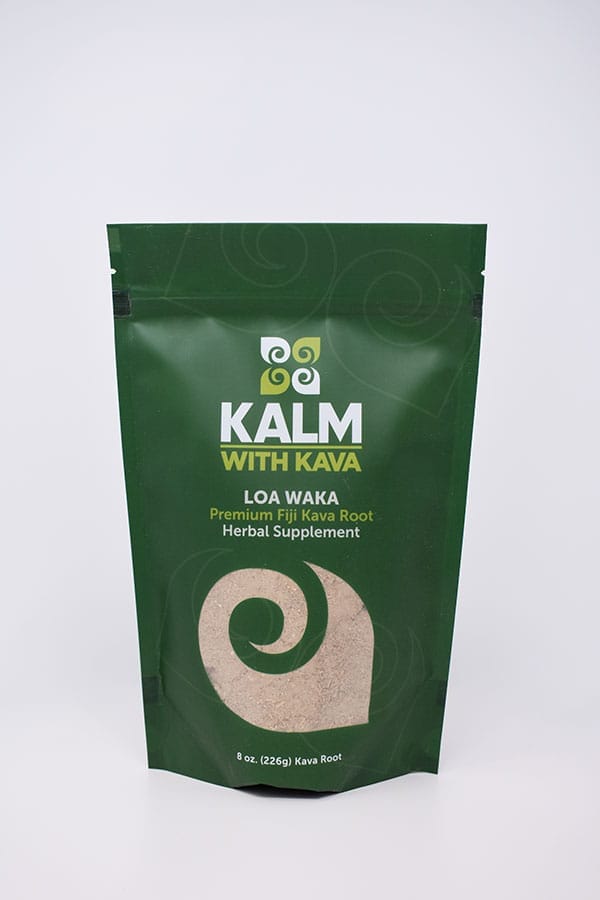


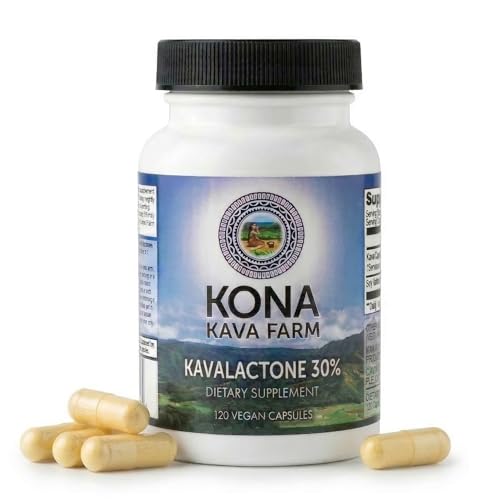
As an Amazon Associate we may earn from qualifying purchases, at no cost to you. 21+.
Quick shop: every pick
Skip the scroll: the whole lineup, with a live price check on each.
- Kavafied AluBall Kava MakerThe 60-Second BrewKavafied · $24.99Check Price
- Bula Kava House Fijian Kava Strainer BagThe $7 Traditional EssentialBula Kava House · $7.00Check Price
- Kavafied Kava Strainer Bag — Pro GradeThe 75-Micron UpgradeKavafied · $5–10 range typical (check the PDP)Check Price
How we chose
We start from the null hypothesis: you need nothing. Every item in this guide had to argue its way in against the centuries-old baseline — hands, bowl, cloth — and we say plainly which tier each product belongs to: requirement (the strainer bag, and that's the whole list), repeatability tool (scale, thermometer), convenience (the AluBall), or ritual (the tanoa). A gear guide that can't tell you what NOT to buy is a catalog.
Prices and product claims were verified in June 2026 against brand store pages and corroborating listings. Where we couldn't pin a number — Kavafied's Pro Grade strainer bag PDP is live, but its brand-store price didn't surface in our checks — we print the category range and tell you to check the page rather than inventing a figure. Micron specs come from the vendors' own published numbers and the kava community's long-settled 50–75 micron consensus.
Technique facts match our prep guide exactly — 1:10 root-to-water, 100–110°F, the 10-minute knead, the second wash — because gear advice that quietly contradicts prep advice is how readers end up blaming a $7 bag for a 2-minute knead. As always: experiential language only, no health claims, no invented test numbers.
Key terms
- Strainer bag
- The one true requirement of traditional kava prep: a fine-weave cloth or nylon bag ($5–10) that holds the grind while you knead, passing the kavalactone-rich brew and keeping grit out of the cup. Metal tea strainers are too coarse, coffee filters too slow.
- Micron
- The mesh-hole size of a strainer, in thousandths of a millimeter. The kava community's ideal window is 50–75 microns — fine enough for a clean cup, open enough to knead through. Nut-milk bags usually sit in exactly this range, which is why the budget hack works.
- AluBall
- Kavafied's patented perforated brewing ball inside a 700 mL shaker bottle ($24.99): about 60 seconds of hard shaking stands in for the 10-minute hand knead. The one genuine invention in kava gear — so category-standard that rival vendors sell it.
- Tanoa
- The traditional carved wooden kava bowl of Fiji and the western Pacific, often multi-legged and cut from a single piece of wood. In ceremony it's the centerpiece; in your kitchen it's a beautiful want, not a need — extraction is identical in any mixing bowl.
- Bilo
- The half-coconut-shell cup kava is traditionally served in — the original 'shell' that kava bars still name their servings after. Any small cup serves the same function; the bilo serves the occasion.
- Second wash
- Re-kneading (or re-shaking) the same spent root in fresh warm water and combining or drinking it as the session's later rounds. Free strength from root most people discard — and the standard fix for the AluBall's lighter single-pass extraction.
Questions, answered
Do I need special equipment to make kava?
One item: a strainer bag, $5–10. Traditional kava is medium-grind root kneaded inside a porous bag through warm water for about ten minutes, and the bag is the only piece of that sentence your kitchen probably lacks. The bowl is any large mixing bowl; the pressure is your hands; the water is tap-warm at 100–110°F, a temperature your wrist can judge. Everything else sold under 'kava gear' is either a convenience upgrade (the AluBall, a scale), a clean-cup refinement (75-micron nylon mesh), or ceremony (the tanoa and bilo). Useful, some of it — required, none of it. If a $7 bag feels like a commitment, check your kitchen drawer first: a nylon nut-milk bag already is a kava strainer.
Can I use a nut-milk bag to strain kava?
Yes — and this is the best-kept non-secret in kava gear. Nut-milk bags are durable nylon mesh, usually screened at 50–75 microns, which is precisely the window the kava community recommends for strainer bags; several Amazon listings are literally titled 'nut milk or kava strainer bag, 75 microns.' The physics of straining almond pulp and straining root sediment are the same. What a purpose-made kava bag adds is fit and durability at the margins: kava-sized dimensions, a drawstring positioned for kneading, and seams reinforced for the hard end-of-knead wring that eventually stresses a generic bag. Start with the nut-milk bag tonight; upgrade to a dedicated 75-micron bag when kava sticks.
What micron strainer bag is best for kava?
50–75 microns, in nylon — that's the long-settled community consensus, and 75 is the number you'll see on the best purpose-made bags, like Kavafied's Pro Grade (nylon monofilament, marketed as what kava bars use). The trade is intuitive once you see it: smaller numbers mean finer mesh, so below ~50 microns the brew wrings through too slowly, while well above 100 the cup picks up silt. Kalm with Kava's synthetic bags run 100 microns — a slightly coarser, faster-straining cup that's still firmly in the acceptable zone — and traditional Fijian cloth bags skip the spec entirely in favor of a weave that deliberately passes a little fine sediment, grog-style. Fine nylon for a clean cup, cloth for the traditional texture; both make real kava.
Is the AluBall worth it?
Yes — it's the only gadget in this guide, and the only one we recommend without conditions. For $24.99 you get a 700 mL shaker bottle and Kavafied's patented brewing ball, and the 10-minute knead-and-strain becomes roughly sixty seconds of shaking with dry hands and a thirty-second cleanup. The honest asterisk: one shake extracts less than one knead, so run the second wash — fresh warm water over the same ball, shake again, combine — to land near traditional strength. The strongest evidence isn't our rating; it's that competing kava vendors stock and sell the AluBall beside their own root. Our full teardown, including the $34.99 Pro and the brand's root powders, is in the Kavafied review.
Do I need a tanoa bowl to make kava?
No — and any vendor implying otherwise is selling you furniture. A tanoa is the traditional carved wooden bowl of Fijian and wider Pacific kava ceremony, and it does nothing chemically that your largest mixing bowl doesn't: extraction lives in the knead, the ratio, and the water temperature, all of which are bowl-agnostic. What a tanoa does change is the evening. Serving rounds from a hand-carved bowl into bilo shells turns kava night into an occasion, the way a teapot changes tea without changing it at all. Our advice: make it the heirloom you buy yourself after the ritual has earned a permanent place in your week — bundles like Kavafied's ceremony kit exist for exactly that moment — and never the first purchase.
Can I just use a blender instead of buying gear?
A blender replaces the knead, not the bag — so it shifts the work without shrinking the shopping list. The method is legitimate and kava veterans use it: blend your grind with 100–110°F water on high for 3–4 minutes, letting the blades supply the mechanical extraction your hands otherwise would, then pour everything through a strainer bag and wring hard, because blending puts all of the root's sediment into the liquid. Done right it rivals a solid hand-knead in a quarter of the active time, at the cost of a siltier texture and a blender to wash. Mind the heat — friction warms the batch, and you want to stay under the ceiling that degrades kavalactones. If the appeal is 'machine does the work,' the AluBall gets you there with far less cleanup.
Filed under Buyer's Guide
Part of Powders & Traditional
Keep reading
How to Make Kava
The technique this gear serves — exact ratios, the temperature window, the 10-minute knead, and the second wash.
Kavafied Review
The AluBall company at full length — the gadget, the Pro, and whether the brand's root earns the same cart.
Best Kava Powder
Where the money you saved on gear should actually go — the importers and roots worth kneading.