Kava Bar Etiquette: How to Drink Like a Regular (2026)
Every kava bar has two sets of rules: the ones on the menu and the ones in the room. The first set is easy. This guide is the second set — how to order your first shell without a script falling apart, when to say the toast and whether to clap, why the room is quieter than you expected, what to tip the person behind the bowl, and the handful of things that mark someone as not getting it. None of it is hard. All of it is learnable in one read.
By The Kava Review DeskUpdated 2026-06-12~6 min read Ranked by the lab reportHow we research
Walk into a kava bar for the first time and you'll notice something is off — pleasantly off. It looks like a bar: stools, taps, a person mixing things behind a counter. But the volume is wrong for a bar. Nobody is shouting over music. Nobody is three deep waving a card at the bartender. Someone in the corner has a laptop; someone at the bar is forty minutes into a conversation with a stranger; and every so often the whole room raises coconut shells, says a word in Fijian, and drinks together. The shape is bar; the operating system is something else.
That operating system is what this guide teaches. Kava bars grew out of Pacific drinking traditions where the bowl is communal, the pace is unhurried, and the room is held together by mutual courtesy — and even the most strip-mall American kava bar inherited that DNA. The etiquette that follows isn't a list of ways to avoid embarrassment (kava bars are famously forgiving of beginners; telling the kavatender it's your first time is the single best move you can make). It's a description of how the room actually works, so you can stop decoding it and start enjoying it.
We'll take it in the order you'll meet it: walking in and ordering, the toast and the clap question, how fast to drink and how loud to be, what to tip and how regulars are made, and the short list of genuine don'ts. By the end you'll know more about the unwritten rules than most people on their tenth visit — and you'll understand why the rules exist, which is the part that actually makes you look like a regular.
The short version
- Say it's your first time. Kavatenders are the friendliest sommeliers in the beverage world, and "I've never had kava — what should I start with?" is the script. Every beginner guide agrees: ask, and you'll be handed the right first shell.
- Follow the house on the toast. Most American kava bars toast with "Bula!" before drinking; some traditional spots keep a version of the Fijian cupped-hand clap (the cobo). You're never required to perform anything — raise your shell, say it with the room, drink.
- Kava bars run on pacing, not rounds. The traditional move is to finish a shell in one go when it's served, then take real time — 15 to 30 minutes — before the next one. Nobody pressures the next round, and you shouldn't either.
- Tip like it's a bar, because it is. Kavatending is service work: shells run roughly $5–12, and standard bar tipping (a dollar or two per shell, or 15–20% on a tab) is the norm and is genuinely appreciated.
- The room stays mellow on purpose. Kava bars are conversation-volume spaces — closer to a living room than a sports bar. The fastest way to mark yourself as a tourist is to bring dive-bar energy (or outside alcohol — most kava bars are proudly dry).
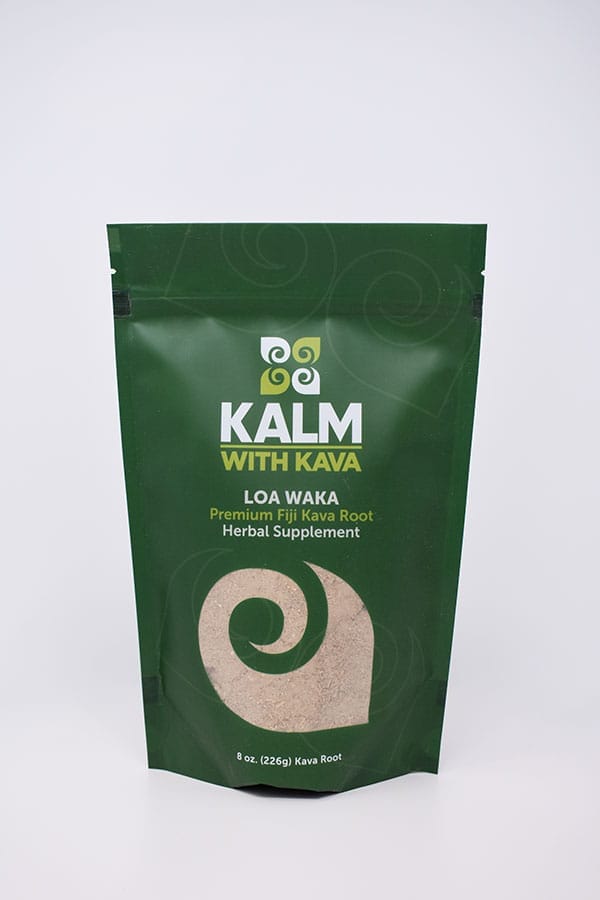
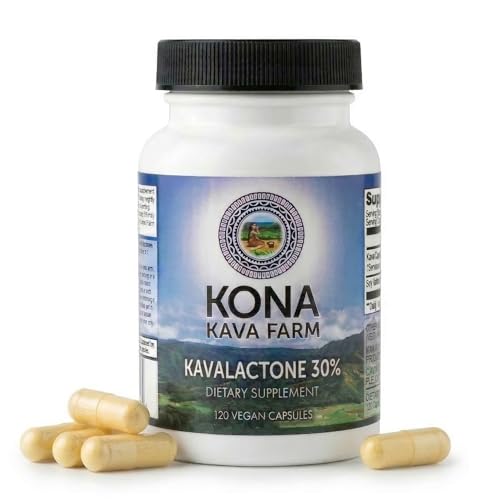
Our top-rated kava
Whatever you decide, these are the kavas we recommend: lab report read, kavalactones verified, ranked by cost per 100 mg. Live price check on each.




As an Amazon Associate we may earn from qualifying purchases, at no cost to you. 21+.
Walking in: where to sit and what to say
There's no host stand and no protocol for entry — a kava bar works like a coffee shop with a bar's geography. Sit at the bar if you're new. That's not just permission; it's advice. The bar is where the kavatender works, where the regulars perch, and where the institution's whole social engine runs. Tables are for groups and laptops; the bar is where you learn the place.
Then use the script, which is one sentence: "It's my first time with kava — what do you recommend?" Every credible first-timer guide, from Bula Kava House's on down, gives the same instruction, because it works. Kavatenders field this question daily and enjoy it. You'll likely be offered a single shell — the standard serving, usually in an actual half coconut shell or a cup standing in for one — of a milder, well-liked house kava, possibly with a juice chaser, because kava's earthy taste is the one hurdle everyone admits to. (We've made the case that the taste is a feature once you understand it, but nobody's first shell needs to be a purity test.)
One thing you'll notice immediately: the kavatender will probably chat with you. This is normal and, frankly, the point. Kava bars are third places — not home, not work — and the person behind the bowl is the mayor of the room. Answer the questions, ask your own, and you've already done most of the etiquette in this guide.
The toast: when in Rome, follow the house
At some point — usually right before you drink — the toast happens. At most American kava bars the word is "Bula!": shells come up, somebody says it, everybody says it, everybody drinks. The word is Fijian, it literally means life, and saying it over a drink is wishing life and health to the people drinking with you — which is why it works so well as a toast and why we gave it its own full explainer. Read that one before your visit if you want to know exactly what you're saying; the short version is that saying it warmly is welcome, and the only wrong bula is a mumbled or mocking one.
The clap question is where houses diverge, and the rule is simple: follow the house custom. Some traditional-leaning bars keep a version of the Fijian cobo — a single deep, cupped-hand clap before the shell, sometimes claps after — straight from the kava-circle protocol it comes from. Plenty of bars skip the clap entirely and keep only the toast. A few skip both and just serve you a drink. None of these is more correct than the others in an American storefront; the house's version is the correct version, in that house.
And if you're drinking solo at an off-hour with no round to join? Many regulars still say a quiet bula before the shell, the way you might say cheers to no one in particular. Optional, pleasant, and a small tell that you know what the word means.
Pacing and volume: the two norms that define the room
Here's the pacing rule, and it has two halves that sound contradictory until you see them together. The shell itself is traditionally finished in one go — in the Fijian circle the bilo is drained, not nursed, and most kava bars inherit that: when the round toasts, you drink yours down. But the evening is paced slowly. Kava's effects build gradually — most people notice the relaxed, sociable shift somewhere in the 15-to-30-minute range — so the etiquette is to give each shell that time before ordering the next. As Elixart's etiquette guide puts it, kava is not a shot culture; it's a pacing culture. Down the shell, then sit with it. (Our dosage guide covers the start-low, wait, reassess logic in detail.)
This is also why nobody pressures rounds at a kava bar — there's no "next one's on me, keep up" culture, because keeping up isn't the activity. Two or three shells across a long evening is a completely normal session. If a companion wants to stop at one, that's the end of the conversation. The bar's whole rhythm is built on the assumption that people are listening to themselves rather than to a round-buying schedule, and it's one of the things people who are tired of alcohol bars say they love most about the format.
The laptop question fits here too: daytime kava bars are largely laptop-friendly — many double as remote-work spots with Wi-Fi and outlets and are happy to have you camp with a shell the way you would with a latte. Evenings shift social at most houses; a laptop open at the bar during the Friday-night rush reads the way it would at any bar. Read the room, and when in doubt, ask the kavatender — they will tell you exactly what the house culture is.
Tipping and the long game: how regulars are made
Tipping first, because it's the most-asked question with the simplest answer: yes, tip — like a bar, because it is one. Kavatending is service work: your kavatender is preparing servings, managing a room, doing kava sommelier duty for every first-timer, and frequently functioning as the social glue of the whole establishment. A dollar or two per shell, or 15–20% on a card tab, is the standard. If a kavatender spent ten minutes walking you through the menu and matched you to the right first shell, tip like someone just did you a favor — because they did.
Now the part nobody writes down: how regulars are actually made. It isn't volume, charisma, or kava trivia. The consensus across the kava-bar world is almost boringly simple: regulars are the people who show up consistently, respect the space, and bring good energy. Go at roughly the same time each week and the faces repeat; the kavatender learns your name and your usual; the conversations pick up where they left off. Third places are built by repetition — that's the entire mechanism.
One more regular-culture note: kava bars skew genuinely mixed — students next to nurses next to people two years sober next to a guy who just likes the taste. Part of respecting the space is not assuming anyone's reason for being there. Plenty of patrons chose a kava bar precisely because it isn't an alcohol bar, and the etiquette is to let that be unremarkable.
The don'ts: a short list, sincerely meant
The don'ts of kava-bar culture are few, and every one of them traces back to the same root: this is not a dive bar, so don't operate it like one.
Don't bring in outside alcohol — or arrive loaded. Most kava bars are dry bars, proudly and on purpose: the entire premise is a social space that works without alcohol, and many patrons are there specifically for that. Sneaking a flask in, spiking a shell, or showing up drunk isn't just against house rules nearly everywhere — it insults the room's reason for existing. (Mixing kava and alcohol is also a genuinely bad combination on its own terms; we've covered why in depth.)
Don't pressure rounds — anyone's. Not your friend's ("come on, one more"), not your own. The no-pressure norm is structural, as covered above, and violating it is the most reliable way to read as someone who wandered in from a different kind of bar.
Don't treat the shell like a shot at the rail. Yes, you drain it — but draining it, slamming the shell down, and barking for the next one misreads the entire transaction. Finish the shell, then settle in. The space between shells is the product.
Notice what's not on the list: clapping wrong, mispronouncing bula, sipping when others drain, asking too many questions, or admitting you have no idea what micronized means. Kava bars are among the most beginner-tolerant rooms in hospitality. The don'ts protect the room's character; honest beginner fumbling has never threatened it.
Your first shell, step by step
- 1
Sit at the bar and say it's your first time
Take a seat at the bar rather than a table — that's where the kavatender works and where new people learn the house. Open with the one-sentence script: "It's my first time with kava — what do you recommend?" You'll be steered to a milder, well-liked house kava, often with a juice chaser for the earthy taste.
- 2
Confirm the price and order one shell
Shells typically run $5–12. Order a single shell to start — not a flight, not a double. One shell is a complete first experience, and the menu will still be there in half an hour.
- 3
Wait for the toast and follow the house
When shells go up, raise yours. If the room says "Bula!", say it with them; if the house keeps a clap (the cupped-hand cobo at traditional spots), clap when they do. If there's no ritual at all, just drink. Watching one round before performing anything is always correct.
- 4
Drink the shell down, then give it time
The traditional move is to finish the shell in one go rather than nurse it — expect a brief tongue-tingle and an earthy, peppery taste. Then settle in for 15–30 minutes before deciding on a second. The pause between shells is the pacing culture, not dead time.
- 5
Tip, thank, and note what you drank
Tip like you would at a bar — a dollar or two per shell or 15–20% on the tab. Thank the kavatender (vinaka, if the house leans traditional), and ask what cultivar you just drank so you can order it — or steer away from it — next visit. That question is how regulars are born.
Ready to try one? Start with our verified picks
Wherever this guide landed you, these are the kavas our lab-report standard keeps ranking on top. Live price check on each.
As an Amazon Associate we may earn from qualifying purchases, at no cost to you. 21+.
Key terms
- Shell
- The standard kava-bar serving — traditionally a half coconut shell (the Fijian bilo), often a cup standing in for one. Usually $5–12, customarily finished in one go rather than sipped, with real time taken between shells.
- Kavatender
- The person behind the bowl: part bartender, part kava sommelier, part mayor of the room. The single best resource a first-timer has — telling them it's your first visit is the universally recommended opening move.
- Cobo
- The Fijian cupped-hand clap from the traditional kava circle — one deep, deliberate clap before receiving the shell, more after returning it. Some traditional-leaning kava bars keep a simplified version before the toast; many skip it. Follow the house.
- Round
- A shared toast-and-drink moment when the room (or your group) drinks together. Unlike alcohol-bar rounds, nobody is obligated to keep pace or buy the next one — the no-pressure norm is one of kava culture's defining features.
- Dry bar
- A bar that serves no alcohol — which describes most kava bars, by design rather than by limitation. The format exists to offer bar-style social life without drinking, and bringing outside alcohol in is the cardinal violation of the space.
Questions, answered
Do I have to clap before drinking?
No. The clap — the Fijian cupped-hand cobo, one deep clap before the shell and more after — belongs to the traditional kava circle, and some traditional-leaning American kava bars keep a simplified version of it around the toast. Many bars keep only the "Bula!" toast, and some keep no ritual at all. The rule that covers every case: watch the kavatender and the regulars for one round, then do what they do. If the house claps, clap with them — cupped hands, one deliberate clap, not applause. If nobody claps, a raised shell and a "Bula!" said with the room is full participation. Nothing is required, and nothing is graded.
Do I tip at a kava bar?
Yes — tip the way you would at any bar, because kavatending is service work. A dollar or two per shell for cash orders, or 15–20% on a card tab, is the standard, and it's genuinely appreciated rather than merely expected. Tip on the higher side when the kavatender has done real work for you: walking a first-timer through the menu, matching you to the right kava, or anchoring an hour of conversation is exactly the kind of service tipping exists to recognize. Shells run roughly $5–12, so even a generous tip keeps the evening around a modest bar tab.
Can I sip my kava slowly, or do I have to chug it?
You can sip — nobody will police your shell — but it's worth knowing the custom and the reason behind it. Traditionally the shell is finished in one go: in the Fijian circle the bilo is drained, not nursed, and most kava bars inherit that move at the toast. The practical reason is taste — kava is earthy and peppery, and a steady drink-it-down gets you to the pleasant after-effects faster than twenty grimacing sips. The pacing happens between shells, not within one: finish the shell, then take 15–30 minutes before considering the next. If you genuinely prefer to sip, order something built for it — most kava bars offer mixed kava drinks and teas that are meant to be lingered over.
What should I order first?
Don't decide — delegate. Tell the kavatender it's your first time and ask what they recommend; this is the universally advised script, and it works because matching beginners to the right first kava is a core part of the job. You'll typically be offered a single shell of a milder, well-liked house kava, often with a juice chaser for the earthy taste. If you want to sound a notch more prepared, ask whether the house pours lean heady (lighter, more sociable) or heavy (more physically relaxing) and say which direction appeals. Start with one shell, give it 15–30 minutes, and let the second order be an informed one.
Can I bring a loud group?
You can bring a group — kava bars are social spaces and groups are welcome — but calibrate the volume to the room, not to what a Friday bar crawl expects. Kava bars run at conversation level: lively talk and laughter are the norm, table-slamming and shouting are not, and the mellow register is precisely what most patrons came for. A good practice for groups is to take a table rather than colonizing the bar, keep the energy at the level you found when you walked in, and remember that nobody in your group is obligated to keep pace on shells — round-pressure is poor form here even among friends. If your crew wants a rowdy night, a kava bar is the wrong venue; if it wants a long, easy, talk-heavy one, it's the best venue in town.
Is it okay to work on my laptop at a kava bar?
Usually yes — during the day. Many kava bars deliberately court remote workers with Wi-Fi, outlets, and coffee-shop hours, and a laptop open over a slow shell in the afternoon is completely at home; some houses function as de facto coworking spaces until evening. The shift happens at night, when most kava bars turn social — music up slightly, regulars in, rounds toasting — and a glowing laptop at the bar reads the way it would at any bar. The etiquette is to read the room: if half the bar is on screens, you're fine; if it's all conversation, close the lid or take a corner table. And when in doubt, ask the kavatender — every house knows its own culture and will tell you straight.
Keep reading
Kava Bars Near You: Every City Guide
The national directory: all 37 verified city guides grouped by state, plus what to order, shell prices, and etiquette.
What Is a Kava Bar?
The companion primer: what kava bars are, what's on the menu, and why they're everywhere now.
What Does 'Bula' Mean? The Word, the Toast, the Protocol
The toast, fully explained — what you're actually saying when the shells go up.
Kava Dosage: How Much, How Strong, How Often
The start-low, wait, reassess logic behind the pacing culture — with real numbers.