What Does Bula Mean? Bula & Bula Bula, Explained
It's the first word you'll hear in Fiji and the last word said before a shell goes up at half the kava bars in America. "Bula" literally means life — and saying it to someone is wishing them exactly that. Here's what the word means, how Fijians actually use it, the clap-and-shell protocol it lives inside, and how to say it at a kava bar like someone who knows what they're saying.
By The Kava Review DeskUpdated 2026-08-03~5 min read Ranked by the lab reportHow we research
Spend ten minutes in Fiji — or ten minutes in an American kava bar — and you'll hear it: bula. Pronounced "BOO-lah," it's the most common word in the Fijian language's public life, and it does more work than "hello" ever has. The literal meaning is life. When a Fijian says bula to you, the word underneath the greeting is a wish: health, life, good things to you. That's why it lands so warmly, and it's why the word followed kava out of the Pacific and onto every kava bar menu from Florida to Portland.
But bula isn't just a greeting — it's also the word said over a shell of kava, embedded in a small, precise protocol of cupped-hand claps and shared bowls that Fijians have kept for centuries. American kava bars borrowed the word as a toast, the way "cheers" works over beer, and most of them will tell you so. The difference between saying it well and saying it awkwardly isn't pronunciation. It's knowing what you're actually saying.
This is the short cultural explainer we wish every kava bar handed out with the first shell: the word's literal meaning, the everyday Fijian usage versus the kava-circle usage, the cobo clap protocol around a shell, what Fiji's neighbors say instead, and a five-word phrase-book so you can arrive, drink, thank your host, and leave — all in Fijian. No products in this one. Just the word, treated with the respect it's owed.
The short version
- Bula literally means "life" in Fijian. Used as a greeting, it's a wish for health and life — closer to a blessing than a "hello." The fuller forms are bula vinaka (roughly "good life/health") and the more formal ni sa bula.
- In the Fijian kava circle, the word sits inside a protocol: clap once with cupped hands (the cobo), receive the bilo (coconut-shell cup) with both hands, say "Bula!", drain it in one go, return it, and clap again — then vinaka (thank you).
- Bula is specifically Fijian. Samoa's 'ava ceremony has its own words (ia manuia — "be blessed/prosperous" — answered with soifua, "may you live"), and Tonga's kava tradition is its own world entirely.
- US kava bars adopted bula as the house toast — shells up, "Bula!", drink. Saying it as a guest is welcome, not appropriation; the whole point of a toast that means "life" is that it's meant to be shared. Knowing what it means is what separates warm from cringe.
Our top-rated kava
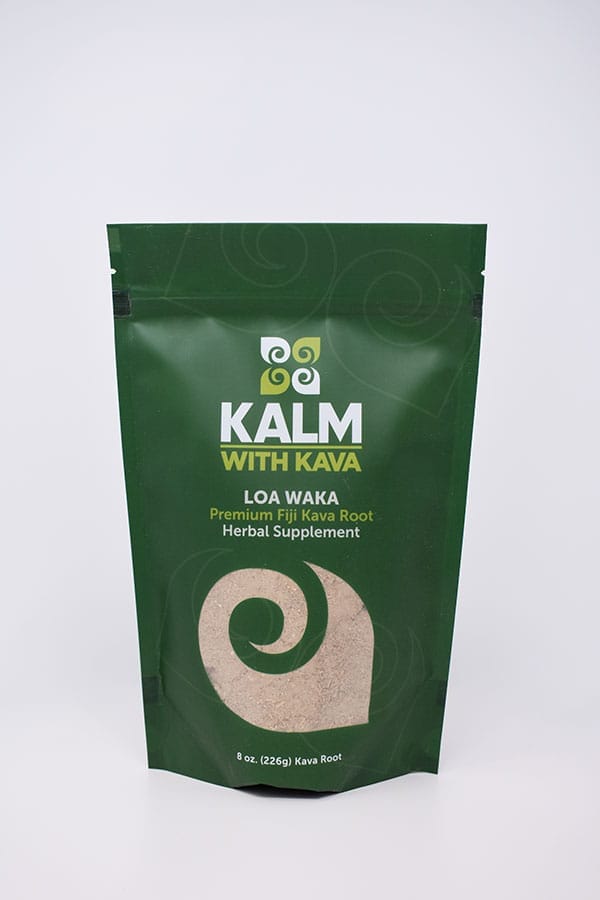
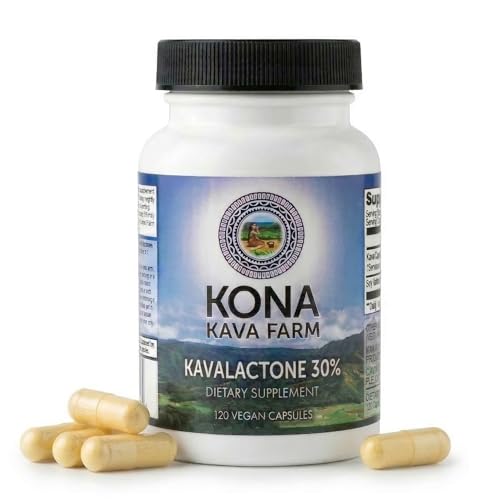
Whatever you decide, these are the kavas we recommend: lab report read, kavalactones verified, ranked by cost per 100 mg. Live price check on each.




As an Amazon Associate we may earn from qualifying purchases, at no cost to you. 21+.
The word itself: "life," said as a gift
Fijian-language guides — from Tourism Fiji on down — all open with the same fact: bula literally translates to "life." As a greeting, it carries the wish along with it. Say bula to someone and you are, in the old sense of the word, wishing them life and good health. That's a different transaction than "hello," which wishes nothing in particular. It's part of why first-time visitors to Fiji come home talking about the greeting as much as the beaches: you get bula'd by everyone, constantly, and every one of them is technically blessing you.
The word scales up with formality. Bula vinaka adds vinaka — "good" — so the greeting becomes something like "good health to you," a touch warmer and more complete. (The phrasing comes from the Bauan dialect, which became the standard register of Fijian.) Ni sa bula is the more formal version — the one you'd hear as an official welcome, addressed to someone owed extra respect, or to a group. A visitor needs exactly none of this gradation to get by; plain bula, said warmly, is correct in essentially every situation. But it helps to recognize the longer forms when they're aimed at you.
And the reply? Just say it back. Bula answers bula; bula vinaka answers it even better. The exchange is symmetrical on purpose — you were wished life, so you wish it back.
The kava circle: cobo, bilo, bula — the protocol around a shell
In Fiji, kava — there called yaqona (say "yang-GO-na") — is the national drink and the centerpiece of welcome ceremonies, weddings, village visits, and ordinary evenings alike. The drink is mixed in a large wooden bowl called a tanoa and served in a half coconut shell called a bilo, and the moment of drinking comes wrapped in a short, exact protocol that guides like Tourism Fiji's spell out for visitors, because visitors are genuinely expected to take part.
Here's the shape of it. When the bilo comes to you: clap once — this is the cobo (the Fijian "c" sounds like the "th" in "this," so it's roughly "THOM-bo"), a single loud, deep clap made with cupped hands, deliberate and resonant, nothing like polite applause. Then receive the shell with both hands, say "Bula!" — and drink it down in one go. Sipping is the faux pas; the shell is a single draught, not a beverage to nurse. Hand the bilo back, then cobo again — commonly three times in formal settings — and say vinaka: thank you. The senior or honored person present drinks first, and the shell moves through the circle in order of standing.
One more piece of context worth knowing: when visitors arrive at a Fijian village, custom asks them to present a gift of yaqona root — the sevusevu — which the hosts then prepare and share in exactly this way. The kava circle isn't entertainment laid on for tourists; it's how welcome is formally done. The clap, the shell, the word — all of it is hospitality with a grammar.
Next door in the Pacific: what Tonga and Samoa say instead
A respectful explainer has to draw one line clearly: bula is Fijian. Kava itself belongs to a whole arc of Pacific cultures — Vanuatu, Fiji, Tonga, Samoa, and beyond — but each tradition has its own ceremony, its own vessels, and its own words, and they are not interchangeable.
In Samoa, the drink is 'ava, and the 'ava ceremony is among the most formal occasions in Samoan culture — cups distributed in strict order, every role named. The words said over the cup are different and lovely in their own right: the recipient calls "ia manuia" — roughly "be blessed," "be prosperous" — and the assembly answers "ia manuia" or "soifua," which means "may you live." Notice the rhyme with Fiji: a different language, the same instinct — the word spoken over kava is a wish for life.
In Tonga, kava runs from the most sacred to the most social register. At the sacred end sits the taumafa kava, the royal kava ceremony — the rite at which Tongan kingship itself is formally conferred, dense with titles and protocol. At the everyday end is faikava ("doing kava"), the kava club: men gathered around the bowl for hours of talk and song, an institution Tongan communities carried with them into the diaspora. Tongan kava culture is its own deep subject — we give it proper space in our history and ceremony guide — but the point for this article is simple: you wouldn't say bula over a Tongan bowl any more than you'd say "sláinte" in Lisbon.
The kava-bar toast: saying it like you know what it means
When kava crossed into American storefronts — the first wave in Florida, then everywhere — the word came with it. Kava bars from Portland's Bula Kava House (the name itself is the greeting) to a hundred strip-mall nakamals adopted bula as the house toast: shells come up, somebody says it, everybody says it, everybody drinks. Kava-bar explainers are upfront that this is a borrowed Fijian custom used "the way 'cheers' works" — a friendly ritual that honors where the drink comes from and stitches a room of strangers into a round.
So: is it okay for you — very possibly not Fijian — to say it? Yes, plainly. Fijians greet visitors with bula approximately every forty seconds; it is a word built for giving away. Kava-bar staff will toast you with it on your first visit. The difference between the guest who says it warmly and the guest who makes it weird is not ancestry. It's meaning it. "Bula" said as a wish — life, health, good things, to the people drinking with you — lands exactly as intended. "Bula" performed loudly as costume, with a fake accent and a wink, is the cringe version, and now you know precisely why: you'd be playing a blessing for laughs.
And when you head out, you've got options: vinaka to the server who poured for you — thank you — and moce ("MO-they"; that Fijian "c" again) to the room. Goodbye. Four words — bula, vinaka, kerekere, moce — and you can conduct an entire evening's courtesy in Fijian. That's a better souvenir than the t-shirt.
One last thing, since the word usually arrives with a shell in hand: if hearing bula at a kava bar left you curious about drinking kava at home, start with a kava worth the toast. Our best kava for beginners guide covers the friendliest first bottles and bags, and our best kava brands ranking names the houses, several of them Fijian-rooted, that actually show you what is in the bag. Bula means life; the least a first kava can do is come from somewhere honest.
Ready to try one? Start with our verified picks
Wherever this guide landed you, these are the kavas our lab-report standard keeps ranking on top. Live price check on each.
As an Amazon Associate we may earn from qualifying purchases, at no cost to you. 21+.
Key terms
- Bula
- The Fijian greeting, literally "life." Said to someone, it's a wish for health and life — and over a shell of kava, it functions as a toast. Pronounced "BOO-lah," delivered warmly and at full voice.
- Bula vinaka
- The fuller greeting: bula ("life") plus vinaka ("good") — roughly "good health to you." A warmer, more complete bula, from the Bauan dialect that became standard Fijian. The formal welcome is ni sa bula.
- Cobo
- The Fijian cupped-hand clap (roughly "THOM-bo" — the Fijian "c" sounds like the "th" in "this"): one loud, deep, deliberate clap before receiving the kava shell, and more after returning it. Nothing like polite applause — it should resonate.
- Bilo
- The half coconut shell that kava is served in throughout Fiji — received with both hands and drained in one go, not sipped. The communal mixing bowl it's filled from is the tanoa.
- Moce
- Fijian for "goodbye," pronounced "MO-they" — the Fijian "c" is a "th" sound. The natural last word of a kava-bar visit, paired with vinaka ("thank you") on the way out.
Questions, answered
What does "bula bula" mean?
It is the same greeting, doubled for warmth. Fijians often repeat the word ("bula bula!") as an especially friendly, enthusiastic hello, the way English speakers might say "hey hey!" The single word literally means "life," so the doubled form is essentially wishing someone extra life and health. You will hear both forms constantly in Fiji and at American kava bars; neither is more correct, though the doubled version reads as more casual and exuberant.
What does bula literally mean?
Life. Bula is the Fijian word for life, and as a greeting it carries that meaning along with it — saying bula to someone is wishing them life and good health, which is why Fijian-language guides describe it as closer to a blessing than a simple "hello." The fuller forms build on the same root: bula vinaka adds vinaka ("good") for something like "good health to you," and ni sa bula is the more formal register used for official welcomes or as a mark of respect. It's pronounced "BOO-lah," with the stress up front, and it's meant to be said warmly — in Fiji, a mumbled bula is the only incorrect one.
When do I say it at a kava bar?
At the toast — which at most American kava bars happens right before everyone drinks. Shells come up, someone (often the bartender) says "Bula!", the room echoes it, and everyone drinks. If you're drinking solo, plenty of regulars still say it quietly before their shell, the way you might say cheers to no one in particular. You can also use it as a plain hello walking in — that's its original job, after all. The simple rule: when shells go up, raise yours, say it with the room, and drink. If you're new, follow the lead of the staff; every beginner's guide to kava bars says exactly that, and it works.
Do I have to clap?
No — but it's welcome where it's the custom, and it's worth knowing where the clap comes from. In the Fijian kava circle, the protocol is precise: one loud cupped-hand clap (the cobo) before receiving the bilo, say "Bula!", drain the shell in one go, return it, and clap again — three times in formal settings — with a vinaka (thank you). Some American kava bars keep a simplified version, often one clap together before drinking and a couple after; many skip it entirely and just keep the toast. So read the room: if the house claps, clap with them — cupped hands, one deliberate clap, not applause. If nobody claps, a "Bula!" and a drained shell is full participation. Nothing is graded.
Is it disrespectful for non-Fijians to say bula?
No — and Fiji itself is the best evidence. Bula is the word Fijians give to every visitor, constantly and enthusiastically; it's a greeting built for sharing, and Tourism Fiji actively teaches travelers to use it. Kava bars adopted it as a toast precisely to honor the drink's Pacific origins, and staff will happily bula you on your first visit. What turns it sour isn't who says it but how: the word means "life," said as a wish — so saying it warmly and sincerely is exactly right, while performing it as a bit, with a put-on accent or as a joke, is playing someone's blessing for laughs. Know what it means, mean it when you say it, and you're being respectful in the most literal sense. One genuine caveat: bula is Fijian specifically — at a Samoan 'ava ceremony or Tongan faikava, follow that room's customs instead.
What do I say back?
Bula. The exchange is symmetrical on purpose — you were just wished life and health, so you return the wish. Bula answers bula, and bula vinaka ("good health") answers it a shade more warmly; either is correct, and a smile is considered part of the pronunciation. At the toast, there's no call-and-response to memorize — everyone says it together and drinks. And for the rest of the visit, three more words cover you: vinaka ("thank you") to whoever pours or serves your shell, kerekere ("please") if you're asking for something, and moce ("MO-they" — goodbye) on your way out. Four words, an entire evening of courtesy.
Keep reading
Kava's History and the Ceremony Behind It
Three thousand years before the toast: where kava comes from and how the Pacific drinks it.
What Is a Kava Bar?
What to expect on your first visit — the menu, the shells, the etiquette, the vibe.
What Is Kava?
The pillar explainer: the plant, the drink, the effects, and how to start smart.
Best Kava for Beginners
Heard the toast, want the drink? The friendliest first kavas, picked for newcomers.
Best Kava Brands
The kava houses worth trusting, several Fijian-rooted, ranked on published transparency.