Our Pick: Leilo
Check PriceWhat Is Kava? The Complete Guide (2026)
Kava is the root of Piper methysticum, a South Pacific crop people have been drinking for roughly 3,000 years — and almost nobody explains it without either mystifying it or fear-mongering about it. This is the rigorous, numbers-forward version: what the plant is, what kavalactones are and what the research actually says about how they work, what the drink genuinely feels like (calm and sociable, not drunk), every modern format on the shelf, the noble-vs-tudei distinction that matters more than any brand, the liver question handled with the documented record instead of a rumor, and exactly how to start.
By The Kava Review DeskUpdated 2026-06-12~10 min read Ranked by the lab reportHow we research
 Best Value
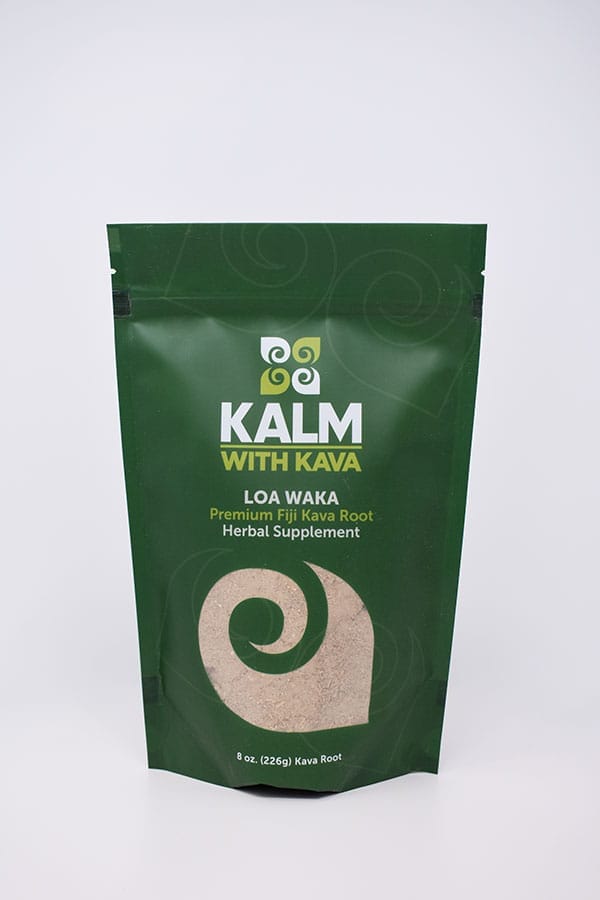
Kalm with Kava — Fiji Loa Waka (Traditional Grind)
Kalm with Kava · 4.7
~$39.99 / 8oz
Kava is a drink made from the root of a Pacific shrub called Piper methysticum, and the cultures that grow it have been preparing it the same basic way — grinding the root, soaking it in water, straining it, drinking it from a shared bowl — for something on the order of three thousand years. It is the social and ceremonial centerpiece of island life across Vanuatu, Fiji, Tonga, Samoa, and Hawaii, the thing you reach for to mark a deal, welcome a guest, or simply close out the day. In the last decade it has crossed over: you can now buy it as loose root powder, as ready-to-drink cans, as concentrated shots, and as capsules, sold in kava bars from Austin to Brooklyn. What you cannot easily find is a straight, accurate, non-hyped explanation of what the stuff actually is. That is what this page is for.
We will be precise about one thing up front, because the internet routinely gets it wrong in both directions: kava is not alcohol, and the experience is not being drunk. There is no slurring, no loss of coordination, no blackout, and — by the consistent account of people who drink it — no hangover the next morning. What regular drinkers describe instead is a clear-headed calm: tension drains out of the shoulders, conversation gets easier, and a relaxed, sociable mood settles in while the mind stays largely intact. The most reliably weird part is physical, not mental — a brief tingling and numbness on the tongue and lips a minute or two after the first shell, the same way a strong mint or a dental rinse feels. Calibrate to 'a quiet, talkative wind-down,' not 'a buzz,' and you will understand kava correctly.
Below we work through all of it: the botany of Piper methysticum and where the good root comes from; what kavalactones are and the plain-language version of how researchers think they act on the brain's GABA system (attributed to the studies, not asserted as a claim about you); what the drink feels like and why; the full landscape of formats from traditional grind to canned RTDs, with one honest paragraph on each; the noble-versus-tudei split that determines quality more than any label; the curious 'reverse tolerance' effect newcomers should expect; and the liver question, handled calmly with the actual documented record rather than the scary headline. None of this is medical or legal advice. Kava is for adults, effects vary person to person, and the safest version of every recommendation here is 'start low and go slow.'
The short version
- Kava is a traditional drink made from the root of Piper methysticum, a South Pacific crop used socially and ceremonially across Vanuatu, Fiji, Tonga, Samoa, and Hawaii for roughly 3,000 years.
- Its active compounds are kavalactones — chiefly six of them. Research links their relaxing character to activity on the brain's GABA system, the same broad pathway many calming compounds touch. We attribute that to studies; we do not claim a medical effect.
- It is not alcohol and not intoxication. Drinkers consistently describe a clear-headed, sociable calm with no loss of coordination and no hangover — plus a signature numbing, tingling tongue.
- It comes in five main formats — traditional grind, micronized, instant, ready-to-drink cans, and shots (plus capsules) — that trade strength, effort, and taste against each other. We break each one down.
- Quality hinges on noble vs tudei cultivars, kava shows a 'reverse tolerance' newcomers should expect, and the liver question has a documented record worth reading calmly. 21+, effects vary, not medical advice.
At a glance
| Format | Strength | Effort | Best for |
|---|---|---|---|
| Traditional grind | Highest / most authentic | High — knead, strain, time | Purists chasing the real experience |
| Micronized | Strong | Medium — stir, no straining | The grind experience without the mess |
| Instant | Moderate | Low — just add water | Speed and travel; thinner taste |
| RTD cans | Light to moderate | None — crack and sip | First-timers and convenience |
| Shots | Concentrated | None — one small bottle | A fast, portable single dose |
The modern kava formats, compared at a glance

Leilo Kava Tonic (Sunset Variety)
Leilo
A canned, ready-to-drink kava tonic that removes every barrier between a curious newcomer and their first shell.
Our verdict: The lowest-friction way to find out whether kava is for you. There is no root to knead, no muslin bag, no earthy sludge to choke down — you crack a can of a sweetened, flavored tonic and sip. It is lighter than a traditionally prepared bowl, which is exactly the point for a first encounter, and the 12-pack pricing makes a low-stakes test cheap per serving.
Lab report: Brand publishes its kava sourcing and ingredient panel — verify the current can before you buy.
If you want to try kava without committing to the ritual, a ready-to-drink can is the on-ramp — and a canned tonic is the most beginner-proof version of it. Leilo built its whole product around removing the two things that scare newcomers off real kava: the labor of preparation and the famously challenging taste of the traditional brew. The Sunset variety tonic arrives flavored and sweetened, cold-and-ready, in a single-serving can.
We will stay honest about expectations: a canned tonic is the gentlest, most controlled introduction to kava, and a seasoned drinker may find it mild by design. That is a feature here, not a flaw. Drink one, give it 20 to 30 minutes, notice the tongue tingle and the easing of tension, and you will know whether the traditional grind below is worth your effort. As with all kava: adults only, do not combine it with alcohol, and never drive on a heavy serving.
Who should buy it
Buy this if you are kava-curious and want the single lowest-effort, lowest-risk way to feel what it does — no preparation, no acquired-taste hurdle, and a per-can price low enough to treat as an experiment. It is the obvious first purchase for almost anyone who has never had a shell.
What we don't like
By design it is lighter than a traditionally prepared bowl, so an experienced drinker chasing a strong, classic kava session will likely find it underpowered — that is the trade for the convenience and the friendly flavor. It is also a packaged, sweetened beverage rather than the pure root-and-water article, which purists will note.
- Format
- Ready-to-drink canned tonic
- Variety
- Sunset (flavored, sweetened)
- Pack
- 12-pack
- Per-serving price
- ~$4.17 / can
- Sourcing
- Kava-forward functional tonic (verify current panel)
What we like
- Zero preparation — the most beginner-proof kava format there is
- Skips the challenging traditional taste entirely
- Single-serving cans make dialing in tolerance easy
- 12-pack pricing keeps a first test cheap per serving
Worth noting
- Lighter than a traditionally prepared bowl — mild for veterans
- A sweetened packaged beverage, not pure root-and-water kava
Kalm with Kava — Fiji Loa Waka (Traditional Grind)
Kalm with Kava
A single-origin Fijian noble root, ground for traditional preparation — the genuine article for drinkers ready to do the work.
Our verdict: Once a can has told you that you like kava, this is where you go to drink it the way the islands actually do. Loa Waka is a respected, named Fijian noble cultivar, and a traditional grind means you prepare it yourself — knead the root in water, strain through a bag, drink the milky result. It is more effort and a stronger, earthier experience than any RTD, and it is the closest most people in the U.S. will get to a real bowl.
Lab report: Noble Fijian cultivar; the brand details origin and preparation — confirm the current lot on the product page.
This is the graduate course. Where a canned tonic is built to erase the ritual, a traditional grind is the ritual — and Kalm with Kava is a long-running specialist that sources named, single-origin Pacific cultivars for exactly the drinker who wants the real thing. Loa Waka is a well-regarded Fijian noble variety, and the medium grind is meant to be prepared the traditional way rather than poured from a can.
The reason it sits in our number-two slot rather than first is purely about sequencing, not quality: it asks more of a complete beginner than a can does. Loa Waka being a noble Fijian cultivar matters a great deal — noble kavas are the daily-drinking varieties the islands prize, the opposite of the harsh tudei roots we warn about further down. If you have confirmed you enjoy kava and you are ready to do it properly, this 8oz bag of single-origin noble root is the honest next step. Same rules apply, more so at this strength: adults only, no alcohol, no driving.
Who should buy it
Buy this once you already know you like kava and you want to drink it the way it is actually drunk in the Pacific — a named, single-origin noble cultivar prepared by hand. It is the right pick for the drinker ready to trade convenience for authenticity and a stronger, fuller serving.
What we don't like
It is genuine work: kneading and straining the root every time is messier and slower than cracking a can, and the earthy, traditional taste is an acquired one that a first-timer may not be ready for. The strength is also less forgiving — easy to overdo if you are new, which is why we route beginners through a can first.
- Format
- Traditional grind (knead & strain)
- Origin
- Fiji — single origin
- Cultivar
- Loa Waka (noble)
- Size
- 8oz
- Preparation
- Traditional bag-and-water method
What we like
- A named, single-origin noble Fijian cultivar — real quality
- Traditional preparation delivers the authentic, fuller experience
- You control the strength of every batch
- From a long-running kava specialist, not a generic reseller
Worth noting
- Real effort — kneading and straining every serving
- Earthy traditional taste is an acquired one; easy to overdo at strength
Your first kava session
- 1
Start with a can or a known noble brand
For a true first time, a ready-to-drink can like our starter pick removes every barrier — no preparation, no taste hurdle, controlled dose. If you would rather start loose, buy an explicitly NOBLE, single-origin root from a named specialist, never an unlabeled bulk product. Noble is the daily-drinking class; avoid tudei.
- 2
Keep the first serving small
Have one can, or prepare a single modest shell of loose root — not three. Kava's effect builds and your tolerance is unknown, so the goal of session one is to meet the plant, not to chase a strong experience. You can always have a little more after you see how it sits.
- 3
Expect the tingle, and give it time
Within a minute or two you should feel the signature numbing, tingling tongue — that is normal and means it is working. The relaxation itself is gentle and arrives over 20 to 30 minutes, not instantly. Sip, settle in somewhere comfortable, and let it be subtle rather than waiting for a jolt.
- 4
Do not judge it on night one (reverse tolerance)
Many people feel little their first few sessions because of kava's well-known reverse tolerance, then find the same amount works once their body has had some exposure. If your first try is underwhelming, that is expected — give it a handful of sessions before deciding kava is not for you.
- 5
Respect the basics every time
Adults 21 and over only. Do not combine kava with alcohol or other sedatives, and never drive on a heavy serving. Favor traditional, water-prepared noble ROOT kava, keep amounts sensible, and if you take medications or have a liver condition, talk to your doctor first. None of this is medical advice.
More kava worth comparing
Beyond this guide: the highest-rated kava across every format, kavalactones verified, with a live price check on each.




As an Amazon Associate we may earn from qualifying purchases, at no cost to you. 21+.
Quick shop: every pick
Skip the scroll: the whole lineup, with a live price check on each.
- Leilo Kava Tonic (Sunset Variety)Easiest First KavaLeilo · $49.99 / 12-packCheck Price
- Kalm with Kava — Fiji Loa Waka (Traditional Grind)The Real Traditional ExperienceKalm with Kava · ~$39.99 / 8ozCheck Price
Key terms
- Kavalactones
- The family of active compounds in kava root — chiefly six (kavain, dihydrokavain, methysticin, dihydromethysticin, yangonin, desmethoxyyangonin). They are what gives kava its relaxing character. Research associates them with activity on the brain's GABA system; that is an attribution to studies, not a medical claim. A kava's potency is usually described by its total kavalactone content.
- Noble kava
- The class of kava cultivars the South Pacific has selected over centuries for clean, balanced, pleasant daily drinking — the varieties you want. The opposite is 'tudei' kava, a coarser class associated in published analyses with higher levels of flavokavain compounds and heavier, lingering effects. Buying explicitly noble, single-origin root is the most important quality decision a drinker makes.
- Chemotype
- The specific ratio of the six main kavalactones in a given root — kava's chemical fingerprint, often written as a six-digit number. It explains why two kavas at the same strength can feel different: one chemotype may lean more heady and relaxing, another more heavy and sedating. Reputable sellers of loose root frequently publish the chemotype.
- Reverse tolerance
- Kava's well-documented quirk in which many newcomers feel little or nothing for their first few sessions, then find the SAME amount suddenly works once the body has had some exposure — the opposite of how tolerance usually builds. It is the single most common reason a first-timer wrongly concludes kava does not affect them.
- Shell
- The traditional serving unit of kava — one bowlful, historically drunk from a half coconut shell, which is where the word comes from. In a kava bar you order kava 'by the shell.' It is also the practical unit for pacing yourself: have a shell, wait, see how it sits, then decide on the next.
Questions, answered
What does kava feel like?
Most drinkers describe a clear-headed, sociable calm — tension drains out of the body, the shoulders drop, and a relaxed, talkative mood sets in while the mind stays largely sharp. The signature physical sign is a tingling, numb tongue and lips within a minute or two of the first serving, like a strong mint. A heavy traditional session can leave you sleepy, but the everyday experience people come back for is the calm-and-sociable middle. It is subtle and it varies person to person, so think 'quiet wind-down,' not 'a buzz.' Effects vary; this is not medical advice.
Is kava legal?
In the United States, yes — kava is legal to buy and sell at the federal level and is widely available, which is why kava bars and canned kava tonics operate openly. It is not a controlled substance. Some other countries have at various points restricted or limited it, and rules in any young consumer category can shift, so a quick check on your own state or country never hurts. This is the general lay of the land, not legal advice.
Is kava safe?
The honest answer points to the documented record rather than a slogan. The strongest safety history is for traditional, water-prepared, NOBLE kava ROOT used in sensible amounts — the form the islands have drunk for thousands of years. A widely cited World Health Organization assessment concluded that water-based noble-root preparations carry an acceptable level of risk when used traditionally and in moderation, and several early-2000s restrictions were later relaxed as the record was re-examined. The cautions in the literature center on non-noble (tudei) cultivars, wrong plant parts, solvent extraction, and combining kava with alcohol. If you drink heavily, take medications, or have a liver condition, talk to your doctor first. This is the documented record, not medical advice.
Will kava get me high?
Not in the way that word usually means. Kava does not produce intoxication like alcohol — no slurring, no loss of coordination, no blackout — and it does not contain THC, so it is not a marijuana-style high either. What it produces, by consistent drinker report, is a clear-headed relaxation and a sociable calm, plus the characteristic numb, tingling tongue. A very heavy traditional session leans toward sleepy and mellow at the top end, but the typical experience is being relaxed and present, not impaired or 'high.' Effects vary by person.
How is kava different from alcohol or weed?
All three are things people reach for to unwind, but they feel different. Versus ALCOHOL: kava brings a sociable calm without the slurring, the loss of coordination, or — by consistent report — the hangover; alcohol impairs, kava characteristically does not. Versus WEED (THC): kava contains no THC and does not produce a cannabis-style high or the same head-change; its relaxation is gentler and clearer, and research ties it to the brain's GABA system rather than the cannabinoid system. The shorthand: kava is the calm-and-talkative one, without alcohol's impairment or weed's high. Never combine kava with alcohol.
What's the tingly tongue from kava?
That numbing, tingling sensation on your tongue and lips a minute or two after your first serving is the kavalactones — kava's active compounds — having a mild, temporary local numbing effect where the drink makes contact, a bit like a strong mint or a dental rinse. It is completely normal, harmless, and expected; experienced drinkers treat it as the sign that the kava is fresh and working. It fades on its own within minutes. If a kava produces no tongue tingle at all, that can be a hint the product is weak or old.
How do I start with kava?
Start easy and small. The lowest-friction first try is a ready-to-drink can — no preparation, no acquired taste, a controlled dose — which is why it is our starter pick. If you would rather start with loose root, buy an explicitly NOBLE, single-origin product from a named specialist rather than unlabeled bulk powder. Keep the first serving modest, expect the tingly tongue, and give the relaxation 20 to 30 minutes to arrive. Crucially, do not judge kava on night one: its reverse tolerance means many people feel little at first and more after a few sessions. Adults 21+, no alcohol, no driving, and not medical advice.
Keep reading
How to Make Kava
The traditional grind, step by step — knead, strain, and pour a proper bowl at home.
Kava Dosage Guide
How much to drink, how to read kavalactone content, and how to pace a session by the shell.
Best Kava Drinks
The ready-to-drink cans, tonics, and shots we rate, tested against each other.