Kava and Caffeine: Can You Mix Them? (2026)
Kava relaxes you; caffeine wires you. So what happens when you put both in your body at the same time? The honest answer is that they pull in opposite directions — some drinkers use a little caffeine to take the edge off kava's grogginess and report a workable calm-alert feel, but the two partly cancel, the combination is genuinely under-studied, and the mutual masking makes it easy to overdo both at once. Here's what people actually report, the sensible cautions, the timing that matters, and why this is a different question from "kava vs coffee."
By The Kava Review DeskUpdated 2026-07-26~6 min read Ranked by the lab reportHow we research
You can mix kava and caffeine, but it's a trade-off rather than a hack, and for most people separating them by time of day works better than combining them. That's the short answer, updated July 2026. The two pull in opposite directions and partly cancel: some drinkers report a workable calm-alert feel from a little caffeine alongside kava, many report a muddy middle, and because each one masks the other's signal it's easy to overshoot on both. Effects vary; this is not medical advice.
The fact everything hangs on is that kava and caffeine are near-opposites. Caffeine is a stimulant — it blocks adenosine, the molecule that builds up through the day and signals tiredness, so you feel alert and wired. Kava is a relaxant — its active compounds, the kavalactones, are associated in research with the brain's calming GABA pathway, so what drinkers describe is a relaxed body and an unwound mind. One presses the accelerator; the other eases off the gas. Combining them is literally doing both at once, and that's the whole tension of this question.
Two timing numbers from elsewhere on this site frame the practical side. Kava's felt arc runs roughly a 15 to 30 minute onset, a plateau over the next hour, and a fade across about two to four hours total (our how long does kava last guide has the full timeline), while a commonly cited elimination half-life for kavalactones is around 9 hours, with most people clearing kava in roughly 24 to 48 hours. That's why a coffee taken right after a session lands squarely inside kava's plateau rather than after it. Below: the mechanism, what drinkers actually report, the cautions, and the timing. Kava is for adults 21+, and if you take any medication, talk to your doctor before combining a stimulant and a relaxant.
The short version
- They pull in opposite directions. Caffeine is a stimulant (blocks adenosine, pushes alertness); kava is a relaxant (kavalactones associated in research with the calming GABA system). Mixing them is pressing the accelerator and the brake at the same time.
- It's a trade-off, not a hack. The two effects partly cancel — you can blunt the very calm you took kava for, and dull the very lift you took caffeine for. Many drinkers find the combination muddier than either one clean.
- Some people do use a little caffeine to offset kava grogginess, and report a workable "calm-alert" feel. That's a real experience for some — but it's individual, and the combination is under-studied, so treat it as personal experiment, not established practice.
- Masking makes overdoing it easy. Because each substance hides the other's signal, you can end up both over-caffeinated and over-served without noticing — keep both modest and don't stack them to push past genuine tiredness.
- Timing beats mixing for most people. Caffeine in the morning when you want alert, kava in the afternoon or evening when you want calm, is the cleaner pattern that the day-level kava vs coffee piece lays out.
- This is NOT the same conversation as kava and alcohol, which is a hard no for separate reasons. And it's not medical advice — effects vary, 21+, and anyone on medication should check with a doctor first.
At a glance
| Kava | Caffeine | |
|---|---|---|
| What it is | A relaxant — kavalactones associated in research with the calming GABA system | A stimulant — blocks adenosine to push alertness and arousal |
| The direction | Eases off the gas — relaxed body, unwound but clear head | Presses the accelerator — alert, wired, sharp (jittery past your line) |
| Mixed together | Partly cancels the caffeine lift; some report grogginess trimmed | Partly cancels the kava calm; some report jitters softened |
| The honest risk | Masking: easy to over-serve when caffeine hides the heaviness | Masking: easy to over-caffeinate when kava hides the buzz |
| Cleaner approach | Afternoon / evening, when you want calm | Morning, when you want raw alertness |
Kava and caffeine — opposite directions, at a glance
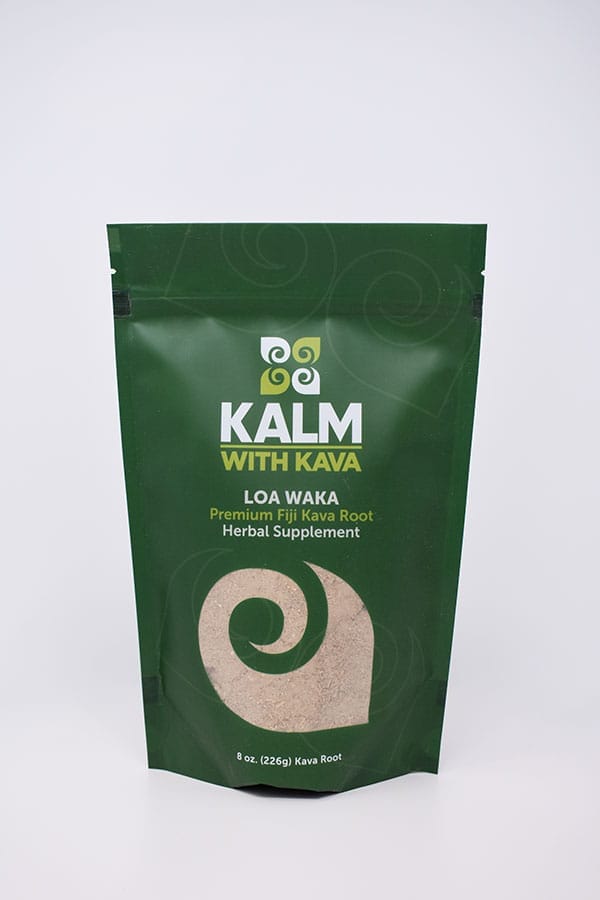
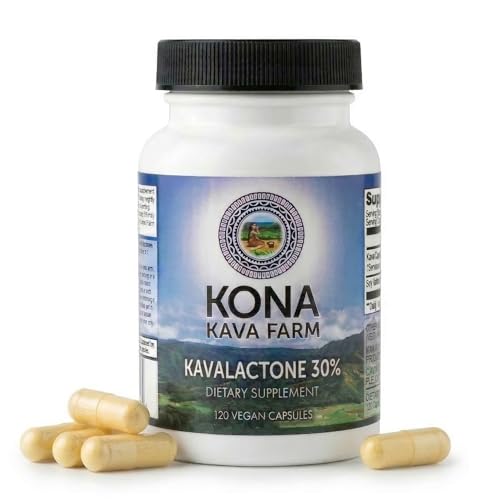
Our top-rated kava
Whatever you decide, these are the kavas we recommend: lab report read, kavalactones verified, ranked by cost per 100 mg. Live price check on each.




As an Amazon Associate we may earn from qualifying purchases, at no cost to you. 21+.
The mechanism: why mixing them is pressing two pedals at once
Everything about this question falls out of one fact, so it's worth getting clear before anything else: caffeine is a stimulant and kava is a relaxant, and they act on different systems in nearly opposite directions. You are not combining two things that do similar jobs at different speeds — you're combining two things that do opposite jobs.
What caffeine does — block adenosine. Through the day, a molecule called adenosine accumulates in the brain and gradually makes you feel tired; it's part of how your body tracks how long you've been awake. Caffeine is shaped enough like adenosine to occupy its receptors and block the signal, so the tiredness quiets and you feel alert, awake, and — past your personal threshold — wired and jittery. That's the stimulant direction: accelerator down.
What kava does — lean on GABA. Kava's active compounds, the kavalactones, are associated in research with the brain's GABA system — broadly the calming, slow-down signaling pathway that many relaxing compounds touch. (We're attributing that to the studies, not making a claim about what it will do to your body.) What drinkers report is the opposite shape: the body relaxes, tension eases, a present but unwound calm settles in. That's the relaxant direction: easing off the gas.
What people actually report (the experiential picture)
Setting the mechanism aside, what do drinkers who've tried it actually describe? The reports cluster into a few honest patterns — and we report them as experiences, not as effects we're promising you.
The "calm-alert" sweet spot — for some. The most common positive report is that a small amount of caffeine alongside kava trims the heavy, sleepy edge of a kava session while kava softens caffeine's anxious buzz — leaving something people describe as calm but clear, relaxed without being foggy. This is the experience the curious are chasing, and for some drinkers it genuinely lands. It's most often reported with a modest amount of caffeine, not a double espresso.
The "muddy middle" — also common. Just as many people report the opposite: that the two simply blunt each other, so they get neither the real calm of kava nor the real lift of caffeine — a flat, half-and-half feeling that wasn't worth combining them for. When you press the accelerator and the brake together, sometimes you just idle.
The "stomach and edge" reports. Some drinkers note that adding caffeine reintroduces exactly what they switched to kava to escape — a faster heartbeat, a jittery edge, or an unsettled stomach — which defeats the point if calm was the goal. Caffeine sensitivity varies enormously, and kava doesn't erase it.
| Reported outcome | What drinkers describe | Typically reported with | The honest read |
|---|---|---|---|
| Calm-alert | Relaxed but clear; grogginess trimmed, jitters softened | A modest amount of caffeine, not a double espresso | Real for some people; individual and under-studied |
| The muddy middle | Neither the real calm nor the real lift; a flat half-and-half | Roughly equal amounts of both | Just as common as the sweet spot |
| Stomach and edge | Faster heartbeat, jittery edge, unsettled stomach | Higher caffeine, or high caffeine sensitivity | Reintroduces what many switched to kava to avoid |
| Masking (any of the above) | Each substance hides the other's signal | Larger servings of both | The central caution: easy to overdo both at once |
Using caffeine to offset kava grogginess — the honest caveats
The single most common reason people deliberately reach for caffeine after kava is to cut the grogginess — the pleasant heaviness of a strong session that's lovely on the couch and inconvenient if you still have things to do. This is a real, understandable use, so here's the honest accounting rather than a flat yes or no.
It can work — at the cost of the calm. A little caffeine may well lift the sleepy edge. But the same action that lifts the heaviness also pushes against the relaxation you took kava for, so you're partly spending the thing you paid for. If the calm was the whole point of the session, dialing it back with caffeine is a curious move worth questioning.
Masking is the real trap. This is the caution that matters most. Because caffeine can hide kava's heaviness and kava can hide caffeine's buzz, the combination dulls the very feedback you'd normally use to know you've had enough of either. That makes it genuinely easy to end up both over-served on kava and over-caffeinated without the usual warning signs — and to discover it only later. Keeping both modest is not a nicety here; it's the whole safety margin.
Never use the stack to power through real tiredness. If you're reaching for caffeine to override genuine fatigue on top of kava's sedation, you've left "taking the edge off" and entered "masking a signal your body is sending." The honest move when you're tired is to rest, not to chemically out-argue it. And the heavier the kava serving, the less business you have adding a stimulant to keep going — especially before anything that requires you to be sharp or behind the wheel.
Sensible cautions and timing
If you take nothing else from this page, take these. They're the practical guardrails, written plainly.
Keep both modest. If you're going to combine them at all, small amounts of each is the version with the least downside — enough to feel a hint of both, not enough to have either run away from you. Big-on-big is how the masking problem turns into a genuinely unpleasant evening.
Don't drive impaired — and respect what masking does to your read on that. Kava relaxes you, and a relaxant plus a stimulant is not a clear head; the alertness from caffeine can fool you into feeling more capable than you are. As with anything sedating, the safe rule is don't drive impaired, and the combination makes "am I impaired?" harder to judge honestly, not easier.
Timing usually beats mixing. For most people the cleaner answer isn't a careful in-session blend at all — it's separating the two by time of day, which is the pattern our kava vs coffee piece lays out: caffeine in the morning when you actually want alertness, kava in the afternoon and evening when you want calm. That way each does its job without fighting the other, and you skip the masking problem entirely.
Mind the hidden caffeine. Caffeine isn't only in coffee — it's in tea, many sodas, energy drinks, chocolate, and some supplements and pre-workouts. If you're trying to keep an evening kava session caffeine-free, it's worth a glance at what else you've had, because a late soda or a pre-workout can quietly reintroduce the stimulant you were avoiding.
Ready to try one? Start with our verified picks
Wherever this guide landed you, these are the kavas our lab-report standard keeps ranking on top. Live price check on each.
As an Amazon Associate we may earn from qualifying purchases, at no cost to you. 21+.
Key terms
- Stimulant vs relaxant
- The core opposition behind this whole question. A stimulant (caffeine) raises central-nervous-system activity to make you feel alert; a relaxant (kava) lowers it to make you feel calm. Combining them means asking your nervous system to do both at once, which is why the result is a trade-off rather than a clean sum.
- Adenosine (plain-speak)
- The "you're getting tired" molecule that builds up in the brain over the day. Caffeine works by blocking adenosine's receptors so the tiredness signal goes quiet and you feel alert — the opposite shape of what kava does.
- GABA system (plain-speak)
- The brain's main "slow-down" signaling network — the calming pathway many relaxing compounds influence. Research associates kava's kavalactones with activity here, which is the plain-language reason kava is described as calming. That's an attribution to studies, not a medical claim about what kava will do to you.
- Masking effect
- When two opposing substances each hide the other's signal — caffeine hiding kava's heaviness, kava hiding caffeine's buzz. It's the central caution when mixing the two, because it removes the feedback you'd normally use to know you've had enough, making it easy to overdo both at once.
- Calm-alert
- The experience some drinkers chase from combining kava with a little caffeine — relaxed but clear, the grogginess trimmed and the jitters softened. It's a genuine report for some people, but individual and under-studied; many others get a muddy compromise instead.
Questions, answered
Can you mix kava and caffeine?
You can, and some people deliberately do — but it's a trade-off rather than a hack. Kava is a relaxant and caffeine is a stimulant, so they pull in opposite directions: combine them and they partly cancel, which can leave you with neither the real calm of kava nor the real lift of caffeine. Some drinkers do report a workable "calm-alert" feel from a small amount of caffeine alongside kava, but just as many report a muddy middle, and a few just feel jittery. It's under-studied and highly individual. If you try it, keep both modest. This isn't the same as mixing kava and alcohol, which is a firm no for separate reasons. Effects vary; 21+, not medical advice.
Does kava have caffeine in it?
No. Kava contains no caffeine — that's part of why people switch to it. Its active compounds are kavalactones, associated in research with the calming GABA system, which is essentially the opposite of caffeine's stimulant action of blocking adenosine. Because there's no caffeine, plain kava doesn't produce jitters, a racing heart, or a stimulant crash on its own. Any caffeine in a kava session comes from something else you've added — a coffee, a tea, an energy drink, or a caffeinated supplement. Effects vary; not medical advice.
Can I drink coffee after kava to wake back up?
Some people do exactly this to trim kava's grogginess, and it can lift the sleepy edge. But the same caffeine that lifts the heaviness also works against the calm you took kava for, so you're partly undoing the session. The bigger caution is masking: caffeine can hide how heavy the kava made you and vice versa, which makes it easy to over-caffeinate or over-serve without noticing. If you do it, keep the caffeine modest, and never use it to power through genuine tiredness — the honest move when you're tired is to rest. For the day-level pattern most people settle into, see our kava vs coffee guide. Effects vary; 21+, not medical advice.
Is mixing kava and caffeine dangerous?
It's not dangerous the way mixing kava and alcohol is — that combination is a hard no for separate reasons we cover elsewhere. Kava and caffeine is better described as an under-studied trade-off that's easy to get wrong than as an outright hazard. The main pitfall is the masking effect: because each substance hides the other's signal, you can overdo both at once without the usual warning signs. Caffeine can also reintroduce the jitters, racing heart, or unsettled stomach that some people switched to kava to avoid. Keep both modest, don't drive impaired, and if you take any medication, talk to a doctor before combining a stimulant and a relaxant. Not medical advice; effects vary.
Why do some people add caffeine to kava?
The goal is usually "calm focus" — pairing kava's relaxation with caffeine's alertness in hopes of getting the unwound feeling without the grogginess, and the lift without the jitters. Some drinkers report that a little caffeine does trim kava's heaviness while kava softens caffeine's anxious edge, landing on something clear-but-relaxed. That experience is real for some people. The catch is that the two effects also partly cancel, so others just get a flat compromise, and the masking makes it easy to overshoot both. It works best, when it works, with a modest amount of caffeine — and it's a personal experiment, not established practice. Effects vary; 21+, not medical advice.
How is this different from "kava vs coffee"?
They answer two different questions. "Kava vs coffee" is the day-level comparison — which drink suits which part of your day, and the realistic verdict that most people keep the morning coffee and swap the afternoon or evening cup for kava. This page is the session-level question: what actually happens if you put a stimulant and a relaxant in your body at the same time, and whether you should. Short version: the comparison piece is about choosing between them across the day; this one is about combining them in a single sitting — which is more of a trade-off and, for most people, less clean than just separating them by time. Our full kava vs coffee guide covers the day-level decision.
How long should I wait between kava and caffeine?
There's no single number that's right for everyone, and we'll be honest that this is a community-norm answer, not a medical clearance. The cleaner approach most people land on isn't a precise gap at all — it's separating them by purpose and time of day: caffeine in the morning when you want to be alert, kava in the afternoon or evening when you want to wind down. That sidesteps the masking problem entirely. If you do want both in one day, giving them clear space rather than stacking them back-to-back is the sensible instinct, since metabolism and sensitivity vary widely. When in doubt, separate them generously. Effects vary; 21+, not medical advice.
Will caffeine ruin my kava experience?
It depends what you wanted from the kava. If the goal was deep calm or a wind-down session, adding caffeine works directly against that — it can blunt the relaxation, reintroduce a jittery edge, and leave the experience feeling muddier rather than better, so many people would say yes, it undercuts it. If you were after a lighter, more functional calm and you use only a small amount of caffeine, some drinkers find it trims the grogginess without erasing the calm. It's individual and under-studied. The safest way to find out is a modest experiment, with the willingness to conclude that for a real kava session, caffeine-free is the better call. Effects vary; not medical advice.
Keep reading
Kava vs Coffee (2026): Calm Focus vs Jittery Energy
The day-level companion to this page: which drink does which job, and the realistic verdict — keep the morning coffee, swap the 3 p.m. cup.
Kava and Alcohol: Why You Pick One
The other big "can I mix it?" question — and why kava plus alcohol is a firm no, for reasons that don't apply to caffeine.
Kava Side Effects, Honestly
What kava actually feels like — the grogginess, the heaviness, and the honest downsides worth knowing before you add anything to it.
How Long Does Kava Last?
Onset, peak, and wind-down — the timeline that helps you plan a session and decide whether caffeine even has a place in it.