How Long Does Kava Last? Kick-In Time & Effects Timeline
Most people feel kava within about 15–30 minutes, hit a relaxed plateau over the next hour, and feel the bulk of it fade across roughly 2–4 hours — but the range is wide, and the format you chose moves every one of those numbers. Here's the honest timing map: onset, peak, and duration by prep, plus how dose, tolerance, and food shift the clock, and the practical timing rules for bedtime and driving.
By The Kava Review DeskUpdated 2026-08-18~7 min read Ranked by the lab reportHow we research
Kava lasts about two to four hours for a normal session. It kicks in within roughly 15 to 30 minutes of the first serving, builds to a relaxed plateau over the following hour, then fades gently rather than crashing. Those are the honest experiential ranges, reviewed and current as of August 2026, and the rest of this page is the fine print that moves them. "How long does kava last?" is really three questions wearing one coat: how long until you feel it, how long the good part holds, and how long before it is fully gone. Most timing pages answer the first and ghost the other two. It is also not a stopwatch: kava timing varies a lot from person to person and night to night, and the spread below is real, not hedging.
The single biggest lever on all three numbers is the format you drank. A flavored shot or a strong traditional shell on an empty stomach can announce itself fast and noticeably; a canned tonic sipped over an evening is gentler and slower; a tea bag may never fully arrive at all. Dose moves the curve too, as do food (the great muter of kava) and your own reverse-tolerance status — if kava is brand new to you, the honest answer to "how long until I feel it" might be "not tonight, and that's normal." We'll separate all of those out so you can read your own clock instead of someone else's.
One honesty note, because it's where most pages quietly cheat: we are not going to invent precise pharmacokinetic numbers. Everything here is an experiential range drawn from tradition and the modern kava community, not a clinical dose-response chart. House rules apply throughout: kava is a 21-and-up evening drink, you never mix it with alcohol, and you do not drive after kava. This is general information, not medical advice.
The short version
- The honest arc: onset in roughly 15–30 minutes, a relaxed peak over the next hour or so, and the bulk of the effect fading across about 2–4 hours total. Individual variation is large — treat these as ranges, not a stopwatch.
- Format is the biggest lever: shots and strong empty-stomach shells hit fastest and clearest; canned tonics are gentler and slower; tea bags are often too weak to register a real arc at all.
- A numb, tingly mouth a few minutes in is the classic onset cue — it usually shows up before the full relaxation does, so it's your earliest 'it's working' signal.
- Food is the great delayer and muter: kava on a full stomach comes on later, lands softer, and is the #1 reason a session feels like 'nothing' or 'took forever.'
- First-timers: reverse tolerance means kava may do little or nothing the first few sessions regardless of timing. That's normal — the fix is patient repetition, not waiting longer on one night.
- Practical timing: give kava 60–90 minutes before bed to settle in, and never drive after a session — wait until you're fully clearheaded and let someone else handle the keys.
Our top-rated kava
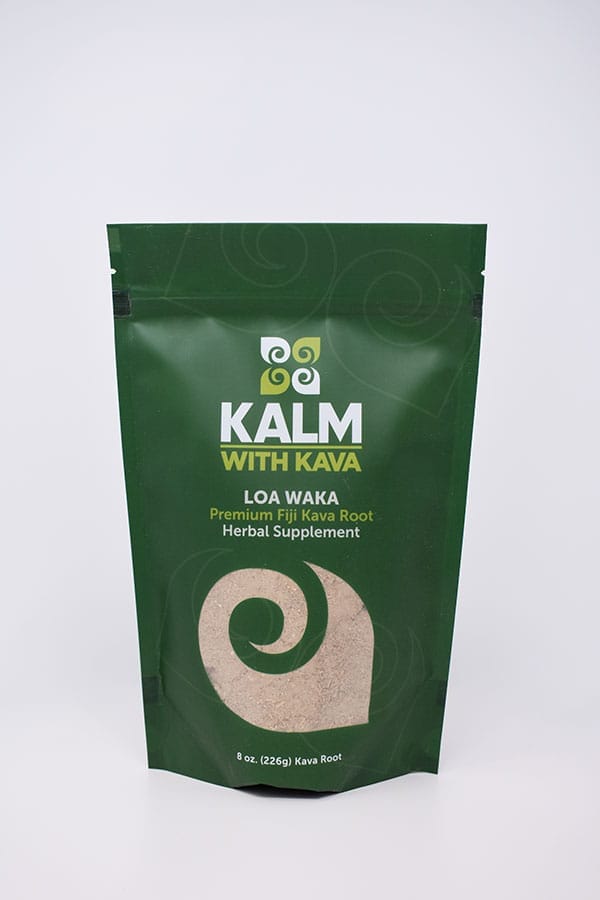
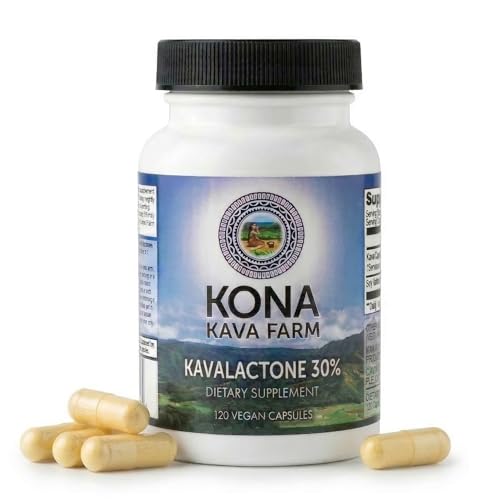
Whatever you decide, these are the kavas we recommend: lab report read, kavalactones verified, ranked by cost per 100 mg. Live price check on each.




As an Amazon Associate we may earn from qualifying purchases, at no cost to you. 21+.
Onset: how long until you feel kava
For most people, kava starts reporting in somewhere around 15 to 30 minutes after the first serving — but the honest version of that sentence has a lot of fine print, and the fine print is the useful part. Onset is not a single fixed number; it's a window that slides earlier or later depending on what you drank, how strong it was, whether your stomach was empty, and your own body chemistry. A strong traditional shell on an empty stomach can let you feel the first signs in well under fifteen minutes; a gentle canned tonic sipped slowly after dinner might take the better part of an hour to register, if it registers strongly at all.
There's a reliable early tell that arrives before the relaxation does: a numb, tingly mouth. Kavalactones — the active compounds — are mildly anesthetic on contact, so a properly strong serving makes your lips and tongue go gently numb within a few minutes of drinking. That numbness is the most useful onset cue you have, because it shows up fast and it's hard to fake: it tells you the kava is real and working its way in, even though the actual settled calm is still a little way off. Think of the numb mouth as the drink raising its hand to say "present" — the relaxation is the part that takes the full onset window to follow.
Peak: when the good part lands
Once kava arrives, it doesn't spike and crash the way caffeine or alcohol can — it tends to build into a plateau. After the onset window, most drinkers describe settling into the heart of the effect over roughly the following hour: loosened shoulders, a quiet head, a sociable, unhurried calm. There isn't a sharp single-minute "peak" so much as a comfortable plateau that holds for a while and then eases off. That gradual, non-dramatic quality is exactly why kava is an evening wind-down drink and not a quick hit — and also why some first-timers expecting a sudden rush conclude "nothing happened" when in fact a gentle plateau quietly came and went.
Because the effect is cumulative across a session rather than front-loaded into one serving, the peak also depends on how you paced your evening. A session is usually a few servings spaced 15–20 minutes apart, and the plateau tends to deepen as those servings stack — which is precisely why pacing matters: drink too fast and you blow past the comfortable plateau into heavy, queasy, over-served territory (the community's word for it is "krunk") before the earlier servings have even fully landed. The goal is to ride the plateau, not to chase a bigger one. We lay out the serving math in our honest dosage guide.
Duration: how long the effects last
Here's the question most people actually came for: once it's working, how long does it last? For a normal session, the relaxed effect commonly holds and then fades across roughly two to four hours total, easing off gently rather than dropping you off a cliff. A bigger or stronger session can run longer; a light canned drink can be largely done in an hour or two. As with everything on this page, that's an experiential range — individual variation is wide, and we're not going to hand you a fake-precise "kava lasts exactly X hours" number, because the lived reality doesn't cooperate with that kind of precision.
The fade is part of the appeal. Kava generally winds down softly: the calm thins out and you drift back to baseline, often pleasantly relaxed and ready for sleep rather than wired or hungover-feeling the way some other relaxants leave you. One important caveat on the back end, though — the relaxed, sedated feeling can outlast the part you're consciously tracking. Just because the obvious effect has eased doesn't mean you're sharp enough to drive (see the driving section below). And one specific cultivar note: a heavy or improperly-sourced tudei-type kava can last far longer than a noble kava — sometimes into the next day with grogginess — which is one of several reasons we steer drinkers toward verified noble kava (our noble vs. tudei breakdown covers why).
What changes the clock — format, dose, food, tolerance
Every number above slides depending on four levers. Understanding them is the difference between "kava is unpredictable" and "I know why tonight ran the way it did."
Format (the biggest lever). The same active compound arrives on a totally different schedule depending on how it's delivered. A flavored shot or a strong, properly-kneaded traditional shell tends to come on fastest and clearest. A canned tonic, sipped slowly and engineered gentle, comes on later and softer. A tea bag often carries so little kavalactone content that there's barely an arc to time at all — which is why tea-bag kava so reliably underwhelms. Instant and micronized powders sit in between, closer to traditional. If two sessions felt wildly different, format is the first suspect.
| Format | Onset (until you feel it) | Plateau | How long it runs |
|---|---|---|---|
| Traditional shell (empty stomach) | Can register in under 15 minutes | Clearest and strongest | Full 2 to 4 hours; a big session runs longer |
| Traditional shell (after a meal) | Later than the 15 to 30 minute window | Softer, muted | Roughly 2 to 4 hours, blunted throughout |
| Instant / micronized | Close to traditional | Between traditional and a can | Around the typical 2 to 4 hour arc |
| Flavored shot | Among the fastest | Announces itself noticeably | Shorter than a long traditional session |
| Canned tonic (sipped) | Later and gentler, up to about an hour | Mild | Can be largely done in 1 to 2 hours |
| Tea bag | Often no clear arrival at all | Frequently absent | Usually too weak to time |
The one-line version: kava creeps rather than hits. Onset in 15 to 30 minutes, a plateau across the next hour, and a gentle fade over roughly two to four hours total.
Dose. More kavalactones generally means a more noticeable, longer-holding plateau — up to a point. Past the comfortable session range you don't get a better or longer experience, you get the queasy, heavy over-served state, so "stronger and longer" has a hard ceiling that arrives faster than beginners expect.
Food. This is the great delayer. Kava on a full stomach comes on later, lands softer, and is the single most common reason a session feels like it "took forever" or "did nothing." The traditional norm is an empty-ish stomach — a few hours after your last real meal — which makes onset faster and the effect clearer. If a session was slow and weak, the burrito beforehand is the usual culprit.
Tolerance — and reverse tolerance. Here's the one that breaks every timing chart for newcomers: kava has a reverse tolerance. For your first few sessions it may do little or nothing no matter how long you wait, because your body hasn't sensitized to it yet. So if you're new and asking "how long until I feel it," the honest answer might be "possibly not tonight" — and the fix is patient repetition over several evenings, not waiting longer on a single night. Once reverse tolerance resolves, the onset and duration ranges above start applying to you. Full explanation in our reverse tolerance guide.
Practical timing — bedtime, driving, and pacing your evening
Knowing the clock is only useful if you plan around it. A few practical rules fall straight out of the ranges above.
For winding down before bed: give kava room to work. Because onset runs roughly 15–30 minutes and the relaxed plateau builds over the following hour, drinking your session about 60–90 minutes before you want to be asleep lets the calm settle in rather than leaving you lying in bed waiting for it. Drink it too late and you may still be on the rising part of the curve at lights-out; finish a comfortable session an hour or so before bed and you tend to drift down naturally as it fades. Our kava-for-winding-down guide goes deeper on the evening routine.
Pacing the session itself: space your servings 15–20 minutes apart and reassess between each one, because each serving needs that long to fully report in. Drinking faster than the kava arrives is how people overshoot the comfortable plateau into the heavy, queasy zone — they were always two servings ahead of the information. Read the signals (numb mouth, then settled calm), stop when you're relaxed, and let the gentle 2–4 hour fade carry you the rest of the way down.
Ready to try one? Start with our verified picks
Wherever this guide landed you, these are the kavas our lab-report standard keeps ranking on top. Live price check on each.
As an Amazon Associate we may earn from qualifying purchases, at no cost to you. 21+.
Key terms
- Onset
- The lag between drinking kava and feeling it — commonly around 15–30 minutes, but a wide window that slides with format, dose, and an empty vs. full stomach. The earliest reliable onset cue is a numb, tingly mouth, which typically shows up before the full relaxation does.
- Plateau
- Kava's version of a 'peak.' Rather than spiking and crashing, the relaxed, sociable calm tends to build into a steady plateau over the hour after onset and then ease off gradually. The goal is to ride the plateau, not chase a bigger one.
- The numbing
- The gentle tingling numbness on the lips and tongue that arrives within a few minutes of a strong serving, caused by the kavalactones being mildly anesthetic on contact. It's the fastest, most reliable onset signal — present before the calm, and largely absent in weak or poorly-made kava.
- Reverse tolerance
- Kava's signature quirk: new drinkers often feel little or nothing for the first several sessions no matter how long they wait, with effects emerging through consistent moderate use. For newcomers it's the real answer to 'why don't I feel it yet' — and the fix is patient repetition, not waiting longer on one night.
- Krunk
- Community slang for the over-served state past the comfortable plateau — heavy, queasy, and sluggish. It's what you get by drinking faster than kava arrives, stacking servings before the earlier ones have peaked. Not a goal; a sign you should have paced slower.
Questions, answered
How long does kava last?
About two to four hours for a normal session. The relaxed effect builds after a 15 to 30 minute onset, holds as a plateau for an hour or so, and then eases off gently rather than dropping you off a cliff. Stronger or bigger sessions run longer; a light canned drink can be largely done in an hour or two. These are experiential ranges from tradition and the modern kava community, not clinical figures, and one caveat matters: a heavy or mislabeled tudei-type kava can last far longer than a noble kava, sometimes into the next day, which is one more reason to buy verified noble root.
How long does it take for kava to kick in?
For most people, somewhere around 15–30 minutes after the first serving — but that's a window, not a fixed number, and it slides with format, dose, and whether your stomach was empty. A strong traditional shell on an empty stomach can register in under fifteen minutes; a gentle canned tonic after dinner might take closer to an hour. The earliest tell is usually a numb, tingly mouth, which arrives before the full relaxation. If you're brand new to kava, the honest answer might be 'not tonight' — reverse tolerance means the first few sessions can do little or nothing regardless of how long you wait.
How long do kava effects last?
The relaxed effect of a normal session commonly holds and fades across roughly two to four hours total, easing off gently rather than crashing. The felt arc is: onset around 15 to 30 minutes, a sociable plateau over the next hour, then a soft glide back to baseline. We won't quote an exact figure because the real duration varies a lot between people, preparations, and cultivars — these are experiential ranges from tradition and the community, not a precise clinical timeline. Remember that the sedated, slowed feeling can outlast the part you're consciously tracking, which is exactly why the no-driving rule applies past the obvious fade.
How long does kava stay in your system?
Feeling gone and fully cleared are different things. The noticeable relaxation is typically over within about two to four hours, but kavalactones and their byproducts take longer to fully process, and honest clinical numbers for kava's clearance are thin, so we won't invent a precise figure. The practical questions people usually mean by this have practical answers: don't drive until you're fully clearheaded (not merely past the peak), never stack kava with alcohol in the same evening, and if you're asking about employment drug screening, standard panels don't test for kavalactones — our does-kava-show-up-on-drug-tests explainer covers that in full.
How long does the kava mouth numbness last?
The tongue-and-lip numbness is brief — typically a minute or two after each serving — and it's completely normal. It's caused by the kavalactones being mildly anesthetic where they touch your mouth, and it's actually one of the most reliable signs your kava came out strong; weak or poorly-made kava often produces little to no tingle. It comes and goes quickly and isn't the same thing as the relaxed body effect, which builds more slowly and lasts much longer. (This is experiential description, not medical advice — if anything ever feels genuinely wrong, stop and check with your doctor.)
Can I drive after drinking kava?
No — don't drive after kava. Kava relaxes and can sedate you, and that slowed, settled feeling can linger after the obvious effect has eased, so 'I feel mostly normal' is not the same as 'I'm safe to drive.' Treat it like any relaxant: plan your evening so you're home before your first serving, never get behind the wheel after a session, and let someone else handle the keys. When in doubt, assume you're not clear yet and don't drive.
How long before bed should I drink kava?
About 60–90 minutes before you want to be asleep tends to work well. Because onset runs roughly 15–30 minutes and the relaxed plateau builds over the following hour, finishing a comfortable session an hour or so before bed lets the calm settle in and then fade naturally as you drift off, rather than leaving you lying there waiting for it to arrive. Drink it too late and you may still be on the rising part of the curve at lights-out. Keep the session moderate — a smaller wind-down session is plenty for sleep, and overdoing it can leave you heavy rather than rested.
Why does my kava take so long to kick in?
Usually one of three things. First and most common: food — kava on a full stomach comes on later and softer, so a meal beforehand is the classic reason a session 'takes forever.' The traditional fix is an empty-ish stomach, a few hours after eating. Second: format and strength — a weak format like a tea bag, or an under-kneaded traditional batch, may never really arrive, so there's little to time. Third, if you're new: reverse tolerance, where the first few sessions do little no matter how long you wait. Rule out food and a weak product first; if those are handled and you're still waiting, patient repetition over several evenings is the answer, not waiting longer tonight.
Does kava hit faster on an empty stomach?
Yes — that's the traditional norm and the consistent community experience. Kava taken a few hours after your last real meal tends to come on faster and land more clearly, while a full stomach delays and blunts it. The trade-off is that an empty stomach also makes the effect stronger and quicker, so it pairs best with starting at a modest serving rather than diving into a big one. If your stomach gets queasy, a light snack is a better move than powering through.
How long should I wait between kava servings?
Space servings 15–20 minutes apart and reassess between each one. Kava creeps — a serving takes roughly that long to fully report in — so drinking faster means you're always a serving or two ahead of the information, which is exactly how people overshoot the comfortable plateau into the heavy, queasy over-served state. Drink a serving, wait the full window, read the signals (numb mouth, then settled calm), and only then decide whether to pour another. Patience in the pacing is what keeps a session pleasant.
Does kava last all day, or wear off quickly?
Neither extreme is right for a normal noble-kava session. It doesn't last all day, and it doesn't vanish in twenty minutes: the felt relaxation runs roughly two to four hours and then fades gently to baseline. The 'lasts all day' impression usually comes from one of two things. Either you drank a very large session, which stretches the arc longer, or you drank a heavy tudei-type kava, which genuinely can linger with grogginess into the next morning and is exactly the cultivar verified noble buyers avoid. The 'wore off in minutes' impression is almost always a weak format (a tea bag or a light sipped can) or reverse tolerance in a first-timer. For a properly made noble shell, plan around a two-to-four-hour evening.
How long does a kava buzz or relaxation last compared to alcohol?
The felt window is broadly similar in length to a couple of drinks, but the shape and the aftermath are completely different. Kava's relaxed, sociable calm holds across roughly two to four hours and then eases off cleanly, with no hangover the next morning the way alcohol leaves one. The important difference for planning your night is the tail: kava's sedating, slowed feeling can quietly outlast the obvious part, which is why the no-driving rule applies well past the point where you 'feel mostly normal.' And the two are never combined, in the same glass or the same evening, since kava replaces alcohol rather than joining it.
Keep reading
How Much Kava Should You Drink?
The honest milligram numbers and the serving ladder behind every timing range on this page.
Kava Reverse Tolerance, Explained
Why your first kava may do nothing no matter how long you wait — and the patient fix that works.
Best Kava for Winding Down
Timing kava for the evening: the picks and the routine for an easy wind-down before bed.
Noble vs. Tudei Kava
Why a heavy tudei kava can last into the next day — and how to verify you bought a proper noble.
Does Kava Show Up on Drug Tests?
The 'in your system' question, answered properly: what standard panels do and don't look for.
Best Kava Brands
Ready to pick a kava worth timing? The most transparent brands, ranked by published lab paper.