Our Pick: Kalm with Kava
Check PriceBest Kava for Winding Down After Work (2026)
The after-work tanoa is one of kava's oldest jobs — the bowl you brew when the laptop closes and the goal is simply to downshift. For that end-of-day relaxation, the right kava is the heavy one. Heavy (DHM-forward) chemotypes are the grounding, heavy-limbed, settle-into-the-couch kavas. This is the high-intent chooser — which heavy kavas to reach for to unwind after work, and how to set up a sane evening ritual. Kava is not a treatment for anxiety or stress; this is education, not medical advice.
By The Kava Review DeskUpdated 2026-06-14~7 min read Ranked by the lab reportHow we research
 Best Overall
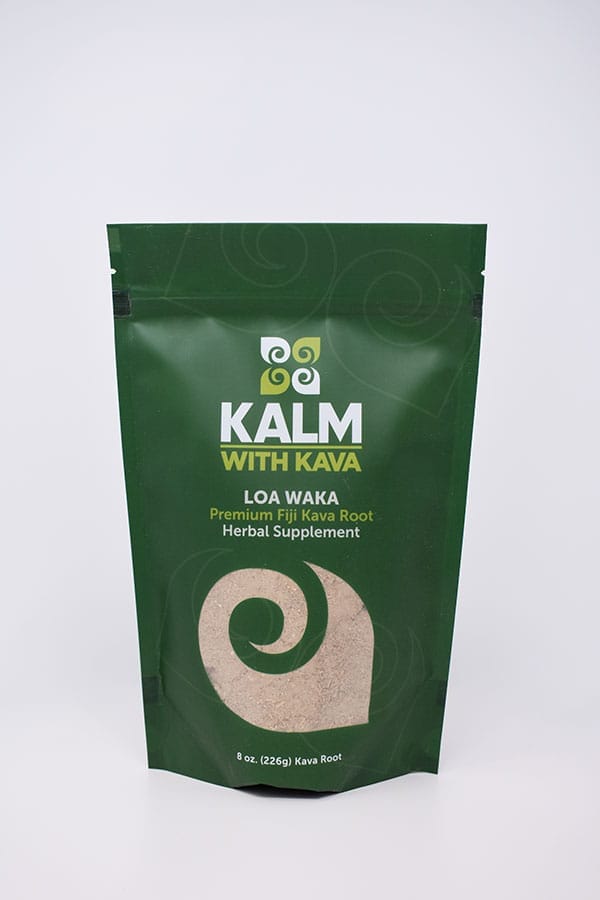
Kalm with Kava — Fiji Loa Waka (Medium Grind)
Kalm with Kava · 4.7
~$39.99 / 8oz
Let's be clear from the first sentence, because the rest of this guide rests on it: kava is not a treatment for anxiety, stress, or any condition, and nothing on this page claims to be. What kava is — and has been across the Pacific for centuries — is an evening relaxant, the root you brew when the workday is done and the only goal left is to downshift. People reach for it as the after-work ritual, the thing that marks the line between the desk and the rest of the night, the way a cup of tea or a slow walk might. That, and only that, is the frame here. We're not making medical claims; we're telling you which kava best fits the wind-down hour, and how to build a sane ritual around it. (New to the root entirely? Start with What Is Kava.)
And here's where most "kava to relax" articles go sideways: they recommend the kava that keeps you wired. Every kava sits on one axis — heady (clear, social, daytime) at one end, heavy (sedating, grounding, evening) at the other — and the side is set by the chemotype, the ratio of kavalactones. A heady, kavain-led kava is built for conversation and the front of the day; drink it to unwind after work and you may find yourself more talkative than settled. The wind-down kava is the heavy one: DHM-forward chemotypes the kava community consistently describes as heavy-limbed, physical, and grounding. If you remember one thing from this guide, make it that — to unwind after work, you want heavy, not heady. The full read lives in Heady vs Heavy Kava.
So this is the high-intent chooser, built for the end of the day. We rank five relaxation-leaning picks, weighted toward the heavy, grounding cultivars that suit a real after-work downshift — from a full traditional brew you knead the moment you log off, to a disclosed-chemotype Vanuatu grind, to an effortless can or a kava tea bag for the nights when a bowl isn't happening. We cover why heavy beats heady for the evening, how to set up a sane after-work ritual, the no-alcohol rule, and the plain truth about what an end-of-day kava can and can't do. Effects descriptions reflect community consensus, not effects we measured in a lab. Kava is for adults; this is education, not medical advice.
The short version
- Heavy beats heady for the wind-down. Heavy (DHM-forward) chemotypes — the digit 5 in the chemotype code — are the grounding, heavy-limbed, end-of-day kavas; heady kavas are built for the daytime and read as social rather than settling.
- Our Pick is a heavy traditional brew you knead the moment work ends — a balanced noble cultivar (Loa Waka) you steer heavy with a generous evening serving. A named heavy Vanuatu cultivar (Borogu) is the purist's alternative.
- Set up the ritual, not just the bowl. The after-work tanoa works because it's a deliberate downshift — a fixed cue, a slow first shell, the screen off. The ritual is half the relaxation.
- Never mix kava with alcohol. Both ride on relaxation and shouldn't be stacked — treat it as a hard rule, and see our standalone guide.
- Kava is not a treatment for anxiety or stress. It's an evening relaxant and an after-work ritual in the Pacific relaxant tradition — not a remedy for any condition. This is not medical advice, and it's for adults 21+.
At a glance
| Pick | Heady / heavy / balanced | Cost per 100 mg kavalactones | Best for | Check price |
|---|---|---|---|---|
| Kalm with Kava — Loa Waka (Our Pick) | Balanced → steer heavy with a generous serving | No public COA number — house rule: not stated | The full after-work tanoa, kneaded the moment you log off | Check Price |
| Bula Kava House — Borogu | Heavy (DHM-forward, classic evening cultivar) | No public COA number — house rule: not stated | Purists who want a true heavy chemotype, named | Check Price |
| Root of Happiness — Superior Vanuatu | Heavy-leaning Vanuatu (disclosed chemotype) | Chemotype disclosed; per-100 mg cost not published — not stated | Drinkers who want the heavy lean printed, not inferred | Check Price |
| Leilo Kava Tonic | Moderate can — the effortless early-evening option | 1,000 mg extract / can stated, but no kavalactone figure — not calculable | Unwinding after work with zero preparation | Check Price |
| Yogi — Kava Stress Relief Tea | A gentle kava tea bag, not a strong brew | No kavalactone figure on a tea bag — not stated | The lightest, lowest-stakes after-work ritual | Check Price |
The after-work shelf at a glance, weighted toward the heavy, grounding cultivars that suit an end-of-day downshift. "Cost per 100 mg kavalactones" is shown only where a vendor publishes a COA or kavalactone figure; otherwise we apply the house rule and don't invent a number. Effects descriptions reflect kava-community consensus (Kava Forums and vendor cultivar notes), not effects we lab-verified; chemotype placements are how the community consistently sorts these kavas. Not medical advice.
Kalm with Kava — Fiji Loa Waka (Medium Grind)
Kalm with Kava
A named noble Fijian cultivar you steer heavy with a generous serving — the full after-work brew you knead the moment the laptop closes.
Our verdict: Loa Waka is our wind-down pick because it gives you the after-work evening on purpose. It's a named noble Fijian cultivar the community sorts as balanced and versatile — light and clear in small servings, heavier and grounding as you scale up. Knead a generous bowl the moment you log off and you've steered it deliberately to the heavy, settle-in side. It's the full traditional ritual, from a knowable chemotype, and the most flexible single bag for marking the end of the workday.
Lab report: A named noble Fijian cultivar (Loa Waka) — a knowable, well-documented chemotype the community treats as a balanced all-rounder that goes heavier as you scale the serving up. No public kavalactone number, so per the house rule we don't quote a cost per 100 mg.
The best after-work kava is the one you can aim at the evening on purpose. Kalm with Kava's Fiji Loa Waka is a named noble Fijian cultivar the kava community consistently describes as balanced and versatile: in small servings it leans light and clear, but as you scale the serving up it takes on the heavier, more grounding character you want when the day is done. For the after-work downshift you simply prepare a generous bowl — and steer it, deliberately, to the heavy side of the axis. One bag, and you decide where the evening lands.
Because it's a named noble cultivar, its chemotype is knowable rather than a mystery blend — which is exactly why you can steer it. "Noble" means a traditionally consumed variety the Pacific selected over centuries for an agreeable, well-rounded profile, and a known chemotype plus your own control over serving size is what makes the light-to-heavy dial real here. The honest cost is effort and an acquired, earthy-peppery taste — this is real root powder you knead and strain, not a pop-top can — and there's no published kavalactone number, so we won't quote a cost per 100 mg for it. But for the after-work hour, the effort is the point. To be clear about what it is: a calming evening drink in the Pacific tradition, not a treatment for anxiety or stress and not a remedy for anything. Keep it un-mixed with alcohol, don't drive if you feel it, and treat it as a ritual, not a medicine.
Who should buy it
Buy Loa Waka if you want the real after-work ritual — a full traditional brew you can deliberately steer heavy for the evening downshift — and you're willing to knead and strain a bowl. As a named noble Fijian cultivar with a knowable, balanced chemotype, it's about as predictable and versatile as evening kava gets. It's the pick for the drinker ready to graduate past cans and own their place on the axis by serving size.
What we don't like
It's work: kneading and straining root powder, plus an earthy, peppery taste that's genuinely acquired. Because you prepare it yourself, where it lands on the axis depends on your technique and serving size rather than a printed side — the heavy lean is something you create. There's no published kavalactone number, so we can't give a cost per 100 mg. And, to be clear, it isn't a treatment for anxiety or stress; it's a relaxant ritual, not a remedy.
- Axis lean
- Balanced / versatile — steer heavy with a generous evening serving (community consensus)
- Cultivar
- Loa Waka — a named noble Fijian variety
- Best time
- The moment work ends — the after-work brew
- Format
- Traditional root powder (medium grind) — prepared and strained
- Disclosure
- Named single-origin noble cultivar (knowable chemotype); no published kavalactone number
What we like
- Steerable: scale the serving up to land it on the heavy, after-work side
- Named noble Fijian cultivar — a knowable, balanced chemotype, not a mystery blend
- Full traditional depth for the end-of-day downshift
- One versatile bag covers both an early-evening light pour and a heavier wind-down bowl
Worth noting
- Requires real preparation — kneading and straining
- Earthy, peppery taste is an acquired one
- No published kavalactone number — no cost-per-100 mg, and it is not an anxiety remedy

Bula Kava House — Borogu
Bula Kava House
The archetypal heavy chemotype — a DHM-forward Vanuatu daily-drinker the community calls grounding and deeply unwinding at the end of the day.
Our verdict: If Loa Waka is the dial, Borogu is the heavy end made concrete. It's the cultivar the kava community points to when they say "heavy" — a DHM-forward Vanuatu daily-drinker that opens with a gentle lift and settles into deep, grounding calm. There's no steering required; the chemotype leans evening by nature. Brew it after work and you've got the classic wind-down bowl, from a named noble cultivar you can actually predict.
Lab report: A named Vanuatu noble cultivar (Borogu) — the community's reference heavy, DHM-forward chemotype, knowable because it's a named single-origin variety. No published kavalactone figure, so per the house rule we don't quote a cost per 100 mg.
This is the heavy chemotype, made concrete. When the kava community describes a "heavy" kava — the grounding, heavy-limbed, melt-into-the-couch evening profile — Bula Kava House's Borogu is one of the names they reach for first. Borogu is a noble Vanuatu cultivar widely treated as a DHM-forward daily-drinker: it tends to open with a gentle, agreeable lift and then settle into the deep, physical calm that suits the end of a working day. Where Loa Waka asks you to steer toward heavy, Borogu simply leans there.
The trade-off is the same one every traditional powder makes: real preparation and a true-to-root, earthy taste, with no printed milligram number — you're trusting the cultivar's well-documented reputation rather than a label figure, which is why we don't quote a cost per 100 mg for it. Brew it when work ends for the classic after-work ritual. And the usual honesty applies: this is an evening relaxant in the Pacific tradition, not a treatment for anxiety or stress and not a remedy for anything. It can cause drowsiness, so don't drive after it, and never stack it with alcohol — Bula Kava House sells the brewing gear too, but the one thing you should never add to a wind-down bowl is a drink.
Who should buy it
Buy Borogu if you want the reference heavy kava — a named, DHM-forward Vanuatu cultivar that leans grounding and evening by nature, no steering required. It's the purist's after-work pick: the cultivar the forums cite when they mean "heavy," prepared traditionally for the end of the day. Choose it over Loa Waka when you want the heavy side baked into the chemotype rather than dialed in by serving size.
What we don't like
It's a traditional powder, so expect kneading, straining, and an earthy, peppery taste — and no printed potency number, so no cost-per-100 mg; you're trusting the cultivar's documented reputation. "Heavy" describes its character, not a guarantee of how any one batch will feel, since profiles vary lot to lot. And, plainly: it's a relaxant ritual, not a treatment for anxiety or stress.
- Axis lean
- Heavy — DHM-forward Vanuatu cultivar (community consensus)
- Cultivar
- Borogu — a named noble Vanuatu variety
- Best time
- End of the workday — the classic wind-down bowl
- Format
- Traditional root powder — prepared and strained
- Disclosure
- Named single-origin noble cultivar (knowable, heavy-leaning chemotype); no kavalactone figure
What we like
- The community's archetypal heavy, evening chemotype — no steering needed
- Named noble Vanuatu cultivar, so the heavy lean is knowable in advance
- Opens with a gentle lift, settles into deep grounding calm for the wind-down hour
- From a long-standing dedicated kava house that also stocks the brewing gear
Worth noting
- Traditional preparation required — kneading and straining
- Earthy, peppery taste and no printed potency number (no cost-per-100 mg)
- "Heavy" is a character, not a strength guarantee — and it is not an anxiety remedy

Root of Happiness — Superior Vanuatu
Root of Happiness
Heavy-leaning Vanuatu root from a vendor that actually discloses chemotype — confirm the after-work lean before you brew.
Our verdict: Root of Happiness is the pick for drinkers who want the heavy lean printed, not inferred. Its Superior Vanuatu is a noble Vanuatu grind from a vendor that publishes chemotype information — so you can read the DHM-forward, evening character off the code instead of trusting a cultivar's reputation. Vanuatu kava skews grounding and heavy by region, and a disclosed chemotype turns that general lean into something you can actually confirm before the after-work brew.
Lab report: Vanuatu noble kava from a vendor known for publishing chemotype information — the disclosure that lets you confirm the heavy, evening lean. The chemotype is disclosed, but a per-100 mg kavalactone cost isn't published, so per the house rule we don't quote one.
The most predictable after-work kava is the one whose chemotype is printed. Everywhere else in this guide you steer toward heavy or trust a cultivar's reputation; Root of Happiness's Superior Vanuatu lets you read it. The vendor is known among drinkers for disclosing chemotype information, which is the gold standard for predicting the side of the axis — a code loaded with the digit 5 (DHM) tells you, before you brew, that you're holding an evening kava (see Heady vs Heavy Kava for how to read it).
It's still a traditional half-pound grind, so the usual costs apply: preparation, an earthy taste, and the patience the ritual asks for. The chemotype is disclosed, but a per-serving kavalactone cost isn't published in a way we'd stake a number on, so we don't quote a cost per 100 mg here — the transparency is in the chemotype, which is the figure that matters for steering the evening. Brew it when work ends like the other traditional picks. The reason it's on the board is that transparency: for a drinker who's been burned by a too-heady kava at the wrong hour, a vendor that prints the chemotype is the surest route to the wind-down you actually wanted. As ever — an evening relaxant, not a treatment for anxiety or stress, and never combined with alcohol.
Who should buy it
Buy Root of Happiness's Superior Vanuatu if you want the heavy, evening lean confirmed on paper rather than inferred from a cultivar's reputation — it's the pick for the drinker who reads chemotype codes and refuses to guess. Vanuatu region plus a disclosed chemotype is about as confident as a traditional after-work brew gets.
What we don't like
It's a traditional grind, so there's preparation and an earthy taste, and a half-pound is a real commitment for the merely curious. Disclosed chemotype is a strength, but it still demands that you actually read and understand the code to benefit, and a per-100 mg cost isn't published, so we can't quote one. And the standing rule holds: a relaxant ritual, not a treatment for anxiety or stress.
- Axis lean
- Heavy-leaning Vanuatu noble (confirmable via disclosed chemotype)
- Source
- Vanuatu noble kava
- Best time
- End of the workday — the after-work brew
- Format
- Traditional half-pound grind — prepared and strained
- Disclosure
- Vendor publishes chemotype information; per-100 mg cost not published
What we like
- Disclosed chemotype — confirm the DHM-forward, evening lean before you brew
- Vanuatu noble kava, the region that skews grounding and heavy
- Removes the guesswork that makes "kava to relax" so easy to get wrong
- Traditional half-pound grind for the full after-work ritual
Worth noting
- Traditional preparation and an earthy, acquired taste
- Disclosure only helps if you read the chemotype code; no per-100 mg cost published
- Half-pound is a commitment — and it is not an anxiety remedy

Leilo Kava Tonic
Leilo
No bowl, no straining — the cold, crack-it-open can for unwinding after work when you won't prepare a traditional brew.
Our verdict: Not every after-work evening includes kneading a bowl. Leilo is the easy on-ramp: a cold, no-prep can you can crack the minute you close the laptop to start downshifting without the traditional ritual. It's a moderate, approachable kava rather than a couch-melting heavy brew, so treat it as the effortless, gentler option — a glass of something relaxing after work — rather than the strong traditional pour the heavy picks above are built for.
Lab report: Discloses 1,000 mg of proprietary kava extract per can but no kavalactone number — so an extract-to-100 mg-kavalactones cost isn't calculable, and per the house rule we don't invent one. A moderate, no-prep can best read as the easy early-evening option, not a heavy bowl.
The honest place for a can in a wind-down guide is easy, and gentle. Leilo's Kava Tonic is the most polished, approachable product in canned kava — lightly carbonated, broadly flavored, and requiring zero preparation. For the after-work hour, that makes it the on-ramp: something you crack the moment work ends to begin downshifting, the way you might pour a non-alcoholic aperitif, rather than the strong traditional brew the heavy picks deliver.
One thing worth knowing for any kava, can included: kava's famous reverse tolerance means early sessions often feel milder, with the effect arriving more clearly on the second or third try — so don't judge the first can harshly, and don't double up to chase it. And the rule that matters most applies here too: don't pair it with a drink. A kava tonic can feel like a cocktail substitute, which is exactly why the no-alcohol line is worth repeating — see Kava and Alcohol. As an effortless way to start a relaxed evening, Leilo earns its spot; just don't expect a can to do a traditional brew's job, and don't expect any kava to be a treatment for anxiety or stress.
Who should buy it
Buy Leilo if you want to unwind after work without preparing anything — a cold, no-prep can to start a relaxed evening, especially on a weeknight when kneading a bowl isn't happening. It's the gentle, approachable on-ramp and a fine introduction to the relaxed kava feeling. Drinkers who want the strong, traditional wind-down should reach for one of the heavy picks above instead.
What we don't like
A can can't reach the heavy, grounding depth a traditional brew delivers — it's the easy, gentle option, not the deep one. Leilo also discloses extract weight rather than a kavalactone number, so you can't read its precise strength or evening lean, and a cost per 100 mg of kavalactones isn't calculable. The cocktail-like format makes the no-alcohol rule easy to forget — don't. It is, as ever, a relaxant, not a remedy for anxiety or stress.
- Axis lean
- Moderate, no-prep can — the effortless early-evening option (not a heavy brew)
- Per can (stated)
- 1,000 mg proprietary kava extract (no kavalactone number disclosed)
- Best time
- Right when work ends — the easy on-ramp
- Format
- 12 oz lightly carbonated can — no preparation
- Disclosure
- Extract weight only; no chemotype or kavalactone figure (no cost-per-100 mg)
What we like
- Zero preparation — the easiest possible way to start a relaxed evening
- Cold, approachable, broadly flavored — friendly to newcomers
- A sensible single serving for an after-work downshift
- No bowl, strainer, or earthy slurry required
Worth noting
- Can't reach a traditional heavy brew's grounding depth
- Extract weight disclosed, not a kavalactone number — cost-per-100 mg not calculable
- Cocktail-like format makes the no-alcohol rule easy to forget — and it's not an anxiety remedy
Yogi — Kava Stress Relief Tea
Yogi Tea
A gentle, grocery-shelf kava tea bag — the lowest-stakes way to put a small, warm ritual at the end of the workday.
Our verdict: The Yogi tea bag is the lightest, lowest-commitment way to mark the end of the workday with kava. It's a blended herbal tea — kava root alongside other calming botanicals — that asks nothing more than a kettle. It won't deliver the grounding, heavy character of a traditional bowl, and the brand name uses the word "stress"; we read it strictly as a gentle, warm ritual, not a remedy. Reach for it when the ritual matters more than the strength.
Lab report: A blended herbal tea bag containing kava root among other botanicals — no kavalactone figure on the box, so a cost per 100 mg isn't available and per the house rule we don't invent one. Read it as a light ritual, not a strong brew.
Sometimes the after-work move is just a warm cup and a pause. Yogi's Kava tea is the lightest pick on this list by a wide margin — a grocery-shelf herbal tea bag with kava root blended among other calming botanicals. It asks for nothing but a kettle and a few minutes, which is exactly its appeal: on the nights when a tanoa isn't happening, steeping a cup is a small, real ritual that draws the line between work and the rest of the evening.
Because it's a blend, you're getting kava alongside other herbs rather than a pure, steerable cultivar — so it's the wrong tool if you care about chemotype or want to dial the heavy side. But that's not what it's for. It's for the person who wants the smallest possible ritual: boil, steep, sip, unwind. The standing rules still apply even to a tea — don't pair it with alcohol, and if you take medications or have liver concerns, talk to a doctor first. It's a gentle cup at the end of the day, nothing more, and nothing it claims to be. Kava is for adults; this is education, not medical advice.
Who should buy it
Buy the Yogi kava tea if you want the lightest, lowest-commitment after-work ritual there is — a warm cup you can steep on autopilot to mark the end of the workday. It suits the person for whom the ritual matters more than the strength, or who wants to dip a toe before committing to a bowl. Anyone after the real grounding, heavy character should choose a traditional cultivar instead.
What we don't like
It's a blend, not a pure cultivar, so there's no chemotype to read and no way to steer the heavy side — and no kavalactone figure, so no cost per 100 mg. It's genuinely gentle; don't expect a tea bag to deliver a traditional bowl's grounding depth. And the "stress relief" name is the brand's marketing, not our claim: this is a light ritual, not a treatment for anxiety or stress.
- Axis lean
- Gentle blended tea — light by nature, not a heavy brew
- Format
- Herbal tea bags (kava root among other botanicals)
- Best time
- Any evening you want a small, warm wind-down cue
- Preparation
- Steep in hot water — no kneading or straining
- Disclosure
- Blended herbal tea; no kavalactone figure (no cost-per-100 mg)
What we like
- The lowest-effort, lowest-stakes after-work ritual — just a kettle
- Widely available on grocery shelves; easy and inexpensive to try
- A small, warm cue that draws the line between work and the evening
- Friendly to the curious who aren't ready to brew a bowl
Worth noting
- A gentle blend — won't reach a traditional bowl's grounding depth
- No chemotype to read and no kavalactone figure (no cost-per-100 mg)
- "Stress relief" is the brand's name, not our claim — it's a ritual, not a remedy
More kava worth comparing
Beyond this guide: the highest-rated kava across every format, kavalactones verified, with a live price check on each.




As an Amazon Associate we may earn from qualifying purchases, at no cost to you. 21+.
Quick shop: every pick
Skip the scroll: the whole lineup, with a live price check on each.
- Kalm with Kava — Fiji Loa Waka (Medium Grind)The After-Work TanoaKalm with Kava · ~$39.99 / 8ozCheck Price
- Bula Kava House — BoroguThe Classic Heavy Vanuatu CultivarBula Kava House · Traditional Vanuatu powderCheck Price
- Root of Happiness — Superior VanuatuDisclosed-Chemotype Evening GrindRoot of Happiness · 1/2 lb traditional grindCheck Price
- Leilo Kava TonicThe Effortless After-Work CanLeilo · $49.99 / 12-packCheck Price
- Yogi — Kava Stress Relief TeaThe Lightest After-Work RitualYogi Tea · Boxed kava tea bagsCheck Price
How we chose
We chose for the end of the day, which means we chose for the heavy end of the axis. An after-work pick earns its place by leaning heavy — DHM-forward by chemotype — or by being a named/balanced cultivar you can deliberately steer heavy with a larger evening serving. Effects words like "grounding," "heavy-limbed," "settled," and "unwound" are the consensus longtime drinkers report on the forums and in vendor cultivar notes, not effects we measured in a lab, and we label them that way. We do not say kava treats, relieves, or reduces anxiety or stress, and we don't position it as a remedy for any condition — only that the community consistently sorts these cultivars to the relaxing, evening side.
We weighted toward the heavy traditional preparations on purpose, because a real after-work downshift is what they do best. Three of our five picks are traditional grinds — the format that reaches genuine end-of-day depth — ordered roughly from "knead it the moment you log off" to a disclosed-chemotype grind for the drinker who wants the heavy lean printed. Two are effortless formats (a can and a kava tea bag), included precisely for the nights when preparing a bowl isn't happening but you still want a small ritual to close the day.
We apply the standard Kava Review transparency rule, and we apply it to cost too: no COA, no number. Where a vendor publishes a COA or a kavalactone figure, we'll show cost per 100 mg of kavalactones; where they don't, we say so plainly rather than inventing a figure — and most traditional powders here disclose a named noble cultivar rather than a milligram count, which is a different (and legitimate) kind of transparency. We never fabricate test results, prices, or kavalactone percentages, and we never make health claims. Kava is a centuries-old Pacific evening drink that many adults find relaxing; it can cause drowsiness (so never drive after it), it must never be mixed with alcohol, and anyone on medications or with liver concerns should talk to a doctor first. That's general caution, not medical advice, and kava is for adults 21+.
Key terms
- Kavalactones
- The six major active compounds in kava root, and the reason a kava feels the way it does — their ratio (the chemotype) sets where a kava lands on the heady-to-heavy axis. Where a vendor publishes a kavalactone figure or a COA, we use it to compute cost per 100 mg; where they don't, we say so rather than invent a number.
- Heavy chemotype
- The sedating, physical, grounding end of the kava axis — heavy-limbed, melt-into-the-couch, suited to the evening and the after-work downshift. The community associates it with DHM-forward chemotypes (codes loaded with the digit 5). Vanuatu's Borogu and many Tongan kavas are the consensus examples; it's the side you want when work ends.
- Reverse tolerance
- Kava's well-known quirk: first sessions often feel mild, with the effect arriving more clearly on the second or third try. Worth knowing for any evening kava — don't judge night one harshly, and don't double up to chase a stronger feeling, since doubling up is how a sensible serving becomes an over-poured one.
Questions, answered
What kava is best for unwinding after work?
For the end of the day, the best kavas are the heavy ones — DHM-forward chemotypes the community consistently describes as grounding, heavy-limbed, and physical. The reference example is Vanuatu's Borogu, a daily-drinker that opens with a gentle lift and settles into deep calm; a balanced cultivar like Loa Waka can be steered to the heavy side with a generous serving. For the nights when a bowl isn't happening, an effortless can like Leilo or a kava tea bag is a lighter on-ramp. Heady, kavain-led kavas are the opposite — built for the daytime and more social than settling — so for the after-work downshift, reach for heavy, not heady.
Does kava help with anxiety or stress?
We have to be careful and honest here: kava is not a treatment for anxiety or stress, and we're not making a medical claim. What kava is — and has been across the Pacific for centuries — is an evening relaxant and a wind-down ritual. Many adults find that a heavy kava at the end of the workday is a pleasant way to downshift, the way a warm bath or a cup of tea might be. But "a pleasant way to unwind" is not "a remedy for anxiety," and we won't pretend otherwise. If you're dealing with persistent anxiety or stress, that's a conversation for a doctor, not a kava bowl. This is education, not medical advice.
How do I set up an after-work kava ritual?
Treat it as a deliberate cue rather than something you reach for absent-mindedly. Log off, put the screen away, and let the preparation itself be the start of the downshift — with a traditional brew, the kneading and the slow first shell are the ritual, so don't rush them. Keep it to a sensible single serving, sat down rather than at the keyboard, and time a heavy traditional bowl for when you genuinely want to wind down rather than right before you need to be sharp again. Never combine it with alcohol, don't drive after a session, and expect reverse tolerance early on. Our Kava Dosage Guide can help you land on a sensible serving. Not medical advice.
Heady or heavy kava for relaxing in the evening?
Heavy, clearly. The kava axis runs from heady — kavain-led, clear, light, social, a daytime profile — to heavy, the DHM-forward, grounding, heavy-limbed, melt-into-the-couch profile that suits the evening. For unwinding after work you want the heavy side: a named heavy cultivar like Borogu that leans there by nature, or a balanced cultivar like Loa Waka steered heavy with a larger serving. A heady kava in the evening can leave you more talkative than settled, which is the opposite of the wind-down you're after. The four-versus-five first-digit trick for reading the chemotype code is in our Heady vs Heavy Kava guide.
Can I drink kava with a glass of wine to relax after work?
No — never mix kava with alcohol, and this is the one rule we'd ask you to treat as hard rather than optional. Both kava and alcohol are relaxants, both can cause drowsiness, and stacking them is exactly the combination to avoid. It's an especially easy mistake after work, when a kava tonic can feel like a happy-hour substitute and the temptation is to add a drink to it. Pick one — and for the wind-down, make it the kava. We gave the topic its own standalone guide, Kava and Alcohol, because it matters that much. Not medical advice.
Will an after-work kava leave me too sedated for the evening?
It depends entirely on how much you drink and which kava. A heavy, DHM-forward cultivar in a generous serving is grounding and couch-leaning by design — that's the point of the wind-down — so save the big heavy bowls for when you're genuinely done for the night. A lighter serving, a balanced cultivar poured small, or an effortless can will read as relaxed-but-functional rather than fully sedated. Kava causes drowsiness regardless, so don't drive after a session, and find your own sensible serving before leaning on it on a busy evening. As always, not medical advice, and kava is for adults 21+.
Keep reading
Best Kava for Sleep & Winding Down
The bedtime cousin of this guide — heavy (DHM-forward) picks, timed by how close to bed you are.
Heady vs Heavy Kava
The chemotype chooser — why heavy (DHM-forward) is the evening side, and the 4-vs-5 first-digit trick to read it.
Kava Dosage Guide
How much kava is a sensible serving — totals, shells, and the reverse-tolerance ramp, explained.