Our Pick: Bula Kava House
Check PriceKava vs Valerian (2026): Two Roads to Wind-Down
Kava and valerian both get filed under "natural ways to unwind," and both happen to be roots — but they're built for different hours and different moods. Kava is a Pacific root you brew or drink that delivers an acute, you-feel-it-tonight relaxation with a clear, sociable head — a ritual with an arc, the reason kava bars exist. Valerian is a temperate herb (Valeriana officinalis) long taken as a quiet bedtime herbal tea, closer to lights-out, solo, with a famously pungent smell and a heavier, drowsier character. So the real question isn't which is stronger; it's whether you want a social evening ritual you feel tonight (kava) or a quiet cup near bedtime (valerian). We rate and sell kava; valerian we cover neutrally, as the editorial half of an honest comparison.
By The Kava Review DeskUpdated 2026-06-17~7 min read Ranked by the lab reportHow we research
If you've been looking for a way to take the edge off the evening without alcohol and you've narrowed it to "kava or valerian," you've grouped together two of the oldest botanical wind-downs people reach for — and the grouping is fair, because both are roots, both are caffeine-free, and both live in the same "natural ways to relax" aisle of the mind. But the aisle hides the most useful fact: these two come from opposite ends of the earth, feel different in the body, and belong to different hours. The honest comparison isn't "which is stronger," it's "which kind of wind-down do you actually want — and when?"
Kava is a root from the South Pacific — the same one in our complete guide to kava — that you prepare and drink. Its active compounds, the kavalactones, produce an acute, same-session relaxation: drinkers describe a relaxed body and a sociable, present, clear head, usually within the hour, lasting a few hours, then easing off. It's a thing you do and feel tonight — a ritual with an arc, which is exactly why people gather over it and why kava bars exist. It leans evening, but it's a social, conversational evening, not a knock-you-out one. (For the mechanism, our kavalactones explainer goes deep; for the heady-vs-heavy character, see Heady vs Heavy Kava.)
Valerian — Valeriana officinalis — is a different plant from a different tradition: a temperate flowering herb whose root has been used for centuries as a bedtime herbal tea across Europe and beyond. It is the classic "cup of something before bed" herb, the one tucked into countless nighttime tea blends. People reach for it later than kava — closer to lights-out — and they tend to drink it quietly and alone rather than socially; it carries a famously pungent, earthy-sweaty smell, and drinkers more often describe a heavier, drowsier character than kava's clear-headed calm. We're describing how it's traditionally used and how people commonly characterize it — not making any claim that it treats sleeplessness or anything else. Below we put the two side by side — what each is, the traditions behind them, onset and character, taste and smell, evening-vs-bedtime positioning, who each suits, and the safety and stacking notes that matter — then answer the "can I take both?" question plainly. Honest disclosure: we rate and link kava products (the half we know cold and stake our name on); valerian we cover neutrally and recommend no brands. None of this is medical advice, neither is a treatment for anything, effects vary, and both are for adults 21+.
The short version
- Different hours, not different brands of the same thing. Kava is an acute, social, feel-it-tonight relaxation you drink — a ritual with an arc that leans evening but keeps a clear head. Valerian is the classic quiet bedtime herbal tea, taken later and alone, with a heavier, drowsier character.
- Kava is a ritual; valerian is a quiet cup. Kava has a session you experience and even share (which is why kava bars exist); valerian is the solitary near-lights-out tea, not a social event.
- Two different plants, two different traditions. Kava is a Pacific root (Piper methysticum) prepared and drunk across Oceania; valerian (Valeriana officinalis) is a temperate herb long used in European bedtime tea blends. They are not botanical cousins.
- Neither is a medicine. We make no claim that kava or valerian treats insomnia, anxiety, or anything else — this is experiential, lawful comparison only. 21+, effects vary, not medical advice.
- Taste and smell differ sharply. Kava is earthy and peppery (cans tame it); valerian tea is famous for a pungent, sweaty-sock smell that people either tolerate or actively dislike.
- Never stack sedating things — and never mix kava with alcohol. If you're on sedatives or any medication, talk to a doctor before either; do not combine sedating substances. The one hard, non-negotiable line everywhere on this site is kava-plus-alcohol: don't.
- Pick by the goal. "I want a relaxed, sociable evening I feel tonight, clear-headed" points to kava. "I want a quiet cup near bedtime as part of winding down" is the lane people reach for valerian.
At a glance
| Kava | Valerian | |
|---|---|---|
| What it is | A South Pacific root (Piper methysticum) you prepare and drink; active compounds are kavalactones | A temperate herb (Valeriana officinalis); the root is long used as a bedtime herbal tea |
| Tradition | Centuries of ceremonial and social use across the Pacific islands — a shared, communal drink | Centuries of use in European herbal practice as a quiet before-bed tea blend ingredient |
| How it feels | Acute, same-session: relaxed body, sociable and present, head largely clear | Commonly described as a heavier, drowsier, settle-down character — a quiet wind-down, not a lift |
| Onset & arc | Within roughly an hour; lasts a few hours, then eases off — a session with a clear arc | Typically taken as a slow cup near bedtime; people drink it to ease toward sleep, not for an evening out |
| When you reach for it | Evening, often social — the wind-down that can still be a conversation | Later, closer to lights-out, usually solo as part of a bedtime routine |
| Taste / smell | Earthy, peppery, acquired (traditional); ready-to-drink cans tame it considerably | Notoriously pungent — an earthy, sweaty-sock smell many people find off-putting |
| What we sell | Real kava products we link and rate, COA-first; we earn a commission if you buy through us | Editorial only — we sell no valerian, recommend no brands, and make no money on it |
Kava vs valerian — a social evening ritual vs a quiet bedtime cup, honestly. Effects and character reflect traditional use and how people commonly describe each, not effects we measured or any medical claim. Not medical advice.

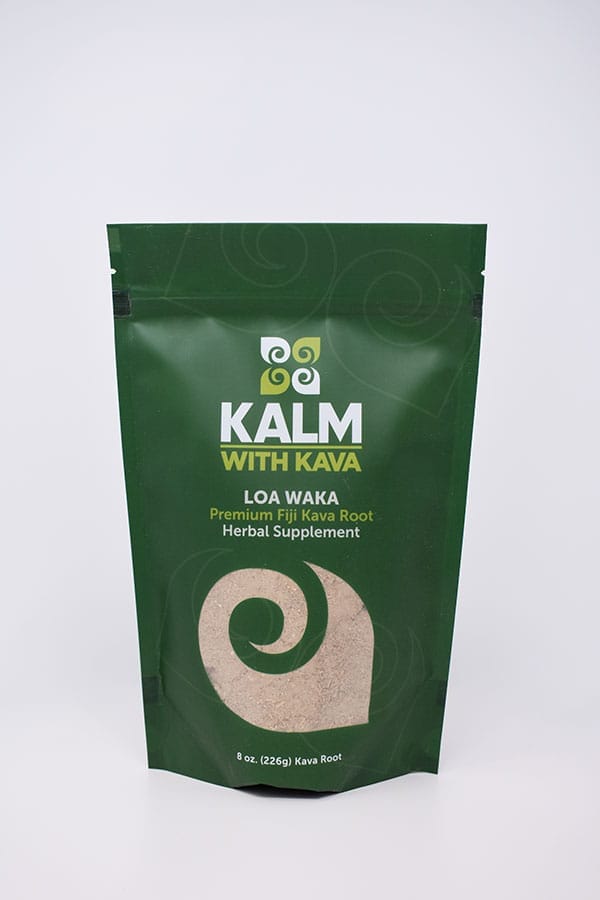
Bula Kava House — Borogu
Bula Kava House
A named, heavy (DHM-forward) Vanuatu cultivar — the grounded, evening end of kava for people drawn to valerian's settle-down character.
Our verdict: If what pulls you toward valerian is the idea of a grounded, settle-down evening, the closest thing on the kava side is a heavy cultivar — and Borogu is the one the community reaches for first. It's a named, DHM-forward Vanuatu noble that opens with a gentle lift and settles into deep, physical calm, so it leans evening by nature. Where kava and valerian part ways is the rest of it: this is a prepared ritual you can share, with a clear head, an hour or so before bed — not a solitary cup right at lights-out. Our pick for the drinker who wants kava's grounded end.
Lab report: A named Vanuatu noble cultivar (Borogu) — the community's reference heavy, DHM-forward chemotype, knowable because it's a named single-origin variety.
If valerian's appeal to you is the heavy, settle-down evening, kava has its own version of that — and it's the heavy end of the axis. When the kava community describes a "heavy" kava — the grounding, heavy-limbed, melt-into-the-couch profile — Bula Kava House's Borogu is one of the first names they cite. Borogu is a noble Vanuatu cultivar widely treated as a DHM-forward daily-drinker: it tends to open with a gentle, agreeable lift and then settle into the deep, physical calm that suits the end of a day. It is the grounded, evening road on the kava side.
The honest trade-offs are the traditional-powder ones: real preparation (you knead and strain the ground root), an earthy, peppery, acquired taste, and a named cultivar's reputation rather than a printed milligram number. Prepare it roughly 60–90 minutes before bed for the classic evening wind-down (our best kava for winding down guide covers timing in full, and how to make kava walks the brewing). And the rules that matter most: this is an evening relaxant in the Pacific tradition, not a sleeping pill; it can cause drowsiness, so never drive after a session; never stack it with other sedating substances; and never, ever mix it with alcohol — Bula Kava House sells the brewing gear too, but a drink is the one thing you never add to the bowl.
Who should buy it
Buy Borogu if the thing drawing you toward valerian is the grounded, settle-down evening — and you'd rather have kava's social, clear-headed, feel-it-tonight version of that, prepared as a ritual roughly an hour before bed. As a named, DHM-forward Vanuatu noble, it's the community's reference heavy cultivar and about as predictable as a traditional evening kava gets. It's the pick for the drinker ready to knead and strain a real bowl rather than steep a quiet cup.
What we don't like
It's a traditional powder, so expect kneading, straining, and an earthy, peppery taste — and no printed potency number; you're trusting the cultivar's documented reputation. "Heavy" describes its character, not a guarantee of how any one batch will feel, since profiles vary lot to lot. And, plainly: it is not a sleeping pill and it is not the silent right-at-lights-out cup — if a solitary bedtime tea is precisely what you want, that's the valerian lane, not this. Disrupted sleep is a doctor's question, not a kava (or valerian) one.
- Axis lean
- Heavy — DHM-forward Vanuatu cultivar (community consensus)
- Cultivar
- Borogu — a named noble Vanuatu variety
- Format
- Traditional root powder — prepared and strained
- Best for
- The grounded, evening end of kava — the social, feel-it-tonight wind-down
- Disclosure
- Named single-origin noble cultivar (knowable, heavy-leaning chemotype)
What we like
- The community's archetypal heavy, evening chemotype — grounded by nature
- Named noble Vanuatu cultivar, so the heavy lean is knowable in advance
- A shareable, clear-headed ritual — kava's social answer to a quiet cup
- From a long-standing dedicated kava house that also stocks the brewing gear
Worth noting
- Traditional preparation required — kneading and straining
- Earthy, peppery taste and no printed potency number
- Not a sleeping pill and not the solitary lights-out cup — that's the valerian lane
More kava worth comparing
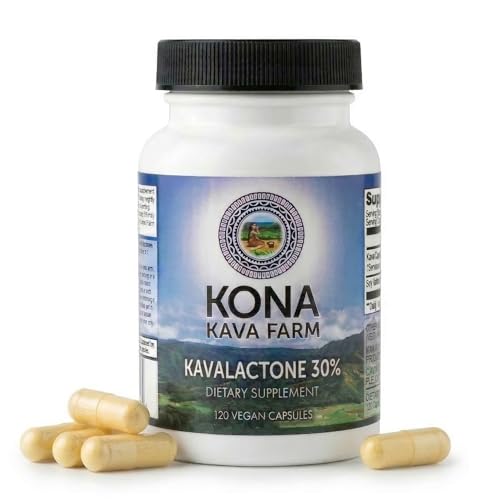
Beyond this guide: the highest-rated kava across every format, kavalactones verified, with a live price check on each.




As an Amazon Associate we may earn from qualifying purchases, at no cost to you. 21+.
How we chose
We compare kava and valerian the way a person actually decides between them — by the shape and hour of the wind-down (a social evening ritual vs a quiet near-bedtime cup), the traditions behind each plant, onset and character, taste and smell, and who each suits — not by chasing a "winner." The kava side reflects the same hands-on, COA-first standard we apply across this site: we favor named noble cultivars and disclosed-dose products, and we treat published lab testing as the price of entry.
On the valerian side we stay deliberately neutral and general. We do not sell valerian, we recommend no valerian brands, and we make no medical claims about it; we describe how valerian is traditionally used and how people commonly characterize the experience so the comparison is honest — not so we can route you to a product. No brand paid for placement here — not on the kava side, not anywhere. Our only commercial interest is in the kava products we link, and we'd rather tell you kava isn't your answer than sell you the wrong kind of evening.
Everything here is experiential and lawful. Neither kava nor valerian is presented as a treatment for any condition — not insomnia, not anxiety, not anything. Effects vary person to person, both are for adults 21+, and none of this is medical advice. A specific, firm caution we repeat throughout: do not stack sedating substances, talk to a doctor before either if you take medications, and never mix kava with alcohol.
Key terms
- Kavalactones
- The family of active compounds in kava root that give it its relaxing character — chiefly six of them, with the ratio (a kava's "chemotype") shaping how it feels. A kava's strength is usually described by its total kavalactone content, which is why a disclosed-dose can or a published lab figure matters: it tells you how much you're actually getting. Our kavalactones explainer goes deeper.
- Heavy chemotype
- The grounded, physical, settle-down end of the kava axis — heavy-limbed, melt-into-the-couch, suited to the evening. The community associates it with DHM-forward chemotypes; Vanuatu's Borogu is a reference example. It's the kava end that rhymes most with why people reach for a quiet bedtime herb, though kava stays clearer-headed and more social. See Heady vs Heavy Kava.
- Valerian (Valeriana officinalis)
- A temperate flowering herb whose root has been used for centuries as a bedtime herbal tea, often as an ingredient in nighttime tea blends. People commonly describe a heavier, drowsier, settle-down character and a notably pungent, earthy-sweaty smell, and tend to drink it quietly and alone near lights-out. We describe its traditional use and how people characterize it — we make no claim that it treats sleeplessness or anything else, and we sell no valerian.
- Don't-stack-sedatives rule
- The conservative principle behind much of this comparison: things reached for because they're relaxing shouldn't be piled on top of each other, and they shouldn't be combined with sedative medications without a doctor's guidance. It's why we won't endorse taking kava and valerian together, and a separate, firmer line forbids mixing kava with alcohol entirely.
Questions, answered
Is kava or valerian better for relaxing?
Neither is "better" outright — they're shaped for different hours and different moods, so it depends on the job. Kava is a Pacific root you drink whose kavalactones produce an acute, same-session calm you feel within about an hour, with a notably clear, sociable head — a ritual with an arc that leans early-to-mid evening. Valerian is a temperate herb long taken as a quiet bedtime tea, drunk later and usually alone, with a heavier, drowsier character and a famously pungent smell. So if you want a wind-down you can be present and sociable inside of tonight, kava is built for that; if you want a solitary cup near lights-out, that's the lane people reach for valerian. Frame it as which-kind-of-wind-down, not which-is-better. Neither is a treatment for anything; effects vary; 21+, not medical advice.
What's the difference between kava and valerian root?
They're unrelated plants from opposite ends of the world that happen to share a job. Kava (Piper methysticum) is a Pacific root prepared and drunk socially across Oceania, producing an acute, clear-headed, feel-it-tonight relaxation. Valerian (Valeriana officinalis) is a temperate flowering herb whose root has long been used as a quiet bedtime herbal tea in European and other traditions, with a heavier, drowsier character and a strong, earthy-sweaty smell. They are not botanical cousins; kava is communal and mid-evening, valerian is solitary and near-bedtime. We describe both experientially and traditionally — neither is presented as a medicine. 21+, effects vary, not medical advice.
Can you take kava and valerian together?
We can't tell you that's a good idea, and we won't pretend to — there's a real reason for caution. Both are reached for because people find them relaxing, and the conservative principle with anything relaxing is to not stack sedating substances. Whether combining them is appropriate for you depends on your health, your other medications, and factors only a doctor or pharmacist who knows your situation can weigh — so that's the right person to ask, ideally before you reach for either. Experientially, the sensible approach is to introduce one thing at a time, start low, never stack unknowns when you need to be sharp, and honestly, just pick one road rather than layering them. The one separate, firm line is unrelated: never mix kava with alcohol. 21+, effects vary, not medical advice.
Does kava taste or smell like valerian?
No — they're different on both counts. Kava is earthy and peppery, an acquired taste in its traditional brewed form, though ready-to-drink cans tame it considerably. Valerian's root tea is famous for something more pungent: an earthy, sweaty-sock smell that many people find genuinely off-putting, which is why it usually shows up blended with mintier or sweeter herbs in nighttime teas. If aroma is a dealbreaker for you, that's a real point of difference, and kava's canned formats are generally the more approachable on smell and taste alike.
Is kava stronger than valerian?
"Stronger" is the wrong yardstick, because they're not on the same scale or for the same hour. Kava produces a clear, acute effect you can feel in a single evening session — most people would call that the more noticeable, sociable experience tonight. Valerian, by the way people describe the traditional bedtime cup, is a quieter, drowsier, settle-down character taken closer to lights-out and usually alone. So they feel different rather than one simply being "more" than the other; comparing their strength head-to-head mostly tells you they're built for different moments. Effects vary; neither is a medicine; 21+, not medical advice.
Which is better right before bed — kava or valerian?
It depends on what you mean by "right before bed." Valerian's whole tradition is the quiet cup near lights-out — solitary, late, a settle-down. Kava is more of an early-to-mid-evening ritual; when people do use a heavy kava toward the end of the day, they tend to drink it roughly 60–90 minutes before bed rather than right at the pillow, because it's a prepared session with an arc, not a last-sip nightcap (our winding-down guide covers timing). So if you specifically want the very last thing before turning off the light, that's closer to the valerian lane; if you want a wind-down with a bit more arc earlier in the evening, that's kava. Crucially, neither is a sleeping pill, neither treats insomnia, and you should never stack sedating substances — talk to a doctor if you take any medication. Not medical advice.
Why do you only recommend kava products and not valerian ones?
Because we sell kava and we don't sell valerian — and we think it's more honest to say that out loud than to bury it. The kava pick in this guide is a real product we link and earn a commission on if you buy through it; valerian we cover neutrally, recommend no brands for, and make no money on. That asymmetry is exactly why we'll happily tell you when the valerian lane fits your goal better — the quiet bedtime cup is a legitimately different thing from kava's social evening ritual. Our credibility is the business, so we'd rather lose a click than steer you to the wrong kind of wind-down. No brand paid for placement here. Effects vary; neither is a treatment for anything; 21+, not medical advice.
Keep reading
Best Kava for Winding Down
If kava's the road you're leaning toward for the evening, this is the chooser — heavy picks, timed by how close to bed you are.
Heady vs Heavy Kava
The chemotype chooser — why heavy is the grounded, evening side, and how to read it before you brew.
What Is Kava? The Complete Guide
The full rundown on the plant, the kavalactones, what it feels like, and how to start — the foundation under this comparison.
Kava and Alcohol
The one hard rule: why kava and alcohol should never be combined — the firm line behind every wind-down guide here.