How to Store Kava: Powder, Prepared & Shelf Life (2026)
Dry kava powder and brewed kava are two completely different storage problems, and conflating them is why people throw out good root and drink bad batches. Store dry root airtight, cool, dark, and dry and a sealed bag keeps for roughly a year or two; brewed kava is a perishable plant liquid that lives in the fridge for about two to three days, full stop. Here's the honest playbook for both — the four enemies, the freezer question, travel and portioning, and the real signs a batch has turned.
By The Kava Review DeskUpdated 2026-07-26~7 min read Ranked by the lab reportHow we research
Store dry kava powder airtight, cool, dark, and dry and a sealed bag keeps for roughly one to two years; store brewed kava sealed in the fridge and drink it within about two to three days. Those are the two answers, updated July 2026, and the reason most storage advice is confusing is that it blurs them together. Dry root is a shelf-stable pantry good. Brewed kava is a perishable plant liquid measured in days. Treating one like the other is how people end up tossing perfectly good root or drinking a batch that turned.
For dry powder, the mechanism is simple: kava root is a dried botanical, and like any dried herb or spice it doesn't expire on a hard date so much as it slowly fades. Four things drive that fade (air, heat, light, and moisture), and every storage rule below is just a way of denying the powder one of the four. Get all four right (airtight container, cool dark cupboard, away from the stove and the window) and a sealed bag of good root holds up for a year or two before the aroma and strength noticeably soften. Get them wrong, with the bag clipped half-open on a sunny counter above the oven, and the same root can feel tired in a few months.
Prepared kava is fragile on purpose, because the whole point of the prep was to pull a starchy, plant-rich liquid out of the root. Refrigerated in a sealed container it's at its best within the first 24 hours, reasonable for about two to three days, and not worth drinking much past that. House rules apply: kava is a 21-and-up evening drink, this is practical storage guidance rather than medical or safety advice, and when in doubt about whether something has gone off, the cheap move is to make a fresh batch, since root keeps for months precisely so you can.
The short version
- Two different problems: DRY kava powder is pantry-stable for roughly 1–2 years sealed; BREWED kava is perishable and lasts about 2–3 days refrigerated. Don't apply one's rules to the other.
- The four enemies of dry kava are air, heat, light, and moisture. Beat all four — airtight container, cool dark cupboard, away from steam — and the powder holds its strength and aroma far longer.
- Best dry-storage setup: original bag squeezed of air inside an airtight jar or zip bag, in a cool dark cupboard. Not the fridge (humidity/condensation), not above the stove, not on a sunny shelf.
- Freezing is the long-term move: double-bagged and airtight, dry kava keeps well past a year in the freezer — but let it return to room temperature sealed before opening so condensation doesn't dampen the powder.
- Brewed kava: refrigerate in a sealed container, drink within ~2–3 days, always serve cold, and shake before pouring (it separates — that's settling, not spoilage). Never leave it out overnight.
- Kava fades, it doesn't dramatically 'go bad' when dry — old root mostly just gets weaker. Trust your nose and eyes: musty, sour, or off smells, clumping, or any sign of mold means throw it out.
Our top-rated kava
Whatever you decide, these are the kavas we recommend: lab report read, kavalactones verified, ranked by cost per 100 mg. Live price check on each.


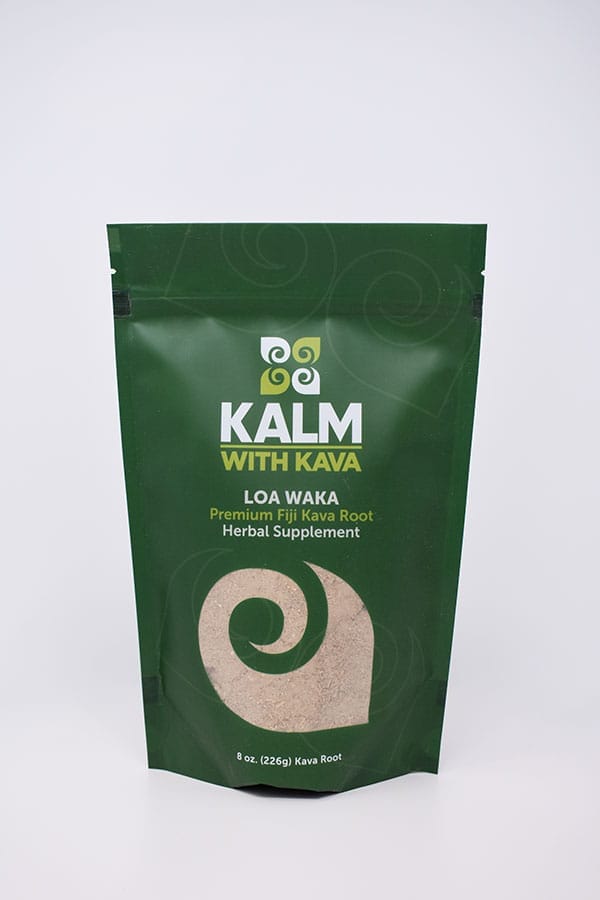


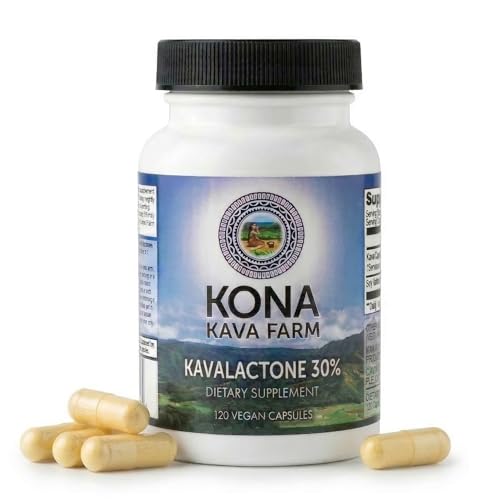
As an Amazon Associate we may earn from qualifying purchases, at no cost to you. 21+.
Dry kava powder: the four enemies, and how to beat all four
Every rule for storing dry kava is really one rule said four ways: deny the powder air, heat, light, and moisture. Ground kava root is a dried botanical — closer to a spice or a loose-leaf tea than to a fresh food — and what degrades a spice degrades kava. The kavalactones and aromatic compounds you paid for don't vanish on a date; they slowly oxidize and dissipate, and the four enemies are simply what speeds that up. Control them and a sealed bag of quality root holds its strength and its earthy aroma for roughly one to two years. Ignore them and the same root can feel flat and stale within months.
Here's what each enemy does, and the fix:
Air (oxidation). Oxygen is the slow thief. The more air touching the powder — and the more times you open the bag — the faster the aroma flattens and the strength softens. Fix: keep it as airtight as you can. Squeeze the excess air out of the original resealable bag, or decant into a jar with a tight lid; for long hauls, vacuum-sealing or a one-way-valve bag is the gold standard.
Heat. Warmth accelerates every kind of degradation and can also drive moisture around inside a container. Fix: store cool and stable. A cupboard away from the oven, dishwasher, and any heat-throwing appliance beats a shelf right next to the stove.
Light. Direct light — sunlight especially — breaks down botanical compounds over time, which is why good herbs come in opaque or amber packaging. Fix: keep kava in the dark. An opaque container or a closed cupboard does the job; a clear jar on a sunny windowsill is the worst of both worlds.
Moisture. This is the one that turns a fading problem into a throw-it-out problem. Dry kava should stay bone dry; introduce humidity and you invite clumping and, in the worst case, mold. Fix: keep water far away. Never scoop with a wet spoon, never store it over a steaming kettle or sink, and seal it before humidity creeps in.
How long does dry kava last? (And does it 'expire'?)
The honest answer: dry kava doesn't expire on a cliff — it fades on a slope. Stored well (airtight, cool, dark, dry), a sealed bag of quality kava powder keeps its strength and aroma for roughly one to two years. It rarely becomes unsafe in that window the way a perishable food does; what happens instead is that it gradually gets weaker and loses the pungent, peppery aroma that signals fresh root. Many vendors print a 'best by' date a year or two out, and that date is about peak quality, not a hard safety wall.
What moves the number within that range is, predictably, the four enemies. The same bag can feel tired in a few months if it lived clipped half-open on a warm, sunny counter — or stay lively well past a year if it was sealed tight in a dark cupboard. The packaging matters too: an unopened, factory-sealed bag outlasts one you've been dipping into nightly, because every open is a dose of fresh air. And the form has an effect — finely milled or micronized powders have more surface area exposed to air than coarser traditional grinds, so they tend to fade a touch faster once opened.
| What you're storing | Where | How long it holds | The catch |
|---|---|---|---|
| Dry powder, unopened factory seal | Cool, dark, dry cupboard | Roughly 1 to 2 years | Outlasts a bag you dip into nightly |
| Dry powder, opened and resealed | Airtight jar or squeezed-out bag, dark cupboard | Toward the shorter end of 1 to 2 years | Every opening is a fresh dose of air |
| Dry powder, fine grind or micronized | Airtight, dark cupboard | Fades a touch faster once opened | More surface area exposed to air; clumps fast if humidity gets in |
| Dry powder, long-term backstock | Freezer, double-bagged or vacuum-sealed, portioned | Well past a year | Thaw sealed to room temperature or condensation waters the powder |
| Dry powder | Refrigerator | Not recommended | Humidity and condensation invite clumping |
| Brewed kava, sealed container | Refrigerator | Best within 24 hours, reasonable about 2 to 3 days | Separates as root settles; shake before pouring |
| Brewed kava | Left out at room temperature | Pour it out | A starchy plant liquid spoils like one |
| Capsules, opened concentrates, opened cans | Per the label; wet formats go cold | Label date for dry; finish opened liquids promptly | The bottle's own guidance outranks any general rule |
Should you freeze or refrigerate dry kava?
Two different answers, and people mix them up. The fridge is the wrong tool for dry kava. A refrigerator is a humid environment, and every time you take a cold bag out into a warm room, condensation forms — you're slowly introducing exactly the moisture you're trying to keep out, and that invites clumping. For everyday storage, a cool dark cupboard beats the fridge every time.
The freezer, on the other hand, is the legitimate long-term play — the move if you bought in bulk, stocked up on a favorite cultivar, or simply won't get through a bag for a long while. Cold slows oxidation to a crawl, and double-bagged or vacuum-sealed dry kava keeps its character well past a year in the freezer. The technique is what matters:
1. Make it genuinely airtight and dry before it goes in. Press the air out and double-bag, or vacuum-seal. Any moisture sealed in with the powder will freeze along with it, so the powder must be dry going in.
2. Portion before freezing if you can. Freezing and thawing the same bag repeatedly is where condensation sneaks in. Split a big bag into session-sized portions so you only ever thaw what you're about to use and leave the rest untouched.
3. Thaw sealed, to room temperature, before opening. This is the step people skip. Take a portion out and let it come back to room temperature while still sealed, so any condensation forms on the outside of the bag instead of dampening the powder. Then open. Skip this and you've just watered your kava.
Storing prepared (brewed) kava: a perishable, not a pantry good
Once you've kneaded a batch, the rules flip completely. Brewed kava is a perishable plant liquid, and it belongs in the fridge with a short clock on it. Refrigerated in a sealed container, prepared kava is at its best within the first 24 hours and reasonable for about two to three days. Past that, the flavor falls off and quality declines, and it stops being worth drinking — the smarter move is almost always to brew a fresh, smaller batch, which is easy precisely because the dry root keeps for so long.
A few practical notes that trip people up:
It will separate — that's normal. Suspended root settles to the bottom in the fridge, leaving cloudy sediment under clearer liquid. That's gravity, not spoilage. Shake or stir thoroughly before pouring, and you're back to an even brew. (Worth knowing the difference: settling re-mixes smoothly; spoilage smells off and won't.)
Always serve it cold. Chilled kava is dramatically more drinkable than warm — the earthy edge softens noticeably — so refrigeration does double duty: it keeps the batch and it improves the drink. Make a batch, chill it an hour, pour over ice.
Never leave brewed kava out at room temperature overnight. It's a starchy, plant-rich liquid and it spoils like one. A batch left on the counter all night should be poured out, not rescued. Keep it sealed and cold from the moment it's made.
Sealed beats open. A jar or bottle with a tight lid keeps the brew from picking up fridge odors and slows the decline; an open pitcher does neither. And don't forget the second wash exists for exactly this reason — it lets one measure of root cover a long session, so you brew to fit the evening instead of over-brewing and storing a surplus you'll never finish.
Concentrates, instant, cans, and capsules: the easy cases
Not everything is loose powder or fresh brew. The other formats are mostly simpler:
Instant kava and micronized powder follow the dry-powder rules — airtight, cool, dark, dry — with one footnote: because they're processed and finely milled, they're especially sensitive to moisture and will clump fast if humidity gets in. Keep the scoop dry and the seal tight. Shelf life is in the same general year-ish-plus ballpark as traditional grind when stored well.
Liquid concentrates and tinctures are typically more stable than a fresh brew thanks to their formulation, but follow the label: most prefer a cool, dark spot, and some say to refrigerate after opening. The bottle's own guidance wins over any general rule.
Canned and bottled kava drinks are sealed, commercial beverages — store them like any other canned drink (cool and dark, the pantry or the fridge), respect the printed best-by date, and refrigerate after opening and finish promptly, since once opened they're on the same short clock as any prepared beverage. Cold is also just how they taste best.
Capsules are the most forgiving format of all: keep the bottle closed, cool, dry, and out of the sun, and honor the expiration on the label. The capsule shell and packaging do a lot of the air-and-moisture work for you.
Travel and portioning: keeping kava good on the move
Kava travels well as long as you respect the same four enemies. The trick is portioning: pre-measure single sessions into small airtight bags or containers before you go, so you're carrying exactly what you need and the main supply stays sealed at home. Pre-portioning does triple duty — it keeps the bulk bag from being opened repeatedly, it makes prep on the road trivial (no scale, no scooping), and it keeps each portion airtight until the moment you use it.
A few road notes:
Keep it cool and dry in transit. A hot car trunk or a steamy gym bag is the worst place for kava — heat plus humidity is two enemies at once. A sealed bag in the main cabin, away from sun and damp, is fine for a trip.
Single-serve and no-knead formats are the travel-friendliest. Instant kava (just stir into water), a pre-loaded shaker, or canned/capsule formats spare you the strainer-bag routine in a hotel room. Loose traditional grind travels fine too — it's just more setup on arrival.
Brew fresh at the destination rather than carrying a batch. Because dry kava keeps and brewed kava doesn't, the move is to transport the powder and make it where you land, not to knead a batch at home and haul a perishable liquid for days. If you must carry prepared kava for a short trip, keep it cold (a cooler or insulated bottle) and treat the two-to-three-day clock as if it's still running.
If you're crossing borders, check the rules first. Kava's legal status varies by country and even by region, so confirm what's permitted at your destination before packing it — see our legality overview for the lay of the land. This is logistics, not legal advice.
How to tell if kava has gone bad
For dry kava, the honest framing is that well-stored powder is far more likely to fade than to spoil — old root usually just gets weaker and loses its aroma rather than turning dangerous. So the most common 'is this still good?' answer is simply: it's probably fine, just past its prime, and a stronger ratio or a longer knead may be all it needs. That said, dry kava can go genuinely bad if moisture got in, and the signals are unmistakable once you know them.
Trust your senses, in this order:
Smell. Fresh kava smells earthy, peppery, faintly woody. A musty, sour, fermented, or otherwise 'off' smell is the clearest red flag — if it doesn't smell like kava anymore, don't drink it.
Look. Dry powder should be a loose, consistent tan-to-brown. Hard clumping (a sign moisture got in) is a warning; any spots of fuzzy growth, unusual discoloration, or anything resembling mold means throw the whole bag out without hesitation. Mold is not a 'scoop around it' situation.
For brewed kava, the clock does most of the work: within two to three refrigerated days you're fine; beyond that, trust the same nose-and-eyes test. A sour or genuinely 'off' smell, an unexpected fizz or bubbling (a sign of fermentation), or a slimy texture all mean pour it out. Remember the difference between settling and spoilage: separated layers that re-mix cleanly when shaken are normal; a smell or texture that's clearly wrong is not.
Ready to try one? Start with our verified picks
Wherever this guide landed you, these are the kavas our lab-report standard keeps ranking on top. Live price check on each.
As an Amazon Associate we may earn from qualifying purchases, at no cost to you. 21+.
Key terms
- The four enemies
- Air, heat, light, and moisture — the four conditions that degrade dry kava. Every dry-storage rule is just a way of denying the powder one of them. Control all four and a sealed bag holds its strength for roughly a year or two.
- Airtight storage
- Keeping oxygen away from dry kava — the original bag with the air pressed out and re-sealed, a jar with a tight lid, or vacuum-sealing for the long haul. Oxidation is the slow thief that flattens aroma and softens strength over time.
- Shelf life vs. expiration
- Dry kava fades on a slope rather than expiring on a cliff. A 'best by' date marks peak quality, not a hard safety wall; well-stored powder mostly just gets weaker with age rather than unsafe — unless moisture got in.
- Separation (settling)
- In refrigerated brewed kava, suspended root sinks to the bottom, leaving sediment under clearer liquid. It's gravity, not spoilage — shake or stir before pouring. Spoilage, by contrast, smells off and won't re-mix away.
- Second wash
- Re-kneading already-used root in less water to recover a gentler batch. Relevant to storage because it lets one measure of root cover a long session, so you brew to fit the evening instead of over-brewing a surplus you'd have to store.
Questions, answered
How long does dry kava powder last?
Stored well — airtight, cool, dark, and dry — a sealed bag of quality kava powder holds its strength and aroma for roughly one to two years. Dry kava doesn't expire on a hard date the way perishable food does; it fades on a slope, gradually getting weaker and losing its peppery aroma rather than becoming unsafe (assuming no moisture got in). The 'best by' date many vendors print marks peak quality, not a safety wall. Lean toward the shorter end for finely milled or micronized powders and for bags you open often, since every open is a dose of fresh air; an unopened, sealed bag stored in a dark cupboard easily holds up past a year.
What's the best way to store kava powder?
Beat the four enemies — air, heat, light, and moisture — in one move: keep the powder in an airtight container (the original bag with the air squeezed out, re-sealed and tucked inside a jar or second zip bag) in a cool, dark, dry cupboard, away from the stove and out of direct sunlight. That's the whole setup; you don't need anything fancier for day-to-day storage. The two things to avoid are the fridge (humidity and condensation work against you) and anywhere warm, bright, or steamy. For long-term backstock you won't get through soon, the freezer is the upgrade — see the freezing question below.
Can you freeze kava?
Yes, and freezing is the best long-term option for dry kava you won't use soon — cold slows oxidation dramatically, and airtight, double-bagged or vacuum-sealed powder keeps its character well past a year in the freezer. Three rules make it work: (1) make it genuinely airtight and dry before freezing, since any sealed-in moisture freezes with it; (2) portion into session-sized amounts first, so you never have to thaw and refreeze the whole supply; and (3) let each portion return to room temperature while still sealed before you open it, so condensation forms on the outside of the bag rather than dampening the powder. Skip that last step and you'll water your kava. Freezing is for dry powder, not brewed kava.
How long does prepared (brewed) kava last in the fridge?
Refrigerated in a sealed container, brewed kava is at its best within the first 24 hours and reasonable for about two to three days; past that, the flavor and quality fall off and it's not worth drinking. It will separate in the fridge as suspended root settles to the bottom — that's gravity, not spoilage, so shake or stir before pouring. Always serve it cold (chilled kava is far more drinkable anyway), keep it sealed to avoid fridge odors, and never leave a batch out at room temperature overnight, since it's a starchy plant liquid and spoils like one. Because dry root keeps for months, the smart move is to brew smaller batches to fit the evening rather than store a surplus.
Should kava be refrigerated?
It depends on which kava. Dry powder should NOT go in the fridge for everyday storage — refrigerators are humid, and moving a cold bag into a warm room creates condensation, slowly introducing the very moisture you want to keep out (a cool, dark cupboard is better). Brewed kava, on the other hand, absolutely should be refrigerated, sealed, and used within about two to three days. Opened liquid concentrates and opened canned drinks also belong in the fridge and should be finished promptly. So: dry stays in the cupboard (or freezer for long-term), anything wet goes cold.
How can I tell if kava has gone bad?
Use your senses. Dry kava that's been stored well is much more likely to have simply faded — gotten weaker and less aromatic with age — than to have spoiled, and faded root is safe, just underwhelming (a stronger ratio or longer knead may revive it). True spoilage shows up as a musty, sour, or otherwise 'off' smell, hard clumping (moisture got in), or any fuzzy growth, unusual discoloration, or mold — and mold means throw out the entire bag, no scooping around it. For brewed kava, beyond the two-to-three-day window watch for a sour or off smell, unexpected fizzing or bubbling, or a slimy texture. When genuinely in doubt, pour it out: a wasted brew is cheap, and the dry root keeps for months so a fresh batch is always close.
Does kava lose potency over time?
Yes, gradually. The compounds responsible for kava's strength and aroma slowly oxidize and dissipate with exposure to air, heat, light, and moisture, so even well-stored powder eases off over many months and a year-plus. That fade is exactly what good storage slows down: airtight, cool, dark, and dry conditions keep a bag near its peak far longer, while a bag left open on a warm, sunny counter can taste tired within months. If an older batch brews weak, age may be the reason — but before blaming storage, rule out the usual culprits of a weak session (too short a knead, too little root, or kava's reverse tolerance on early sessions).
Can I store kava in the original bag it came in?
For the short term, yes — most kava ships in a resealable bag, and if you press out the excess air and re-seal it tightly each time, keeping it in a cool dark cupboard, that's perfectly adequate for a bag you're actively drinking. The upgrades matter most over longer stretches: decanting into an airtight jar (or slipping the bag inside a second airtight container) better resists air and moisture, and vacuum-sealing or freezing is the move for anything you're keeping for many months. The single habit that helps most regardless of container is minimizing openings and never letting moisture in — a dry scoop, a tight seal, and a dark shelf.
Keep reading
How to Make Kava
Ratios, water temperature, and the 10-minute knead — what to do with the root once it's out of storage.
Best Kava Powder
The roots worth stocking — our ranked picks across budgets and strength profiles.
What Does Kava Taste Like?
The earthy, peppery profile of fresh root — and how it differs from a batch that's faded.
Kava Dosage Guide
How sessions are paced — servings, shells, and the reverse-tolerance curve, in honest numbers.