Is Kava Legal? US, State & International, Honestly (2026)
The short answer is yes — kava is legal to buy, sell, possess, and drink everywhere in the United States, and it is not a controlled substance. The longer answer is where the nuance lives: a federal advisory that was never a ban, a regulatory line between "dietary supplement" and "food" that explains why some cities have pushed back on kava bars, age rules that are mostly house custom rather than law, and a patchwork of foreign laws that turns a legal product at home into a banned one in a handful of countries. Here is all of it, attributed and plain — and explicitly not legal advice.
By The Kava Review DeskUpdated 2026-06-12~6 min read Ranked by the lab reportHow we research
"Is kava even legal?" is the first question almost everyone asks, and it deserves a clean answer before any caveats: yes. In the United States, kava is legal at the federal level, it is not a scheduled or controlled substance, and adults can buy it, own it, and drink it without breaking any federal law. It sits on the shelf as a dietary supplement, alongside vitamins and herbal extracts. That is the headline, and it has been true for decades — including through the one event people most often mistake for a ban.
That event was the FDA's March 2002 consumer advisory, which warned that kava-containing supplements had been associated, in some case reports, with rare but serious liver injury. An advisory is a caution, not a prohibition — kava remained legal to sell and buy before, during, and after it. We cover the safety question itself in our companion guide; this page is strictly about the law. But the advisory matters here because it seeded a persistent myth, and because it sits underneath a genuine regulatory wrinkle that is worth understanding honestly rather than glossing over.
That wrinkle is the line between kava as a supplement and kava as a beverage — a technicality that explains why a kava-bar lawsuit can make the news while the bag of kava powder on your counter is unambiguously legal. Below we give the direct US answer, the supplement-versus-food nuance done straight (because we review canned kava and won't pretend the question doesn't exist), the age norms that are house custom more often than statute, an international snapshot in table form, and the practical travel answers. Throughout, sources are attributed. None of this is legal advice — for your specific situation, confirm with a professional or your local authority.
The short version
- Kava is legal everywhere in the United States. It is not a controlled substance, and no state bans the kava plant or general possession — it is sold federally as a dietary supplement (FDA Office of Dietary Supplements; LegalClarity).
- The 2002 FDA advisory was a liver-safety caution, not a ban. Kava remained legal to sell and buy before, during, and after it (FDA).
- The real nuance: the FDA treats kava as an unapproved food additive in conventional foods and beverages, while kava as a single-ingredient water-steeped tea is treated as food. This is why a 2025 court upheld New York City's ban on serving steeped kava drinks in food establishments — the plant itself stayed legal (Nutraingredients; Venable LLP).
- There is no federal minimum purchase age. Most retailers and kava bars voluntarily set 18+ or 21+; a few localities add their own rules (Kava Krave; RealBotanicals).
- Internationally it is a patchwork: legal across the Pacific exporters, Germany's ban was lifted by court order in 2024, the UK ban largely persists, Canada allows possession but blocks domestic sale, Australia permits 2–4 kg personal import, and Poland is the rare outright ban (Herbal Reality 2025 overview).
At a glance
| Country / Region | Status | Note |
|---|---|---|
| United States | Legal | Federally legal everywhere as a dietary supplement; not a controlled substance. Beverage-sale lane contested (NYC ban upheld 2025); HI & MI recognize it as GRAS. |
| Vanuatu / Fiji / Tonga | Legal | Pacific producers; deeply traditional. Export is regulated for quality (e.g. Vanuatu's Kava Act, noble-only export), not restricted for danger. |
| Australia | Legal (regulated) | Legal for personal use; personal import allowed (long-standing 2 kg allowance, since expanded toward 4 kg), 18+, must travel in accompanied baggage. |
| New Zealand | Legal | Legal to buy, sell, and use; import quantity limits apply. Significant Pasifika cultural use. |
| Germany | Legal again | Earlier prohibition lifted by the Administrative Court of Cologne in June 2024 as disproportionate and unsupported by current evidence. |
| United Kingdom | Largely restricted | Sale of kava has been prohibited since the early 2000s and the restriction largely persists, though the precise status is unsettled. |
| Canada | Legal to possess; sale blocked | Not banned to possess (per the Natural Health Products Directorate), but a standing 'stop-sale' order blocks domestic vendors from selling it. |
| Poland | Banned | The rare outright ban — illegal to import, sell, cultivate, or possess. The clearest 'do not bring it here' on this list. |
Kava legality around the world — a 2026 snapshot (status changes; verify before you travel or buy)
Our top-rated kava
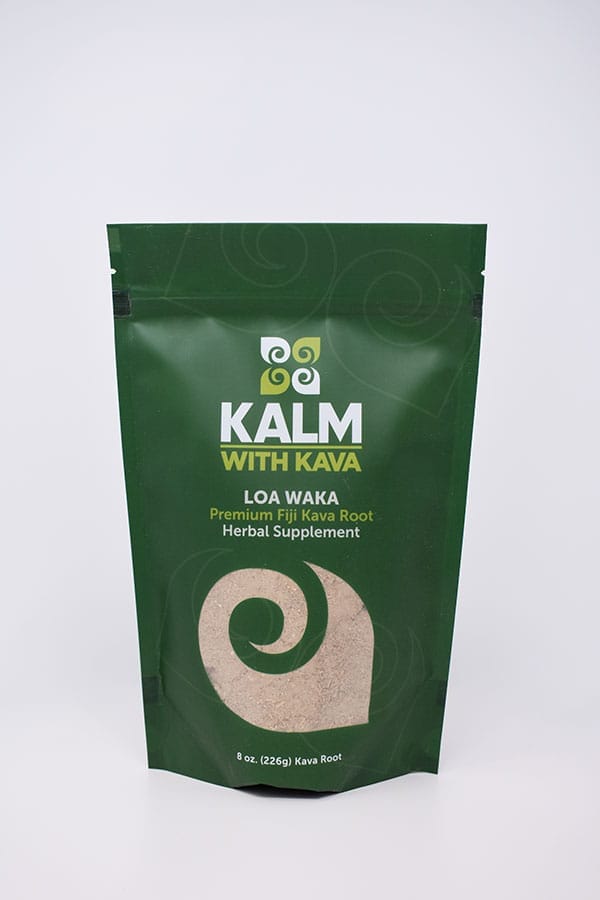
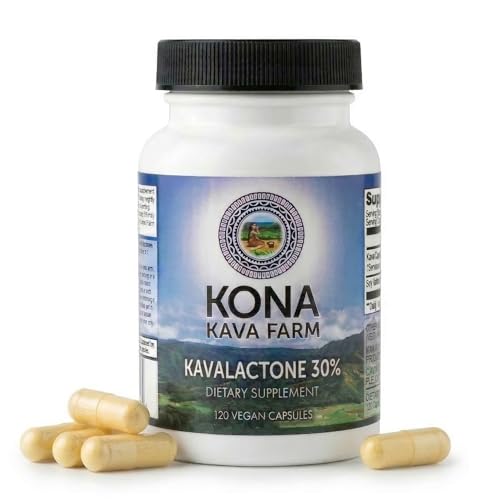
Whatever you decide, these are the kavas we recommend: lab report read, kavalactones verified, ranked by cost per 100 mg. Live price check on each.




As an Amazon Associate we may earn from qualifying purchases, at no cost to you. 21+.
The direct answer: yes, kava is federally legal everywhere in the US
Kava is legal throughout the United States. It is not a controlled substance under federal law, the DEA does not schedule it, and there is no federal prohibition on buying, possessing, or drinking it. At the federal level it is regulated as a dietary supplement — which is why you'll find kava powder, capsules, and extracts sold openly, and why the NIH Office of Dietary Supplements maintains a standard fact sheet on it rather than a warning about its legality.
This holds at the state level too. As legality trackers and law explainers consistently report, no US state bans the kava plant or general possession — kava is permitted in all 50 states (LegalClarity; RealBotanicals). What varies from place to place isn't whether you can own kava — it's the narrower question of how it can be served commercially, which is where the next section comes in.
The FDA nuance, done honestly: supplement vs. food (and why cans exist anyway)
Here's the part most guides skip, and we won't, because we review canned, ready-to-drink kava and you deserve the straight version. The FDA draws a line between two regulatory lanes, and kava lands differently in each.
Lane one — dietary supplement. Sold as a supplement (powder, capsules, a tincture marketed as such), kava is broadly accepted and legal. This is the lane the bag on your counter lives in.
Lane two — conventional food and beverage. Here the FDA's position is more restrictive. In a 2020 memorandum the agency concluded there is no food-additive regulation authorizing kava in conventional foods, and no basis for it to be "generally recognized as safe" (GRAS) for that use — making it, in the FDA's words, an unapproved food additive when added to ordinary foods or drinks (Nutraceuticals World). The notable carve-out: kava steeped in water alone, as a single-ingredient tea, is treated as a food — the traditional preparation survives.
So why do kava cans exist on shelves at all? Because the lanes coexist, the federal posture is enforcement-by-discretion rather than a flat nationwide beverage ban, and some states have pushed the other way — Hawaii and Michigan have affirmatively recognized kava as GRAS at the state level, directly rejecting the FDA's stance (Hawaii Dept. of Health). The honest summary: the supplement lane is settled, the beverage lane is genuinely contested, and the contest is playing out city by city and state by state. We flag this on every canned product we review rather than pretending it's resolved.
Age rules: house custom, not (usually) the law
People assume kava carries an alcohol-style 21+ rule. It mostly doesn't — at least not by statute. There is no federal minimum age to buy kava, the way there is for alcohol or tobacco (Kava Krave). What you encounter in practice is industry self-regulation: most retailers voluntarily set 18+, and physical kava bars commonly require 18+ or 21+ for entry — partly as responsible practice, partly because local business licensing or ordinances can attach age conditions to how a venue operates (RealBotanicals).
A handful of states and localities have written explicit age minimums, and the picture can change, so the rule of thumb is: assume 18+ as a floor, expect some venues and states to require 21+, and check locally. Because this is a wellness root and not a regulated intoxicant in most jurisdictions, the responsible-adult framing is the right one regardless of what any single statute says — and it's the framing we use throughout this site: kava is for adults, 21+ where you're unsure.
The international snapshot: a patchwork, mostly favorable
Cross a border and the clean US answer fragments. Kava is woven into law and tradition across the Pacific producing nations, broadly available in much of the world, and outright banned in only a few places. The 2025 global overview from Herbal Reality is the most current consolidated reference; the table below distills the headline status by country, with the key wrinkle for each.
Two threads are worth pulling out. First, Germany reversed course: the Administrative Court of Cologne lifted the country's kava prohibition in June 2024, a notable correction after years during which the original ban was widely cited as evidence of danger. Second, the Pacific exporters — Vanuatu, Fiji, Tonga — regulate kava to protect quality and tradition, not to suppress it; Vanuatu's Kava Act, for instance, governs noble-cultivar export. Legal status abroad is the rule; an outright ban is the exception.
Travel: flying domestically and importing personal amounts
Flying within the US with kava is legal. As a lawful dietary supplement, kava powder and capsules can go in both carry-on and checked bags. Liquid kava — bottled drinks — follows the ordinary TSA liquids rule (3.4 oz / 100 mL or less in carry-on; larger volumes checked). The practical friction is cosmetic, not legal: TSA may swab an unlabeled powder, so the sensible move is to keep kava in its original retail packaging, carry proof of purchase or a COA, and stick to personal-use quantities to avoid questions (RealBotanicals).
International travel is where you must check first. Because foreign laws diverge, the destination's rules — not your home country's — govern what you can carry in. Two concrete examples: Australia permits travelers to bring kava for personal use (a long-standing 2 kg allowance, since expanded toward 4 kg), with conditions including an 18+ minimum and that it travel with you in accompanied baggage, not shipped separately. Poland, by contrast, bans kava entirely — import, sale, possession — so bringing any in is illegal. Before flying abroad with kava, confirm the destination's customs position directly.
Ready to try one? Start with our verified picks
Wherever this guide landed you, these are the kavas our lab-report standard keeps ranking on top. Live price check on each.
As an Amazon Associate we may earn from qualifying purchases, at no cost to you. 21+.
Key terms
- Dietary supplement lane
- The federal regulatory category kava sits in when sold as a supplement — powder, capsules, or a tincture marketed as such. In this lane kava is broadly accepted and legal nationwide, which is why the bag on your counter is unambiguously lawful.
- The 2002 FDA advisory
- A March 2002 FDA consumer advisory warning that kava supplements had been associated, in rare case reports, with serious liver injury. It was a caution, not a ban — kava remained legal to sell and buy before, during, and after — but it is the single most common reason people wrongly believe kava was prohibited.
- Unapproved food additive (plain-speak)
- The FDA's term for kava when it's added to ordinary foods and drinks: there's no regulation authorizing that use and no GRAS basis for it, so the agency treats it as 'unapproved' in that lane. In plain terms — kava as a supplement is fine, but kava engineered into a conventional food or beverage occupies a contested gray zone the FDA has not blessed. Kava steeped in water alone, as a tea, is the exception and is treated as food.
- Personal import allowance
- The quantity of kava a traveler may bring across a border for their own use, set by the destination country, not the origin. Australia is the textbook example — a long-standing 2 kg allowance (since expanded toward 4 kg), 18+, carried in accompanied baggage. Always the destination's rule that governs.
Questions, answered
Is kava legal in my state?
Almost certainly yes for buying, owning, and drinking it: no US state bans the kava plant or general possession, and kava is permitted in all 50 states as a dietary supplement (LegalClarity; RealBotanicals). The narrower thing that varies is commercial service — a few localities have restricted serving steeped kava beverages in food establishments (New York City's ban was upheld by a federal court in 2025). That limits how venues can sell kava drinks; it does not make the plant illegal to own. None of this is legal advice — if you're opening a business or have a specific concern, confirm with your local authority.
Are there age requirements to buy kava?
There's no federal minimum age, unlike alcohol or tobacco. In practice most retailers voluntarily set 18+, and kava bars commonly require 18+ or 21+ for entry — sometimes as responsible practice, sometimes because local licensing attaches age conditions. A handful of states and localities have written explicit minimums. The safe rule of thumb: treat 18+ as a floor, expect some places to require 21+, and check locally. We use a responsible-adult framing throughout this site regardless.
Can I fly with kava?
Domestically in the US, yes — kava is a legal dietary supplement, so powder and capsules can go in carry-on or checked bags, and bottled kava drinks follow the standard TSA liquids rule (3.4 oz / 100 mL in carry-on, larger volumes checked). To avoid friction, keep kava in its original labeled packaging, carry a receipt or COA, and stick to personal-use amounts — TSA may swab an unlabeled powder. International flights are different: the destination's laws govern, so check that country's customs rules before you pack, because a few countries ban kava outright.
Why was kava banned in Europe?
Several European countries, led by Germany, restricted kava in the early 2000s after case reports linked kava supplements to rare liver injury — the same concern behind the 2002 FDA advisory. The key update: those restrictions have been re-examined and, in Germany's case, reversed — the Administrative Court of Cologne lifted the German prohibition in June 2024, finding it disproportionate and unsupported by current evidence. The UK's restriction has largely persisted, and Poland still bans kava outright, so 'Europe' is not monolithic. This page addresses legality only; we cover the safety science in our separate kava-safety guide.
Is it legal to sell kava?
Selling kava as a dietary supplement is legal in the US, which is why kava powder, capsules, and extracts are sold openly nationwide. The contested area is selling kava as a conventional beverage: the FDA treats kava added to ordinary drinks as an unapproved food additive, and a 2025 federal ruling upheld New York City's ban on serving steeped kava beverages in food establishments. Meanwhile Hawaii and Michigan have recognized kava as GRAS at the state level. So the supplement lane is settled; the beverage lane genuinely varies by jurisdiction. If you're selling, this is a question for a regulatory professional — not legal advice from us.
Can kava bars serve minors?
There's no single federal answer, because there's no federal minimum age for kava. In practice, most kava bars set their own 18+ or 21+ entry policy, and local business licensing or ordinances can impose age conditions on how a venue operates. Some localities have also restricted serving steeped kava beverages in food establishments entirely (as in New York City). So whether a given bar can serve a minor depends on its own policy plus local law — and the prevailing industry norm is to treat kava as adults-only. Check the specific venue and locality; this isn't legal advice.
Keep reading
Is Kava Safe?
The liver question behind the 2002 advisory, what the research actually found, and how to drink kava sensibly.
What Is a Kava Bar?
Inside the social-club format — the bowls, the etiquette, and why local rules sometimes shape how they operate.
What Is Kava?
The root, the ritual, and the basics — a plain-language primer on the Pacific's traditional relaxation drink.