Our Pick: Bula Kava House
Check PriceThe Best Noble Kava (2026): Verified-Origin Picks
Forget the strain names and the kavalactone percentages for a second. The single quality marker that decides whether you're holding good kava or a problem in a bag is whether the root is a noble cultivar — the kind Pacific cultures drink daily — or a tudei one. This guide explains exactly what "noble" means, then ranks the picks where the nobility isn't just claimed on the label but publicly verifiable: a named cultivar, a stated origin, a posted chemotype or COA.
By The Kava Review DeskUpdated 2026-06-17~9 min read Ranked by the lab reportHow we research
 Best Overall
Borogu Traditional Medium Grind
Bula Kava House · 4.7
from $17.60 / 8 oz (~$2.20/oz · ≈$4.40 per 4-cup batch)
 Best Value
Superior Vanuatu Kava Powder
Root of Happiness · 4.6
$35.00 / 8 oz (~$4.38/oz · ≈$8.75 per 4-cup batch)
 Upgrade Pick
Wakacon Fijian Waka Powder
Wakacon · 4.3
$64.99 / 16 oz (~$4.06/oz · ≈$8.12 per 4-cup batch)
If you only ever learn one word of kava vocabulary, make it noble. Not the strain name, not the island, not the kavalactone percentage quoted to one decimal — noble. It's the cultivar class that Pacific Island cultures have shared socially and daily for centuries, the kava their own traditions actually drink, and it is the single most reliable predictor of whether a bag of root will give you a balanced, clear-headed, next-morning-friendly session or a heavy, groggy one. Its counterpart is tudei ("two-day") kava: cheaper to grow, higher-yielding, and — in those same traditional cultures — relegated to medicine and occasional ceremony rather than the everyday bowl. When a Western kava goes wrong, the explanation is very often tudei root that made it into the bag, labeled or not.
So the right question isn't "which kava is strongest" or "which is cheapest" — it's "can this brand prove the kava is noble?" Because here's the catch that organizes this entire guide: you cannot see nobility in a tan powder. "Noble" printed on a label is a claim, and claims are free. The only thing that separates a verified noble from a marketing adjective is what the brand will show you — a named cultivar, a documented single origin, a published chemotype, a downloadable certificate of analysis. That's the bar our picks have to clear, and it's why we left some popular names off: not because their kava is bad, but because they don't publish enough for us to confirm the one thing that matters.
Below we first teach what "noble" actually means — the cultivar distinction, the chemotype tell, the lateral-root grades, and the export law a Pacific nation wrote to protect the standard — and then rank four powders whose nobility is verifiable rather than asserted, each checked against the brand's own pages and listings in June 2026. For the deeper science of why tudei is the thing to avoid, our companion explainer, noble vs tudei kava, is the piece to read alongside this one. The usual ground rules apply throughout: kava is for adults 21+, it can cause drowsiness so don't drive after a session, don't mix it with alcohol, and if you take medications or are pregnant, talk to your doctor first. None of this is medical or legal advice — it's a sourcing guide with a taste note attached.
The short version
- Noble vs tudei is the only quality question that matters first. Noble cultivars are what Pacific cultures drink daily — balanced and clear-headed; tudei is the cheaper, heavier "two-day" kava traditionally kept for medicine. Buy noble for regular drinking, full stop.
- You can't see nobility in a powder, so we rank on what's verifiable: a named cultivar, a documented origin, a published chemotype, and a posted COA — never on price or marketing language alone.
- Bula Kava House's Borogu is our best overall noble: a named single Vanuatu noble cultivar, a Certificate of Analysis published for every current product, and the lowest cost per session on our wider powder shelf.
- Root of Happiness Superior Vanuatu is the proof pick — it actually prints the chemotype (425, a noble pattern) and total kavalactones (6.2%), the closest thing kava has to an ABV figure, which almost no competitor publishes.
- Vanuatu's Kava Act makes noble the legal export standard, and Fiji's waka tradition draws from the same noble lineage — which is why single-origin Vanuatu and Fijian roots dominate any honest verified-noble shortlist.
At a glance
| Product | Origin / cultivar | Chemotype / potency shown | How nobility is verified | Check price |
|---|---|---|---|---|
| Bula Kava House Borogu | Vanuatu noble — Borogu (named single cultivar) | Not printed as a number | Named cultivar + island; COA published for every current product | Check Price |
| Root of Happiness Superior Vanuatu | Vanuatu noble | 425 chemotype · 6.2% total kavalactones | Published noble-pattern chemotype + lactone percentage | Check Price |
| Wakacon Fijian Waka | Fiji noble — waka (lateral roots) | Not printed as a number | Single-origin Fijian; ISO/IEC 17025:2017-accredited lab testing claimed | Check Price |
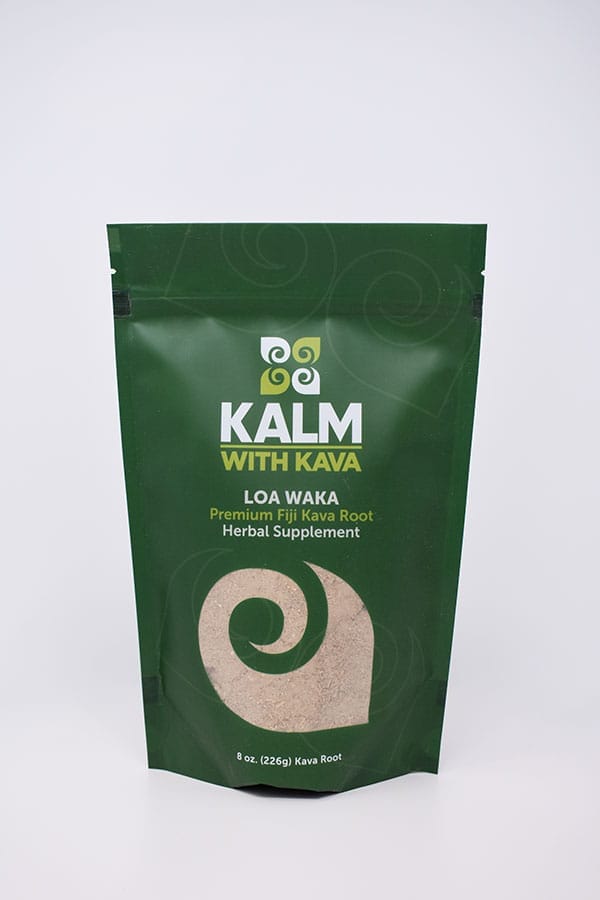
| Kalm with Kava Loa Waka | Fiji noble — Loa Waka (named cultivar) | Not printed as a number | Named noble cultivar; published analysis reads as a noble-pattern chemotype | Check Price |
Our verified-noble picks at a glance — origin, cultivar, and exactly how each one's nobility is verifiable. Prices and disclosures checked June 2026; see our best-kava-powder guide for the full cost-per-session math.
Borogu Traditional Medium Grind
Bula Kava House
A named single Vanuatu noble cultivar with a COA posted for every product — verifiable nobility at the best per-session price.
Our verdict: If "best noble kava" means the one whose nobility you can actually confirm before you buy, this is it. Borogu is a named single noble cultivar — Vanuatu's principal exported daily-drinking kava — and Bula posts a Certificate of Analysis for every current product, the rarest and most valuable transparency habit on the shelf. That it's also the cheapest per session on our wider powder ranking is almost a bonus. This is the benchmark every other noble gets measured against.
Lab report: Publishes a Certificate of Analysis for every current product — the strongest COA habit in our coverage. Borogu is a named Vanuatu noble cultivar; nobility is verifiable, not merely asserted.
The whole point of a noble guide is buying kava you can verify, and Bula Kava House lets you verify the most. The Borogu medium grind is a named single noble cultivar — Borogu, the main daily-drinking kava Vanuatu raises and exports — not an anonymous "premium Vanuatu kava" that could be anything in the bag. Bula has run as a Portland kava bar since 2011, sources directly from the South Pacific, and, crucially, publishes a Certificate of Analysis for every current product. That last part is the difference between a brand that says noble and one that shows it.
In the bowl it behaves the way a good Vanuatu noble should: a balanced, "heady"-leaning calm that drinkers tend to describe as relaxed and sociable rather than heavy-legged, with the earthy-peppery base note and the brisk tongue-tingle that tell you the kavalactones are present and well-extracted. Expect kava's famous reverse tolerance, too — the effect often clicks better on your second or third sitting than your first. As a traditional medium grind it asks for the real routine: a strainer bag, warm water, and about ten minutes of kneading, the method our how-to-make-kava guide walks through. For learning what verified noble kava actually feels like, a named, COA-backed, inexpensive cultivar is exactly the bag to learn on.
Who should buy it
Buy Borogu if you want to learn what real noble kava feels like from a product whose nobility you can confirm rather than trust — a named cultivar, a noble-export origin, and a posted COA. It's the right first half-pound for newcomers, the standing order for traditional-prep drinkers who'd rather knead a strainer bag than stir an instant, and the obvious pick for anyone who comparison-shops by what's actually disclosed.
What we don't like
It doesn't print a chemotype or a kavalactone percentage the way Root of Happiness does, so the strongest single number isn't on the page even though the COA is. And medium grind is the most labor-intensive format here — a strainer bag and ten minutes of kneading every time — so it's the wrong pick if you want an instant. Specific cultivars also rotate by harvest and can sell out.
- Origin / cultivar
- Vanuatu noble — Borogu (named single cultivar)
- Grind
- Traditional medium grind (strainer-bag prep)
- Price / size
- from $17.60 / 8 oz (~$2.20/oz)
- Nobility verification
- Named cultivar + Vanuatu origin; COA published for every current product
- Cost per session
- ≈$4.40 per ~4-cup batch (2 oz prep)
What we like
- Named single noble cultivar (Borogu), not a vague "premium" blend
- Publishes a COA for every current product — the strongest paper trail here
- Vanuatu origin, where noble is the legal export standard
- Balanced, heady noble character — and the lowest cost per session on our powder shelf
Worth noting
- No printed chemotype or kavalactone percentage on the page
- Medium grind means a strainer bag and real kneading — not instant
- Specific cultivars rotate and can sell out by harvest
Superior Vanuatu Kava Powder
Root of Happiness
The only pick here that prints the chemotype — 425, a noble pattern — alongside a 6.2% total-kavalactone figure.
Our verdict: If the chemotype is the most decisive proof of nobility — and it is — this is the bag that actually prints it. Root of Happiness publishes a 425 chemotype on its Superior Vanuatu, a textbook noble pattern that leads with kavain, plus a 6.2% total-kavalactone figure: the closest thing kava powder offers to an ABV. At $35 a half-pound it's a premium pour, but you're paying for a label that proves its nobility in numbers rather than adjectives.
Lab report: Publishes a 425 chemotype and 6.2% total kavalactones on its Superior Vanuatu — the chemotype being the single most decisive chemical signature of nobility. Noble Vanuatu cultivars, low-temp dehydrator dried.
Of every product in this guide, this is the one whose nobility you can read straight off the chemistry. Root of Happiness Superior Vanuatu publishes its chemotype — 425 — and a total kavalactone content of 6.2%. That matters enormously here, because the chemotype is the single most reliable chemical signature of a noble cultivar: noble kavas lead with kavain (4) and dihydrokavain (2), so a noble chemotype reads 42… or 24…, while tudei pushes dihydromethysticin (5) and methysticin (6) to the front. A 425 isn't a marketing word — it's the noble pattern, stated in the open, and almost no one else in the category prints it.
The sourcing backs the numbers. Unlike commodity sun-dried kava, the Superior is dried in a commercial low-temperature dehydrator — a method meant to preserve the kavalactones and volatile oils that heat and sun degrade. In the strainer bag it extracts richly and drinks like a properly heady Vanuatu noble: a relaxed, sociable ease for most people, earthy and peppery, with the unmistakable tingle. At a premium per-session cost it's a connoisseur's pour rather than an everyday value bag — but if your buying instinct is to read the chemistry before you trust the label, no other pick here gives you more to read.
Who should buy it
Buy Root of Happiness if you want to shop nobility by the numbers — the published 425 chemotype and 6.2% lactone figure make it the most quantifiable verified noble on this list, and the right pick for experienced drinkers who want a stated-strong, heady Vanuatu noble they can confirm on paper. If lowest cost per session is your first filter, Bula's Borogu does the verification basics for roughly half the money.
What we don't like
It's roughly double our value pick's per-session cost, so it's a connoisseur's pour, not an everyday one. We'd also love the stated percentages to sit next to downloadable per-batch COAs the way Bula posts certificates — a published number is excellent, a published number plus the lab sheet behind it is better. And it's a traditional grind, so the strainer-bag labor is unavoidable.
- Origin / cultivar
- Vanuatu noble — 425 chemotype, 6.2% total kavalactones (Superior)
- Grind
- Traditional grind (strainer-bag prep)
- Price / size
- $35.00 / 8 oz (~$4.38/oz)
- Nobility verification
- Published noble-pattern chemotype (425) + total-lactone percentage
- Drying
- Commercial low-temp dehydrator to preserve lactones and oils
What we like
- Publishes the chemotype (425) and total kavalactone percentage — the gold tier of nobility proof
- 425 is a textbook noble pattern, leading with kavain
- Low-temp dehydrator drying rather than commodity sun-drying
- Genuinely strong, heady Vanuatu noble character
Worth noting
- Roughly double the per-session cost of our value pick
- Stated percentages would land harder with downloadable per-batch COAs beside them
- Traditional grind means strainer-bag prep every time
Wakacon Fijian Waka Powder
Wakacon
A full pound of single-origin Fijian noble waka, with nobility backed by an ISO/IEC 17025:2017-accredited lab claim.
Our verdict: When you want verified Fijian noble specifically, Wakacon is the single-origin specialist — and it carries the most precise lab credential on this list. "Waka" is the lateral root, the cut Fijian tradition prizes for a brighter, headier, more kavalactone-rich pour, and Wakacon sells it as single-origin Fijian noble with a named ISO accreditation behind its testing. It's a strong, intense pound for the drinker who's decided noble Fijian waka is their lane.
Lab report: Single-origin Fijian noble waka; brand states every batch is tested at a US lab accredited to ISO/IEC 17025:2017, with kavalactone content verified in Fiji. The accreditation is named; per-batch COAs were not posted at our check.
"Waka" isn't a flavor — it's a part of the plant — and verified Fijian noble waka is exactly what Wakacon is built around. Waka refers to the lateral roots of Fijian kava, which carry a higher kavalactone load, run darker, and drink more intensely than the basal "lawena." The Fijian Waka pound is single-origin, named for the root cut, and sold as noble — and that origin matters: Fiji's waka tradition draws from the same noble lineage that makes Vanuatu's kava export-legal, and Fiji doesn't cultivate tudei the way some regions do.
In the bag it's a traditional grind, so the strainer-bag routine applies. As a waka it extracts dark and drinks strong — earthy, peppery, frankly bitter, with a fast and emphatic tongue-numbing tingle that seasoned drinkers read as potency delivered. The pound format is the value play once you've decided noble Fijian waka is the only kava you drink: the per-bowl math improves at scale, but it only works because the nobility is verifiable — a cheap bulk "kava" with no origin is the classic place tudei gets blended in to pad yield. Verify first, buy in bulk second. Newcomers may want a gentler, more balanced noble to start; this is a heavyweight.
Who should buy it
Buy Wakacon if you specifically want strong single-origin Fijian waka — lateral-root noble kava — from a brand that cites a named ISO accreditation for its testing, and you're past the sampler stage and buying by the pound. It's the restock pick for regular drinkers who like an intense, bitter, potent pour and want the nobility provably checked. First-timers should start with a balanced noble instead.
What we don't like
Waka's lateral-root intensity and bitterness make it a tough first kava — balance-seekers and newcomers should start elsewhere. The ISO accreditation is cited more than per-batch COAs are posted for download, so it's a rung below Bula on the verification ladder. And at $64.99 for the pound it's the highest sticker here, a real commitment before you know you like a particular source.
- Origin / cultivar
- Fiji noble — waka (lateral roots), single origin
- Grind
- Traditional grind (strainer-bag prep)
- Price / size
- $64.99 / 16 oz (~$4.06/oz)
- Nobility verification
- Single-origin Fijian; ISO/IEC 17025:2017-accredited lab testing claimed
- Cost per session
- ≈$8.12 per ~4-cup batch (2 oz prep)
What we like
- Single-origin Fijian noble waka — tight, stated sourcing
- Most precise lab credential here — a named ISO/IEC 17025:2017 accreditation
- Strong, heady lateral-root profile for potency-seekers
- Bulk pound format — strong cost-per-bowl once you've verified the source
Worth noting
- Cites the accredited lab more than it posts downloadable per-batch COAs
- Waka's bitterness and intensity make it a hard first kava
- Highest sticker price here at $64.99 — a full-pound commitment

Loa Waka Medium Grind
Kalm with Kava
A named Fijian noble cultivar marketed as "balanced and strong" — the most beginner-friendly verified noble here.
Our verdict: Most newcomers don't want the strongest noble — they want the one that won't scare them off, and Loa Waka is that bag. Loa is a named Fijian noble cultivar the brand markets as "balanced and strong," which in practice means a rounder, less punishing profile than a straight waka, and it's waka — the prized lateral roots. It's the textbook entry into verified noble: a named cultivar, a real root cut, a noble-pattern analysis, in a forgiving package.
Lab report: Loa is a named Fijian noble cultivar; the brand states 100% noble, lab-tested, and its published analysis reads as a noble-pattern chemotype. Sold in both medium grind and micronized; the public COA library is thinner than Bula's.
This is the bag we reach for when someone says "just show me a real noble kava I won't hate." Kalm with Kava's Loa Waka checks the two boxes that decide nobility, in order. First, it's a named noble cultivar — Loa, a recognized Fijian noble — not an anonymous "Fiji kava." Second, it's waka: the lateral roots, the most kavalactone-rich part of the plant and the cut Fijian tradition prizes most. A named cultivar plus a specific root cut is the opposite of the vague sourcing that lets tudei sneak in.
As a drink it earns the "balanced" billing: it extracts cleanly, drinks earthy and peppery but without the aggressive bitterness of a heavyweight waka, and lands for most people as a relaxed, sociable ease — a sensible first traditional kava. Expect the usual first-timer notes: a brief tongue-tingle that means it's working, and reverse tolerance, so judge it across a few sittings rather than your first cup. The honest knock is price and paper: at roughly $40 for 8 oz it's the priciest traditional pour among our picks, and while the noble claim is backed by a stated analysis, the public COA library is thinner than Bula's per-product certificates. A great place to learn what verified noble feels like — just not the value or transparency leader.
Who should buy it
Buy Loa Waka if you're new to making kava at home and want a named, balanced Fijian noble from an established house — ideally trying the medium grind and micronized of the same kava to learn which prep you prefer. It's the right pick for anyone who's been burned by a heavy, groggy "kava" and wants a forgiving, verifiable noble to reset on. Disclosure maximalists and bargain hunters will get more for less from Bula's Borogu.
What we don't like
It's the most expensive traditional grind among our picks at roughly $10 per batch, and while the noble analysis is stated, the public COA library is thinner than our top pick's posted certificates. The balanced profile that suits newcomers will read as too mild to veterans chasing a heavy waka — by design, but worth knowing before you buy.
- Origin / cultivar
- Fiji noble — Loa Waka (named cultivar, "balanced and strong")
- Grind
- Medium grind; micronized instant also sold
- Price / size
- ~$39.99 / 8 oz (~$5.00/oz)
- Nobility verification
- Named cultivar; 100% noble (stated), published noble-pattern analysis
- Cost per session
- ≈$10.00 per ~4-cup batch (2 oz prep)
What we like
- Named Fijian noble cultivar (Loa) with a balanced, beginner-friendly profile
- Waka cut — the prized, kavalactone-rich lateral roots
- Published analysis reads as a noble-pattern chemotype
- Sold in both medium grind and micronized — pick your prep, same kava
Worth noting
- Most expensive traditional grind among our picks at ≈$10 per batch
- Noble claim stated, but the public COA library is thinner than Bula's
- Balanced profile reads mild to veterans wanting a heavy waka
More kava worth comparing
Beyond this guide: the highest-rated kava across every format, kavalactones verified, with a live price check on each.




As an Amazon Associate we may earn from qualifying purchases, at no cost to you. 21+.
Quick shop: every pick
Skip the scroll: the whole lineup, with a live price check on each.
- Borogu Traditional Medium GrindBest Overall NobleBula Kava House · from $17.60 / 8 oz (~$2.20/oz · ≈$4.40 per 4-cup batch)Check Price
- Superior Vanuatu Kava PowderBest Verified ChemotypeRoot of Happiness · $35.00 / 8 oz (~$4.38/oz · ≈$8.75 per 4-cup batch)Check Price
- Wakacon Fijian Waka PowderBest Single-Origin Fijian NobleWakacon · $64.99 / 16 oz (~$4.06/oz · ≈$8.12 per 4-cup batch)Check Price
- Loa Waka Medium GrindBest Named Noble for NewcomersKalm with Kava · ~$39.99 / 8 oz (~$5.00/oz · ≈$10.00 per 4-cup batch)Check Price
How we chose
We rank on verifiable nobility, not adjectives. A powder's whole story — cultivar, origin, noble-vs-tudei status — happened before it reached the bag and is invisible in the finished root, so we only reward what a brand will actually show: a named cultivar (Borogu, Loa Waka, a specific Vanuatu or Fijian noble) rather than a generic "premium kava," a documented single origin, and — best of all — a published chemotype or a posted Certificate of Analysis. A brand that prints a noble-pattern chemotype or posts COAs outranks one that merely writes "100% noble, lab-tested" with nothing to read.
We treat the chemotype as the most decisive single signal. Noble cultivars lead with kavain (4) and dihydrokavain (2), so a noble chemotype reads 42… or 24…, while tudei pushes dihydromethysticin (5) and methysticin (6) toward the front; researchers also measure far higher flavokavain B in tudei. Where a brand publishes its chemotype (as Root of Happiness does with 425), that's the gold tier of verification. Where it can't, we fall back to a named cultivar plus a documented origin plus a credible testing claim — and we say plainly which rung of the ladder each pick sits on.
We verify every fact against the brand's own pages and listings, and we judge the kava as a drink. Prices, cultivar claims, grind type, and testing language were checked in June 2026 and cross-referenced with our best-kava-powder, wakacon-review, and noble-vs-tudei coverage so the numbers match across the site. Then we prepare it traditionally — knead in a strainer bag, strain, drink — and report the experiential character (heady, balanced, heavy) in lawful terms. What we never do: invent kavalactone numbers, fabricate COA status, manufacture tasting panels, or make health claims. Kava is a centuries-old Pacific social drink, not a treatment for anything.
Key terms
- Noble kava
- The class of kava cultivars Pacific cultures have traditionally drunk daily — prized for a balanced, clear-headed effect and a lower rate of next-day heaviness. It's the only category serious drinkers buy for regular use, and the only one Vanuatu permits for export. "Noble" on a label is a claim worth seeing backed by a named cultivar, a chemotype, or a posted COA.
- Tudei kava
- From the Bislama for "two-day," because its effects and after-effects can linger up to roughly 48 hours. Cheaper and higher-yielding than noble, traditionally reserved for medicine and occasional ceremony, and carrying a reputation for heavy sedation and next-morning grogginess. The thing nobility verification exists to keep out of your bag.
- Chemotype
- The six-digit code ranking a kava's six major kavalactones from most to least abundant — the single most reliable chemical signature of nobility. Noble cultivars lead with kavain (4) and dihydrokavain (2), reading 42… or 24…; tudei pushes dihydromethysticin (5) and methysticin (6) to the front. A published chemotype (like Root of Happiness's 425) is the gold tier of verification.
- Waka vs. lawena
- Two cuts of the Fijian kava plant. Waka is the lateral root — higher in kavalactones, darker, more intense — while lawena is the basal crown, milder and smoother. A brand naming which one you're buying is being specific about exactly what's in the bag, which is itself a sourcing-transparency signal.
- Vanuatu Kava Act
- Vanuatu's legislation establishing that only cultivars classified as noble may be legally exported, written to protect the country's kava reputation after tudei plantings expanded in the 1990s. It's the closest thing the kava world has to a legal definition of quality — which is why a documented Vanuatu noble origin is such a strong verification signal.
Questions, answered
What is the best noble kava in 2026?
By our standard — verifiable nobility first, then character and value — Bula Kava House's Borogu is the best overall noble kava in 2026. It's a named single Vanuatu noble cultivar, it publishes a Certificate of Analysis for every current product, and Vanuatu is the country whose Kava Act makes noble the legal export standard, so its nobility clears every rung of our verification ladder. Root of Happiness Superior Vanuatu is the pick if you want the chemotype actually printed (425, with 6.2% total kavalactones), Wakacon is the single-origin Fijian waka specialist, and Kalm with Kava's Loa Waka is the most beginner-friendly named noble.
What does "noble" kava actually mean?
Noble refers to a class of kava cultivars — specific named varieties — that Pacific Island cultures have selected and drunk daily for centuries, prized for a balanced, clear-headed effect and minimal next-morning heaviness. Its opposite is tudei ("two-day") kava: cheaper to grow and higher-yielding, but traditionally reserved for medicine and occasional ceremony because it's heavier and its after-effects can linger. The chemical tell is the chemotype: noble cultivars lead with kavain (4) and dihydrokavain (2). For regular drinking, noble is the only kind worth buying — which is what this whole guide is built to help you verify. Our noble vs tudei explainer covers the science in depth.
How can I verify a kava is actually noble and not tudei?
You can't tell by looking — a tan powder hides its supply chain — so the only signal is what the brand will show you. The trust ladder runs: a published chemotype and kavalactone percentage (best, like Root of Happiness's 425 / 6.2%), then a downloadable Certificate of Analysis per batch (Bula Kava House), then a named accreditation standard for the testing lab (Wakacon cites ISO/IEC 17025:2017), then a named cultivar with a stated noble-pattern analysis, then a bare "100% noble, lab-tested" with nothing to read, then silence (walk away). Always find the cultivar name and the paper before buying a large bag; our how-to-read-a-kava-COA guide walks through where the chemotype lives.
Is Vanuatu or Fijian kava more reliably noble?
Both are excellent, for slightly different reasons. Vanuatu is the clearest legal case: its Kava Act permits only noble cultivars for export, so a documented Vanuatu export kava is noble by law — that's why our Bula Borogu and Root of Happiness picks are both Vanuatu nobles. Fiji's waka tradition draws from the same noble lineage, and Fiji doesn't cultivate tudei the way some regions do, so single-origin Fijian waka (our Wakacon and Kalm picks) is a dependable noble too. The principle matters more than the country, though: a named noble cultivar with a documented origin and a published chemotype or COA beats a generic "Pacific kava" every time.
Does noble vs tudei matter for canned kava drinks too?
Yes — a ready-to-drink kava is only as noble as the root it was made from, so the same standard applies: a quality canned brand should be able to tell you it's using noble kava and ideally back it with testing. We didn't rank a canned pick in this verified-noble guide for a simple reason — unless a brand publicly documents the cultivar and origin behind the can, we can't confirm its nobility the way we can a named, COA-backed powder, and this guide holds the line on verification. Convenience formats are a great way to drink kava; just don't let the packaging substitute for sourcing. If a canned brand is vague about whether its kava is noble, treat that exactly like a vague bag of powder.
Why does noble kava cost more than tudei?
Economics. Tudei grows faster, resists pests and disease, and yields more root per plant, which makes it cheaper to farm — and precisely why it's a temptation to blend into bulk "kava" to pad volume. Noble, the variety traditional cultures actually protect, is slower-growing and costs more to produce. So a bag that badly undercuts every verified noble on the market isn't usually a bargain; a suspiciously low price is a signal worth questioning, not a reason to buy. That's also why our picks span a range — Bula's Borogu is the value leader at roughly $4.40 per batch, while a single-origin Fijian waka pound runs higher — without any of them dropping below the verification bar.
Is noble kava safe to drink?
Kava has been prepared and consumed socially across the Pacific for centuries, and for most adults a traditional session of verified noble kava is a mild, relaxed, sociable experience with a brief tongue-tingle that's completely normal. That said, we're reviewers, not doctors: kava can cause drowsiness, so don't drive after a session; don't mix it with alcohol; skip it during pregnancy or nursing; and if you take medications or have liver concerns, talk with your doctor first, since kava can interact with some prescriptions. Sticking to verified noble kava — the entire point of this guide — is itself part of using it responsibly. None of this is medical advice.
Keep reading
Noble vs Tudei Kava
The full explainer behind this guide — the cultivar science, the chemotype tell, and Vanuatu's noble-only export law.
The Best Kava Powder
Our wider powder ranking — traditional and micronized, with the full cost-per-session math behind these picks.
How to Read a Kava COA
The lab report, decoded — where the chemotype lives and exactly what to check before you buy.
What Are Kavalactones?
The six active compounds behind kava's effects — and how they map onto the noble chemotype.