How to Read a Kava COA in 60 Seconds (2026)
A Certificate of Analysis is the receipt that proves a kava is what the label says — but only if you know which five lines to read. This is the field guide: lab name and accreditation, batch match, total kavalactones plus chemotype, the microbial panel, and heavy metals — in that order, in about a minute. Plus the label trick that fools almost everyone, and our standing rule: no number, no ranking.
By The Kava Review DeskUpdated 2026-06-12~7 min read Ranked by the lab reportHow we research
A Certificate of Analysis — a COA — is the single most useful document in the kava aisle, and almost nobody opens it. It is the lab sheet a brand gets back when an independent testing facility runs a batch of kava through its instruments: how potent it is, what its kavalactone profile looks like, and whether it is clean. In a category with no mandated labeling standard, the COA is the only thing standing between a marketing adjective and a verified fact. "Premium," "ultra," "lab-tested" are words anyone can print. A COA is a number someone had to earn.
The good news is that you do not need a chemistry degree to read one. A kava COA has the same handful of sections every time, and four of them are pass/fail at a glance. Once you know what each line is for and what "good" looks like, the whole document collapses into a sixty-second check: is this from a real lab, does it match the bag in my hand, how strong is it and in what direction, and is it clean? That is the entire job. This guide walks the five checks in the order we run them, then walks a hypothetical COA line by line so you can see it in practice.
This is the practical how-to that our two foundational explainers point at. Kavalactones, Explained teaches you what the number means; Noble vs. Tudei teaches you why the chemotype and noble status matter. This one teaches you how to verify both on the actual paperwork. And it closes the loop on our standing rule at Kava Review: if a product can't show a number, we don't rank it — because we can't, and neither can you.
The short version
- A COA (Certificate of Analysis) is the independent lab sheet for a specific batch of kava — the receipt that proves potency, profile, and purity. In an unregulated category, it's the buyer's main protection.
- Run the five checks in order: (1) lab name + accreditation, (2) batch number matches your product, (3) total kavalactone % by HPLC + the chemotype, (4) the microbial panel, (5) heavy metals. About sixty seconds total.
- What good looks like: a named, ISO/IEC 17025-accredited lab; a batch number that matches your bag; total kavalactones stated by HPLC (noble root commonly ~6–15%); a six-lactone breakdown that yields a chemotype; a clean microbial panel; and heavy metals within limits — all on a recent, dated sheet.
- Red flags: no batch number, a generic "proprietary blend" with nothing measured, a missing microbial panel, an unnamed or non-accredited lab, an undated sheet — and the % of extract vs. % of product confusion that inflates the headline number.
- The decision rule is simple: no number, no value ranking. A product that won't disclose a batch-matched COA is one we can't judge — see /how-we-research. Real practice exists: Bula Kava House posts a COA per varietal (verified in our review).
Our top-rated kava
Whatever you decide, these are the kavas we recommend: lab report read, kavalactones verified, ranked by cost per 100 mg. Live price check on each.


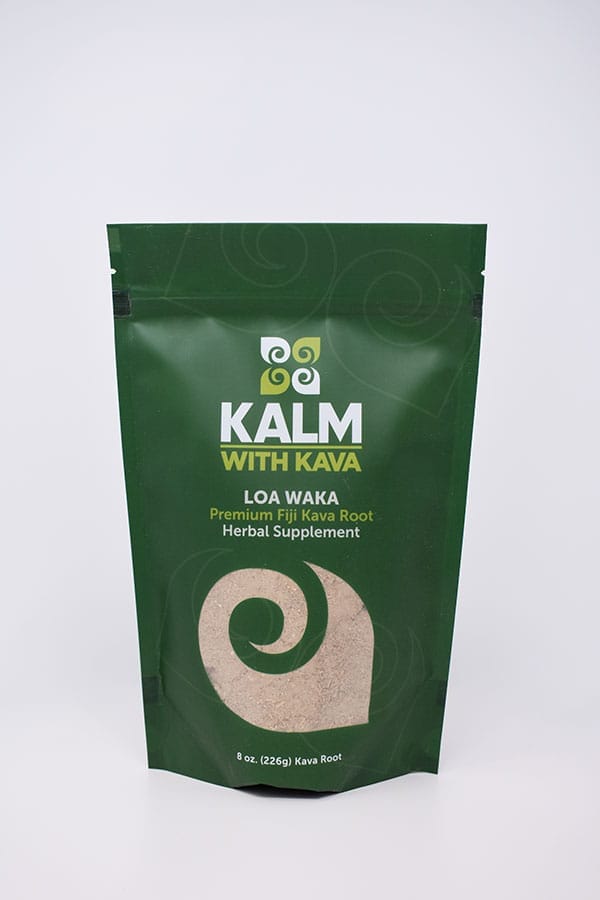


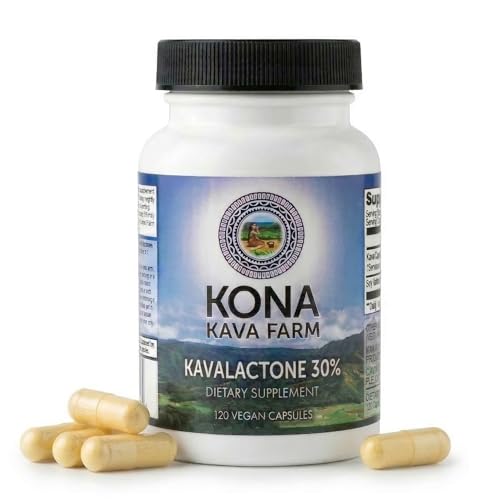
As an Amazon Associate we may earn from qualifying purchases, at no cost to you. 21+.
What a COA actually is — and what it isn't
A Certificate of Analysis is the report an independent testing laboratory issues after it analyzes a specific lot of kava. The operative word is specific: a COA describes one batch, identified by a batch or lot number, on a particular date. It is not a brand-wide quality badge, and it is not the marketing copy on the bag. It is a snapshot of one production run, measured by someone who doesn't profit from the answer.
A complete kava COA carries five kinds of information, and a thorough one adds a couple more. The five that matter most: the testing lab and its accreditation; the batch/lot identity (and ideally the origin and processing date); the potency and profile — total kavalactones by HPLC, broken into the six major kavalactones, which yields the chemotype; the microbial panel; and the heavy metals panel. A good sheet also reports moisture (too-wet root invites mold) and, for kava specifically, a noble-status / flavokavain read that confirms you've got a traditionally consumed variety and not a tudei.
The five checks, in order
You don't read a COA top to bottom like a novel. You run five targeted checks, in priority order, and you can bail the moment one fails. Here's the sequence — the same one the 60-second check below formalizes.
1. The lab name and its accreditation. Who ran this test? A legitimate COA names the laboratory and shows an ISO/IEC 17025 accreditation — the international standard for testing-lab competence, typically issued through a body like A2LA or ANAB. This is check one because it qualifies everything beneath it: numbers from an unnamed or unaccredited lab aren't numbers you can trust, no matter how good they look. A brand testing its own product in-house, with no third party named, is the weakest possible version of this.
2. The batch number matches your product. A COA is only meaningful if it describes the bag in your hand. Find the batch or lot number on the certificate and confirm it matches the one on your package. A brand that posts a single COA and reuses it across every lot for years is showing you a photo of a different shipment. A batch number that doesn't match — or the absence of any batch number at all — is the most common and most disqualifying red flag there is.
3. Total kavalactones (by HPLC) and the chemotype. Now the potency. Look for total kavalactones, measured by HPLC (high-performance liquid chromatography — the accurate method), expressed as a percentage of the dry root. For noble kava root powder this commonly lands in the ~6–15% range. Then find the breakdown into the six major kavalactones; ranked most-to-least abundant, those become the chemotype code that tells you whether the kava skews heady or heavy. (Mechanics of the code live in Kavalactones, Explained.)
4. The microbial panel. Kava is a root; roots carry microbes. A clean COA shows tests for yeast and mold, E. coli, and Salmonella (often coliforms and total plate count too), each within an acceptable limit. The presence of this panel is itself a quality signal — and its absence is a warning. A potency number with no microbial testing beside it tells you how strong the kava is but nothing about whether it's safe to drink.
5. Heavy metals. Because kava draws up whatever is in its soil, a thorough COA screens for lead, arsenic, cadmium, and mercury, each reported against a limit. This is the last check because it's the least variable across reputable suppliers — but a missing heavy-metals panel on an otherwise complete sheet is still a gap worth noticing.
The label trick: % of extract vs. % of product
One number on a COA — or, more often, on the package quoting the COA — fools almost everyone, and it's the same trap we flag in Kavalactones, Explained: milligrams of root are not milligrams of kavalactones. The COA version of this trick is a percentage played in two different registers, and brands sometimes blur them on purpose.
Here's the confusion. A COA for a concentrated extract might honestly report "30% kavalactones." Impressive — until you realize that's 30% of the extract powder, and the finished product might be a capsule containing only a small amount of that extract cut with filler. "30%" describes the raw material, not your serving. The percentage that matters to you is kavalactones as a share of what you actually consume, or better, the milligrams of kavalactones per serving. A 30%-of-extract claim and a stated mg-per-serving figure are answering completely different questions, and the louder one is usually the less useful one.
The no-COA decision rule
Our rule is deliberately blunt, because the category rewards bluntness: no number, no value ranking. If a product cannot produce a batch-matched, third-party Certificate of Analysis with a real kavalactone figure, we do not place it on a ranked list. Not because we assume it's bad — we have no way to know — but precisely because we have no way to know. Ranking it would be guessing, and dressing a guess up as a recommendation is the opposite of what this site is for.
This cuts cleanly in practice. A brand that posts per-batch COAs is telling you it knows its material and will stand behind it — that's a point in its favor before you read a single result. A brand that's vague, that hides behind "proprietary blend," that quotes a percentage with no document attached, or that brags about milligrams of root while never stating kavalactones, has told you something too: that the real strength is unknown. In an unregulated aisle, demanding the number isn't pedantry. It's the buyer's main and best form of protection. The full standard is written up in How We Research.
A worked example, line by line (illustrative)
Here's how the five checks land on an actual sheet. Every number below is illustrative — a realistic but invented noble-kava COA, built to teach the read, not lifted from any specific product. Imagine this printed on a one-page PDF you opened from a product listing.
Header. "Pacific Analytical Labs — ISO/IEC 17025 Accredited (A2LA Cert. #1234.01)." Check 1 passes: a named, accredited, independent lab. If this line read "Tested in-house" or named no lab at all, you'd stop here.
Sample identity. "Sample: Noble Kava Root Powder · Origin: Vanuatu · Lot #VK-2026-014 · Received: 2026-05-02 · Report date: 2026-05-09." Check 2: you find "Lot #VK-2026-014" on the bag in your hand — it matches. The dates are recent. Good. A months- or years-old report, or a lot number you can't match, fails here.
Potency (HPLC). "Total kavalactones: 9.8% (w/w) by HPLC." Check 3, part one: 9.8% sits comfortably inside the ~6–15% noble-root range — a solid, believable potency. Then the breakdown:
"Kavain 3.4% · Dihydrokavain 2.1% · Methysticin 1.2% · Dihydromethysticin 1.0% · Yangonin 1.4% · Desmethoxyyangonin 0.7%." Rank those most-to-least and read off the digits: kavain (4), dihydrokavain (2), yangonin (6)… giving a chemotype that opens 4-2-6. Check 3, part two: a code led by kavain (4) predicts a heady, uplifting, sociable kava rather than a heavy, sedating one. You now know the strength and the direction before the first shell.
Noble status. "Flavokavain B / noble verification: PASS (consistent with noble chemotype)." Confirms a traditionally consumed variety, not a tudei — the distinction Noble vs. Tudei is built around.
Microbial panel. "Yeast & mold: <100 CFU/g · E. coli: Negative · Salmonella: Negative (per 25 g) · Total plate count: within limit." Check 4 passes: the panel is present and clean. A sheet with no microbial section, however strong its potency number, fails this check by omission.
Heavy metals. "Lead: <0.5 ppm · Arsenic: <0.3 ppm · Cadmium: <0.3 ppm · Mercury: <0.1 ppm — all within limits." Check 5 passes.
Moisture. "Moisture: 8.2%." A sensible, dry-enough figure — high moisture is what lets mold take hold, so it's a quiet but real quality signal.
The 60-second COA check
- 1
Confirm the lab and its accreditation
Find the testing laboratory's name and look for an ISO/IEC 17025 accreditation (often via A2LA or ANAB). A named, accredited, independent lab qualifies every number below it. No lab named, or "tested in-house" with no third party? Stop here — the rest can't be trusted.
- 2
Match the batch number to your product
Locate the batch or lot number on the COA and confirm it matches the one on your package. Check the report date is recent, too. A mismatched lot number — or no batch number at all — is the single most disqualifying red flag. A COA for a different shipment tells you nothing about yours.
- 3
Read total kavalactones (HPLC) and the chemotype
Find total kavalactones measured by HPLC, as a percentage of dry root — for noble kava this commonly lands ~6–15%. Then read the six-lactone breakdown; ranked most-to-least abundant, the digits form the chemotype. A code led by kavain (4) skews heady and uplifting; one led by dihydromethysticin (5) skews heavy and sedating.
- 4
Scan the microbial panel
Confirm tests for yeast and mold, E. coli, and Salmonella (often coliforms and total plate count too), each within limits and reading clean. The panel's presence is a quality signal in itself — its absence is a warning. Potency without a microbial section tells you how strong, but not whether it's clean.
- 5
Check heavy metals — then apply the rule
Verify lead, arsenic, cadmium, and mercury are each reported within limits (kava draws metals from soil). Then apply the decision rule: if any gate failed — no accredited lab, no batch match, no kavalactone number, a bare "proprietary blend," a missing panel — treat the product as unranked. No number, no value ranking.
Ready to try one? Start with our verified picks
Wherever this guide landed you, these are the kavas our lab-report standard keeps ranking on top. Live price check on each.
As an Amazon Associate we may earn from qualifying purchases, at no cost to you. 21+.
How we chose
We treat the COA as the ground truth and everything on the front of the package as a claim. A kava earns a ranking spot on this site only when there is a batch-matched, third-party Certificate of Analysis to read — total kavalactones by HPLC, a chemotype, a clean microbial panel, and heavy metals within limits. This is the same "show your work" bar serious supplement reviewers apply, and in a category with no mandated labeling it is the single most protective thing a buyer can demand. The full policy lives in How We Research.
Everything in the worked example below is illustrative. The line-by-line numbers are a teaching device built to look like a realistic noble-kava COA — they are not lifted from, and are not represented as, any specific product's lab sheet. When we cite real-world practice, we name it: Bula Kava House, for instance, publishes a Certificate of Analysis for each of its varietals, which we verified directly in our brand review.
Every effects reference here is experiential and attributed — "heady," "heavy," "balanced" — the language the literature and the kava community consistently use. We do not say kava treats, fixes, or cures anything. Kava is for adults; legality and labeling vary by place; this is education, not medical or legal advice.
Key terms
- COA (Certificate of Analysis)
- The independent lab report for a specific batch of kava — its potency, kavalactone profile, and purity (microbial and heavy-metal results). In a category with no mandated labeling, a batch-matched, third-party COA is the buyer's main form of protection and the document a serious brand is willing to publish per lot.
- HPLC
- High-performance liquid chromatography — the accurate analytical method labs use to measure a kava's total kavalactone content and break it into the six major kavalactones. When a COA states total kavalactones "by HPLC," that's the trustworthy potency read; vague percentages with no method named are weaker.
- Chemotype
- The six major kavalactones ranked most-to-least abundant, written as their digits (e.g. 4-2-6). On a COA it's derived from the lactone breakdown. The leading digit is your fastest read on character: kavain (4) heads a heady, uplifting kava; dihydromethysticin (5) heads a heavy, sedating one.
- Batch-matched
- A COA whose batch or lot number matches the number printed on your actual package. This is what makes a certificate meaningful — it describes the bag in your hand, not a different shipment. A reused, undated, or mismatched COA is one of the biggest red flags in kava buying.
- ISO/IEC 17025
- The international standard for the competence of testing and calibration laboratories, typically accredited through a body like A2LA or ANAB. A COA from an ISO/IEC 17025-accredited lab is one whose methods and results meet a recognized bar — the accreditation is the first thing to confirm, because it qualifies every number beneath it.
Questions, answered
What is a kava COA?
A COA — Certificate of Analysis — is the report an independent laboratory issues after testing a specific batch of kava. It states the total kavalactone content (measured by HPLC), the breakdown into the six major kavalactones (which gives the chemotype), and the purity results: a microbial panel (yeast and mold, E. coli, Salmonella) and a heavy-metals panel (lead, arsenic, cadmium, mercury), usually with moisture and, for kava, a noble-status check. In a category with no mandated labeling, the COA is the one place a brand's claims get verified by an outside party — which is why we treat it as the ground truth and the marketing copy as a claim.
Where do I find a kava COA?
Reputable brands publish them — most often on the product page itself, on a dedicated "lab testing" or "testing policy" page, or available on request with a batch number. Bula Kava House, for example, posts a Certificate of Analysis for each of its varietals, which we verified in our review. If you can't find a COA anywhere on a brand's site and they won't produce one for your batch when asked, that absence is itself an answer: in an unregulated category, a brand unwilling to show its lab work is asking you to take potency and purity on faith.
What percentage of kavalactones is good?
For noble kava root powder, total kavalactones commonly land in roughly the 6–15% range (dry weight, by HPLC) — a believable, healthy potency band for traditional root. But "good" is about more than the headline percentage: the chemotype (the ratio of the six kavalactones) decides whether that potency feels heady or heavy, and you want to read both. Be careful with extracts: a "30% kavalactones" claim usually describes the concentrated extract powder, not your finished serving — a different number answering a different question. For raw root, read the total %; for products, hunt for milligrams of kavalactones per serving. This is education, not a dosing recommendation.
What if there's no batch number?
Treat it as a disqualifying red flag. A COA without a batch or lot number — or one whose number doesn't match the package in your hand — can't be tied to the product you're actually buying. It might be a real lab sheet for a different shipment, or a generic document reused across lots for years. Either way it proves nothing about your kava. A meaningful COA is batch-matched and recently dated. If a brand can't or won't connect its certificate to your specific lot, the testing might as well not exist for your purposes, and on our rule the product goes unranked.
Are home kava test kits real?
There are at-home acetone-based screens marketed mainly to flag whether a kava is noble or a tudei (a non-noble variety) — they work by a color reaction rather than measuring exact kavalactone content. They can be a rough directional check, but they are not a substitute for an accredited-lab COA: a home kit doesn't give you a total kavalactone percentage, a chemotype breakdown, a microbial panel, or a heavy-metals screen. Think of a home kit as a quick gut-check at best, and the lab COA as the actual evidence. If a brand points you to home-kit reassurance instead of a real Certificate of Analysis, that's not the same thing.
Which kava brands post COAs?
Posting batch-level COAs is one of the clearest signals of a serious vendor, and a growing number do it. Bula Kava House is the example we've verified directly — it publishes a Certificate of Analysis for each varietal, with chemotype, total kavalactones, noble verification, and microbial testing. Rather than memorize a brand list (which changes), apply the rule: look for a named, ISO/IEC 17025-accredited lab; a batch number that matches your bag; a stated total-kavalactone figure by HPLC; and a clean microbial and heavy-metals panel — on a recent, dated sheet. Any brand that clears that bar, per batch, has earned a look. Any that won't show the work doesn't get ranked here. See How We Research for the full standard.
Keep reading
Kavalactones, Explained
The number that predicts how a kava feels — the six kavalactones, the chemotype code, and the mg ladder.
Noble vs. Tudei Kava
Why the variety matters — and how chemotype and noble status show up on the lab sheet.
Bula Kava House Review
The brand we use as proof the COA bar is achievable — a Certificate of Analysis posted per varietal.