Our Pick: Bula Kava House
Check PriceBula Kava House Review (2026): The Portland OG, Tested
Bula Kava House has been pouring kava in Portland since 2011 and shipping noble root nationwide for nearly as long. We ran it through our transparency check — COAs, kavalactone disclosure, origin documentation — and it clears the bar that most of the category trips over. Here's the honest verdict, with the receipts.
By The Kava Review DeskUpdated 2026-06-12~8 min read Ranked by the lab reportHow we researchOfficial site ↗
 Best Overall
Borogu Kava Powder
Bula Kava House · 4.6
From $17.60 (100g sample · 1/2 LB · 1 LB)
 Upgrade Pick
Instant Kava Root Drink Mix
Bula Kava House · 4.2
From $29.70 (micronized line ~$56–$59)
When we audit a kava vendor, we don't start with the flavor or the founder's story. We start with paperwork. The single most useful thing a kava seller can do is tell you, in writing, what's actually in the bag — which cultivar, from which country, certified noble by which lab, at what kavalactone percentage, screened for which contaminants. Most vendors gesture at "lab tested" and leave it there. So when a brand publishes a certificate of analysis for every varietal, links it from the product page, and tests every batch, that's the headline before we've brewed a single shell. Bula Kava House does exactly that, and it has been doing it for years.
Bula Kava House opened on March 22, 2011 as a kava bar — a nakamal — on SE Division Street in Portland, Oregon, founder Judd Rench pouring root by the shell to a city that had never had a dedicated kava lounge. It grew into one of the longest-running kava operations in the country, a brick-and-mortar bar and a national online shop selling traditional-grind powders, micronized instants, and concentrates sourced direct from Vanuatu, Fiji, and Tonga. It's a member of the American Kava Association. That tenure is the whole reason "the Portland OG" fits — and it's worth being precise: Florida had kava bars before Oregon did, so Bula isn't literally the oldest in America, but it's the Pacific Northwest pioneer and one of the most established names in the space.
This review is independent and unpaid. Kava Review has no affiliate relationship with Bula Kava House — we don't earn a commission if you buy, and nobody at the company reviewed this before publication. We verified everything below against Bula's own testing pages, published COAs, and live product listings in June 2026: the testing methodology, the disclosures, the origins, and the prices. The result is a vendor that earns a strong mark on the metric we care about most — transparency — with a few honest knocks worth knowing before you order. The usual ground rules apply: kava is for adults, it can cause drowsiness, don't drive after drinking it, and if you take medications or are pregnant, talk to your doctor first. None of this is medical advice.
The short version
- Bula Kava House clears our transparency check: it publishes a certificate of analysis (COA) for every varietal, linked from the product pages, and says it tests every batch of every kava at accredited independent labs.
- Those COAs disclose the things that actually matter — country of origin, processing date, chemotype, and total kavalactone percentage — which puts Bula ahead of most of the canned-kava category that prints only extract weights.
- Origins are documented and named: traditional-grind Borogu from Vanuatu (from $17.60), euphoric White Waka from Fiji (from $19.80), plus Tongan and other noble cultivars, all certified noble (not tudei).
- The instant and micronized line (Instant Kava Root Drink Mix from $29.70; micronized varietals ~$56–$59) trades the strainer bag for convenience — you drink the whole root in suspension, no straining required.
- Honest knocks: traditional grind is real homework (earthy, peppery, requires kneading and straining), micronized kava is pricey per pound, and as a legacy Shopify-era shop the buying experience is more functional than slick.
At a glance
| Product | Origin & type | Format | From | Check price |
|---|---|---|---|---|
| Borogu Kava Powder | Vanuatu · noble, traditional grind | 100g sample · 1/2 LB · 1 LB — strain to brew | $17.60 | Check Price |
| Waka Kava Powder | Fiji · noble "White Waka," 100% lateral roots | 1/2 · 1 · 2 LB — strain to brew | $19.80 | Check Price |
| Instant Kava Root Drink Mix | Noble · micronized whole root | No straining — stir into liquid | $29.70 | Check Price |
The Bula Kava House range at a glance — origins, formats, and starting prices verified June 2026. Every varietal ships with a published COA disclosing chemotype and kavalactone percentage.
Borogu Kava Powder
Bula Kava House
Vanuatu's everyday noble root, certified noble with a published COA, at a genuinely fair starting price.
Our verdict: Borogu is the can't-go-wrong entry into Bula's range and our pick of the lineup: Vanuatu's main exported noble variety, traditional grind, peppery and reliably potent. It ships with a published COA naming origin, chemotype, and kavalactone percentage — the transparency we ask for — and a 100g sample lets you test the waters before committing to a pound. Real homework to prepare, but real kava.
Lab report: Published per-varietal COA disclosing Vanuatu origin, chemotype, and total kavalactone percentage; certified noble; screened for yeast, mold, and microbial contamination — every batch, per the testing policy.
If you want to understand what Bula Kava House actually sells, start here. Borogu Kava Powder is traditional-grind noble root from Vanuatu — the country's most widely consumed and most exported kava — milled for the strainer bag. You knead it into water, strain out the fibrous makas, and drink the cloudy result. It brews peppery and potent, the kind of everyday heady-then-heavy profile Vanuatu drinkers reach for in the afternoon and evening. Among kava people it's a default daily driver for a reason.
The experience is genuinely traditional, which is both the appeal and the cost. Expect the earthy, peppery, slightly muddy flavor real root delivers, the unmistakable tongue-numbing tingle within a minute, and a body-forward calm that builds over the session. Newcomers should know about kava's reverse tolerance — the first session or two often feel mild, with the effect arriving more clearly on later tries. And you'll need the gear: a strainer bag, a bowl, and a few minutes of kneading. This is not a stir-and-sip product. It's the one you graduate to when you want the real thing and don't mind the ritual.
Who should buy it
Buy Borogu if you want authentic, traditionally prepared Vanuatu kava and you're willing to strain it yourself — it's the best-value serious entry in Bula's range and the right standing order for anyone who's decided traditional grind is worth the effort. The 100g sample makes it a low-risk first try.
What we don't like
It's traditional grind, which means homework: a strainer bag, kneading, straining, and an earthy flavor that the seltzer crowd will find punishing. The COA discloses kavalactone percentage but, like nearly all powder vendors, can't give you a guaranteed milligram-per-serving number because that depends on how you brew it.
- Origin
- Vanuatu — noble cultivar (Borogu)
- Type
- Traditional grind — requires straining to brew
- Testing
- Published COA: chemotype, total kavalactone %, contaminant screen; certified noble
- Pack sizes
- 100g sample · 1/2 LB · 1 LB
- Starting price
- From $17.60
What we like
- Vanuatu's classic everyday noble variety — reliable, potent, peppery
- Published per-varietal COA names origin, chemotype, and kavalactone %
- Fair starting price with a 100g sample to trial it
- Certified noble, not tudei
Worth noting
- Traditional grind: strainer bag, kneading, and earthy taste required
- No guaranteed per-serving kavalactone milligram figure (brew-dependent)

Waka Kava Powder
Bula Kava House
Fiji's heady "White Waka" from lateral roots only — the uplifting counterpoint to Borogu's calm.
Our verdict: Waka is the Fijian classic and the more uplifting half of Bula's two flagship powders — made entirely from the lateral roots, which run higher in the heady, euphoric register kava fans chase. Like Borogu, it's traditional grind with a published COA and a documented origin. If Borogu is your evening wind-down, Waka is your sociable, daytime-leaning shell.
Lab report: Published per-varietal COA disclosing Fijian origin, chemotype, and total kavalactone percentage; certified noble; same every-batch testing posture as the rest of the line.
Waka is the other pillar of the catalog, and the mood is different. Waka Kava Powder is Fijian noble kava made 100% from the lateral roots of the plant — the "waka" — which is the part traditionally prized for a cleaner, more euphoric, head-forward effect. Bula sells it as "White Waka," the most sought-after Fijian style, and it's the natural complement to Borogu: where the Vanuatu root settles you into the couch, the Fijian lateral root tends to lift the mood and loosen conversation first.
As a drink it's still traditional grind, so the preparation tax is identical to Borogu's: strain it, expect the earthy-peppery base, and respect the reverse-tolerance curve on early sessions. The lateral-root sourcing is the spec that matters here — plenty of cheaper "waka" on the market cuts in cheaper root stock, and a vendor that documents 100% lateral roots and backs it with a COA is doing the part that's easy to fake. Starting at $19.80, it sits a small premium above Borogu, which tracks the higher cost of lateral-root-only material.
Who should buy it
Buy Waka if you want the brighter, more euphoric Fijian profile — it's the pick for social settings, daytime sessions, and anyone who finds heavy Vanuatu kava too sedating. Pair it with Borogu to learn your own origin preference in one order.
What we don't like
Traditional grind again — the same straining ritual and earthy flavor as Borogu. It runs a touch pricier than the Vanuatu powder, and the euphoric "head" effect some chase from Fijian waka is subtle and individual; don't expect a dramatic difference your first session, when reverse tolerance is still in play.
- Origin
- Fiji — noble "White Waka," 100% lateral roots
- Type
- Traditional grind — requires straining to brew
- Testing
- Published COA: chemotype, total kavalactone %, contaminant screen; certified noble
- Pack sizes
- 1/2 LB · 1 LB · 2 LB
- Starting price
- From $19.80
What we like
- Heady, euphoric Fijian profile — a true counterpoint to Vanuatu Borogu
- Documented 100% lateral roots, the part prized for a cleaner lift
- Published per-varietal COA with origin, chemotype, and kavalactone %
- Available up to a 2 LB size for committed drinkers
Worth noting
- Traditional grind: same strain-and-knead homework and earthy taste
- Small premium over Borogu; euphoric effect is subtle, especially early on
Instant Kava Root Drink Mix
Bula Kava House
Bula's noble root, micronized so you skip the strainer bag entirely — convenience at a per-pound premium.
Our verdict: The instant and micronized line is Bula's answer to the strainer bag: the same noble root, milled fine enough to stir straight into liquid and drink, makas and all. It's the convenience play — no kneading, no mess, faster onset for some — at a higher cost per pound. The Instant Kava Root Drink Mix starts at $29.70; single-cultivar micronized varietals run roughly $56–$59.
Lab report: Drawn from the same noble, COA-backed varietals as the traditional powders; micronized whole-root format, so you ingest the full root rather than a strained brew.
Not everyone wants to own a strainer bag, and Bula gets that. The Instant Kava Root Drink Mix and the broader micronized line take the same noble varietals and grind them ultra-fine, so instead of straining you simply stir a tablespoon or two into water, juice, or a smoothie and drink the whole suspension. No bag, no kneading, no bowl of spent makas to deal with. For office use, travel, or anyone intimidated by traditional prep, it's the friendliest on-ramp Bula offers.
Onset can feel quicker than strained kava for some drinkers, since nothing's been left behind in the bag, and it's the format we'd point a curious first-timer to when the straining ritual is the thing standing between them and trying real kava. Just calibrate expectations on texture: micronized kava is gritty and earthy in a way a clean strained brew isn't, and mixing it into something flavorful (a fruit smoothie is the classic move) makes a real difference. As a category it's convenience-first — and Bula's version is backed by the same testing posture as everything else it sells, which is the part that matters.
Who should buy it
Buy the instant/micronized line if convenience is the deciding factor — you want real noble kava without owning a strainer bag, or you need something packable for travel and work. It's also the gentlest introduction for a first-timer who'd otherwise be put off by traditional preparation.
What we don't like
It's noticeably pricier per pound than traditional grind, the gritty whole-root texture isn't for everyone, and ingesting the full root sits heavier than a clean strained brew for some drinkers. Convenience has a real cost here — both in dollars and in mouthfeel.
- Origin
- Same noble varietals as the powder line (Vanuatu/Fiji/Tonga)
- Type
- Micronized whole root — no straining, stir and drink
- Testing
- Same COA-backed noble supply as traditional grind
- Formats
- Instant Kava Root Drink Mix; single-cultivar micronized varietals
- Starting price
- From $29.70 (micronized varietals ~$56–$59)
What we like
- No strainer bag, no kneading — stir into liquid and drink
- Friendliest format for first-timers and travel
- Same noble, COA-backed root as the traditional powders
- Faster onset for some drinkers (nothing left in the bag)
Worth noting
- Significantly more expensive per pound than traditional grind
- Gritty whole-root texture; can sit heavier on the stomach
More kava worth comparing
Beyond this guide: the highest-rated kava across every format, kavalactones verified, with a live price check on each.


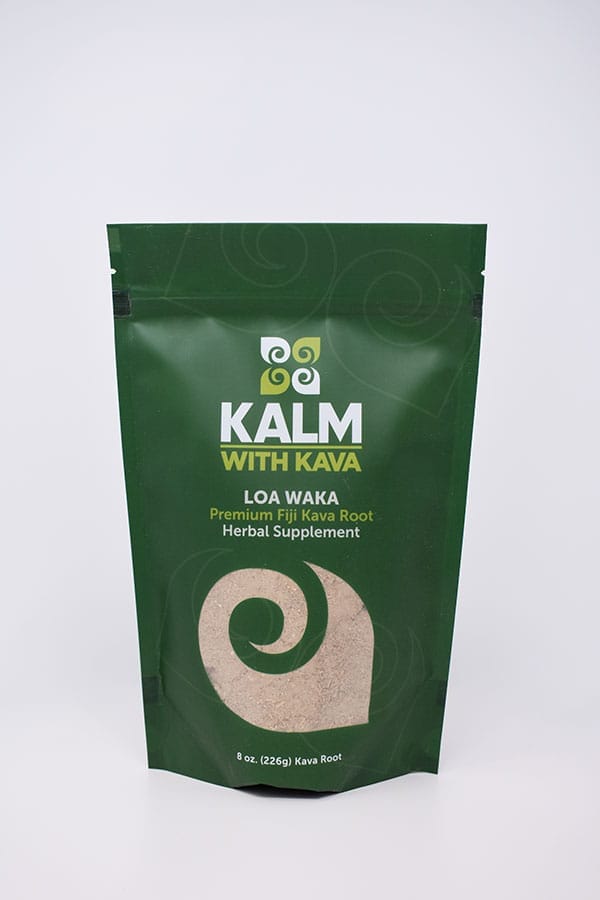


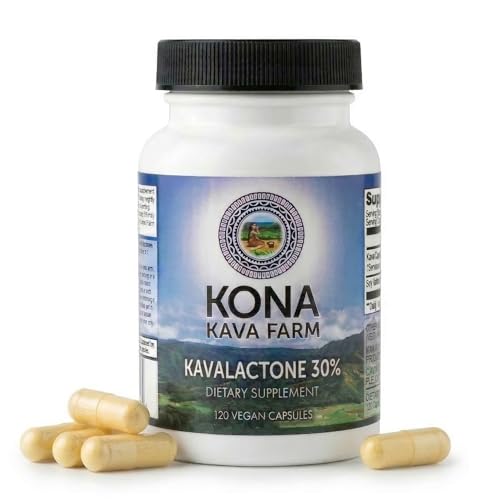
As an Amazon Associate we may earn from qualifying purchases, at no cost to you. 21+.
Quick shop: every pick
Skip the scroll: the whole lineup, with a live price check on each.
- Borogu Kava PowderBest Traditional Daily DrinkerBula Kava House · From $17.60 (100g sample · 1/2 LB · 1 LB)Check Price
- Waka Kava PowderBest Fijian Euphoric PickBula Kava House · From $19.80 (1/2 · 1 · 2 LB)Check Price
- Instant Kava Root Drink MixBest No-Strain Convenience PickBula Kava House · From $29.70 (micronized line ~$56–$59)Check Price
How we chose
We judge a kava vendor on its paper trail first. For Bula Kava House we read the published testing policy and the certificates of analysis themselves, and we checked three things: does it publish COAs at all; are those COAs linked from the actual product pages (not buried); and do they disclose the figures that matter — country of origin, chemotype, and total kavalactone percentage, plus contaminant screening. We quote Bula's own stated practice throughout and flag the difference between what's published per varietal versus what updates per batch.
Then we verify the catalog. We confirmed each headline product's origin, format, and starting price against the live listing in June 2026 — Borogu from Vanuatu, Waka from Fiji, the instant and micronized lines — and we name what we couldn't independently confirm rather than rounding up. We do not invent kavalactone numbers, fabricate tasting panels, or estimate purity the brand didn't state. Where Bula publishes a number on a COA, we credit it; where we'd want more, we say so.
Finally we assess it as a buying experience and a drink, in plain experiential terms. Traditional kava is preparation-heavy and earthy, and that's a real cost to weigh against convenience; micronized kava is easier but more expensive per pound. What we never do is make health claims. Kava is a centuries-old Pacific social drink that many adults find relaxing; it is not a treatment for anything, it can cause drowsiness, and anyone on medications should check with a doctor first. That's general caution, not medical advice — and this review is not sponsored.
Key terms
- Noble kava
- The traditional cultivars Pacific growers raise for everyday drinking, prized for a smooth, agreeable effect with minimal next-day heaviness. Bula Kava House certifies all of its kava noble — the opposite of tudei.
- Tudei kava
- "Two-day" kava — non-noble cultivars higher in certain compounds, associated with a heavier, longer effect and next-day grogginess. Quality vendors screen it out; Bula's COAs are part of how it certifies noble.
- COA (Certificate of Analysis)
- A lab document reporting what's actually in a batch — for kava, the chemotype, total kavalactone percentage, and contaminant screen. The trust ladder runs: published per varietal and linked from the product page (best, which Bula does), available on request (acceptable), "we lab test" with nothing posted (a claim, not evidence).
- Traditional grind
- Kava root milled coarse for straining: you knead it into water in a strainer bag and drink the strained liquid. Bula's Borogu and Waka powders are this format — more authentic and cheaper per pound, but more work than instant.
- Micronized kava
- Root milled ultra-fine so it can be stirred straight into liquid and drunk without straining — you ingest the whole root. Bula's instant line. More convenient, often faster-onset, but grittier and pricier per pound.
- Lateral roots (waka)
- The thin side roots of the kava plant, traditionally prized for a cleaner, more euphoric, head-forward effect. Bula's Fijian Waka is made 100% from lateral roots — a sourcing spec that's easy to claim and harder to document.
Questions, answered
Is Bula Kava House legit and safe to buy from?
By our standard, yes. Bula Kava House has operated as a Portland kava bar and online shop since 2011, is a member of the American Kava Association, and publishes a certificate of analysis (COA) for every varietal it sells — disclosing origin, chemotype, total kavalactone percentage, and contaminant screening, with testing on every batch at independent labs. That paper trail is exactly what we look for in a kava vendor, and most of the category doesn't match it. (Kava itself can cause drowsiness; don't drive after drinking it, and check with a doctor if you take medications.)
Does Bula Kava House publish lab tests and COAs?
Yes, and it's the brand's strongest feature. Bula publishes a COA for each kava varietal, linked from both its testing-policy page and the individual product pages. Each COA lists the country of origin, the processing date, the kavalactone profile and percentage, and results for yeast, mold, and microbial contamination. Per its stated policy, every batch of every kava is tested at accredited independent labs and certified noble. The one limit, common to all powder vendors: a COA gives you the root's kavalactone percentage, not a guaranteed milligram count in your finished cup.
What should I order first from Bula Kava House?
Start with Borogu Kava Powder (from $17.60), our pick of the range — it's Vanuatu's classic everyday noble variety, and the 100g sample makes it a low-risk first try. If you want the brighter, more euphoric Fijian profile, add the Waka Kava Powder (from $19.80) and compare the two origins side by side. If you'd rather skip the strainer bag entirely, the Instant Kava Root Drink Mix (from $29.70) is the no-straining option, though it costs more per pound.
What's the difference between Bula's traditional grind and instant/micronized kava?
Traditional grind (Borogu, Waka) is milled coarse: you knead it into water in a strainer bag, strain out the fibrous makas, and drink the liquid. It's more authentic and cheaper per pound, but it's real preparation. Micronized/instant kava is milled ultra-fine so you stir it straight into liquid and drink the whole root — no straining, more convenient, often faster onset, but grittier on the tongue and noticeably pricier per pound (~$56–$59 for single-cultivar micronized varietals).
Where does Bula Kava House source its kava?
Direct from growers across the Pacific — Vanuatu (its Borogu and other Ni-Vanuatu cultivars), Fiji (the lateral-root "White Waka"), and Tonga, among others. Every varietal is certified noble and ships with a COA naming the country of origin and processing date. That documented, single-origin sourcing is part of why we rate the brand well on transparency — you're not buying an anonymous blend.
Is this review sponsored by Bula Kava House?
No. Kava Review has no affiliate relationship with Bula Kava House at publication — we earn no commission if you buy, and the company did not review or approve this article. We verified every fact against Bula's own testing pages, published COAs, and live product listings in June 2026, and our verdict reflects the Kava Review transparency standard, not a paid placement.
Filed under Review
Part of Powders & Traditional
Keep reading
Best Kava Powder
Traditional grind and micronized roots, ranked — where Bula's powders sit in the wider field.
Kalm with Kava Review
Our verdict on the other heritage powder house — sourcing, range, and how it compares to Bula.
Noble vs. Tudei Kava
Why "noble" on a label matters, and how a COA tells you the brand actually checked.