Our Pick: Kalm with Kava
Check PriceKalm with Kava Review (2026): The Traditionalist's Favorite, Tested
Kalm with Kava has sold noble kava by named cultivar since 2010, and the kava community largely trusts it. We put the whole range under our standard — sourcing, format, price, and the one check most reviews skip: do they actually publish the lab numbers? Here's the honest verdict, with the gaps named.
By The Kava Review DeskUpdated 2026-08-23~8 min read Ranked by the lab reportHow we researchOfficial site ↗
If you ask a room of long-time kava drinkers to name a vendor they trust, Kalm with Kava comes up fast. It is one of the older dedicated noble-kava houses serving the US market — founded in 2010, a fixture in the kava community, and one of the few brands that still does the thing traditionalists actually want: sells single-origin root by named cultivar. You don't buy a generic "relaxation blend" here. You buy Loa Waka from Fiji, or Borogu from Vanuatu, in the grind you prefer, the way you'd buy a single-origin coffee by farm rather than a can of pre-ground house roast. For the people who own a strainer bag and care which island their root came from, that alone makes Kalm with Kava a default.
So this review is not a question of whether the brand is legitimate — it plainly is. The harder, more useful question is the one our desk asks of every kava seller: where does it actually excel, where does it not, and does it back its quality claims with documents you can read? Kalm with Kava markets a set of "Kalm Standards" and says its kava is 100% noble and third-party lab tested for safety, strength, and nobility. That's the right posture. But a posture is a promise, and our job is to check whether the paper trail behind it is public — because in kava, the gap between "we lab test" and "here is the certificate of analysis for this batch" is the entire ballgame.
Everything below was verified against the brand's own pages and public listings in June 2026 — its origin story, its cultivar lineup, its formats, and the prices we could confirm. We are not paid by Kalm with Kava, we have no relationship with the company, and nothing here was reviewed or approved by them; this is an independent read. The usual ground rules apply throughout: kava is for adults, it can cause drowsiness, don't drive after drinking it, and if you take medications or are pregnant, talk to your doctor first. None of this is medical advice — it's a buyer's review of a kava brand, written to help you decide whether this is the right place to spend your money.
The short version
- Kalm with Kava is a legitimate, well-established noble-kava house — founded in 2010, trusted across the kava community, and one of the few vendors that sells root by named single-origin cultivar (Loa Waka, Borogu, and others).
- The range is its real strength: the same cultivar is offered as traditional grind, micronized, and instant, so beginners and strainer-bag veterans can both shop the same trusted source.
- Loa Waka (Fiji) is the brand's flagship and strongest pick — made from 100% lateral roots (waka) and marketed as a balanced heady-and-heavy effect; the Traditional Grind 8 oz runs about $38.99.
- Our signature transparency check finds a gap: the brand says its kava is third-party lab tested, but we could not find a downloadable per-batch COA or a stated kavalactone percentage on the product pages — "lab tested" is asserted, not documented publicly.
- Pricing sits at premium-vendor level, not bulk; and its canned Kava Seltzer uses an "1500mg Kavalactone Extract" label (extract weight, not kavalactones) and was out of stock at our check — the powders, not the seltzer, are the reason to shop here.
At a glance
| Product | Type | Origin | Price | Check price |
|---|---|---|---|---|
| Loa Waka Traditional Grind | Medium/traditional grind (strainer-bag prep) | Fiji (100% lateral roots / waka) | ~$38.99 / 8 oz | Check Price |
| Loa Waka Micronized | Micronized (mix-and-drink, no straining) | Fiji | ~$36.49–$66.99 (by size) | Check Price |
| Loa Waka Instant | Instant (dehydrated fresh kava juice) | Fiji | Premium per-oz; smallest serving size | |
| Borogu | Traditional grind / micronized | Vanuatu | Range-priced with Loa Waka tier | |
| Kava Seltzer | Ready-to-drink can (zero sugar) | CO2-extracted noble kava — "1500mg Kavalactone Extract" label | $79.99 / 12-pack — out of stock at our check |
The Kalm with Kava range at a glance — formats, origins, and confirmed pricing verified June 2026. Prices vary by size and frequent sales; figures shown are representative list prices for the standard size.
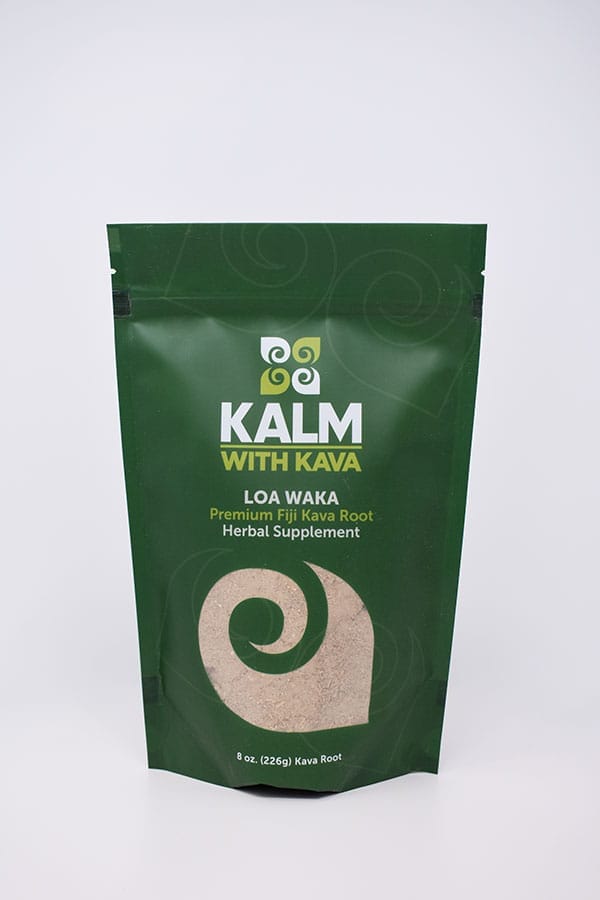
Loa Waka Traditional Grind
Kalm with Kava
Single-origin Fijian waka root, traditional grind — the cultivar-named pick that makes this brand worth shopping.
Our verdict: Loa Waka Traditional Grind is the product that explains why traditionalists default to this brand. It's a named single-origin Fijian cultivar made from 100% lateral roots, ground for strainer-bag prep, and marketed as the strongest, most balanced kava the house carries. At roughly $38.99 for 8 oz it isn't bulk-cheap, but you're paying for cultivar specificity and a vendor with a 15-year reputation. The one thing missing is the document: "lab tested" is claimed, not posted.
Lab report: Marketed as 100% noble, made from 100% lateral roots (waka), and described as third-party lab tested for safety, strength, and nobility — but we found no downloadable per-batch COA or stated kavalactone percentage on the product page.
This is the product that earns the brand its reputation. Loa Waka Traditional Grind is a single-origin Fijian kava sold by cultivar name — not a blend, not a mystery "premium" label — and it's made from 100% lateral roots, the waka grade traditionalists prize for potency. The traditional (medium) grind is the format you knead in a strainer bag the old way, and Kalm with Kava markets Loa Waka as the strongest and most balanced cultivar it carries: heady up front, heavier as the session goes. For someone who already drinks kava and wants to choose their root the way a coffee drinker chooses a single-origin bean, Kalm with Kava is one of the few US vendors that makes that possible.
As a drinking experience, traditional grind is the connoisseur's format and the beginner's hurdle: you need a strainer bag, a few minutes of kneading, and a tolerance for kava's famously earthy, peppery slurry. The payoff is the fullest expression of the root and the lowest cost-per-serving within the brand's lineup. Loa Waka's balanced profile — the tongue-numbing tingle arrives quickly, the relaxation settles in over the first half hour — is exactly what most people are looking for in an everyday kava, and reverse tolerance applies as always: your second and third sessions tend to speak louder than your first.
Who should buy it
Buy Loa Waka Traditional Grind if you own a strainer bag, you care which cultivar and island your root comes from, and you want a trusted vendor rather than the cheapest sack of unnamed powder. It's the right pick for the kava drinker graduating past the bar shell to home preparation, and for anyone who wants a single balanced everyday cultivar to standardize on.
What we don't like
The transparency gap is the real knock: the brand says "lab tested for safety, strength, and nobility," but we couldn't find a downloadable COA or a stated kavalactone percentage for this product, so the strength claim is a promise rather than a published figure. The price is firmly premium versus bulk importers, and traditional grind requires straining — beginners should start with the micronized version below.
- Cultivar
- Loa Waka (single-origin Fijian noble kava)
- Root grade
- 100% lateral roots (waka) — the stronger cut
- Format
- Traditional / medium grind (requires a strainer bag)
- Testing
- Marketed as 100% noble, "third-party lab tested" — no public per-batch COA found
- Price
- ~$38.99 / 8 oz (also sold via Amazon and Walmart)
What we like
- Named single-origin Fijian cultivar — not a generic blend
- Made from 100% lateral roots (waka), the stronger grade
- Trusted 15-year vendor with a strong community reputation
- Traditional grind delivers the fullest, lowest-cost-per-serving prep
Worth noting
- No downloadable per-batch COA or stated kavalactone % we could find
- Premium pricing versus bulk kava importers
- Strainer-bag prep is a barrier for first-timers

Loa Waka Micronized
Kalm with Kava
The same trusted Fijian cultivar, milled fine enough to mix and drink — no strainer bag required.
Our verdict: Micronized Loa Waka is how most people should start with this brand. It's the identical trusted Fijian cultivar, milled to a powder so fine you stir it into water and drink it whole — no strainer bag, no kneading, no slurry to strain out. You drink the root and all, which makes it stronger per gram but grittier in texture. For a beginner who wants a serious vendor without the traditional-prep learning curve, this is the entry point.
Lab report: Same noble-kava sourcing and "lab tested" marketing as the traditional grind; no public COA or kavalactone percentage published on the product page that we found. Rated 4.67/5 across customer ratings on the brand's site.
If the traditional grind is the veteran's format, micronized is the on-ramp. Loa Waka Micronized takes the same single-origin Fijian cultivar and mills it fine enough that you skip the strainer bag entirely: stir it into water (or a smoothie), drink the whole thing, done in under a minute. Because you're consuming the root rather than straining it out, micronized tends to hit harder per gram than the same weight of traditional grind — a real advantage for potency, traded against a grittier mouthfeel that some people never fully love. It carries a 4.67-out-of-5 customer rating on the brand's own site, which tracks with its reputation as the easiest way into quality kava.
The same transparency caveat from the flagship applies here, because it's the same root and the same brand posture: 100% noble, "lab tested," named cultivar — but no public per-batch COA or stated kavalactone number that we could locate. That's not a reason to avoid the product; it's a reason we stop short of certifying the strength claim ourselves. Pricing runs roughly $36.49 to $66.99 depending on size, putting it in the same premium tier as the rest of the line.
Who should buy it
Buy Loa Waka Micronized if you're new to home kava and want a trusted vendor without the strainer-bag ritual, or if you want maximum potency per gram and don't mind a grittier drink. It's the single best starting point in the Kalm with Kava lineup for a first-timer.
What we don't like
The gritty, root-and-all texture is the trade for skipping the strainer bag, and it isn't for everyone. Price per ounce runs a touch above the traditional grind, and the same missing public COA / kavalactone figure applies — convenience doesn't change the paper-trail gap.
- Cultivar
- Loa Waka (single-origin Fijian noble kava)
- Format
- Micronized — mix and drink, no straining
- Prep
- Stir into water or a smoothie; consume root and all
- Rating
- 4.67 / 5 across customer ratings on the brand site
- Price
- ~$36.49–$66.99 depending on size
What we like
- No strainer bag — easiest preparation in the lineup
- Stronger per gram than traditional grind (you drink the whole root)
- Same trusted single-origin Fijian cultivar
- Strong customer rating (4.67/5) as a beginner entry point
Worth noting
- Gritty texture some drinkers never warm to
- Higher price per ounce than the traditional grind
- Same lack of a public COA / kavalactone figure
More kava worth comparing
Beyond this guide: the highest-rated kava across every format, kavalactones verified, with a live price check on each.


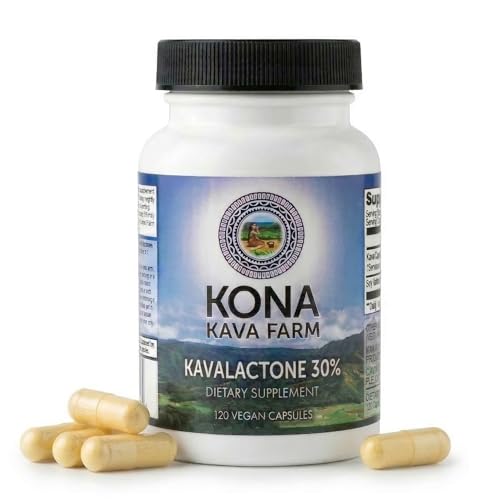
As an Amazon Associate we may earn from qualifying purchases, at no cost to you. 21+.
Quick shop: every pick
Skip the scroll: the whole lineup, with a live price check on each.
- Loa Waka Traditional GrindBest Overall Pick from the RangeKalm with Kava · ~$38.99 / 8 ozCheck Price
- Loa Waka MicronizedBest for BeginnersKalm with Kava · ~$36.49–$66.99 (by size)Check Price
How we chose
We judge a kava brand on four things, in order: sourcing transparency (does it name cultivars and origins, or hide behind "premium blend"), the paper trail (does it publish certificates of analysis and a kavalactone figure, or merely claim testing), range and format fit (can a beginner and a veteran both shop it), and price against what comparable vendors charge. We verify every claim we can against the brand's own pages and public retail listings, and we quote the brand's wording rather than paraphrasing its promises into facts.
Our signature move is the transparency check, and it is the same one we apply to canned kava: we go looking for the actual document. A vendor saying it is "third-party lab tested for safety, strength, and nobility" is making a quality claim, and that claim sits somewhere on a trust ladder — posted per-batch COAs (best), COAs available on request (acceptable), or "we test" with nothing downloadable (a claim, not evidence). Where we found the brand on that ladder, we say so plainly, and we treat a missing public number as a gap to flag, never as a number to invent.
We do not taste-score by inventing a panel, we do not fabricate lab results, and we make no health claims. Kava is a centuries-old Pacific social drink that many adults find relaxing; it is not a treatment for anything. Where we describe effects, we use plain experiential language drawn from how kava is commonly described, and we keep the cautions on the label: drowsiness is real, don't drive on it, and check with a doctor if you take medications.
Key terms
- Noble kava
- The traditional cultivars Pacific growers raise for everyday, agreeable drinking — prized for a smooth, balanced effect and the opposite of harsh "tudei" kava. Kalm with Kava's central claim is that it sells 100% noble root, tested for nobility.
- Cultivar
- A named kava variety from a specific origin — Loa Waka (Fiji), Borogu (Vanuatu) — with its own effect profile. Buying by cultivar is to kava what buying single-origin is to coffee, and it's the main reason traditionalists shop a vendor like this one.
- Waka (lateral roots)
- The lateral root grade of kava, generally higher in kavalactones than basal root or makas. "Loa Waka" made from 100% lateral roots is marketed as the brand's strongest cut.
- Traditional grind vs. micronized
- Traditional (medium) grind is kneaded in a strainer bag and strained out — the classic, lowest-cost-per-serving prep. Micronized is milled fine enough to drink whole, no straining, stronger per gram but grittier.
- COA (Certificate of Analysis)
- The lab document reporting what's actually in a batch — total kavalactone %, the kavalactone chemotype, and contaminant screens. The trust ladder: posted per batch (best), on request (acceptable), "we lab test" with nothing downloadable (a claim, not evidence).
- Reverse tolerance
- Kava's well-known quirk: first sessions often feel mild, with the effect arriving more clearly on the second or third try. Worth knowing before you judge any new cultivar — including a stronger waka.
Questions, answered
Is Kalm with Kava legit?
Yes. Kalm with Kava is one of the longer-running dedicated noble-kava vendors serving the US market, founded in 2010 and now run by the founder's wife after his passing. It's a genuine independent kava house — not a white-label dropshipper — with a generally positive reputation across the kava community for quality and customer service. The main public complaints are logistical (international shipments stuck in customs), not about the product's legitimacy. We have no relationship with the brand; this is an independent assessment.
Where does Kalm with Kava source its kava?
From the South Pacific, by named cultivar and origin — its flagship Loa Waka is Fijian (made from 100% lateral roots, the stronger waka grade), and it also carries Vanuatu cultivars like Borogu, among others. The brand's central commitment is that it sells 100% noble kava only — the traditional, agreeable cultivars, as opposed to harsher tudei kava — and markets it as tested for nobility. Buying by named cultivar is the main reason traditionalists prefer this vendor over anonymous bulk powder.
Does Kalm with Kava publish COAs or kavalactone numbers?
This is where we found the gap. The brand says its kava is third-party lab tested for safety, strength, and nobility, which is the right posture — but as of our June 2026 check we could not find a downloadable per-batch certificate of analysis or a stated total-kavalactone percentage on the product pages. So the strength claim is asserted rather than documented publicly. It's not evidence of a quality problem given the brand's reputation and noble-only sourcing, but it is the one thing keeping us from an unqualified recommendation. If it matters to you, ask them for the COA on your specific batch before buying.
What's the best Kalm with Kava product to start with?
Micronized Loa Waka. It's the same trusted single-origin Fijian cultivar as the flagship, but milled fine enough that you stir it into water and drink it whole — no strainer bag, no kneading. It's the easiest on-ramp for someone new to home kava, it's stronger per gram than traditional grind (you consume the whole root), and it carries a strong customer rating. Once you're comfortable, the Loa Waka Traditional Grind gives you the fullest expression of the root at a lower cost per serving.
What is shipping like with Kalm with Kava?
Domestic US shipping is generally unremarkable and the brand sells through Amazon and Walmart as well as its own site. The recurring complaint in public reviews is international: some customers report parcels stuck in customs for long stretches with limited recourse. If you're ordering within the US you're unlikely to hit that; if you're ordering internationally, weigh it as a real risk and consider a vendor with a smoother cross-border track record.
Is Kalm with Kava worth it versus cheaper bulk kava brands?
It depends on what you're optimizing for. Against an anonymous bulk sack of unnamed powder, yes — you're paying a premium for a named single-origin cultivar, a stated waka grade, a noble-only commitment, and a 15-year vendor the community trusts, and that premium is defensible. Against a competitor that actually posts per-batch COAs and a kavalactone percentage, the comparison gets closer, because that competitor has earned a transparency point Kalm with Kava could neutralize simply by publishing its lab sheets. For traditionalists who value cultivar specificity and a trusted source, it's worth it; for buyers who rank published lab numbers first, shop the documents.
Filed under Review
Part of Powders & Traditional
Keep reading
Best Kava Powder
The full ranked field of traditional-grind and micronized kava roots — where Kalm with Kava sits against the rest.
Best Kava Drinks
Every major canned kava ranked by cost per 100 mg of kavalactones — including Kalm with Kava's seltzer.
Noble vs. Tudei Kava
Why "noble" on a label matters — the cultivar distinction at the heart of this brand's whole pitch.