Our Pick: Wakacon
Check PriceWakacon Review (2026): The Bulk Fijian Value Play, Tested
Wakacon has been selling one-pound bags of Fijian noble root through Amazon and its own shop since the early 2010s — no merch, no canned drinks, no sample sizes, just full pounds of traditional-grind kava. We ran it through our transparency check and weighed the per-pound math against Kalm with Kava and Bula Kava House. Here's the honest verdict.
By The Kava Review DeskUpdated 2026-06-12~7 min read Ranked by the lab reportHow we researchOfficial site ↗
Most kava brands want to sell you a lifestyle. Wakacon wants to sell you a pound. The catalog is three bags deep — Fijian Waka, Fijian Lawena, and a newer Vanuatu Waka — every one of them a 16-ounce sack of traditional-grind noble root, and that's the whole store. No instant line, no micronized upsell, no seltzer, no 2-ounce trial pouch at a flattering per-gram markup. It's the kava equivalent of the restaurant-supply flour aisle, and for a specific kind of drinker — the one who owns a strainer bag, kneads by the gallon, and burns through root by the month — that focus is exactly the point.
The brand's other defining trait is where it sells. Wakacon is one of the longest-running kava names on Amazon, with pound bags listed there since the early 2010s, which makes it the noble-kava option most Americans will actually stumble into without ever finding the specialist vendors. That mainstream shelf placement cuts both ways, and this review weighs both edges: the convenience and tenure on one side, and on the other, how a brand built for the Amazon aisle holds up against the Kava Review transparency standard — published certificates of analysis, kavalactone and chemotype disclosure, documented origin — that the best direct-ship specialists have made table stakes.
This review is independent and unpaid. Kava Review has no affiliate relationship with Wakacon — we earn nothing if you buy, and nobody at the company saw this before publication. We verified everything below against Wakacon's own site, its published testing statements, and live listings in June 2026, and where the paper trail thins out we say so plainly rather than rounding up. The standard cautions apply throughout: kava is for adults, it can cause drowsiness, don't drive after drinking it, and if you're on medications or pregnant, talk to your doctor first. None of this is medical advice.
The short version
- Wakacon is the bulk Fijian specialist: three 16 oz traditional-grind noble powders (Fijian Waka at a verified $64.99, Fijian Lawena crown root, and a newer Vanuatu Waka) — no instant line, no sample sizes, pounds only.
- The testing posture is real but partially shown: Wakacon says every batch gets biological and chemical testing at a US lab accredited to ISO/IEC 17025:2017, with kavalactone content verified in Fiji — but we found no published per-batch COA library on the product pages, which keeps it below the Bula Kava House disclosure standard.
- The value story is about format and channel, not magic pricing: pound-only bags mean you never pay the small-pouch premium, and on the mainstream Amazon shelf Wakacon is the established noble option — though direct-ship specialists can beat it on raw dollars-per-pound.
- Community reputation, built over a decade of Kava Forums threads, is consistent: honest, reliable, budget-friendly noble kava that runs milder than the premium specialist vendors — a daily workhorse, not a heavyweight.
- Who it's for: volume drinkers who knead, strain, and want a standing pound order from a mainstream channel. Who it's not for: first-timers — there's no small size, no instant option, and a full pound is a steep way to find out whether traditional grind is your thing.
At a glance
| Product | Origin & root | Format | Price (June 2026) | Check price |
|---|---|---|---|---|
| Kava Waka Powder | Fiji · noble, lateral roots (waka) | 16 oz (1 LB) — strain to brew | $64.99 (verified) | Check Price |
| Kava Lawena Powder | Fiji · noble, crown root (lawena) | 16 oz (1 LB) — strain to brew | Varies by channel — check listing | Check Price |
| Vanuatu Waka Kava Powder | Vanuatu · noble | 16 oz (1 LB) — strain to brew | Varies by channel — check listing |
The Wakacon range at a glance — verified June 2026. Three pound bags, all traditional grind, all sold as noble. We quote only the price we verified; check the live listing for the others, as Amazon and direct pricing move independently.

Kava Waka Powder (16 oz)
Wakacon
A full pound of Fijian lateral-root noble kava from the longest-tenured name on the mainstream shelf.
Our verdict: This is the bag the whole brand is named for: a one-pound sack of Fijian waka — the lateral roots, the part prized for the brighter, headier end of the kava spectrum — milled for traditional straining. It's been a fixture on Amazon since the early 2010s, and a decade of community feedback agrees on what it is: dependable, agreeable, mid-strength noble kava in a format built for volume drinkers. Our pick of the range, with the disclosure caveat noted below.
Lab report: Brand states every batch is tested (biological + chemical) at a US lab accredited to ISO/IEC 17025:2017, with kavalactone content verified in Fiji; sold as noble. No published per-batch COA found on the product page at our June 2026 check.
One bag, one job. The Wakacon Kava Waka Powder is Fijian noble root milled from the plant's lateral roots — the "waka" grade that Pacific drinkers traditionally rate above the trunk and crown material for a cleaner, more sociable session. It comes one way: a 16-ounce bag of traditional grind, $64.99 direct at our June 2026 check, knead-and-strain required. There's no 2-ounce trial size and no micronized version, which tells you exactly who Wakacon thinks its customer is — somebody who already owns a strainer bag and goes through root by the pound.
As a drink, the community record is unusually consistent for kava: forum reviews going back years describe a balanced, relaxing-but-clear session that's genuinely noble in character and milder than the premium specialist imports. That's not a knock so much as a calibration — this is a daily-workhorse kava, the kind you can drink a few shells of and still finish your evening, not a heavyweight. Expect the standard traditional-grind realities too: earthy, peppery flavor, the tongue-numbing tingle, and kava's famous reverse tolerance, which means your first pound is partly a training montage. At sixteen ounces, at least you'll have plenty of root to train with.
Who should buy it
Buy the Waka if you're a regular traditional-grind drinker who wants a standing pound order from a mainstream channel — or if Amazon is where you shop and you want the one kava listing there with a decade of track record and a stated noble-testing program behind it.
What we don't like
No published per-batch COA on the product page — the testing is described, not shown, which matters at this price. The pound-only format is hostile to first-timers, and drinkers chasing maximum potency will find it milder than the top-shelf specialist imports. Branding and packaging are decidedly no-frills.
- Origin
- Fiji — noble, lateral roots (waka grade)
- Type
- Traditional grind — requires straining to brew
- Testing
- Stated: every-batch biological + chemical testing at an ISO/IEC 17025:2017-accredited US lab; kavalactone verification in Fiji. Published per-batch COA: not found at our check
- Pack size
- 16 oz (1 LB) only
- Price
- $64.99 (verified June 2026)
What we like
- Full-pound format — no small-pouch premium, built for volume drinkers
- Fijian lateral-root (waka) grade, sold as noble with a stated every-batch testing program
- A decade-plus of consistent community feedback on Amazon and the kava forums
- The established, tested option on the mainstream shelf
Worth noting
- Testing is claimed, not posted — no published per-batch COA found
- Pound-only and traditional-grind-only: a steep, knead-it-yourself entry for newcomers

Kava Lawena Powder (16 oz)
Wakacon
The crown-root counterpart: smoother and easier-drinking than waka, in the same bulk pound format.
Our verdict: Lawena is the kava plant's crown root — typically lower in kavalactones than the lateral-root waka, and traditionally valued for being smoother and easier to drink. Wakacon's version has been on Amazon nearly as long as its Waka, in the same one-pound, strain-it-yourself format. It's the right half of the catalog for drinkers who find waka's intensity or flavor punishing and would rather sip lower and longer.
Lab report: Same stated program as the Waka — every-batch testing at an ISO/IEC 17025:2017-accredited US lab, sold as noble; listing adds that five plants are planted for every one harvested. No published per-batch COA found at our June 2026 check.
Same brand, opposite end of the root. The Wakacon Kava Lawena Powder is milled from the crown root — the thick upper root mass — where the Waka is all lateral roots. In traditional Fijian grading that's a real distinction, not marketing: lawena typically carries less kavalactone by weight and brews up noticeably smoother and less peppery, which is exactly why some drinkers prefer it. If the classic waka grog reads as harsh or heavy to you, lawena is the gentler lane, and Wakacon sells it the only way it sells anything — a 16-ounce traditional-grind pound.
Practical guidance: treat lawena as a session kava rather than a statement kava. The milder profile pairs well with bigger, longer kava sessions and with mixing into a second wash, and some traditionalists blend waka and lawena to tune strength against smoothness — owning both pounds makes that experiment trivial. The trade-offs mirror the Waka's: pound-only, knead-and-strain only, and at our check the price wasn't posted consistently across channels, so compare the direct listing against Amazon before you buy. Like everything Wakacon sells, it's sold as noble Fijian root under the same stated every-batch testing program.
Who should buy it
Buy the Lawena if you want the smoothest, easiest-drinking path through Wakacon's range — or if you're a session drinker who'd rather brew milder and drink longer. It's also the natural second pound for Waka owners who want to blend their own strength-to-smoothness ratio.
What we don't like
Lower kavalactone density than waka means heavy-effect chasers will be underwhelmed, and the same disclosure gap applies — stated testing, no posted per-batch COA. Pricing across Amazon and the direct store wasn't consistent enough at our check to quote a single number, which is itself a small knock on a brand this established.
- Origin
- Fiji — noble, crown root (lawena grade)
- Type
- Traditional grind — requires straining to brew
- Testing
- Same stated program as the Waka (ISO/IEC 17025:2017-accredited US lab, every batch); five-for-one replanting claim on the listing
- Pack size
- 16 oz (1 LB) only
- Price
- Varies by channel — check the live listing
What we like
- Smoother, easier-drinking crown-root profile — the approachable half of the range
- Same bulk one-pound format and stated noble-testing program
- Stated five-for-one replanting commitment with hand-selected Fijian farmers
- Blends well with the Waka for drinkers who like to tune their grog
Worth noting
- Milder by nature — not the pick for drinkers chasing maximum effect
- Same missing-COA caveat, and channel pricing is inconsistent enough that you have to comparison-shop
More kava worth comparing
Beyond this guide: the highest-rated kava across every format, kavalactones verified, with a live price check on each.




As an Amazon Associate we may earn from qualifying purchases, at no cost to you. 21+.
Quick shop: every pick
Skip the scroll: the whole lineup, with a live price check on each.
- Kava Waka Powder (16 oz)Best Bulk Fijian WorkhorseWakacon · $64.99 (16 oz / 1 LB)Check Price
- Kava Lawena Powder (16 oz)Best Smooth-Sipping AlternativeWakacon · 16 oz (1 LB) — price varies by channelCheck Price
How we chose
We judge a kava vendor on its paper trail first. For Wakacon we read the brand's own published quality statements — including the "Wakacon Promise" testing post — and checked three things: what testing is claimed (every-batch biological and chemical screening at a US lab accredited to ISO/IEC 17025:2017, plus kavalactone verification in Fiji); what is actually published (we did not find per-batch COAs linked from the product pages at our June 2026 check); and how the noble guarantee is framed (partly per-batch testing, partly the geography argument that Fiji doesn't cultivate tudei). We credit exactly what's shown and name exactly what isn't.
Then we verify the catalog and the math. We confirmed the range — three 16 oz traditional-grind powders, no instant or micronized line, no sample sizes — and the Fijian Waka's $64.99 direct price against the live listing in June 2026. We computed per-pound comparisons against Kalm with Kava and Bula Kava House from their verified prices rather than reputation, and we note where channel pricing (Amazon vs. direct) makes a single number misleading. We do not invent kavalactone percentages, tasting panels, or test results the brand didn't publish.
Finally we weigh reputation and fit, in plain experiential terms. Wakacon has more than a decade of community track record on Amazon and the kava forums, and the through-line of that record — dependable budget noble that runs milder than the premium specialists — matches the brand's positioning, so we report it as community consensus, clearly labeled. What we never do is make health claims: kava is a traditional Pacific social drink many adults find relaxing, it can cause drowsiness, and anyone on medications should check with a doctor. That's general caution, not medical advice — and this review is not sponsored.
Key terms
- Waka (lateral roots)
- The thin side roots of the kava plant — the grade traditionally prized for a cleaner, brighter, more sociable effect and a higher kavalactone density. Wakacon's flagship pound (and its namesake) is Fijian waka.
- Lawena (crown root)
- The thick upper root mass of the plant. Typically lower in kavalactones than waka and noticeably smoother and milder to drink — the traditional choice for longer, gentler sessions. Wakacon's second Fijian pound.
- Noble kava
- The cultivars Pacific growers raise for everyday drinking, prized for an agreeable effect with minimal next-day heaviness. Wakacon sells all its root as noble, backed by stated kavalactone testing plus the fact that Fiji doesn't cultivate tudei varieties.
- ISO/IEC 17025:2017
- The international standard accrediting a laboratory's technical competence to run tests. Wakacon states its US testing lab holds this accreditation — a real signal, but note it certifies the lab, not the product; the product evidence is the COA itself.
- COA (Certificate of Analysis)
- The lab sheet reporting what's actually in a batch — chemotype, total kavalactone percentage, contaminant screen. The trust ladder: published per batch on the product page (best), available on request (acceptable), "we test" with nothing posted (a claim). Wakacon describes its testing but didn't have COAs posted at our check.
- Traditional grind
- Kava root milled coarse for straining: knead it in a strainer bag, strain, drink the liquid. Everything Wakacon sells is this format — cheaper per pound and authentic, but real preparation work with no instant shortcut offered.
Questions, answered
Is Wakacon legit and safe to buy from?
It has the longest mainstream track record in the category: pound bags of Fijian noble kava sold continuously on Amazon and its own site since the early 2010s, with years of consistent community feedback on the kava forums. Wakacon states that every batch is tested — biologically and chemically — at a US lab accredited to ISO/IEC 17025:2017, with kavalactone content verified in Fiji, and all its root is sold as noble. Our one reservation is disclosure: we didn't find published per-batch COAs on the product pages, so you're trusting the stated program and the track record rather than reading the lab sheet yourself. (Kava can cause drowsiness; don't drive after drinking it, and check with a doctor if you take medications.)
Does Wakacon publish lab tests or COAs?
Partially. The brand publicly describes a serious testing program — every-batch biological and chemical screening at an ISO/IEC 17025:2017-accredited US laboratory, plus kavalactone verification at the source in Fiji — and it leans on the well-accepted point that Fiji doesn't cultivate tudei, so Fijian root is inherently noble. What we could not find at our June 2026 check is a published per-batch certificate of analysis linked from the product pages. By our standard that's claimed testing rather than posted receipts, and it's the main thing separating Wakacon from vendors like Bula Kava House that publish the actual lab sheets.
What should I order first from Wakacon?
The Kava Waka Powder ($64.99 for 16 oz) — it's the flagship, the namesake, and the better-documented of the two Fijian pounds, made from the lateral roots prized for a brighter, more sociable session. Choose the Lawena instead if you already know you prefer a smoother, milder, easier-drinking brew, or buy both and blend to taste. Fair warning either way: there's no sample size, so your first Wakacon order is a full pound of traditional grind — if you've never kneaded and strained kava before, read our preparation guide first or start with a vendor that sells trial pouches.
How does Wakacon compare to Kalm with Kava and Bula Kava House?
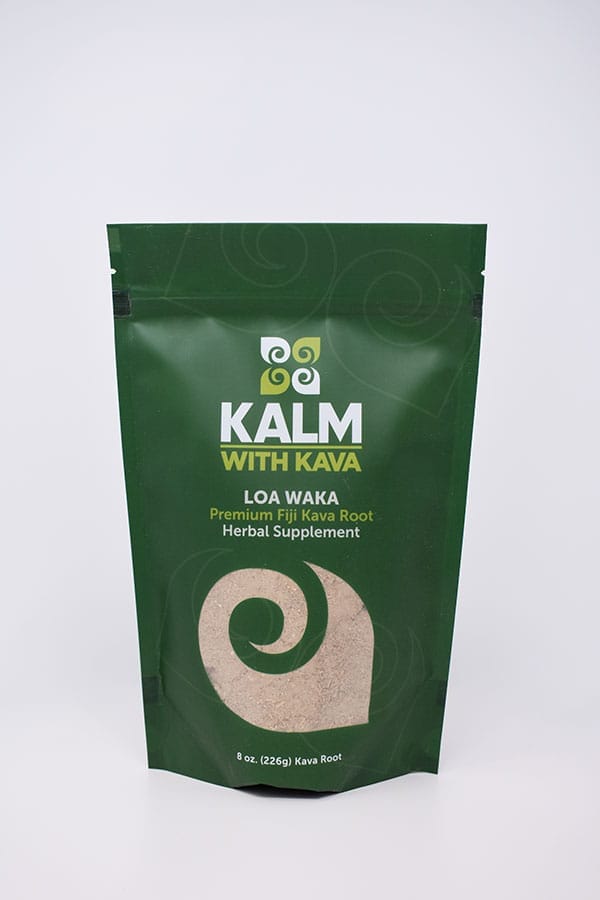
Wakacon wins on format and channel: full pounds, no small-pouch premium, and the most established noble listing on Amazon. The specialists win on disclosure and range — Bula Kava House publishes per-varietal COAs with chemotype and kavalactone percentages, and both Bula and Kalm with Kava offer named cultivars, smaller sizes, and instant/micronized formats Wakacon doesn't make. On raw dollars per pound, the specialists' traditional grinds can actually beat Wakacon's $64.99 direct price, so buy Wakacon for the bulk format and the mainstream convenience, not on the assumption it's automatically the cheapest noble root available. One disambiguation: "Loa Waka" is a Kalm with Kava product, not a Wakacon one.
Is Wakacon kava strong?
Moderate — and the community record is unusually unanimous about it. Across a decade of forum reviews, Wakacon's Waka reads as a balanced, dependable, genuinely noble session that runs milder than the premium specialist imports; the Lawena, being crown root, is milder still by design. That makes Wakacon a daily-workhorse kava rather than a heavyweight. Remember kava's reverse tolerance, too: early sessions often feel faint regardless of brand, with the full character showing up after a few tries — which a one-pound bag gives you plenty of runway for.
Is this review sponsored by Wakacon?
No. Kava Review has no affiliate relationship with Wakacon at publication — we earn no commission if you buy, and the company did not see, review, or approve this article. We verified the catalog, the $64.99 Waka price, and the brand's published testing statements against Wakacon's own site and listings in June 2026, and the disclosure criticisms in this review are exactly the kind of thing a paid placement would have sanded off.
Filed under Review
Part of Powders & Traditional
Keep reading
Best Kava Powder
Traditional grind and micronized roots, ranked — where Wakacon's pounds sit in the wider field.
Kalm with Kava Review
The specialist counterpoint — named cultivars, smaller sizes, and the Loa Waka everyone confuses with Wakacon.
Bula Kava House Review
The Portland OG that posts a COA for every varietal — the disclosure standard we held Wakacon against.