Our pick. Singhs
Check priceSinghs Kava Review (2026): The Value Pound of Fijian Waka
Singhs sells a full 16-ounce bag of noble Fijian waka at a price the boutique single-origin bags can't touch — which makes it one of the most sensible everyday-drinking buys on Amazon. We ran it through our transparency check: the sourcing story (roots only, a replant pledge, stated noble) is genuinely good, but there's no published COA, kavalactone figure, or chemotype to verify, as of June 2026. Here's the honest verdict.
By The Kava Review DeskUpdated 2026-06-27~8 min readRanked by the lab reportHow we research
Most people who fall for Fijian kava run into the same wall: the bright, heady, sociable root they love is also the root they can't afford to drink more than once a week. Boutique single-origin waka is a beautiful thing, but at boutique single-origin prices it stays a treat. Singhs exists to solve exactly that problem. Its Premium Quality Noble Fijian Kava Root Powder comes in a full 16-ounce (one-pound) bag, and the price-per-serving math is the whole pitch — this is Fijian waka you can actually drink regularly.
The product is a traditional-grind, dried Fijian waka — milled from the thin lateral roots, the highest-kavalactone, brightest, most heady part of the plant — sold by Singhs Kava LLC and labeled noble. The sourcing copy is more thoughtful than most value bags bother with: Singhs says it sources responsibly from noble Fijian farmers, uses roots only (no leaves or stems, the parts you actually want), and runs a replant pledge of five plants for every one harvested. For a pound of value kava, that's a cleaner story than the anonymous bags it competes with.
This review is independent and unpaid. Kava Review has no affiliate relationship with Singhs at publication — we earn no commission if you buy, and nobody at the company reviewed this before it went up. We verified every fact below against the Amazon listing (ASIN B0C78V9XHM) and the Walmart listing in June 2026: the noble-waka grade, the Fijian origin, the roots-only sourcing, the 16 oz size, and the price. Where we land: a strong value pick with a genuinely likeable sourcing story, held off the very top tier by one honest gap — we could not find a published certificate of analysis, a named lab, a kavalactone percentage, or a chemotype, as of June 2026. The usual ground rules apply: kava is for adults 21+, it can cause drowsiness, don't drive after drinking it, never mix it with alcohol, effects vary, and none of this is medical advice.
The short version.
- Singhs' headline is value: a full 16-ounce (1 lb) bag of noble Fijian waka at a price (roughly $42 at retail) that makes regular drinking realistic — the cost-per-serving the boutique single-origin bags can't match.
- It's traditional-grind waka — milled from the lateral roots, the brightest, most heady, highest-kavalactone part of the plant — so it delivers the clear-headed, sociable Fijian profile, not the heavy Vanuatu couch-lock. (Effects vary; that's a feel description, not a health claim.)
- The sourcing story is better than most value bags: Singhs states noble Fijian root, roots only (no leaves or stems), responsible sourcing from Fijian farmers, and a replant pledge of five plants per one harvested.
- The transparency gap that keeps it off our top tier: as of June 2026 we found no published COA, no named lab, no kavalactone percentage, and no chemotype on the Amazon or Walmart listing — the noble-waka claim is stated, not lab-documented. The cultivar isn't named either.
- It's a traditional grind, not a no-prep format: you'll knead and strain it, the flavor is earthy and peppery, and like all kava the first session or two may feel mild (reverse tolerance). This is the everyday house bag, not a boutique showpiece.
At a glance.
| Spec | What Singhs states | Why it matters | Check price |
|---|---|---|---|
| Grade & origin | Noble Fijian WAKA (lateral roots), from Fiji | Waka is the bright, heady, highest-kavalactone grade — the classic Fijian profile | Check price |
| Sourcing | Roots only (no leaves/stems); responsible; 5-plants-replanted pledge | Roots-only and a replant story are real quality signals at this price | |
| Cultivar / chemotype | Not specified (June 2026) | No named variety or kavalactone fingerprint to set expectations by | |
| Testing / COA | No published COA, lab name, or kavalactone % found (June 2026) | Noble is stated, not lab-documented — the one gap in the story | |
| Format / size / price | Traditional-grind waka; 16 oz (1 lb), ~$42 retail | A full pound, strain-to-brew, lowest cost-per-serving among waka bags |
Singhs' Noble Fijian Waka (16 oz) at a glance — figures verified against the Amazon listing (B0C78V9XHM) and Walmart in June 2026. The noble-waka grade is the brand's stated sourcing claim; we did not find a published COA, kavalactone figure, or chemotype to confirm it.

Singhs Premium Quality Noble Fijian Kava Root Powder (WAKA, 16 oz)
Singhs
A full pound of bright noble Fijian waka at a price that makes daily drinking realistic — the value workhorse.
Our verdict: Singhs is the value workhorse of Fijian waka. You get a full 16-ounce bag of stated-noble Fijian lateral-root powder at a price the boutique single-origin bags can't touch, and it still delivers the bright, clear-headed, sociable profile that makes people seek out Fijian root. The sourcing story — roots only, a replant pledge — is genuinely likeable. The one honest reservation runs through the whole review: it's a stated noble-waka claim, not a posted lab sheet, with no named cultivar or kavalactone figure. It's traditional grind, so there's real straining homework, and like all kava the first couple of sessions may feel mild.
Lab report. Stated on the listing: noble Fijian WAKA (lateral roots), roots only (no leaves or stems), responsibly sourced from Fijian farmers with a five-plants-replanted pledge. That's a cleaner sourcing story than most value bags. But as of June 2026 we did not find a published certificate of analysis, a named lab, a kavalactone percentage, or a chemotype on the Amazon or Walmart listing, and the cultivar isn't named — so the noble-waka grade is stated, not lab-documented.
Most people want Fijian kava they can actually afford to drink more than once a week — and this is that bag. Singhs' Premium Quality Noble Fijian Kava Root Powder (WAKA) comes in a full 16-ounce (one-pound) size, which immediately changes the math: the per-serving cost drops well below the premium single-origin tier while keeping the same waka grade and the same bright, heady Fijian character. Singhs mills this from the lateral roots — waka, the highest-kavalactone, most heady part of the plant — so where a heavy Vanuatu grind pulls you toward the couch, this lands clear-headed and sociable, the early-evening "let's actually talk" pour.
Now the caveat a careful buyer feels. "Noble" is stated, not proven: as of June 2026 we did not find a published certificate of analysis, a named lab, a kavalactone percentage, or a chemotype on the listing, and the specific cultivar isn't named. That's the norm for traditional-grind value kava, not a red flag — but it's exactly where a specialist earns its premium, and it's the gap you're accepting for the lower price. Reputable Fijian kava is noble, not tudei, and Singhs labels it noble; if a posted lab sheet is your dealbreaker, ask for the current batch's documentation before ordering.
As a drink, judge it as the format it is. This is traditional grind, so the preparation tax is real: you knead the powder into water in a strainer bag, work it for several minutes, wring out and discard the fibrous makas, and drink the cloudy, earthy, peppery result. Expect kava's reverse-tolerance curve — the first session or two often feel mild, with the effect arriving more clearly on later tries, especially on an empty stomach. Start with a level tablespoon or two, give it 20–30 minutes, and scale to taste. With a full pound on hand, you can afford to find your dose.
Who should buy it.
Buy the Singhs Fijian Waka if you want genuine bright, heady Fijian kava in a full pound at a price that makes regular drinking realistic — and you appreciate a roots-only, replant-pledge sourcing story but don't need boutique single-origin pedigree or a published lab sheet to be happy. It's the dependable everyday house bag for a value-minded Fijian-kava drinker who's comfortable straining their own brew.
What we don't like.
It's a value bag, so the trust signal is a stated noble-waka claim rather than a posted COA — as of June 2026 we found no published lab sheet, kavalactone percentage, or chemotype, and the cultivar isn't named. As traditional grind it needs a strainer and a few minutes of prep, the flavor is earthy and peppery, and grind consistency can run a touch coarser than boutique bags. And like all kava, expect a mild first session or two. If independent lab verification is your dealbreaker, ask Singhs for the current batch's documentation before ordering.
- Origin
- Fiji
- Grade
- Noble WAKA (lateral roots) — bright, heady profile
- Cultivar / chemotype
- Not specified, as of June 2026
- Sourcing
- Roots only (no leaves/stems); responsible sourcing; five-plants-replanted pledge
- Format
- Traditional grind — requires straining to brew
- Testing
- No published COA, named lab, or kavalactone % found on the listing (June 2026)
- Size
- 16 oz (1 lb) — value size
- Price
- ~$42 retail — confirm current Amazon price on the listing
What we like.
- A full pound of noble Fijian waka — lowest cost-per-serving among the waka bags
- Bright, clear-headed, sociable Fijian profile from genuine lateral-root waka
- Cleaner-than-average sourcing story: roots only, responsible, five-plants-replanted pledge
- A sensible everyday house bag once you know you like the Fijian profile
Worth noting.
- No published COA, named lab, kavalactone %, or chemotype (June 2026) — noble is stated, not documented
- Cultivar isn't named, and there's no single-origin pedigree
- Traditional grind: straining homework, earthy/peppery flavor, grind can run coarser
- Expect a mild first session or two (kava's reverse-tolerance curve)
More kava worth comparing
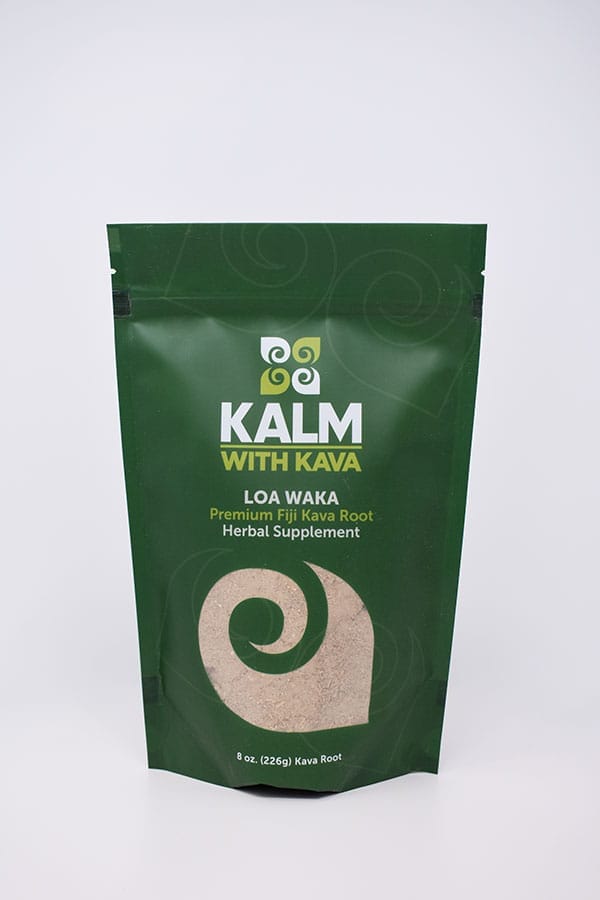
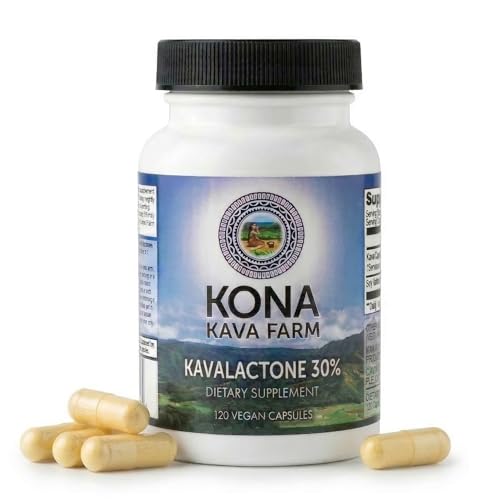
Beyond this guide: the highest-rated kava across every format, kavalactones verified, with a live price check on each.




As an Amazon Associate we may earn from qualifying purchases, at no cost to you. 21+.
How we chose.
We judge a Fijian kava on grade and disclosure first, and for a value bag like Singhs that means two questions. One: is it genuinely the right part of the plant for the profile it claims? Here Singhs is on solid ground — it's labeled noble Fijian waka, milled from the lateral roots, which is exactly the highest-kavalactone, brightest, headiest material, and the brand states roots only with no leaves or stems. That's the correct sourcing for the clear-headed Fijian experience, and it's a real step up from anonymous bags that don't say which part of the plant you're getting. Two: is the noble claim backed by a lab document? Here we draw the line we always draw. As of June 2026 we did not find a published certificate of analysis, a named testing lab, a kavalactone percentage, or a chemotype on the Amazon or Walmart listing, so we report the noble-waka designation as the brand's stated claim, not verified lab data.
Then we verified the catalog and the claims against the listings. We confirmed the Amazon title ("SINGHS Premium Quality Noble Fijian Kava Root Powder (WAKA)"), the 16 oz size, the Fijian origin, the roots-only and replant-pledge sourcing copy, and a price feel from Walmart (~$41.99) rather than a single hard Amazon number, because marketplace pricing moves and we couldn't reliably extract the live Amazon price. We note that Singhs also sells a separate micronized/instant line; this review is specifically the traditional-grind waka SKU. We do not invent a kavalactone figure, name a cultivar the brand doesn't, or report COA results that aren't published — where Singhs is silent, we say 'not specified, as of June 2026.'
Finally we assess it as a drink and a purchase, in plain experiential terms, and we never make health claims. Traditional-grind waka is preparation-heavy: you knead it into water in a strainer bag, work it for a few minutes, wring out and discard the fibrous makas, and drink the cloudy, earthy, peppery result. We weigh that prep as a real cost for newcomers, and we describe the bright, heady waka profile in feel terms (social, clear-headed, early-evening) while noting kava's reverse-tolerance curve. Kava is a centuries-old Pacific social drink that many adults find relaxing; it is not a treatment for anything, it can cause drowsiness, effects vary, you shouldn't drive after drinking it or mix it with alcohol, and anyone on medications or who is pregnant should check with a doctor first. General caution, not medical advice — and this review is not sponsored.
Key terms
- Waka
- The grade milled from kava's thin lateral roots — the highest-kavalactone, brightest, most heady part of the plant. Singhs' bag is waka, which is the correct sourcing for the clear-headed, sociable Fijian profile most people seek out. (The heavier, more grounding grade, from the basal stump, is lawena.)
- Noble kava
- The traditional cultivars Pacific growers raise for everyday drinking, prized for a smooth, agreeable effect — the opposite of harsher 'tudei' kava. Singhs labels its Fijian waka noble; a published COA naming the chemotype is how a buyer would independently confirm a noble claim, and Singhs does not post one as of June 2026.
- Roots only (no leaves or stems)
- A sourcing claim that the powder is milled from kava root rather than including the cheaper aerial parts (leaves and stems), which are not used in quality kava. Singhs states roots only, a meaningful quality signal for a value bag.
- Traditional grind
- Kava root milled coarse for straining: you knead it into water in a strainer bag and drink the strained liquid, discarding the fibrous 'makas.' Singhs' waka SKU is this format — more authentic and economical than instant, but more hands-on, and earthier in flavor. (Singhs sells a separate micronized/instant line.)
- Per-batch certificate of analysis (COA)
- A lab document tied to the specific lot you receive, reporting identity, contaminants, and often kavalactone content. We did not find a published per-batch COA from Singhs as of June 2026, so the noble-waka grade is a stated claim rather than lab-documented data.
Questions, answered
Is Singhs noble kava?
Singhs labels its product 'Premium Quality Noble Fijian Kava Root Powder,' so noble is the brand's stated claim, and it's sold as waka (the lateral-root grade). Reputable Fijian kava is noble — the cultivars traditionally consumed daily — rather than harsher tudei. The honest caveat is that, as of June 2026, we did not find a published certificate of analysis, a named lab, or a chemotype on the listing to independently confirm the noble designation, and the specific cultivar isn't named. So it's a credible, stated noble claim from a roots-only Fijian bag, not a lab-verified one. If a posted COA matters to you, ask the seller for the current batch's documentation.
Where is Singhs kava from?
Fiji. Singhs' waka is sold as Fijian kava root, sourced (per the brand) responsibly from noble Fijian farmers, using roots only — no leaves or stems — with a replant pledge of five plants for every one harvested. Fijian noble kava tends to skew bright, clear-headed, and sociable, which is the profile a waka grade like this is known for. The brand states the country (Fiji) but doesn't name a specific island, region, or single estate on the listing, as of June 2026.
How strong is Singhs kava, and how do I use it?
It's traditional-grind waka — the brightest, highest-kavalactone part of the plant — but Singhs doesn't publish a kavalactone percentage, so we can't give you a verified strength number, and the effect you get depends on the root, your kava-to-water ratio, and your prep. You make it the traditional way: knead the powder into warm water in a strainer bag, work it for a few minutes, strain out and discard the fibrous makas, and drink the cloudy result. Start with a level tablespoon or two, wait 20–30 minutes, and scale to taste. Expect kava's reverse-tolerance curve — the first session or two often feel mild. Effects vary; this isn't a grab-and-go format.
Does Singhs lab-test its kava or publish a COA?
We could not find one. As of June 2026 there's no published certificate of analysis, named testing lab, kavalactone percentage, or chemotype on the Amazon or Walmart listing for this SKU. That's typical for traditional-grind value kava and isn't evidence of a problem, but by our standard it means the noble-waka grade is a stated claim rather than lab-documented data. If independent verification is your dealbreaker, ask Singhs directly for the certificate on the batch you're considering before ordering.
Is Singhs kava a good value?
Yes — value is the whole point. A full 16-ounce (one-pound) bag of noble Fijian waka at roughly $42 retail is a lot of genuine Fijian root for the money, with a lower cost-per-serving than the boutique single-origin bags. You're trading boutique pedigree and a posted lab sheet for quantity and a clean roots-only sourcing story. For a value-minded drinker who already knows they like the bright Fijian profile and is happy to strain their own brew, it's an easy call. Confirm the current price on the listing, since marketplace pricing moves.
Is Singhs kava safe, and are there any cautions?
Kava is a traditional adult relaxant, not a medicine, and it's not a treatment for any condition. It's for adults 21+, can cause drowsiness, and you shouldn't drive after drinking it or combine it with alcohol. Be cautious if you take other medications or have liver concerns, and talk to a doctor first; if you're pregnant or nursing, don't use it. Singhs' roots-only sourcing addresses the common 'is this the right part of the plant' concern, but it doesn't change the general kava cautions, and we found no contaminant screen published. We're not doctors; this is general caution, not medical advice.
Is this review sponsored by Singhs?
No. Kava Review has no affiliate relationship with Singhs at publication — we earn no commission if you buy, and the company did not review or approve this article. We verified every fact against the Amazon listing (ASIN B0C78V9XHM) and the Walmart listing in June 2026, including the noble-waka grade, the Fijian origin, the roots-only sourcing, the 16 oz size, the price, and the absence of a published COA or kavalactone figure. Our verdict — strong value and a likeable sourcing story, but no posted lab sheet — reflects the Kava Review standard, not a paid placement.
Keep reading.
Best Fijian Kava (2026)
The full Fijian shelf ranked — waka vs. lawena, the famous Loa Waka, and where a value pound like Singhs' fits in.
Best Noble Kava
The noble cultivars and brands we trust most — and how to read a 'noble' claim like Singhs' without a posted COA.
How to Read a Kava COA
Noble status, cultivar, kavalactones, contaminant screen — exactly the disclosures Singhs' listing leaves out, and why they matter.