Our pick. Fiji Vanua Kava
Check priceBest Fijian Kava (2026): Waka, Lawena & the Loa Legacy
Fiji grows some of the brightest, most heady noble kava on Earth — and if you've decided you specifically want Fijian root, the choice comes down to grade, cultivar, and how much you trust the bag. Here are the five Fijian kavas worth buying, what waka and lawena actually mean, and why the famous Loa Waka has a cult following.
By The Kava Review DeskUpdated 2026-06-2712 min readRanked by the lab reportHow we research
 Best Overall
Fiji Vanua Kava Premium Loloma Waka (Sun-Dried Noble)
- Fiji Vanua Kava
- 4.7
- Price
- ~$35–$50
Ask a room full of seasoned kava drinkers where the best heady kava comes from and a lot of them will say one word: Fiji. Fijian noble kava tends to skew bright, clear-headed, and sociable — the kind of effect people reach for in the early evening rather than the deep, sedating heaviness Vanuatu is famous for. That profile, plus a deep cultural relationship with kava (the ceremonial grog is called yaqona, or grog for short), is why "Fijian kava" is its own high-intent search and its own buying decision.
But "Fijian" alone doesn't tell you what's in the bag. The two things that actually move the experience are grade — waka (the lateral roots) versus lawena (the basal stump) — and cultivar, where Fiji's celebrated Loa Waka has become a near-legendary name. Get those two right and you can dial Fijian kava from bright-and-social to strong-and-heady on purpose.
We sorted the Fijian shelf into five picks that each win a clear lane: a premium sun-dried waka as our overall, a genuine value bag, the strongest Damu grind, the best bulk buy, and the single most available, best-known Loa Waka. Every pick is real Fijian noble root, every BUY link goes straight to the exact product, and the 30-second finder below points you to the right one for your goal.
The short version.
- <strong>Waka vs. lawena is the key dial.</strong> Waka = the thin lateral roots, the highest-kavalactone, brightest, most heady part of the plant. Lawena = the heavier basal stump, a calmer, more grounding pour. Most premium Fijian bags are waka.
- <strong>Loa Waka is a cultivar, not just a grade.</strong> It's a specific celebrated Fijian noble variety prized for a clean, heady, social effect — which is why several brands sell "Loa Waka" by name.
- <strong>Fijian noble skews bright and heady</strong>, where Vanuatu kava typically runs heavier and more sedating. Neither is "better" — they're different moods. Buy Fijian when you want clear-headed and sociable.
- <strong>Noble, never tudei.</strong> Reputable Fijian kava is noble (daily-drinking) root. We flag what each brand states about noble sourcing — and the honest reality that most do not post a per-batch certificate of analysis.
- <strong>Traditional grind needs straining</strong>, and the usual rules apply: start low, evenings only, never mix kava with alcohol, go easy with other medications. 21+. None of this is medical advice.
At a glance.
| Product | Best for | Grade / cultivar | Why it wins | Check price |
|---|---|---|---|---|
| Fiji Vanua Premium Loloma Waka | Best overall | Sun-dried noble waka | Premium single-origin waka with a true heady Fijian profile | Check price |
| Singhs Noble Fijian Waka (16 oz) | Best value | Noble waka | A full pound of bright Fijian waka at a fair price | Check price |
| Kava Pros Royal Fiji Black Damu | Strongest / most heady | Damu (strong waka grind) | The hardest-hitting heady pour in the lineup | Check price |
| FijiKava Premium (500 g) | Best bulk Fijian | Noble waka | Half a kilo of everyday Fijian root, lowest cost per gram | Check price |
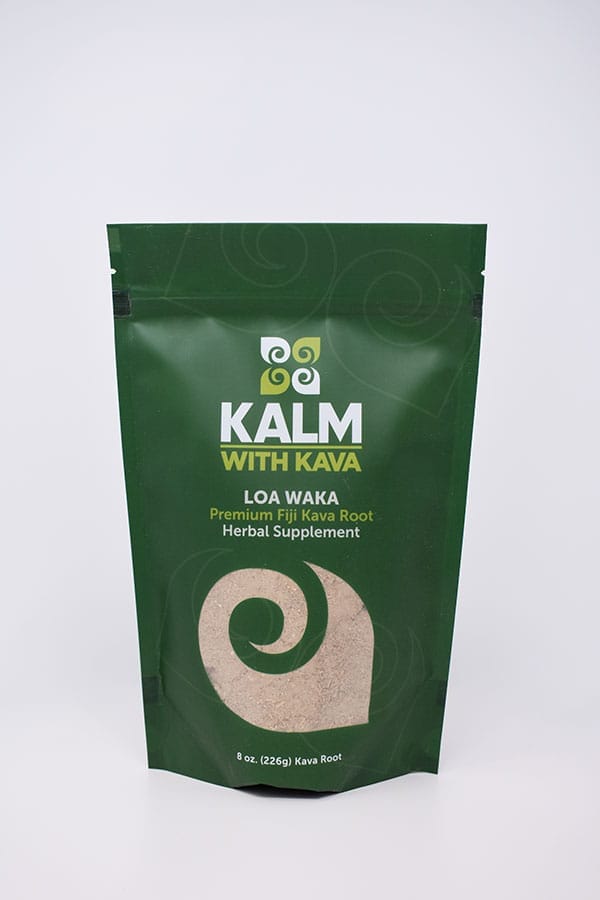
| KALM with Kava Loa Waka | Best known / most available | Loa Waka cultivar | The famous Fijian cultivar from the most accessible brand | Check price |
The Fijian-kava shortlist at a glance.
Fiji Vanua Kava Premium Loloma Waka (Sun-Dried Noble)
Fiji Vanua Kava
A premium, sun-dried single-origin Fijian waka that nails the bright, heady profile people buy Fijian kava for.
Our verdict: If you want one Fijian kava that delivers exactly what the reputation promises, this is it. Fiji Vanua's Loloma Waka is a premium, sun-dried, single-origin noble waka — the bright, clear-headed, sociable effect that makes people seek out Fijian root in the first place, in a clean grind that strains well. It's not the cheapest bag here, but it's the one we'd hand a friend who said "I want to taste what's special about Fiji."
Lab report. Stated noble Fijian waka, sun-dried and single-origin; like nearly every traditional-grind bag, the listing doesn't post a per-batch COA, so the trust signal here is the clear noble-waka sourcing and the single-origin claim rather than a published lab sheet — ask for the current batch's documentation if it matters to you.
This is the bag that earns Fiji its heady reputation. Fiji Vanua Kava's Premium Loloma Waka is a sun-dried, single-origin noble waka — meaning it's milled from the thin lateral roots, the highest-kavalactone, most heady part of the kava plant. Where heavier Vanuatu grinds pull you toward the couch, a good Fijian waka like this one tends to land bright, clear, and social: the early-evening, "let's actually have a conversation" pour.
The trade-offs are the usual ones for traditional grind and for premium single-origin. You'll need a strainer bag and a few minutes of kneading — this is root powder, not an instant — and you're paying a premium-tier price for the sourcing. As with most Fijian bags, there's no per-batch lab sheet posted, so the noble-waka claim and the single-origin story are your trust signals. Start with a level tablespoon or two, give it 20–30 minutes, and add more only if you want it.
Who should buy it.
Buy the Fiji Vanua Loloma Waka if you specifically want the bright, heady, sociable Fijian experience done right — a clean single-origin noble waka — and you're happy to do a little traditional kneading-and-straining for a premium-grade pour.
What we don't like.
It's a premium-priced single-origin bag, so it's not the value play here, and being traditional grind it needs a strainer and prep. And like almost every Fijian kava on the shelf, there's no per-batch COA on the listing — you're trusting the noble-waka and single-origin claims rather than a published number.
- Origin
- Fiji (single-origin)
- Grade
- Waka (lateral roots) — heady profile
- Cultivar
- Loloma (noble)
- Processing
- Sun-dried, traditional grind
- Profile
- Bright, heady, sociable
- Dose control
- By the tablespoon; start low, requires straining
What we like.
- Premium sun-dried, single-origin noble waka
- Textbook bright, heady Fijian profile
- Clean grind that kneads and strains well
- Clear noble-waka sourcing story
Worth noting.
- Premium price — not the value pick
- Traditional grind: needs a strainer bag and prep
- No per-batch COA posted on the listing

Singhs Premium Noble Fijian Waka (16 oz)
Singhs
A full pound of bright noble Fijian waka at a price that makes daily drinking realistic.
Our verdict: The value workhorse for Fijian waka. Singhs sells a full 16-ounce bag of noble Fijian waka at a price the premium single-origin bags can't touch, and it still delivers the bright, heady profile you came to Fiji for. It's not boutique, and it doesn't publish a lab sheet, but for a pound of genuine Fijian waka you can drink regularly without flinching at the cost, it's the easy call.
Lab report. Marketed as premium noble Fijian waka; the listing leans on the noble-waka sourcing claim rather than a posted per-batch COA, which is the norm for traditional grind at this price — the value here is the cost-per-pound, with sourcing stated but not lab-documented.
Most people want Fijian kava they can actually afford to drink more than once a week — and this is that bag. Singhs' Premium Noble Fijian Waka comes in a full 16-ounce (one-pound) size, which immediately changes the math: the per-serving cost drops well below the premium single-origin tier while keeping the same waka grade and the same bright, heady Fijian character.
Set expectations accordingly. This is a value bag, not a flex: the noble-waka sourcing is stated rather than lab-documented, and the grind and taste are good-everyday rather than premium-special. It's traditional grind, so plan to knead and strain. Start with a tablespoon or two, wait the usual 20–30 minutes, and scale to taste.
Who should buy it.
Buy the Singhs Fijian Waka if you want genuine bright, heady Fijian kava in a full pound at a price that makes regular drinking realistic — and you don't need boutique single-origin sourcing or a published lab sheet to be happy.
What we don't like.
It's a value bag, so it doesn't carry the single-origin pedigree or sun-dried story of the premium picks, and there's no per-batch COA on the listing. As traditional grind, it still needs a strainer and a few minutes of prep — and grind consistency can be a touch coarser than boutique bags.
- Origin
- Fiji
- Grade
- Waka (lateral roots) — heady profile
- Size
- 16 oz (1 lb) — value size
- Processing
- Traditional grind
- Profile
- Bright, heady
- Dose control
- By the tablespoon; requires straining
What we like.
- Full pound of noble Fijian waka
- Lowest cost-per-serving among the waka picks
- Genuine bright, heady Fijian character
- Workable grind for traditional prep
Worth noting.
- No single-origin pedigree or sun-dried story
- No per-batch COA published
- Traditional grind: needs straining; grind can run coarser

Kava Pros Royal Fiji Black Damu (Strong Waka Grind)
Kava Pros
A Damu-grade Fijian waka built for the strongest, headiest pour in the lineup.
Our verdict: When people search "strongest Fijian kava," this is the kind of bag they mean. Kava Pros' Royal Fiji Black Damu is a Damu-grade waka — a darker, stronger Fijian grind — tuned for a hard-hitting, heady pour rather than a gentle social sipper. It earns the strongest slot in the lineup with one firm caveat: respect it, start small, and don't treat it like your everyday value bag.
Lab report. Sold as a premium Royal Fiji Damu noble grind; Kava Pros positions it on strength and Fijian sourcing rather than a posted per-batch COA — treat the "strong" billing as the selling point and the noble-Fijian claim as the trust signal, and dose it accordingly.
This is the heavy hitter of the Fijian shelf — and it's still heady, not sedating. Kava Pros' Royal Fiji Black Damu is a Damu-grade grind: Damu (the word means "red" or "dark") refers to a stronger, darker class of Fijian kava prized for a more intense effect. Built from waka, it keeps Fiji's bright, clear-headed character but turns the volume up — the strongest pour we'd point you to here.
Used the way it's meant to be — by a drinker who wants a genuinely potent, heady Fijian session — it delivers more effect per scoop than anything else in the guide. It's a premium-tier bag, it's traditional grind so it needs straining, and like the rest of the field it doesn't post a per-batch lab sheet. Buy it for the strength, dose it like you mean it.
Who should buy it.
Buy the Kava Pros Royal Fiji Damu if you're an experienced kava drinker who wants the strongest, headiest Fijian pour you can get — a Damu-grade grind tuned for intensity — and you'll measure it carefully rather than free-pouring.
What we don't like.
It's potent enough to catch out a casual user, and it's a premium-priced bag rather than a value one. As with the others, there's no per-batch COA on the listing, and being traditional grind it needs a strainer and prep. Strength means you'll get fewer sessions per gram if you dose it like a mild waka.
- Origin
- Fiji
- Grade
- Damu — strong/dark waka grind
- Processing
- Traditional grind
- Profile
- Strong, heady, intense
- Best for
- Experienced drinkers
- Dose control
- Start small; requires straining
What we like.
- Strongest, headiest pour in the lineup
- Damu-grade Fijian grind built for intensity
- Keeps Fiji's bright, clear-headed character
- Premium sourcing story
Worth noting.
- Easy to overshoot — not a beginner bag
- Premium price; fewer sessions per gram if over-dosed
- No per-batch COA; traditional grind needs straining

FijiKava Premium Kava Powder (500 g)
FijiKava
Half a kilo of everyday Fijian noble root — the lowest cost per gram for regular drinkers.
Our verdict: The bulk buy for people who drink Fijian kava often. FijiKava's 500-gram bag is half a kilo of noble Fijian root at a cost-per-gram the smaller bags can't match — a sensible restock once you know you like the Fijian profile. It's an everyday-grade workhorse rather than a boutique single-origin, but for keeping a steady supply of bright, heady Fijian kava on hand, it's the value-by-volume pick.
Lab report. Premium noble Fijian kava sold in a 500 g bulk size; the listing relies on the noble-Fijian sourcing claim rather than a posted per-batch COA, which is standard for bulk traditional grind — the draw is the cost-per-gram on stated noble root, not lab documentation.
Once you know Fijian kava is your thing, you stop buying it by the ounce. FijiKava's Premium Kava Powder comes in a 500-gram (half-kilo) bag, which is the size that actually makes daily-ish drinking economical. It's noble Fijian root with the bright, heady character of the region, bought in the quantity a regular drinker goes through — the restock bag, not the sampler.
Because it's a bigger bag, storage matters — keep it sealed, cool, and dry so a half-kilo doesn't go stale before you finish it. It's traditional grind, so the strainer-and-knead routine applies, and like the rest of the field there's no per-batch COA posted. Start with a tablespoon or two and scale to taste; with this much kava on hand, you can afford to find your dose.
Who should buy it.
Buy the FijiKava 500 g if you already know you like Fijian kava and want to keep a steady, economical supply on hand — the lowest cost-per-gram here — and you value a dependable everyday house pour over boutique single-origin sourcing.
What we don't like.
It's an everyday-grade bulk bag, not a premium single-origin, so it won't wow the way our top pick does, and there's no per-batch COA. A half-kilo also asks you to store it properly so it doesn't stale, and as traditional grind it still needs straining and prep.
- Origin
- Fiji
- Grade
- Noble waka — heady profile
- Size
- 500 g (half kilo) — bulk size
- Processing
- Traditional grind
- Profile
- Bright, heady, everyday
- Dose control
- By the tablespoon; store sealed; requires straining
What we like.
- Half a kilo — lowest cost per gram here
- Steady supply for regular Fijian drinkers
- Bright, heady Fijian character
- Sensible restock once you know you like Fiji
Worth noting.
- Everyday-grade, not boutique single-origin
- Bulk size needs proper sealed storage
- No per-batch COA; traditional grind needs straining

KALM with Kava Loa Waka (Medium Grind)
KALM with Kava
The famous Loa Waka cultivar from the most accessible, best-known brand — the safe, easy entry to Fijian kava.
Our verdict: The Fijian kava most people actually meet first. KALM with Kava's Loa Waka is the celebrated Fijian cultivar from one of the most recognizable, most available brands in the U.S. kava scene — a clean, noble medium grind with the bright Loa Waka character. It's not the cheapest or the strongest, but as the most accessible, most consistent, best-known way to buy Loa Waka by name, it's the dependable default.
Lab report. KALM with Kava is a well-known, kava-bar-rooted brand that consistently markets noble kava; its Loa Waka is sold by cultivar name as a noble medium grind. Like the rest of the field it doesn't typically post a per-batch COA on the listing, but the brand reputation and consistent noble positioning are the strongest "known quantity" signal in this guide.
If "Loa Waka" is the name that got you here, this is the most accessible way to buy it. KALM with Kava's Loa Waka is the famous Fijian noble cultivar — prized for a clean, bright, heady, sociable effect — from a brand with deep roots in the U.S. kava-bar world and reliably wide availability. The medium grind makes it forgiving to prepare, and the Loa Waka character is exactly the clear-headed Fijian profile people chase.
Set expectations like the rest of the field: it's traditional grind (a medium grind, so it's a little easier to work), it doesn't post a per-batch lab sheet, and it sits at standard rather than maximum strength. It's noble Fijian root, brand-backed and easy to find — start with a tablespoon or two, give it the usual half hour, and adjust. Bula.
Who should buy it.
Buy the KALM with Kava Loa Waka if you want the famous Fijian cultivar by name from a brand you can re-order with confidence — the most available, most consistent option — and you value a dependable known quantity over chasing the absolute lowest price or strongest hit.
What we don't like.
It's standard strength, so heavy drinkers chasing a Damu-level pour will want more punch, and brand recognition means it's rarely the cheapest bag. Like every pick here it doesn't post a per-batch COA, and as traditional grind it still needs straining — though the medium grind makes that a little easier.
- Origin
- Fiji
- Cultivar
- Loa Waka (noble) — the celebrated Fijian variety
- Grade
- Waka, medium grind
- Processing
- Traditional grind (medium)
- Profile
- Bright, heady, balanced/sociable
- Availability
- Widest of the picks here — easy to re-order
What we like.
- The famous Loa Waka cultivar by name
- Most available, most consistent brand here
- Forgiving medium grind
- Dependable known quantity for a first Fijian bag
Worth noting.
- Standard strength — not a maximum-punch Damu
- Brand recognition means rarely the cheapest
- No per-batch COA; traditional grind needs straining
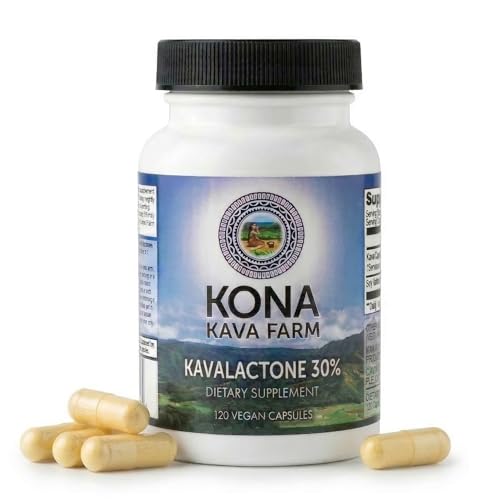
More kava worth comparing
Beyond this guide: the highest-rated kava across every format, kavalactones verified, with a live price check on each.




As an Amazon Associate we may earn from qualifying purchases, at no cost to you. 21+.
Quick shop: every pick.
Skip the scroll: the whole lineup, with a live price check on each.
- Fiji Vanua Kava Premium Loloma Waka (Sun-Dried Noble)Best OverallFiji Vanua Kava · ~$35–$50Check price
- Singhs Premium Noble Fijian Waka (16 oz)Best ValueSinghs · ~$25–$40 (16 oz)Check price
- Kava Pros Royal Fiji Black Damu (Strong Waka Grind)Strongest / Most HeadyKava Pros · ~$35–$55Check price
- FijiKava Premium Kava Powder (500 g)Best Bulk FijianFijiKava · ~$30–$50 (500 g)Check price
- KALM with Kava Loa Waka (Medium Grind)Best Known / Most AvailableKALM with Kava · ~$25–$45Check price
How we chose.
We judged Fijian kava the way a buyer who has already decided on Fiji should: by grade and cultivar (is it true waka, lawena, or a named variety like Loa Waka, and does that match a bright-heady Fijian profile?), noble sourcing and transparency (does the brand clearly state noble Fijian root, and does it offer or publish any testing?), value (cost per gram, not just sticker price), and real-world usability (grind consistency, how it strains, whether it's a try-it size or a bulk buy).
Every pick is a product genuinely sold on Amazon, so you can buy the exact item we describe. Ratings are our editorial scores, not a scrape of star averages. Where a brand doesn't post a per-batch certificate of analysis or a kavalactone figure — which, honestly, is most of them — we say so plainly rather than inventing numbers.
We make no health claims. Kava is a traditional evening relaxant enjoyed by adults; it is not a treatment for anything, effects vary person to person, and the right dose is the smallest one that does the job. Fijian or not, the rules don't change: start low, never combine it with alcohol, and treat it as a wind-down, not an all-day habit.
Questions, answered
What's the difference between waka and lawena in Fijian kava?
They're two grades from different parts of the same plant. Waka is milled from the thin lateral roots — it carries the highest kavalactone content and gives the bright, heady, clear-headed effect Fiji is famous for. Lawena comes from the basal stump (the thicker base of the plant) and tends to be calmer, heavier, and more grounding. Most premium Fijian bags, including four of our five picks, are waka. If you specifically want a milder, more sedating pour, look for lawena.
What is Loa Waka, and why is it so popular?
Loa Waka is a specific celebrated Fijian noble kava cultivar — not just a grade — prized for a clean, bright, heady, sociable effect. Because it's a named variety with a strong reputation, several brands sell "Loa Waka" by name (our KALM with Kava pick is the most available). Think of it the way you'd think of a named coffee varietal: a recognizable profile people seek out on purpose.
How is Fijian kava different from Vanuatu kava?
As a generalization, Fijian noble kava skews bright, clear-headed, and heady — a sociable, early-evening profile — while Vanuatu kava typically runs heavier and more sedating. Neither is objectively better; they're different moods. Buy Fijian when you want clear-headed and social; reach for a heavy Vanuatu grind when you want to sink into the couch. Both should be noble (daily-drinking) cultivars.
What is Damu kava?
Damu (the word means "red" or "dark") refers to a stronger, darker class of Fijian kava grind, like our Kava Pros pick. It's still noble waka and still keeps Fiji's heady character, but it's tuned for a more intense effect. It's the bag to reach for if you want the strongest Fijian pour — and the one to dose most carefully. If you're new to kava, start with a milder waka first.
Is Fijian kava noble (not tudei)?
Reputable Fijian kava is noble — the cultivars traditionally consumed daily — and every pick in this guide is sold as noble Fijian root. Tudei ("two-day") kavas are a different, non-noble class you should avoid for regular drinking. The honest catch is that most traditional-grind bags, Fijian or otherwise, don't post a per-batch certificate of analysis. We flag what each brand states about noble sourcing, and when documentation matters to you, it's fair to ask the seller for the current batch's COA.
Do I need to strain Fijian root powder, and is it safe?
Yes — traditional grind (which is what these are) needs to be kneaded in a strainer bag with water and strained before you drink it; you discard the fibrous makas. As for safety: kava is a traditional adult relaxant, not a medicine, and it's not a treatment for any condition. Start with a small dose, keep it to the evening, never mix it with alcohol, and be cautious if you take other medications or have liver concerns — talk to a doctor first. This guide is editorial, not medical advice, and it's for adults 21+.
Keep reading.
Best Noble Kava
The wider noble-kava field — what 'noble' means and the top daily-drinking bags across origins.
Loa Waka Review
A closer look at Fiji's famous Loa Waka cultivar and how it actually pours.
Best Kava Powder
Our overall traditional-grind powder roundup, beyond Fiji — picks for every goal and budget.