Our Pick: MELO
Check PriceKava vs Ashwagandha (2026): Fast Calm vs Slow Adaptogen
Kava and ashwagandha both get shelved under "the calm stuff," but they're built on opposite clocks. Kava is a Pacific root you drink for an acute, you-feel-it-tonight relaxation — its kavalactones deliver a same-session, evening-shaped calm with a clear head. Ashwagandha (Withania somnifera) is a slow-building adaptogen herb people take daily, in capsules or powder, over weeks — where the value users describe is cumulative rather than an acute event. So the real question isn't which is stronger; it's whether you want a drink you feel tonight (kava) or a daily routine that works over the long haul (ashwagandha). We rate and link kava; ashwagandha we cover neutrally, as the editorial half of an honest comparison.
By The Kava Review DeskUpdated 2026-07-26~7 min read Ranked by the lab reportHow we research
The short answer: kava and ashwagandha are not interchangeable, and the right pick depends on the clock you are shopping on. Choose kava when you want an acute, feel-it-tonight calm you drink, one that drinkers typically describe noticing within about an hour and easing off after a few; choose ashwagandha's lane when you want a daily capsule or powder habit that people judge cumulatively over weeks, not in a single evening. Updated July 2026. Both plants get shelved under "the calm stuff" by people who want to take the edge off without alcohol, and that shared shelf hides the single most useful fact about them: they work on completely different timelines and are taken in completely different ways, so the honest comparison isn't "which is stronger," it's "which kind of calm are you actually shopping for?" (If you land on the kava side, our pick below is a disclosed-dose can that states 100 mg of kavalactones per 12 oz, at $49.99 for a twelve-pack.)
Kava is a root from the South Pacific — the same one in our complete guide to kava — that you prepare and drink. Its active compounds, the kavalactones, produce an acute, same-session relaxation: drinkers describe a relaxed body and a sociable, present, clear head, usually within the hour, lasting a few hours, then easing off. It's a thing you do and feel tonight — a drink with an arc, which is why kava bars exist and why people drink it socially. (For the mechanism, our kavalactones explainer goes deep.)
Ashwagandha is a different kind of thing entirely. It's a root from the shrub Withania somnifera, used for centuries in traditional Ayurvedic practice and sold today mostly as capsules, gummies, and powders. People who take it almost universally describe it the opposite way from kava: not as a tonight-event but as a slow, cumulative thing they take every day and notice over weeks. It's a daily supplement habit, not a drink you brew when you want to unwind this evening. So one is acute and you feel it in a session; the other is taken daily and judged over the long run. Below we put them side by side — what each is, how each is taken, onset and timing, the experiential character people report, who each suits — then handle the "can I use both?" question plainly. Honest disclosure: we rate and link kava (the half we know cold and stake our name on); ashwagandha we cover neutrally and recommend no brands. None of this is medical advice, neither is a treatment for anything, effects vary, both are for adults 21+, and anyone on medications should talk to a doctor before adding either.
The short version
- Different clocks, not different labels for the same thing. Kava is an ACUTE, feel-it-tonight relaxation you drink (within the hour, lasts a few hours). Ashwagandha is a SLOW adaptogen herb people take daily, where what users describe builds over weeks rather than landing in a single session.
- They're taken completely differently. Kava is a prepared drink — a bowl, a can, a tonic — reached for when you want to wind down. Ashwagandha is a daily capsule, gummy, or powder folded into a routine, more like a vitamin than a beverage.
- Kava has a ritual and an arc; ashwagandha is a habit you keep. Kava is something you experience in the moment (which is why kava bars exist); ashwagandha is mostly a daily routine you judge over time, not an evening event.
- Neither is a medicine, and they're not interchangeable. We make no claim that kava or ashwagandha treats stress, anxiety, sleep problems, or anything else, and you can't simply swap one for the other — they serve different goals. Experiential, lawful comparison only.
- If "I want to feel relaxed tonight, with a clear head" is the goal, kava is built for that job. If "I want a daily supplement habit I take over the long term" is the goal, that's the lane people use ashwagandha for.
- We sell kava, not ashwagandha — and we say so. The one kava pick below is a real product we link; ashwagandha we cover neutrally with zero product recommendations. 21+, effects vary, not medical advice; people on medications should consult a doctor.
At a glance
| Kava | Ashwagandha | |
|---|---|---|
| What it is | A South Pacific root you drink; active compounds are kavalactones | A root from the shrub Withania somnifera, used as an adaptogen herb |
| How it's taken | Prepared as a drink — traditional bowl, instant, or a ready-to-drink can/tonic | A daily supplement — capsules, gummies, or powder stirred into food or drink |
| Timing / onset | Acute, same-session: felt within roughly an hour, lasts a few hours, then eases off | Cumulative: taken daily, with the value users describe building over days to weeks |
| Experiential character | Relaxed body, sociable and present, head largely clear — an evening-shaped calm | Most users describe a steady, in-the-background everyday evenness rather than an acute feeling |
| Ritual vs routine | A ritual with an arc — you reach for it when you want to wind down tonight | A daily routine, more like a vitamin — taken on a schedule, not when the mood strikes |
| Best suited for | Wanting to feel relaxed this evening, sociably, with a clear head | Wanting a low-key daily habit kept up over the long term |
Kava vs ashwagandha — fast acute drink vs slow daily adaptogen, honestly

MELO Sparkling Kava
MELO
A cold, sparkling, disclosed-dose kava that makes the acute, feel-it-tonight calm as simple as opening a can.
Our verdict: If you're weighing kava against ashwagandha and what you actually want is a calm you can feel tonight rather than a daily pill you judge in a month, this is the cleanest way to feel the difference. MELO is cold, sparkling, and disclosed-dose, so you know exactly what you're getting and you'll know the same evening whether it worked — which is the whole point of choosing the acute lane over the slow-adaptogen one. It's our pick because it turns "trying kava" into opening a can.
Lab report: Brand publishes kavalactone content per can and lab testing for its kava sourcing.
The fastest way to feel what separates kava from a slow adaptogen is to drink something with a known dose and notice how the evening goes. A can like MELO Sparkling Kava is built for exactly that: it's cold, carbonated, and disclosed-dose, so unlike a daily ashwagandha capsule whose value people only judge after weeks, you get an acute, same-session calm you can actually evaluate tonight — relaxed body, clear head, a sociable wind-down within the hour.
Treat it as a relaxing evening drink, not an all-day or every-day habit — the value of the acute lane is that you reach for it when you actually want to wind down, then put it back. And the one hard rule everywhere on this site: never mix kava with alcohol. New to all of this? Start with best kava for beginners for the gentle on-ramp.
Who should buy it
Buy MELO if you're deciding between kava and ashwagandha and what you want is kava's acute, feel-it-tonight calm with the least possible friction — no brewing, no guesswork, a known dose in a cold can. It's the right pick for the person who wants a tonight-you'll-know answer rather than a take-it-daily-and-wait routine.
What we don't like
At $49.99 for a 12-pack it's priced like a premium functional beverage, so per-can it's a treat, not a bargain — the cost of a disclosed, tested product. It's a sparkling flavored drink rather than a traditional brewed bowl, so purists chasing the full earthy ritual will want a grind instead. And it's emphatically an acute relaxant: if what you wanted was a low-key daily habit you keep up over the long term, that's the lane people use ashwagandha for, not this.
- Format
- Sparkling, ready-to-drink kava (canned)
- Pack
- 12-pack
- Best for
- The lowest-friction first taste of kava's acute calm
- What's verified
- Brand states per-can kavalactone content and kava lab testing
What we like
- Disclosed-dose — you know the kavalactones per can
- Acute, same-session calm you can actually evaluate tonight
- Cold, sparkling, zero prep — opening a can is the whole ritual
- A genuinely easy on-ramp for anyone coming from daily supplements
Worth noting
- Premium per-can pricing
- Flavored RTD, not a traditional brewed bowl
More kava worth comparing
Beyond this guide: the highest-rated kava across every format, kavalactones verified, with a live price check on each.

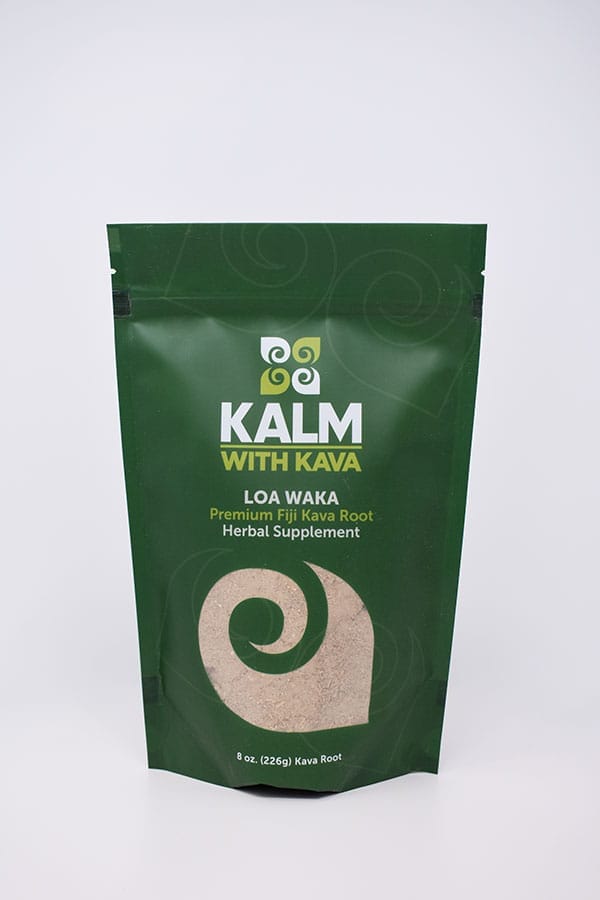


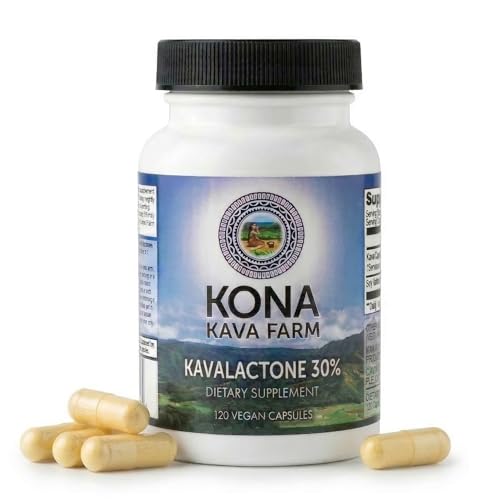
As an Amazon Associate we may earn from qualifying purchases, at no cost to you. 21+.
How we chose
We compare kava and ashwagandha the way a buyer actually decides between them — by how each is taken, the timing (acute vs cumulative), the experiential character people report, the ritual-vs-routine shape, and who each suits — not by chasing a "winner." The kava side reflects the same hands-on, COA-first standard we apply across this site: we favor named noble cultivars and disclosed-dose products, and we treat published lab testing as the price of entry.
On the ashwagandha side we stay deliberately neutral and general. We do not sell ashwagandha, we recommend no brands, and we make no medical claims about it; we describe how it's commonly taken and how users characterize the experience so the comparison is honest, not so we can route you to a product. No brand paid for placement here — not on the kava side, not anywhere. Our only commercial interest is the one kava product we link, and we'd rather tell you kava isn't your answer than sell you the wrong kind of calm.
Everything here is experiential and lawful. Neither kava nor ashwagandha is presented as a treatment for any condition; effects vary person to person, both are for adults 21+, anyone taking medications should talk to a doctor before adding either, and none of this is medical advice.
Key terms
- Adaptogen (plain-speak)
- A loose, popular category for certain herbs — ashwagandha among them — that people take daily over the long term rather than for an acute, in-the-moment effect. The label describes how these herbs are typically used (a steady daily habit judged over weeks), not a medical claim about what they do. It's the single biggest reason ashwagandha and kava aren't interchangeable: kava is an acute drink, an adaptogen is a slow daily routine.
- Withania somnifera
- The botanical name for ashwagandha, a shrub whose root has been used for centuries in traditional Ayurvedic practice and is sold today mostly as capsules, gummies, and powders. Naming the plant matters in a comparison like this because it underlines how different it is from kava (Piper methysticum) — different plant, different part used, different way of taking it, different timeline.
- Kavalactones
- The family of active compounds in kava root that give it its relaxing character — chiefly six of them, with the ratio (a kava's "chemotype") shaping how it feels. A kava's strength is usually described by its total kavalactone content, which is why a disclosed-dose can or a published lab figure matters: it tells you how much you're actually getting. Our kavalactones explainer goes deeper.
- Acute vs cumulative
- The two shapes of "calm" this whole comparison turns on. An acute effect is one you feel in a single session — that's kava, felt within the hour and gone in a few. A cumulative use is one judged over repeated daily doses — that's how people use ashwagandha, where any single dose may feel like little and the routine is the point. Mistaking one for the other is how people end up disappointed by whichever they chose.
Questions, answered
Is kava or ashwagandha better for relaxing?
Neither is "better" outright — they relax you on different clocks and are taken in different ways, so it depends on the goal. Kava is acute: it's a drink whose kavalactones produce a same-session calm you feel within about an hour, with a clear head, and then it eases off. Ashwagandha is used as a slow daily adaptogen — a capsule, gummy, or powder people take on a schedule and judge over weeks, with little obvious effect from a single dose. So if you want to wind down tonight, noticeably, kava is built for that. If you want a low-key daily habit you keep up over the long term, that's the lane people use ashwagandha for. Frame it as which-kind-of-calm-on-which-clock, not which-is-better. Neither is a treatment for anything; effects vary; 21+, not medical advice.
Can ashwagandha replace kava, or vice versa?
Not really — they're not interchangeable, and trying to swap one for the other is how people end up disappointed. Kava is an acute drink you reach for when you want to relax this evening; ashwagandha is a daily supplement people fold into a routine and judge over weeks. They differ in plant, in how you take them (a beverage vs a pill or powder), and in timeline (tonight vs the long game). You could use them for different purposes — a kava session to unwind tonight, a daily ashwagandha habit in the background — but one isn't a substitute for the other. If you take any medications, talk to a doctor before adding either. Effects vary; 21+, not medical advice.
How is ashwagandha taken compared to kava?
Very differently. Ashwagandha is most often a capsule or gummy you swallow, or a powder some people stir into a warm drink or smoothie, taken once or twice a day on a schedule — much more like a daily vitamin than a beverage. Kava, by contrast, is something you drink: a traditional bowl you knead and strain, an instant powder you stir into water, or a ready-to-drink can or tonic. Kava has a taste (earthy and peppery in traditional form, tamed in the flavored cans) and a moment you sit down with; capsule ashwagandha has essentially no taste and no ritual. The format gap alone often decides which fits your life. Effects vary; 21+, not medical advice.
How fast does each one work?
This is the heart of the difference. Kava is acute: drinkers typically describe feeling it within roughly an hour, with the effect lasting a few hours before easing off — so you get a clear, same-evening answer about whether it worked. Ashwagandha is the opposite: it's used as a slow, cumulative daily habit, and people generally describe judging it over days to weeks rather than from a single dose, which is why there's no real "tonight" signal to read. If a fast, felt-tonight calm is what you're after, that's kava's territory; if you're comfortable with a daily routine you assess over the long run, that's how ashwagandha is used. Effects vary; 21+, not medical advice.
Can you take kava and ashwagandha together?
Some people do use them for different purposes — a daily ashwagandha routine plus the occasional kava session when they want to unwind tonight — and that's a description of what people do, not an endorsement, and we make no medical claim either way. Whether combining supplements is appropriate for you depends on your health, your other medications, and factors only a doctor or pharmacist who knows your situation can weigh, so that's the right person to ask, especially if you take any medications. Experientially, the sensible approach is to introduce one thing at a time so you can actually tell what each is doing, and start low. The one firm line we'll always draw is unrelated to either: never mix kava with alcohol. 21+, effects vary, not medical advice.
Does kava or ashwagandha get you high?
No — neither is intoxicating in the THC sense. Kava is non-intoxicating: there's no "high" or impairment of the head the way cannabis produces; drinkers describe a relaxed body with a clear, present mind, just on an acute, same-session timeline. Ashwagandha isn't intoxicating either; it's a daily herb people take for a steady background evenness over the long term, not for any in-the-moment buzz. So on the "will it make me high" question the two are similar — both are about calm rather than intoxication — they just deliver it on entirely different clocks. Neither is a medicine; effects vary; 21+, not medical advice.
Why do you only recommend a kava product and not ashwagandha?
Because we sell kava and we don't sell ashwagandha — and we think it's more honest to say that out loud than to bury it. The kava pick in this guide is a real product we link and earn a commission on if you buy through it; ashwagandha we cover neutrally, recommend no brands for, and make no money on. That asymmetry is exactly why we'll happily tell you when the ashwagandha lane fits your goal better: our credibility is the business, so we'd rather lose a click than steer you to the wrong kind of calm. No brand paid for placement here. Effects vary; neither is a treatment for anything; 21+, not medical advice; talk to a doctor if you're on medications.
Keep reading
What Is Kava? The Complete Guide
The full rundown on the plant, the kavalactones, what it feels like, and how to start — the foundation under this comparison.
Best Kava for Beginners
If kava's the lane you're leaning toward, this is the gentle on-ramp — the easiest, most forgiving ways to start.
Kava vs CBD, Honestly
The other acute-vs-cumulative "kava vs" question — a feel-it-tonight drink vs a slow daily routine.
Kava vs Coffee, Honestly
The flip side of the calm question — calm focus vs jittery energy, and which cup to actually swap.