Our pick. Kava Moon
Check priceKava Moon Review (2026): 300mg Kavalactone Shots by the Bottle
Kava Moon sells kava the way a spirits brand would: a 750ml bottle on the bar cart, poured by the shot, with a number on the label. That number is the story: a stated 300mg of kavalactones per shot, 17 shots per bottle. Updated September 2026: the brand now publishes its lab documents, and we read them. An independent lab measured the finished drink at 294mg per shot, within 2 percent of the label, with a kavain-led profile and clean mycotoxin, pesticide, and solvent panels, and the supplier sheet names Vanuatu as the origin. The honest caveats that remain: no cultivar is named, one lab report is posted against an every-batch claim, and 300mg per shot is potent enough to demand respect. Full verdict below.
By The Kava Review DeskUpdated 2026-09-17~9 min readRanked by the lab reportHow we research
The fastest way to earn this desk's attention is to print a number, and Kava Moon prints the one that matters. Its Signature bottle is a 750ml non-alcoholic kava spirit, citrus-forward with an orange finish, that pours 17 shots at a stated 300mg of kavalactones each. In a bottled-kava field where plenty of brands say 'relaxing' and stop there, a per-shot kavalactone figure is real, comparable information: it tells you how Kava Moon stacks against a traditional shell (commonly estimated in the 150 to 250mg range) and against the seltzers and shots segment, where 50 to 100mg servings are typical. At a stated 300mg, this is at the strong end of ready-to-pour kava, and the brand is straightforward about being built for people who want kava that actually lands.
The rest of the disclosure has improved since we first published, and this review has been updated to match. At our original July 2026 check we could not open the lab documents behind the testing claim, and we said so. The brand has since pointed us to its public lab results page, which posts two documents, and we read both in September 2026. The first is an independent certificate of analysis from Murray-Brown Laboratories in Colorado on the finished drink: 6.67mg of kavalactones per milliliter, which works out to 294mg per 44ml shot, within 2 percent of the 300mg on the label. The second is the kava supplier's own sheet for the extract that goes into the bottle, which names Vanuatu as the country of origin. The company remains a real, findable operation with an Orlando, Florida address, selling through its own site (which also carries an unflavored 750ml called Pure Canvas) as well as Amazon, where we re-verified the Signature bottle live and in stock at $49.99 through the Creators API in September 2026. Our remaining reservations are the precise ones: no cultivar is named, only one third-party report is posted against an every-batch testing claim, and the heavy-metal and microbial results come from the supplier's paperwork on the raw extract rather than from the independent test of the finished bottle. We credit what the documents show, and we mark what they do not.
This review is independent: Kava Moon did not sponsor, review, or approve it, and Kava Review earns a small commission if you buy through our links, which we disclose. And because this is one of the stronger bottles we have covered, the ground rules deserve their full weight rather than a footnote. Kava is for adults 21+. A stated 300mg shot is a full serving; start with one, not two. Kava can cause drowsiness, so do not drive after drinking it. Never combine kava with alcohol, and note the long-standing caution that a rare but severe risk of liver injury may be associated with kava-containing products: talk to a doctor before making kava routine if you have liver concerns, drink alcohol frequently, are pregnant, or take medications. We describe kava's appeal in experiential terms only, as a relaxing adult ritual many people enjoy in place of an evening drink. Nothing here is medical advice.
The short version.
- Kava Moon Signature is a 750ml non-alcoholic kava spirit pouring 17 shots at a stated 300mg kavalactones per shot: one of the clearest and strongest per-serving disclosures in bottled kava. Re-verified live and in stock on Amazon at $49.99 in September 2026.
- Per-serving math at check: about $2.94 per 300mg shot, which is competitive against kava shots and seltzers that deliver a fraction of the stated kavalactones per serving.
- The lab paper now backs the label. The brand's public third-party COA (Murray-Brown Laboratories, March 2026) measures 294mg of kavalactones per 44ml shot with a kavain-led profile, and shows mycotoxins, pesticides, and residual solvents below reporting limits apart from trace ethanol and methanol the brand attributes to the orange. The supplier sheet names Vanuatu as the origin. Still open: no cultivar is named, and only one third-party report is posted (September 2026 check).
- The 300mg figure cuts both ways: it is honest, comparable information, and it is also a genuinely potent serving, at or above a traditional shell. One shot is a full session for most drinkers; start there.
- The brand is a real, findable Orlando, FL operation with its own storefront (thekavamoon.com), which also sells an unflavored 750ml (Pure Canvas) alongside the citrus Signature.
- The register never changes, and matters more at this strength: adults 21+ only, kava can cause drowsiness, don't drive after drinking it, never mix it with alcohol, and mind the standing liver caution on kava products. Effects vary; not medical advice.
At a glance.
| Spec | What we could confirm | Our note | Check price |
|---|---|---|---|
| Format | 750ml non-alcoholic kava spirit; 17 shots per bottle; citrus/orange profile | The bar-cart format: pour, top with soda or ice, done | Check price |
| Stated strength | 300mg kavalactones per shot stated; independent COA measures 294mg per 44ml shot | Label and lab agree within 2 percent; at the strong end of bottled kava, one shot is a full serving | |
| Sourcing | Noble stated; supplier COA lists a 30 percent kavalactone extract, origin Vanuatu, processed in China | Kavain-led chemotype is consistent with noble kava; no cultivar named (September 2026) | |
| Testing | Public third-party COA (Murray-Brown Laboratories, March 2026): kavalactones, mycotoxins, pesticides, residual solvents | Read by us; one report posted against an every-batch claim; heavy metals and microbials appear on the supplier sheet only | |
| Company and price | Orlando, FL operation; $49.99 at check on Amazon (about $2.94/shot) | Real storefront at thekavamoon.com; also sells unflavored Pure Canvas |
Kava Moon Signature at a glance: what is stated, what we verified, and what remains open as of our September 2026 update (Amazon ASIN B0GR79DWZW and the brand's public lab documents).
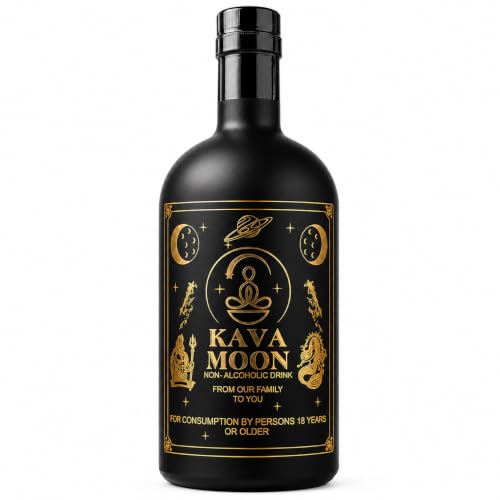
Kava Moon Signature Non-Alcoholic Kava Spirit (750ml, 17 Shots, 300mg Kavalactones Each)
Kava Moon
A bar-cart kava that prints its number: 17 stated 300mg shots per bottle, citrus-forward.
Our verdict: Kava Moon is what we keep asking bottled kava to be: honest enough to print a per-serving kavalactone number, strong enough to justify the spirits-bottle theater, and priced fairly against weaker ready-to-drink options once you do the per-milligram math. When we first published, three gaps held the score down: no named origin, no named cultivar, and no readable COA. Two of the three are now closed. The lab documents are public, an independent lab puts the drink within 2 percent of its label, and the supplier sheet names Vanuatu, so we have raised the score from 4.1 to 4.4. What would move it further: name the cultivar, post a report for each batch with the lot number printed on the bottle, and add heavy metals and microbials to the independent test of the finished drink. As is, it is a confident recommendation for experienced kava drinkers, and a start-with-one-shot proposition for everyone else.
Lab report. Read by us in September 2026 from the brand's public lab page (thekavamoon.com/testing). Independent COA, Murray-Brown Laboratories, report 2603B95, March 2026, on the finished drink: 6.67mg/mL total kavalactones, which is 294mg per 44ml shot against a 300mg label; kavain-led profile; mycotoxins, about 60 pesticides, and residual solvents below reporting limits apart from trace ethanol (339 ppm) and methanol (62.7 ppm) the brand attributes to the orange. Supplier COA: 30 percent kavalactone extract, origin Vanuatu, processed in China, chemotype marked noble, heavy metals and microbials within limits. Still open: no cultivar named, no bottle lot number on the third-party report, only one report posted, and no independent heavy-metal or microbial result on the finished bottle.
The number changes the conversation. Kava Moon Signature states 300mg of kavalactones in every one of its 17 shots, and that single disclosure does what most bottled kava refuses to do: it makes the product comparable. Against a traditional shell (commonly estimated at 150 to 250mg of kavalactones), a stated 300mg shot is a full, strong serving. Against the ready-to-drink field, where many seltzers and shots deliver 50 to 100mg, it is several times the stated dose per serving, and the roughly $2.94 per shot at check starts looking like the value play for anyone currently buying kava by the can.
What the lab sheets show. When we first reviewed this bottle we could not open the COA documents, and we said the 300mg figure was the brand's statement rather than our finding. That has changed. Kava Moon now posts its documents on a public lab results page, and we read them in September 2026. The independent report, from Murray-Brown Laboratories in Colorado, measures the finished drink at 6.67mg of kavalactones per milliliter. Multiply by a 44ml shot and you get 294mg, within 2 percent of the label. Kavain leads the profile at 2.26mg/mL, followed by dihydrokavain (1.64) and yangonin (0.873), a kavain-first ordering consistent with noble kava. Aflatoxins, ochratoxin A, about 60 pesticides, and the residual-solvent panel all came back below reporting limits, with two exceptions: ethanol at 339 parts per million and methanol at 62.7. The brand attributes both to the orange in the recipe, and at roughly 0.03 percent ethanol by weight the drink sits far below the 0.5 percent line used for non-alcoholic beverages.
Where the disclosure still stops. The supplier's sheet answers one of our original questions and raises a detail worth knowing: the kava goes in as a 30 percent kavalactone extract, grown in Vanuatu and processed in China, which the brand describes as water extracted with no solvents (the clean solvent panel supports that). No cultivar is named. The independent report carries no bottle lot number and is the only one posted, so the every-batch testing claim currently rests on one public example. And the heavy-metal and microbial results, which are comfortably within limits, come from the supplier's own paperwork on the raw extract rather than from the independent test of the finished drink. Our COA guide explains why each of those distinctions matters. Meanwhile the drink itself is built sensibly: citrus-forward with an orange finish, made to pour over ice or lengthen with soda water, and the brand's own storefront also carries an unflavored 750ml called Pure Canvas for drinkers who want the base spirit without the citrus.
Who should buy it.
Buy Kava Moon if you want a strong, honestly labeled evening kava in a deliberate bar-cart format: experienced kava drinkers who find seltzer-strength products pointless are the natural audience, as are alcohol-replacers who want a real pour-and-ritual substitute for a nightly spirit. Per stated milligram it is one of the better values in ready-to-drink kava. It is the wrong first kava for a total beginner unless they respect the one-shot rule, and the wrong product for buyers who require a named cultivar and a lot-matched COA for the exact bottle in hand before spending about $50.
What we don't like.
The disclosure is now good but not complete: no cultivar is named, only one third-party report is posted against an every-batch claim, that report has no bottle lot number to match against, and heavy metals and microbials were not part of the independent test on the finished drink (they appear on the supplier's raw-extract sheet only). The 300mg strength also demands real respect and is easy to overpour from a spirits bottle. And at $49.99 on Amazon at our September 2026 check, up from $44.90 in July, the trial cost is high; there is no small-format way to audition the flavor before committing to 750ml.
- Form
- Non-alcoholic kava spirit, 750ml bottle (pour by the shot)
- Servings
- 17 shots per bottle
- Stated strength
- 300mg kavalactones per shot stated; 294mg per 44ml shot measured on the public third-party COA
- Flavor
- Citrus-forward with an orange finish; unflavored Pure Canvas sold on the brand site
- Stated sourcing
- Noble kava stated; supplier COA lists a 30 percent kavalactone extract, origin Vanuatu, processed in China; no cultivar named
- Testing
- Public COA from Murray-Brown Laboratories (March 2026): kavalactones, mycotoxins, pesticides, residual solvents; read by us September 2026
- Company
- Orlando, FL (thekavamoon.com)
- Price at check
- $49.99 on Amazon, September 2026 (about $2.94/shot); confirm on the listing
What we like.
- Prints the number that matters: a stated 300mg kavalactones per shot, rare in bottled kava
- Strong per-serving value at check versus seltzer- and shot-strength competitors
- Public third-party COA confirms the label: 294mg measured per 44ml shot, kavain-led profile, clean mycotoxin, pesticide, and solvent panels
- Real, findable company with its own storefront and a second (unflavored) product
Worth noting.
- No cultivar named; origin (Vanuatu) appears on the supplier sheet, not on the label
- One third-party report posted against an every-batch claim; no heavy metals or microbials on the finished-drink test
- Stated 300mg shots are potent; easy to overpour without discipline
- About $50 minimum buy-in with no small trial format
More kava worth comparing
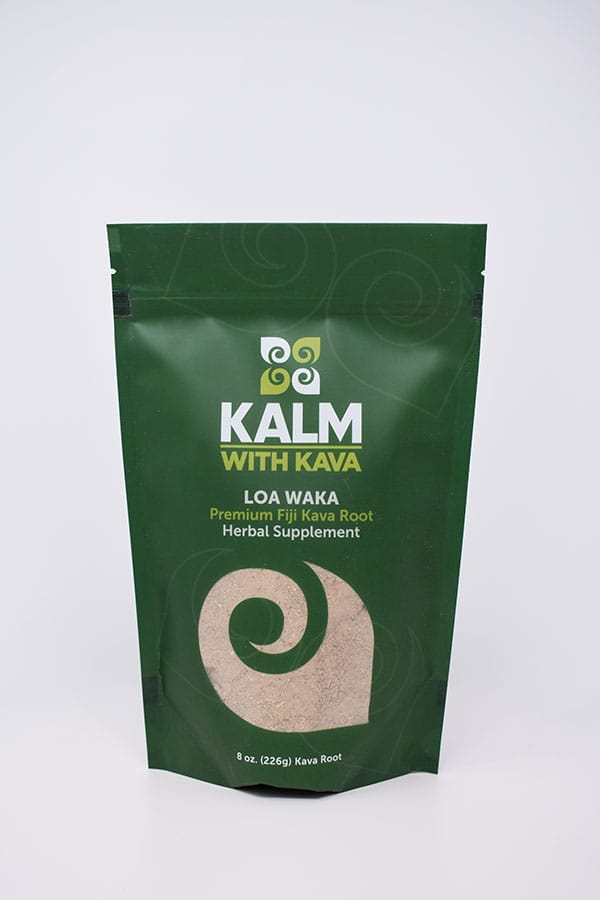
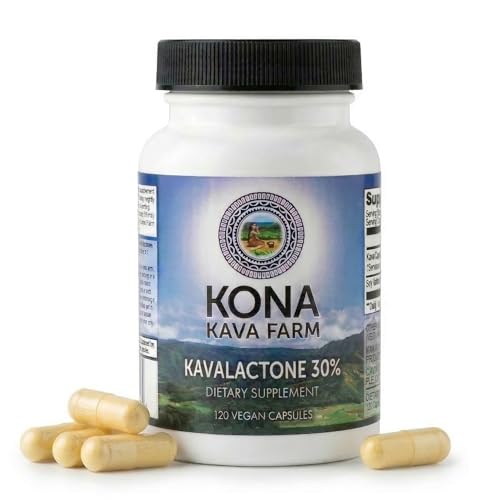
Beyond this guide: the highest-rated kava across every format, kavalactones verified, with a live price check on each.




As an Amazon Associate we may earn from qualifying purchases, at no cost to you. 21+.
How we chose.
We judge bottled kava on disclosure first, because a ready-to-drink format hides everything a traditional buyer can see: no root to inspect, no grind to smell, just a liquid and a label. Kava Moon's label does more work than most. A stated 300mg of kavalactones per shot is the single most useful number a kava drink can print, and it lets a buyer make real comparisons: against a traditional shell (commonly estimated at 150 to 250mg), against seltzers (often 50 to 100mg), and against the per-serving price of everything else on this site. We verified the commercial facts ourselves, first in July 2026 and again in September 2026: the Amazon listing resolved live and in stock at $49.99 via the Creators API at the later check, and the brand's own storefront, second product, and Orlando address all check out as a real operation.
Then we pressed on the paper trail, and we report exactly where it held and where it stopped. At our first check in July 2026 we could not open the lab documents, and this review said so plainly. In September 2026 the brand's co-founder sent us its public lab results page, and we read both posted documents ourselves rather than relying on the page's summary. Held: an independent lab, Murray-Brown Laboratories of Northglenn, Colorado (report 2603B95, sample received March 24, 2026), measured the finished drink by HPLC at 6.67mg of total kavalactones per milliliter, or 294mg per 44ml shot against a 300mg label. Kavain is the most abundant kavalactone, followed by dihydrokavain and yangonin, the ordering associated with noble kava. The same report shows aflatoxins and ochratoxin A, roughly 60 pesticides, and a full residual-solvent panel all below the lab's reporting limits, except ethanol at 339 parts per million and methanol at 62.7, trace amounts the brand attributes to the orange in the recipe. The supplier's sheet (Kava Republic, Palm Bay, Florida, lot CJ2505KE30) names Vanuatu as the country of origin, lists the ingredient as a 30 percent kavalactone extract processed in China, marks the chemotype as noble, and reports arsenic, lead, cadmium, and mercury far below its limits with clean microbial counts. Stopped: no cultivar is named anywhere; the third-party report carries no bottle lot number and is the only one posted, so the every-batch claim rests on one public example; and heavy metals and microbials appear only on the supplier's own paperwork for the raw extract, not on the independent test of the finished drink. Our guide to reading a kava COA explains each of those panels.
Finally we assess it as a drink, in experiential terms with the register fully intact. The bar-cart format is the point: a 750ml bottle poured by the shot makes kava a deliberate evening ritual rather than a supplement, and the citrus build is aimed at drinkability. But a stated 300mg shot is a potent serving, and potency changes the tone of the advice, not just the volume. One shot is a session; give it 30 to 45 minutes before even considering more; expect reverse tolerance to mute your first bottle's early pours. Kava can cause drowsiness, so no driving after, ever. Never combine it with alcohol, including in mixed drinks. Adults 21+ only, the standing liver caution on kava products applies, and anyone with a medication list, liver concerns, or a pregnancy should talk to a doctor before pouring at all. Not medical advice, and not a sponsored review.
Key terms
- Non-alcoholic kava spirit
- A concentrated kava beverage packaged and poured like a spirit (750ml bottle, shot-sized servings) at 0.0% alcohol. Kava Moon Signature is this format; the category also includes Kava Haven and Kavana.
- Kavalactones per serving
- The active-compound figure that makes kava products comparable. Kava Moon states 300mg per shot, at the strong end of ready-to-drink kava; most seltzers state 50 to 100mg.
- Noble kava
- The traditional everyday-drinking cultivars prized for a smoother experience, versus tudei varieties quality vendors avoid. Kava Moon states noble kava; its public COA shows a kavain-led profile consistent with that, and its supplier sheet names Vanuatu as the origin. No cultivar is named, as of September 2026.
- COA (Certificate of Analysis)
- The batch lab document that would confirm a stated kavalactone figure and screen for contaminants. Kava Moon posts its documents on a public lab results page; we read them in September 2026, and the independent report measures 294mg of kavalactones per 44ml shot.
- Reverse tolerance
- Kava's pattern where early sessions feel muted before effects arrive reliably. At a stated 300mg per shot, the correct response to a quiet first pour is patience, never a faster second shot.
- Alcohol alternative
- A drink built for the evening-pour occasion without alcohol. Kava fits it experientially for many adults, under hard rules: never combined with alcohol, never before driving, adults 21+ only.
Questions, answered
What is Kava Moon, and what does this Kava Moon kava review cover?
Kava Moon is an Orlando, Florida brand making non-alcoholic kava spirits in 750ml bottles. This Kava Moon kava review covers the Signature bottle we re-verified live on Amazon in September 2026 at $49.99: a citrus-forward kava spirit pouring 17 shots at a stated 300mg of kavalactones each. We assessed the strength disclosure, the per-serving value, the sourcing claims, and the brand's public lab documents, which we read in full: an independent lab measured 294mg per shot, and the supplier sheet names Vanuatu as the origin. The remaining gaps: no named cultivar, and one posted lab report against an every-batch claim. Kava is for adults 21+, causes drowsiness in many people, and must never be mixed with alcohol.
Is Kava Moon legit?
Yes, by the checks we could run: the Amazon listing verified live and in stock via the Creators API in both July and September 2026, the brand operates its own storefront at thekavamoon.com with a published Orlando address (6270 Edgewater Dr), and it sells a second product (the unflavored Pure Canvas) alongside the Signature bottle. The stated specs are unusually concrete for the category, 300mg kavalactones per shot and 17 shots per 750ml, and the brand's public third-party COA backs them up at 294mg measured per 44ml shot. What remains unverified by us: the cultivar, and whether every batch is tested as claimed, since one report is posted.
How strong is Kava Moon? Is 300mg of kavalactones a lot?
A stated 300mg shot is at the strong end of ready-to-drink kava: at or above a traditional shell of well-brewed grind (commonly estimated at 150 to 250mg of kavalactones) and several times the stated content of typical kava seltzers (50 to 100mg per can). Treat one shot as a complete serving, wait 30 to 45 minutes before considering another, and expect reverse tolerance to mute your first few sessions. Because it is genuinely potent, the safety register is not optional: no driving after drinking it, no alcohol alongside it, adults 21+ only, and mind the standing liver caution on kava products. Not medical advice.
Is Kava Moon noble kava, and where is it from?
The brand states noble kava, and the documents it now publishes support that. Its supplier's certificate lists Vanuatu as the country of origin and marks the kavalactone profile as noble, and the independent lab test of the finished drink shows kavain as the most abundant kavalactone, followed by dihydrokavain and yangonin, which is the ordering associated with noble kava. Two details worth knowing: the ingredient is a 30 percent kavalactone extract that the supplier sheet lists as processed in China, and no cultivar is named anywhere, as of September 2026. A lab profile is consistent with noble kava rather than proof of a specific variety, so if the cultivar matters to your purchase, ask the brand directly.
Does Kava Moon publish a COA or lab test results?
Yes. Kava Moon posts its lab documents publicly at thekavamoon.com/testing, and we read them in September 2026 (at our first check in July 2026 we could not open them, and said so). The independent certificate of analysis is from Murray-Brown Laboratories in Colorado, report 2603B95, on a sample received in March 2026. It measures 6.67mg of kavalactones per milliliter, which is 294mg per 44ml shot against the 300mg label, and shows mycotoxins, about 60 pesticides, and residual solvents below reporting limits, apart from trace ethanol and methanol the brand attributes to the orange. A second document, the supplier's own sheet for the raw extract, covers heavy metals and microbials, all within limits. What the page does not yet show: a report for every batch, a lot number to match to your bottle, or heavy-metal and microbial results on the finished drink.
Is Kava Moon good value at about $50?
Per milligram, yes, and it is not close against much of the ready-to-drink field: $49.99 on Amazon at our September 2026 check (it was $44.90 in July) for 17 shots is about $2.94 per serving, while a $4 seltzer stating 75mg delivers a quarter of the kavalactones at a higher price. The value math no longer rests on the label alone, since the brand's public third-party COA measures 294mg per shot. The honest caveat: the 750ml bottle is an all-or-nothing trial; there is no small format if the citrus profile or the strength turns out not to suit you. For committed kava drinkers, strong value. For the kava-curious, try a gentler format first.
Can I use Kava Moon to replace my evening drink, or mix it into cocktails?
Replacing an evening pour is exactly the occasion Kava Moon is built for, and many adults find a measured kava shot a genuinely satisfying ritual in that slot; that is an experiential observation, not a health claim. But the mixing question has a hard edge: kava must never be combined with alcohol, so it works as a full substitute (poured over ice, lengthened with soda water, or built into zero-proof mocktails), never as a cocktail ingredient alongside spirits. Kava can cause drowsiness, so treat a Kava Moon evening like a drinking evening for driving purposes: you don't. Adults 21+ only, and anyone with liver concerns or medications should talk to a doctor first.
Filed under Review
Keep reading.
Best Kava to Replace Alcohol (2026)
The occasion Kava Moon is built for: our full ranking of evening-pour kava formats.
Best Kava Brands (2026)
How Kava Moon's disclosure compares to the transparency leaders across the market.
Best Micronized Kava
Comparable strength from named cultivars, if a named variety matters to you.