Our Pick: Yogi Tea
Check PriceYogi Kava Stress Relief Tea Review (2026): The Grocery-Shelf Gateway
Yogi's Kava Stress Relief is, by a wide margin, the easiest kava in America to buy — it's on the tea shelf at nearly every grocery store and on Amazon for a few dollars. We ran it through our standard checks anyway: potency, transparency, and what's actually in the cup. The honest verdict is a split decision. It's the most accessible and approachable kava you can find, and the least potent and least transparent — a bagged, multi-botanical blend with no published kavalactone content. A lovely gateway and a gentle bedtime ritual; not a stand-in for real kava.
By The Kava Review DeskUpdated 2026-08-03~8 min read Ranked by the lab reportHow we researchOfficial site ↗
There is a good chance the first kava most Americans ever touch is a Yogi tea bag. It sits on the herbal-tea shelf between the chamomile and the peppermint at almost every grocery store in the country, it costs about the same as any other box of tea, and the word "kava" on the front is enough to make a curious shopper drop it in the cart. That accessibility is genuinely the most important thing about this product, and it's why it earns a review here even though, on our usual yardsticks, it sits at the bottom of the kava ladder. For a huge number of people, this box is the on-ramp to the entire category.
So we want to be fair to it on its own terms while being completely honest about what it is. Yogi Kava Stress Relief is a caffeine-free bagged herbal tea — sixteen individually wrapped bags to a box — and, crucially, it is a multi-botanical blend, not pure kava. Kava root extract is one ingredient among many: the blend is built around organic carob pod, Indian sarsaparilla root, cinnamon bark, ginger, and cardamom, with kava in the mix and a few flavor and sweetener botanicals rounding it out. The result is warm, faintly sweet, spiced, and pleasant — much closer to a cozy chai-adjacent herbal tea than to a bowl of traditional kava. It's Non-GMO Project Verified, vegan, and kosher, from a mainstream wellness brand that's been making tea since 1969.
This review is independent and unpaid. Kava Review has no affiliate relationship with Yogi at publication — we don't earn a commission if you buy, and nobody at the company saw this before it went up. We verified the format, the ingredient blend, the certifications, and the wide retail availability against Yogi's own listing and major-retailer pages in June 2026, and we use a price range because the per-box price genuinely varies store to store. One thing we could not verify — because Yogi does not publish it — is a kavalactone content or a Certificate of Analysis for this blend. That single missing fact drives much of our verdict, and by our house rule it means we print no potency number for it. The usual ground rules apply: this is a calming herbal tea for adults, not a stimulant or a treatment for anything; it's named for relaxation, but we describe it experientially, not as a remedy. Don't pair kava with alcohol, and if you take medications or have liver concerns, talk to a doctor first. None of this is medical advice.
The short version
- Most accessible kava there is. It's on the grocery tea shelf nationwide and on Amazon for roughly $5–$7 a box (16 bags) — no specialty vendor, no minimum order. For sheer availability and approachability, nothing in kava beats it.
- It's a blend, not pure kava. Kava root extract is one ingredient among carob, sarsaparilla, cinnamon, ginger, and cardamom. The cup is warm, spiced, and gentle — a cozy herbal tea that happens to contain kava, not a kava preparation.
- Least potent format, by chemistry. Kavalactones barely dissolve in a short hot-water steep, and this is a steeped tea bag with kava as a minor component — so it delivers far less active compound than an instant mix or a kneaded traditional brew.
- No published kavalactone content or COA. Yogi doesn't disclose a kavalactone figure for this blend, so by our house rule we print no potency number and no cost-per-100mg figure. If verifiable strength matters to you, that's a real mark against it.
- A great gateway, not a substitute. It's a fine, easy, low-intensity wind-down ritual. Just don't judge kava by it — many newcomers try a bag, feel little, and wrongly conclude kava does nothing, when the real issue is the format. It's a calming adult tea, not a treatment. Not medical advice.
At a glance
| Format | Potency | Transparency | Accessibility | Typical price | Check price |
|---|---|---|---|---|---|
| Yogi — Kava Stress Relief (bagged blend) | Weakest — steeped tea bag, kava is one ingredient | Lowest — no kavalactone content or COA published | Highest — nearly every grocery store + Amazon | ~$5–$7 per 16-bag box (varies by store) | Check Price |
| Flavored instant kava mix | Moderate — pre-extracted, stronger than a steep | Varies — confirm if a COA / KL figure is published | Specialty shops + Amazon | Higher per serving than bagged tea | |
| Instant kava (pure, disclosed strength) | Strong — full-strength, no straining loss | Can be high — best vendors publish a COA / % KL | Specialty vendors, some on Amazon | Mid — a convenience premium over raw root | |
| Traditional grind (knead & strain) | Strongest, most controllable — a real brew | Can be high — named noble cultivar + published COA | Specialty vendors | Usually the lowest cost per dose |
Where Yogi's bagged kava tea sits against the real kava formats. THE HOUSE RULE: a kavalactone or cost-per-100mg figure appears only where the vendor publishes a Certificate of Analysis or a stated content — Yogi publishes neither for this blend, so that cell stays blank rather than guessed. Prices vary by retailer; confirm at purchase. Effects descriptions reflect kava-community consensus, not effects we lab-verified. Not medical advice.
Yogi — Kava Stress Relief Tea
Yogi Tea
The grocery-shelf kava: a cheap, pleasant, widely available bagged herbal blend — a fine gateway and wind-down ritual, but the weakest and least transparent way to drink kava.
Our verdict: This is the kava most people meet first, so it earns a clear-eyed verdict. Yogi Kava Stress Relief is a caffeine-free, multi-botanical herbal tea — kava root extract blended with carob, sarsaparilla, cinnamon, ginger, and cardamom — sold for a few dollars a box at nearly every grocery store. Steeped like any tea, it's warm, faintly sweet, and pleasant, and about as effortless as kava gets. What it is not is a strong or transparent kava: kavalactones barely steep out of a tea bag, kava is a minor ingredient in the blend, and Yogi publishes no kavalactone figure. Buy it as a gateway and a gentle ritual, not for the kava effect drinkers describe.
Lab report: No kavalactone content or Certificate of Analysis is published for this blend, and kava is one botanical among several — so by our house rule we print no potency number and no cost-per-100mg figure. Treat it as a gentle, unstated-strength flavor-and-ritual tea.
If kava has a front door, this is it. Yogi's Kava Stress Relief is a caffeine-free bagged herbal tea that's stocked on the tea shelf at essentially every supermarket in the country — Whole Foods, Kroger and its banners, H-E-B, Walmart, plus Amazon — usually for somewhere in the five-to-seven-dollar range for a box of sixteen bags. No specialty vendor, no shipping minimum, no learning curve: you steep a bag in hot water like any other tea. For the enormous number of people whose curiosity about kava starts with a word on a grocery box, that accessibility is the whole point, and it's genuinely valuable.
And here's the honest limitation that drives our score. Kavalactones — kava's active compounds — are only weakly water-soluble and don't release well from a few minutes of hot-water steeping, which is the entire reason traditional kava is kneaded for ten-plus minutes and instants are pre-extracted at the factory. A steeped tea bag is the gentlest format there is, and a blend where kava is one ingredient among several is gentler still. On top of that, Yogi publishes no kavalactone content and no Certificate of Analysis for this product — so, by our house rule, we print no potency number and no cost-per-100mg figure for it. We're not knocking the brand; we're being precise about the category. Set your expectations to 'pleasant, low-intensity, calming ritual' and it delivers nicely. Set them to 'the kava effect people talk about' and you'll likely be underwhelmed — which is exactly the trap that makes newcomers wrongly decide kava 'does nothing.' To be clear about what it is: a calming adult herbal tea, not a stimulant or a treatment for anything. Don't pair it with alcohol, and don't drive if you feel it.
Who should buy it
Buy this if you want the easy, familiar bagged-tea ritual — a gentle, warming, widely available cup for winding down, at grocery-store convenience and price, with no expectation of a strong kava effect. It's also the lowest-commitment way to find out whether kava's flavor and idea appeal to you at all. It's the gateway pick. Anyone who wants to actually feel what kava drinkers describe — or who wants a verifiable, disclosed strength — should step up to an instant kava or a traditional grind from a vendor that publishes a COA.
What we don't like
It's the weakest format by chemistry, not by accident: kavalactones barely steep out of a tea bag, and this is a multi-botanical blend in which kava is a minor ingredient. Yogi publishes no kavalactone content and no COA, so its strength is unstated and unverifiable — and we won't invent a figure to fill the gap. The real risk is that a first-timer brews a bag, feels nothing, and writes off the whole category. It's a calming herbal tea, not a strong cup or a remedy.
- Format
- Caffeine-free bagged herbal tea — steep like any tea
- Composition
- A multi-botanical blend — kava root extract among carob, sarsaparilla, cinnamon, ginger, cardamom
- Box size
- 16 individually wrapped (compostable) tea bags; also sold in multi-packs
- Potency
- Weakest — poor steep extraction; kava is a minor ingredient
- Disclosure
- No kavalactone content or COA published
- Certifications
- Non-GMO Project Verified, vegan, kosher
- Availability
- Nearly every grocery store + Amazon
- Cost per 100 mg KL
- Not printed — no published figure, per our house rule
What we like
- By far the most accessible kava — grocery shelf nationwide + Amazon
- Cheap and low-commitment (~$5–$7 a box)
- Pleasant, warm, lightly sweet, spiced flavor — approachable for newcomers
- Effortless: steep a bag like any herbal tea; caffeine-free
- Non-GMO Project Verified, vegan, kosher
Worth noting
- Weakest format — kavalactones barely steep out of a bag
- A multi-botanical blend, not pure kava; kava is a minor ingredient
- No published kavalactone content or COA — strength unstated and unverifiable
- Risk: newcomers feel little and wrongly conclude kava 'does nothing'
More kava worth comparing
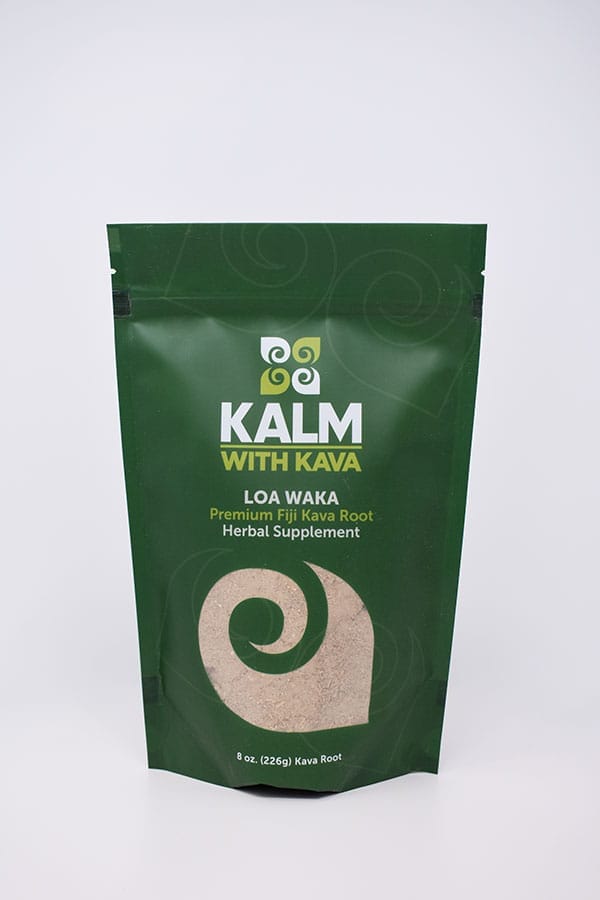
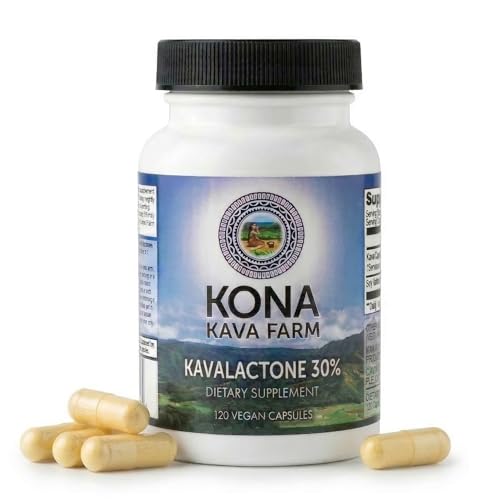
Beyond this guide: the highest-rated kava across every format, kavalactones verified, with a live price check on each.




As an Amazon Associate we may earn from qualifying purchases, at no cost to you. 21+.
How we chose
We judge a kava product on three things: how much active compound it actually delivers, how transparent the vendor is about what's in the bag, and how easy it is to get. Yogi inverts the usual trade-off — it wins overwhelmingly on the third and loses on the first two. On potency, the chemistry is decisive: kavalactones are only weakly water-soluble and don't release well from a brief hot-water steep, which is exactly why traditional kava is kneaded for ten-plus minutes and modern instants are pre-extracted at the factory. A steeped tea bag is the gentlest possible format, and a blend in which kava is one botanical among several is gentler still. We call it the weakest kava format because of how it's made, not as a knock on the brand.
On transparency we apply our house rule without exception: a kavalactone number — and any cost-per-100mg figure derived from it — appears only when the vendor publishes a Certificate of Analysis or a stated content. Yogi publishes neither for this blend, and while third-party blogs circulate per-bag estimates, those are not vendor-disclosed, so we treat the strength as unstated and print no number. That isn't a smear; it's the standard we hold every product to. When a seller won't tell you the strength, the honest answer is 'we don't know,' and we say so.
We verified the format, blend, certifications, and broad retail availability against Yogi's own listing and major-retailer pages in June 2026, and we use a price range because the box price varies meaningfully by store. This review is independent and unpaid — no brand has paid for a verdict or placement here; the offer link earns nothing unless a deal is ever signed, and the editorial assessment is made independently of that. Finally, the standing cautions: kava is a centuries-old Pacific drink many adults find calming, not a stimulant or a treatment for anything; it can cause drowsiness, so don't drive if you feel it; never mix it with alcohol; and anyone on medications or with liver concerns should talk to a doctor first. General caution, not medical advice.
Questions, answered
How much kava is actually in Yogi Kava Stress Relief?
Not much, and Yogi doesn't publish an exact figure. Kava root extract is one ingredient in a multi-botanical blend built mostly around carob, sarsaparilla, cinnamon, ginger, and cardamom — so kava is a minor component, not the bulk of the bag. On top of that, kavalactones (kava's active compounds) are only weakly water-soluble and don't release well from a short hot-water steep, so even the kava that is in there delivers little into your cup. You may see per-bag estimates floating around online, but those aren't disclosed by Yogi, so we won't print a number — by our house rule, no published content means no figure from us. The short version: treat it as a gentle, low-dose, unstated-strength kava tea.
Will Yogi Kava Stress Relief make me feel anything?
Honestly, often very little — and that's down to the format, not a defect. Kava isn't intoxicating to begin with; what drinkers describe is a calm, relaxed, sometimes sociable feeling and a mild numbing of the lips from a strong cup. A bagged blend steeped in hot water is the weakest way to get any of that, because kavalactones barely extract from a steep and kava is a minor ingredient in this blend. Plenty of people drink a cup and feel mostly the warm, cozy ritual rather than a distinct kava effect. If you want to actually feel what kava is known for, an instant kava or a traditional grind is the better route. None of this is a 'high,' and none of it is medical advice.
Is Yogi Kava Stress Relief real kava?
It contains real kava root extract, yes — but it's a multi-botanical herbal-tea blend, not a kava preparation in the traditional sense. The cup is dominated by carob, sarsaparilla, cinnamon, ginger, and cardamom, with kava as one ingredient among them, and it's brewed by steeping rather than the kneading-and-straining (or pre-extraction) that real kava drinks rely on. So 'is it real kava?' is best answered: it's a real herbal tea that contains some kava, not a substitute for an actual kava drink.
Where can I buy it and how much does it cost?
Almost anywhere. It's stocked on the herbal-tea shelf at most major grocery chains — Whole Foods, the Kroger family (Fred Meyer, Harris Teeter, Mariano's, Dillons), H-E-B, Giant Eagle, Stop & Shop, Food Lion — plus Walmart, Amazon, and online retailers like Vitacost and iHerb. Price varies by store, but a 16-bag box generally runs in the rough neighborhood of $5–$7, with some grocers and Walmart sometimes lower and multi-packs available. That wide, cheap availability is its single biggest advantage; always confirm the current price at your retailer.
Why does Kava Review rate it lower than specialty kava?
On two of our three core measures — potency and transparency — it sits at the bottom, even though it tops the third (accessibility). Potency: a steeped tea bag is the weakest kava format by chemistry, and this is a blend where kava is a minor ingredient. Transparency: Yogi publishes no kavalactone content and no Certificate of Analysis, so its strength is unverifiable, and we hold every product to the same disclosure standard. That's not a comment on the brand's quality as a tea company; it's a reflection of what this specific product can deliver as kava versus an instant or a traditional grind from a vendor that publishes a COA.
Is it a good way to start with kava?
It's arguably the best gateway there is, with a caveat. As a cheap, pleasant, zero-effort, widely available cup, it's a low-stakes way to dip a toe in and see whether kava's idea and flavor appeal to you. The caveat: because it's so gentle, you shouldn't judge kava as a whole by it. The classic mistake is trying a bag, feeling nothing, and concluding kava is overhyped — when the real story is that you tried the weakest possible format. Use it as a friendly introduction, then step up to an instant or a traditional grind if you want to experience what drinkers actually describe.
Can I make it stronger by using two bags or steeping longer?
Using two bags gives you modestly more of everything in the blend, but you're still fighting the same chemistry — kavalactones don't extract well from a hot-water steep no matter how many bags you use, and over-steeping mostly makes the tea taste bitter and more sharply spiced rather than meaningfully stronger in kava. If a genuinely strong cup is the goal, the answer isn't more tea bags; it's a different format. An instant kava (pre-extracted, stir into water) or a traditional grind (kneaded and strained) will deliver far more than any number of steeped bags.
Is Yogi Kava Stress Relief safe to drink before bed or every day?
Kava is a centuries-old daily social drink across much of the Pacific, and a gentle bagged tea like this is among the mildest forms of it, but we can't give you a personal safety verdict — that's a conversation for you and a doctor, especially if you take any medications or have liver concerns, since those are the situations where caution matters most. General good practice: keep servings moderate, never combine kava with alcohol, and don't drive if you feel any effect. It's a caffeine-free calming tea for adults, and it's named for relaxation, but we're describing it experientially, not making a health claim. This is education and general caution, not medical advice.
Keep reading
Best Kava Tea
Why bagged tea is the weakest format — and the instant mixes and traditional brews that actually deliver, ranked by cost per 100 mg of kavalactones.
Best Kava for Beginners
Where to go after the grocery-shelf gateway — approachable, forgiving kavas from vendors that publish lab reports.
What Are Kavalactones?
The active compounds you're really paying for, why they barely steep out of a tea bag, and why disclosure matters.
Best Kava Brands
The transparency-first vendors we trust — named noble cultivars, published COAs, and disclosed strengths.