Our Pick: Koa Kava
Check PriceKoa Kava Review (2026): Pacific Single-Origins, Tested
Koa Kava is a Utah-based pure-kava vendor selling single-origin noble root from Tonga, Vanuatu, and Fiji — including a 100% lateral-root Fijian Waka and a limited-batch Damu. We ran it through our transparency check: does it publish COAs, disclose kavalactone content, and document origin? Here's the honest verdict, with the receipts — and the gaps.
By The Kava Review DeskUpdated 2026-06-17~8 min read Ranked by the lab reportHow we researchOfficial site ↗
When we audit a kava vendor, the flavor and the founder's story come second. We start with paperwork. The single most useful thing a kava seller can do is tell you, in writing, what's actually in the bag — which cultivar, from which island, certified noble by which lab, at what kavalactone percentage, screened for which contaminants. Most vendors gesture at "lab tested" and stop there, which is a claim, not evidence. So the first question we ask of Koa Kava is simple: does it show its work, or just say the words?
Koa Kava is a smaller, family-run operation with a genuinely appealing story. It was started by a married couple, Toi and Mikkel — Toi is Tongan, grew up in Hawai'i, and runs the kava and cultural side of the business, while Mikkel handles operations — after they relocated to Utah and found a region where the drink was largely unknown. The catalog reads like people who actually drink this: single-origin noble powders from Tonga, Vanuatu, and Fiji, a 100% lateral-root Fijian "Waka," a limited-batch heady cultivar called Damu, an instant green line, and a three-origin sample pack with a strainer bag thrown in. The pitch throughout is purity — "100% pure dehydrated kava," no sugar, fillers, binders, solvents, or chemicals — and noble root only, grown four to six years before harvest, never tudei.
This review is independent and unpaid. Kava Review has no affiliate relationship with Koa Kava — we don't earn a commission if you buy, and nobody at the company reviewed this before publication. We verified everything below against Koa Kava's own about page and live product listings in June 2026: the origins, the lateral-root claim, the prices, and exactly how far its testing disclosure goes. The verdict is a brand we like on sourcing and intent, with one honest reservation on our most important metric — transparency — that you should know before you order. The usual ground rules apply: kava is for adults 21+, it can cause drowsiness, don't drive after drinking it, and if you take medications or are pregnant, talk to your doctor first. None of this is medical advice.
The short version
- Koa Kava sells single-origin noble root — Tongan, Vanuatu Waka, and Fijian Waka — plus a limited-batch heady cultivar (Damu) and an instant green line, all marketed as 100% pure dehydrated kava with no fillers, binders, or solvents.
- Sourcing is documented and specific: the Fijian Waka is named to Savusavu, Fiji and described as 100% lateral roots (the part prized for a cleaner, heady lift), and the brand states it only sells noble kava grown four to six years before harvest, not tudei.
- Transparency caveat — the one that matters most to us: Koa Kava states "every batch 3rd party tested for safety and quality," but as of June 2026 we did not find published COA documents, named labs, or kavalactone-percentage figures on the public site. The claim is there; the receipts aren't posted.
- It's a premium-priced, traditional-grind range: single-origin powders start around $39.99–$41.99 for the smallest size, and the Fijian Waka runs $119.99 for a full kilo. The $59.99 three-origin sample pack (with a strainer bag) is the smart low-risk way in.
- Honest knocks: prices sit at the higher end of the powder market, traditional grind means real straining homework, and the missing public COAs keep this off our top transparency tier despite a genuinely strong sourcing story.
At a glance
| Product | Origin & type | Format | Price | Check price |
|---|---|---|---|---|
| Premium Fijian Waka Kava | Savusavu, Fiji · noble, 100% lateral roots | 8 oz · 1 lb · 1 kilo — strain to brew | From $39.99 ($119.99 kilo) | Check Price |
| Vanuatu Waka Premium Kava | Vanuatu · noble, balanced/heavier | Traditional grind — strain to brew | From $39.98 | |
| Premium Tongan Kava Powder | Tonga · noble, heady | Traditional grind — strain to brew | From $41.99 | |
| Damu Fijian Kava (Limited Batch) | Fiji · noble, heady/strong/fast | Traditional grind — strain to brew | $39.99 | |
| Sample Pack (Tonga · Vanuatu · Fiji) | Three single-origins, 4 oz each | Traditional grind + strainer bag | $59.99 (reg $64.99) |
The Koa Kava range at a glance — origins, formats, and starting prices verified June 2026. All listed as 100% pure noble kava; the brand states every batch is third-party tested, but does not publish COA documents on its public site.

Premium Fijian Waka Kava
Koa Kava
Savusavu-sourced Fijian Waka, named to 100% lateral roots — the heady, head-forward profile kava fans chase.
Our verdict: The Fijian Waka is the most clearly specified product in the range and our pick to start with: noble root from Savusavu, Fiji, named to 100% lateral roots — the part traditionally prized for a cleaner, more euphoric lift. It's traditional grind, premium-priced, and well-reviewed by drinkers for potency and freshness. The single reservation is the one that runs through this whole review: the brand says "third-party tested," but doesn't publish the lab sheet.
Lab report: Brand states it is noble and "rigorously third-party tested to ensure purity and safety," with every batch tested; however, no COA document, named lab, or kavalactone percentage is published on the public site as of June 2026.
If you want to understand what Koa Kava actually sells, start here. The Premium Fijian Waka Kava is single-origin noble root from the farms of Savusavu, Fiji, and the brand is specific about the sourcing: it says it "exclusively uses Waka, which consists of 100% lateral roots, renowned for their strength." In kava terms that matters — the thin lateral side roots ("waka") are the part traditionally associated with a cleaner, more euphoric, head-forward effect, and a vendor that names the cultivar and the root fraction is doing more than most. Koa Kava markets it as the strongest blend in the range, with smaller doses leaning mood-lifting and larger ones turning more physically relaxing.
As a drink it's traditional grind, so the preparation tax is real: you knead it into water in a strainer bag, strain out the fibrous makas, and drink the cloudy result. Expect the earthy, peppery base real root delivers, the tongue-tingle within a minute that drinkers take as a marker of potency, and the reverse-tolerance curve newcomers should plan for — the first session or two often feel mild, with the effect arriving more clearly on later tries. On price it's at the premium end of the powder market: from $39.99 for 8 oz up to $119.99 for a full kilo. If you're buying your first bag, the sample pack below is the lower-risk move; if you already know you like heady Fijian waka, this is the standing order.
Who should buy it
Buy the Fijian Waka if you want the brighter, head-forward Fijian profile from a vendor that names its origin and root fraction, and you're willing to strain it yourself. It's the right pick for someone who's decided traditional Fijian waka is their lane and wants a single-origin they can reorder.
What we don't like
It's premium-priced traditional grind — real straining homework and an earthy flavor the seltzer crowd will find punishing — and the transparency stops at a claim. The site says "third-party tested" but publishes no COA, no lab name, and no kavalactone percentage we could verify, which keeps it below our top transparency tier despite the strong sourcing story.
- Origin
- Savusavu, Fiji — noble Waka cultivar, 100% lateral roots
- Type
- Traditional grind — requires straining to brew
- Testing
- Brand states noble + every-batch third-party tested; no published COA, lab name, or kavalactone % on the public site (June 2026)
- Pack sizes
- 8 oz · 1 lb · 1 kilo
- Price
- From $39.99 (8 oz); $119.99 (1 kilo)
What we like
- Named single origin (Savusavu) and documented 100% lateral-root sourcing
- Heady, head-forward Fijian profile drinkers reach for socially
- Marketed noble, grown 4–6 years; pure dehydrated root, no fillers stated
- Sizes from 8 oz up to a full kilo for committed drinkers
Worth noting
- No published COA, named lab, or kavalactone % — testing stops at a claim
- Premium price and traditional-grind straining homework
More kava worth comparing
Beyond this guide: the highest-rated kava across every format, kavalactones verified, with a live price check on each.


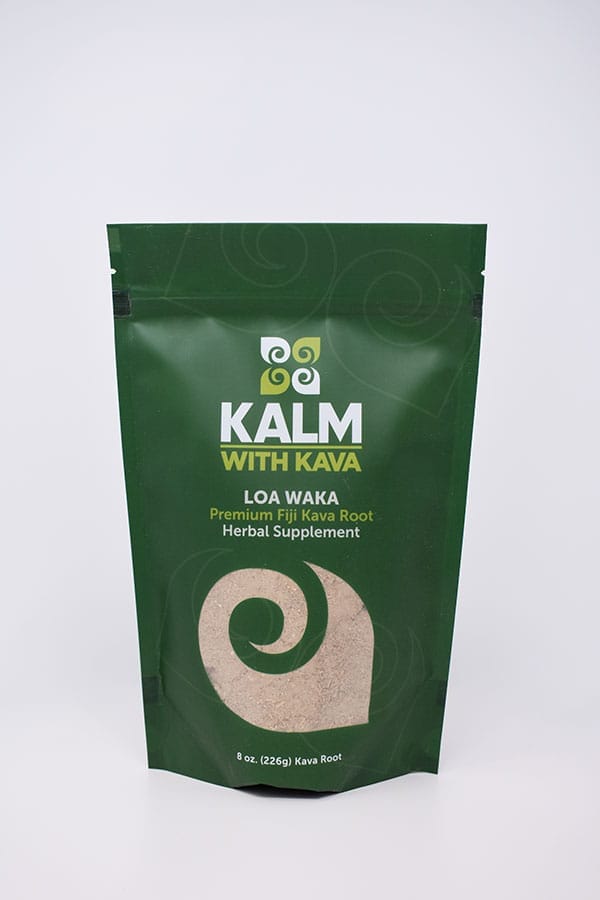


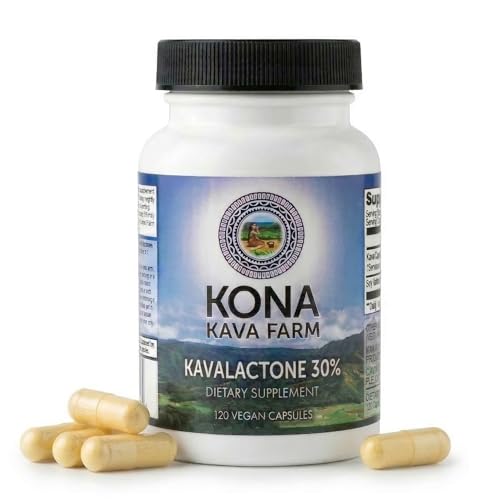
As an Amazon Associate we may earn from qualifying purchases, at no cost to you. 21+.
How we chose
We judge a kava vendor on its paper trail first. For Koa Kava we read the public site — homepage, about page, and individual product listings — and checked three things: does it publish certificates of analysis (COAs) at all; are those COAs linked from the actual product pages; and do they disclose the figures that matter, namely country of origin, chemotype, and total kavalactone percentage, plus contaminant screening. We quote the brand's own stated practice throughout and draw a hard line between a posted lab document and a marketing sentence that says "tested."
Then we verify the catalog. We confirmed each headline product's origin, format, and price against the live listing in June 2026 — the Savusavu-sourced Fijian Waka and its 100% lateral-root claim, the Vanuatu and Tongan single-origins, the limited-batch Damu, the instant line, and the three-origin sample pack — and we name what we couldn't independently confirm rather than rounding up. We do not invent kavalactone numbers, fabricate tasting panels, or report COA figures the brand didn't publish. Where Koa Kava states a fact, we credit it; where the evidence stops at a claim, we say so plainly.
Finally we assess it as a buying experience and a drink, in plain experiential terms. Traditional kava is preparation-heavy and earthy — a real cost to weigh — and Koa Kava's range sits at the premium end on price, which we factor in. What we never do is make health claims. Kava is a centuries-old Pacific social drink that many adults find relaxing; it is not a treatment for anything, it can cause drowsiness, and anyone on medications should check with a doctor first. That's general caution, not medical advice — and this review is not sponsored.
Key terms
- Noble kava
- The traditional cultivars Pacific growers raise for everyday drinking, prized for a smooth, agreeable effect with minimal next-day heaviness. Koa Kava states it sells noble kava only, grown four to six years before harvest — the opposite of tudei.
- Tudei kava
- "Two-day" kava — non-noble cultivars associated with a heavier, longer effect and next-day grogginess. Koa Kava names tudei as the thing it avoids; a published COA is how a buyer would independently confirm a noble claim.
- COA (Certificate of Analysis)
- A lab document reporting what's actually in a batch — for kava, the chemotype, total kavalactone percentage, and contaminant screen. The trust ladder runs: published per varietal and linked from the product page (best), available on request (acceptable), and "we lab test" with nothing posted (a claim, not evidence). Koa Kava states it third-party tests every batch but does not publish COAs on its public site as of June 2026.
- Lateral roots (waka)
- The thin side roots of the kava plant, traditionally prized for a cleaner, more euphoric, head-forward effect. Koa Kava's Fijian Waka is named to 100% lateral roots — a sourcing spec that's easy to claim and harder to document.
- Traditional grind
- Kava root milled coarse for straining: you knead it into water in a strainer bag and drink the strained liquid. Koa Kava's single-origin powders are this format — more authentic, but more work than instant, and Koa's run at the premium end of the price range.
- Heady vs. heavy
- Shorthand for kava's effect register: "heady" leans uplifting and mentally bright (Koa's Tongan and Damu, and the lateral-root Fijian Waka in smaller doses), "heavy" leans physically sedating and body-forward (its Vanuatu Waka, and larger Fijian servings).
Questions, answered
Is Koa Kava legit and a real kava brand?
Yes. Koa Kava (koakava.com) is a real, currently operating pure-kava vendor based in Utah, founded by a married couple — Toi, who is Tongan and grew up in Hawai'i and runs the kava side, and Mikkel, who runs the business. It sells single-origin noble root powders from Tonga, Vanuatu, and Fiji, marketed as 100% pure dehydrated kava with no fillers, binders, or solvents. (Kava itself can cause drowsiness; don't drive after drinking it, it's for adults 21+, and check with a doctor if you take medications.)
Does Koa Kava publish lab tests or COAs?
This is our one real reservation. Koa Kava states on its site that "every batch" is "3rd party tested for safety and quality" and that its products are "rigorously third-party tested to ensure purity and safety." But as of June 2026 we did not find a published certificate of analysis (COA), a named lab, or a total-kavalactone percentage anywhere on its public site. By our transparency standard, that's a claim rather than verifiable evidence. If COAs are your dealbreaker, ask Koa Kava directly for the certificate on the batch you're considering before ordering.
Where does Koa Kava source its kava?
Direct from farmer relationships across the Pacific — Tonga, Vanuatu, and Fiji. The brand sells them as distinct single-origins rather than a blend: a heady Tongan powder, a heavier balanced Vanuatu Waka, and a head-forward Fijian Waka named specifically to the farms of Savusavu, Fiji and described as 100% lateral roots. That documented, single-origin sourcing is one of the brand's genuine strengths.
What should I order first from Koa Kava?
Start with the three-origin Sample Pack ($59.99, regular $64.99) — it includes 4 oz each of the Tongan, Vanuatu Waka, and Fijian Waka traditional grinds plus a strainer bag, so you can feel the origin differences for yourself before committing to a full bag. If you already know you want the heady Fijian profile, the Premium Fijian Waka (from $39.99 for 8 oz) is our pick of the single-origins. Note these are premium-priced and traditional grind, so you'll be straining.
Is Koa Kava noble or tudei kava?
Koa Kava states it sells noble kava only — "the real deal, the Noble kind … grown for 4-6 years before being harvested" — and explicitly names tudei (the harsher, two-day cultivar linked to next-day grogginess) as what it avoids. We credit that stated posture. The caveat is that a published COA naming the chemotype is how a buyer would independently confirm a noble claim, and Koa Kava doesn't currently post those.
What's Koa Kava's Damu and is it different from the Fijian Waka?
Damu is a limited-batch Fijian cultivar Koa Kava describes as heady, uplifting, and strong — fast-hitting with a feel-good effect "without couch-locking." It's positioned as a more energetic, head-forward experience than the heavier Vanuatu Waka, in a similar register to the lateral-root Fijian Waka but as a distinct limited release. Like the rest of the range it's traditional grind and priced at $39.99.
Why is Koa Kava more expensive than some other kava?
Koa Kava sits at the premium end of the powder market — single-origin traditional grinds starting around $39.99–$41.99 for the smallest size, and the Fijian Waka at $119.99 for a full kilo. The brand attributes the premium to fresh, air-shipped, single-origin noble root with no fillers. Whether that's worth it depends on how much you value provenance over price; the sample pack is the low-risk way to decide before buying a pound.
Is this review sponsored by Koa Kava?
No. Kava Review has no affiliate relationship with Koa Kava at publication — we earn no commission if you buy, and the company did not review or approve this article. We verified every fact against Koa Kava's own about page and live product listings in June 2026, and our verdict — strong sourcing, but missing public COAs — reflects the Kava Review transparency standard, not a paid placement.
Keep reading
Koa Kava Vanuatu Waka Review
The 8 oz and the kilo, reviewed on their own.
Kavahana vs Koa Kava Instant
Koa's instant against the LA kava-bar brand.
Koa Kava vs Root of Happiness
Koa's Vanuatu against the disclosed Vanuatu.
Best Kava Powder
Traditional grind and micronized roots, ranked — where Koa Kava's single-origins sit in the wider field.
Noble vs. Tudei Kava
Why "noble" on a label matters, and how a COA tells you the brand actually checked.
Best Value Kava
When a premium single-origin is worth it — and when a cheaper bag does the same job.
Best Kava Brands
Our field-wide ranking of the vendors that publish their work — and the ones that don't.