Our pick. Just Kava
Check priceJust Kava Review (2026): The Tongan Bag, Honestly
Just Kava does something most Amazon kava brands don't — it sells by island, with a distinct Tongan bag and a distinct Vanuatu bag rather than one anonymous 'relaxation' blend. The Tonga 16 oz is a full pound of heady noble root at a fair price. We ran it through our transparency check and weighed what that origin-first honesty is worth, and where it stops. Here's the verdict, with the receipts.
By The Kava Review DeskUpdated 2026-06-27~8 min readRanked by the lab reportHow we research
When we audit a kava brand on Amazon, the first thing we look for is whether it treats kava as a plant or as a vibe. Most marketplace bags are the vibe: a generic "premium noble kava" label, no island named, no cultivar, nothing you can actually act on. Just Kava is built differently, and that's the whole reason it's worth a serious look. It sells kava by island of origin — a Tongan bag and a separate Vanuatu bag, each as its own product — which tells you someone behind the brand understands that where kava grows changes how it drinks.
The product we're reviewing is Just Kava Tonga Kava Herbal Supplement, a dried Tongan kava root powder in a 16 oz (452g / 1 lb) size. Tongan noble kava has a reputation for a heady, head-bright register — drinkers often describe it as relaxed but still social and clear, rather than the heavy, couch-pulling sedation Vanuatu is known for. Just Kava's listing leans into exactly that, describing its root as noble, high in kavalactones, and sourced from the Pacific. As a full pound of single-island noble powder at a fair price, it's a genuinely sensible buy for someone who wants to taste what makes Tongan kava distinct.
This review is independent and unpaid. Kava Review has no affiliate relationship with Just Kava at publication — we earn no commission if you buy, and nobody at the brand reviewed this before it went up. We verified what we could against the Amazon listing and the brand's listing copy in June 2026: the Tonga origin, the noble claim, the 16 oz size, and the existence of a parallel Vanuatu SKU. Where we land: a brand we like for selling by island and naming Tonga up front, with one honest reservation — as of June 2026 we couldn't find a published certificate of analysis (COA), a named lab, a stated chemotype, or a kavalactone percentage anywhere on the listing, so "noble" and "Tonga" are the brand's claims rather than lab data we verified. The usual ground rules apply throughout: kava is for adults 21+, it can cause drowsiness, don't drive after drinking it, don't mix it with alcohol, effects vary person to person, and none of this is medical advice.
The short version.
- Just Kava sells by ISLAND OF ORIGIN — a distinct Tonga bag and a distinct Vanuatu bag — instead of one anonymous blend. Naming Tonga up front is a real, buyer-useful signal most marketplace kava brands don't give you.
- The product is a dried Tongan kava root powder in a 16 oz (452g / 1 lb) traditional-grind size — a full pound, which makes the per-serving cost realistic for regular drinking.
- Tongan noble kava is generally described as heady and head-bright — relaxed but still social and clear — rather than the heavy, sedating profile Vanuatu is famous for. (That's a flavor/feel description; effects vary, and it's not a health claim.)
- The transparency caveat that keeps it off our top tier: as of June 2026 we did not find a published COA, a named lab, a stated chemotype, or a kavalactone percentage on the Amazon listing or a brand page. "Noble" and "Tonga" are stated claims, not lab-documented facts.
- It's traditional grind, so there's real straining homework, and like all kava the first session or two may feel mild (reverse tolerance). Confirm the current price on the listing; pricing moves, and we don't print a number we can't verify.
At a glance.
| Spec | What Just Kava states | Why it matters | Check price |
|---|---|---|---|
| Origin | Tonga (sold as a distinct Tongan SKU) | A named single island — and the brand also sells a separate Vanuatu bag | Check price |
| Variety | Noble kava (stated) | The traditional daily-drinking class — but stated, not COA-confirmed | |
| Chemotype / kavalactone % | Not published (June 2026) | No fingerprint or potency band stated — the gap a careful buyer feels | |
| Testing / COA | No published COA, lab name, or contaminant screen found (June 2026) | Claims are stated, not lab-documented — the one real reservation | |
| Format / size | Traditional-grind powder; 16 oz (452g / 1 lb) | Strain-to-brew; a full pound makes daily drinking economical |
Just Kava's Tonga 16 oz at a glance — verified against the Amazon listing (B09MDMX674) and brand listing copy in June 2026. "Noble" and "Tonga" are the brand's stated claims; we did not find a published COA, chemotype, or kavalactone figure to confirm them.

Just Kava Tonga Kava Herbal Supplement (16 oz / 1 lb, Noble Tongan Root)
Just Kava
A full pound of single-island Tongan noble root from a brand that actually names the island — minus a published COA or chemotype.
Our verdict: Just Kava's Tonga earns real credit for the thing most marketplace brands skip: it names the island and sells Tongan and Vanuatu as separate bags, so you actually know what you're drinking. The 16 oz size is a full pound of heady noble root at a fair price — a sensible way to get to know Tongan kava. The reservation runs through the whole review: as of June 2026 there's no published COA, no named lab, and no stated chemotype or kavalactone figure, so you're trusting the noble-Tonga claim rather than a lab sheet. It's traditional grind, so expect straining homework and a mild first session or two.
Lab report. Stated on the listing: noble Tongan kava root, sourced from the Pacific, sold as a distinct Tongan SKU (the brand also runs a separate Vanuatu bag). What we did NOT find, as of June 2026: a published certificate of analysis, a named testing lab, a stated chemotype, or a kavalactone percentage on the Amazon listing or a brand page — so the "noble" and "Tonga" claims are stated, not lab-documented.
Start with what Just Kava gets right, because it's rare on Amazon: it names the island. Just Kava's Tonga Kava Herbal Supplement is a dried Tongan kava root powder in a 16 oz (452g / 1 lb) size, and crucially, Just Kava sells it as a distinct Tongan product — it runs a separate Vanuatu bag too. In a category where most labels say "premium noble kava" and stop, selling by island of origin is a genuine signal: origin is one of the few things that reliably changes how kava drinks, and this brand puts it on the front of the listing.
As a drink it's traditional grind, so the preparation tax is real. You knead the powder into water in a strainer bag, work it for several minutes, wring out and discard the fibrous makas, and drink the cloudy, earthy, peppery result. Expect the tongue-and-lip tingle within a minute or so that drinkers read as a marker of fresh, active root, and plan for kava's reverse-tolerance curve — the first session or two often feel mild, with the effect arriving more clearly on later tries, especially on an empty stomach. On price, it's a full pound, which is the size that makes regular drinking economical; we don't print a hard number because the live listing price moves and we won't invent one, so confirm it before you buy. If you want to taste what's distinct about Tongan kava and you're comfortable straining your own brew, this is a reasonable bag — just go in knowing the lab paper trail isn't there yet.
Who should buy it.
Buy Just Kava's Tonga if you specifically want to taste Tongan noble kava — the heady, head-bright, social register — from a brand that names the island instead of hiding it, and you're happy to strain your own brew. The full-pound size makes it a sensible everyday bag for a value-minded drinker who likes that Just Kava sells Tongan and Vanuatu separately and doesn't strictly need a published lab sheet.
What we don't like.
The brand names the island but doesn't (as of June 2026) back its claims with a published certificate of analysis, a named lab, a stated chemotype, or a kavalactone percentage on the listing or a brand page — so "noble" and "Tonga" are stated claims, not lab data we could verify, and testing claims couldn't be confirmed. It's also traditional grind: real straining homework and an earthy, peppery flavor the seltzer crowd will find punishing. And like all kava, expect a mild first session or two. If a posted COA is your dealbreaker, ask the brand for the lab sheet on the batch you're considering before ordering.
- Origin
- Tonga (stated) — sold as a distinct Tongan SKU; a separate Vanuatu bag also exists
- Variety
- Noble kava (stated, not COA-confirmed)
- Chemotype
- Not published, as of June 2026
- Kavalactone content
- Not published, as of June 2026
- Format
- Traditional grind — requires straining to brew
- Testing
- No published COA, named lab, or contaminant screen found on the listing or a brand page (June 2026)
- Size
- 16 oz (452g / 1 lb)
- Price
- Not reliably listed — confirm the current price on the Amazon listing
What we like.
- Sells by island of origin — names Tonga, and runs a separate Vanuatu bag (rare on Amazon)
- Heady, head-bright Tongan noble profile for a clear, social pour
- Full-pound (16 oz) size makes regular drinking economical
- Stated noble root and Pacific sourcing — more provenance than most marketplace bags
Worth noting.
- No published COA, named lab, chemotype, or kavalactone figure — claims are stated, not documented
- Traditional grind: straining homework and an earthy, peppery flavor
- Expect a mild first session or two (kava's reverse-tolerance curve)
- Live price not reliably listed — confirm on the listing before buying
More kava worth comparing
Beyond this guide: the highest-rated kava across every format, kavalactones verified, with a live price check on each.


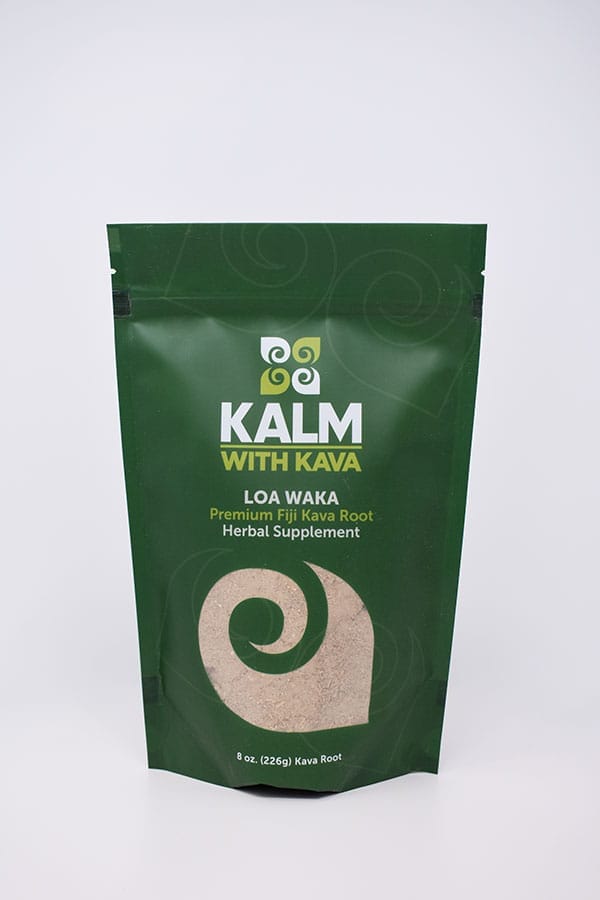


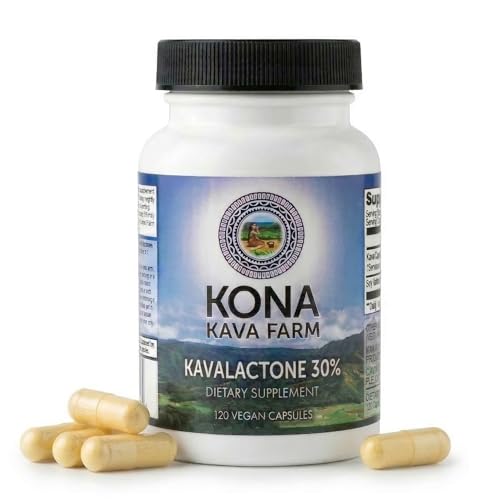
As an Amazon Associate we may earn from qualifying purchases, at no cost to you. 21+.
How we chose.
We judge a kava vendor on its paper trail first, and for Just Kava that means starting with the genuinely good thing it does: it names the island. Selling a Tongan kava and a Vanuatu kava as two distinct products — rather than one undifferentiated "noble blend" — is a meaningful signal, because origin is one of the few things that reliably shifts the experience, and most marketplace brands hide it. We verified that Just Kava runs both SKUs (the Tonga 16 oz reviewed here, ASIN B09MDMX674, and a parallel Vanuatu bag, B09MDK6T58) and that the listing states a noble variety and Pacific sourcing. Then we drew the line we always draw: naming an origin is better than silence, but it is not the same as a lab document.
So our second test was whether the noble and origin claims are backed by published lab work. As of June 2026 we did not find a certificate of analysis, a named testing lab, a stated chemotype, or a kavalactone percentage on the Amazon listing or a brand product page. We report that plainly rather than treating the "noble" label as verified. We also did not find a reliably extractable live price, so we give a price feel for a 16 oz / 1 lb traditional-grind bag rather than inventing a number. We do not invent a chemotype, we do not report COA results that aren't published, and we describe the Tongan "heady" character as the general reputation of Tongan kava and the brand's own framing, not something we lab-confirmed.
Finally we assess it as a drink and a purchase, in plain experiential terms. Traditional-grind powder is preparation-heavy — you knead it into water in a strainer bag, work it for a few minutes, wring out and discard the fibrous makas, and drink the cloudy, earthy result — and we weigh that as a real cost for newcomers. We describe the Tongan profile in feel/flavor terms (heady, head-bright, social) and the reverse-tolerance curve beginners should expect. What we never do is make health claims. Kava is a centuries-old Pacific social drink that many adults find relaxing; it is not a treatment for anything, it can cause drowsiness, effects vary, and anyone on medications or who is pregnant should check with a doctor first. General caution, not medical advice — and this review is not sponsored.
Key terms
- Single-island / origin kava
- Kava sold by its specific island of origin (Tonga, Vanuatu, Fiji, Samoa) rather than as an anonymous blend. Origin is one of the few variables that reliably shifts the experience, so naming it is a real buyer signal. Just Kava sells a distinct Tongan bag and a distinct Vanuatu bag.
- Tongan kava
- Kava grown in Tonga, generally reputed for a heady, head-bright register — relaxed but still clear and social — rather than the heavy, sedating profile Vanuatu is known for. It's a reputation and a flavor/feel description, not a health claim, and effects vary by drinker.
- Noble kava
- The traditional cultivars Pacific growers raise for everyday drinking, prized for a smooth, agreeable effect with minimal next-day heaviness — the opposite of harsher 'tudei' kava. Just Kava markets its root as noble; a published COA naming the chemotype is how a buyer would independently confirm a noble claim.
- Chemotype
- A six-digit code listing kava's six major kavalactones in order of abundance — the cultivar's fingerprint, and the clearest evidence of a noble profile. Just Kava does not publish a chemotype on its listing, as of June 2026.
- Certificate of Analysis (COA)
- A lab document reporting what's actually in a batch — for kava, the chemotype, total kavalactone percentage, and a contaminant screen. We did not find a published COA from Just Kava on the Amazon listing or a brand page, as of June 2026, so its claims are stated rather than lab-documented.
- Traditional grind
- Kava root milled coarse for straining: you knead it into water in a strainer bag and drink the strained liquid, discarding the fibrous 'makas.' Just Kava's Tonga bag is this format — more authentic and economical than instant, but more work, and earthier in flavor.
Questions, answered
Is Just Kava noble kava?
Just Kava markets its Tongan root as noble kava — the traditional class of cultivars grown for everyday drinking. That's the brand's stated claim, and it lines up with the generally heady, head-bright reputation of Tongan kava. The honest caveat is that, as of June 2026, we did not find a published certificate of analysis, a named lab, or a stated chemotype on the Amazon listing or a brand page to independently confirm the noble designation. So treat "noble" here as a claim worth taking at reasonable face value from a brand that at least names its origin — not as a lab-documented fact. If a confirmed noble chemotype matters to you, ask the brand for the COA on the batch you're considering. (Kava is for adults 21+, can cause drowsiness, and shouldn't be mixed with alcohol; effects vary.)
Where is Just Kava kava from?
The bag we reviewed is Just Kava Tonga — Tongan kava root, named on the listing. Notably, Just Kava sells by island of origin: alongside the Tonga SKU it runs a separate Vanuatu bag (Just Kava Vanuatu Kava Powder), which is more provenance than most marketplace kava brands give you. Tongan noble kava is generally described as heady and head-bright, while Vanuatu kava tends to run heavier and more sedating, so the two bags are genuinely different moods. The origin is stated on the listing; we did not find a per-batch lab document tying a specific lot to a specific farm or region, as of June 2026.
How strong is Just Kava, and what's the kavalactone content?
The listing describes a noble root with high kavalactone content, but as of June 2026 it does not publish a specific kavalactone percentage or a chemotype, so we can't give you a verified strength figure. Tongan noble kava is generally experienced as heady and clear rather than heavily sedating. Because it's traditional grind, the strength you actually get depends on the root, your kava-to-water ratio, and your preparation — and as with all kava, expect the first session or two to feel mild before the effect comes through more clearly (reverse tolerance). Start with a level tablespoon or two, give it 20–30 minutes, and scale to taste.
Does Just Kava publish lab tests or a COA?
This is our one real reservation. As of June 2026 we did not find a published certificate of analysis (COA), a named testing lab, a stated chemotype, or a contaminant screen on the Amazon listing or a brand product page. So while the brand names the island and states a noble variety — which is more than most marketplace bags — those are stated claims rather than lab data we could verify, and testing claims couldn't be fully confirmed. If a posted COA is your dealbreaker, ask Just Kava directly for the certificate on the batch you're considering before ordering, and look for the chemotype, the total kavalactone percentage, and a contaminant screen.
How do I use Just Kava Tonga, and what size is it?
It's a traditional-grind powder in a 16 oz (452g / 1 lb) bag, so you prepare it the traditional way: knead the powder into warm water in a strainer bag, work it for several minutes, wring out and discard the fibrous makas, and drink the cloudy, earthy liquid. It's not an instant or a grab-and-go format. The full-pound size makes the per-serving cost realistic for regular drinking, which is part of the appeal. Confirm the current price on the Amazon listing — marketplace pricing moves, and we don't print a number we can't verify.
Is this review sponsored by Just Kava?
No. Kava Review has no affiliate relationship with Just Kava at publication — we earn no commission if you buy, and the company did not review or approve this article. We verified what we could against the Amazon listing and the brand's listing copy in June 2026, including the Tonga origin, the noble claim, the 16 oz size, and the existence of a parallel Vanuatu SKU — and our verdict (credit for selling by island, with the reservation that there's no published COA, chemotype, or kavalactone figure) reflects the Kava Review standard, not a paid placement.
Keep reading.
Best Noble Kava
The noble cultivars and brands we trust most — where an origin-first label like Just Kava's fits in.
Noble vs. Tudei Kava
Why 'noble' on a label matters — and how a stated chemotype and a COA tell you the brand actually checked.
How to Read a Kava COA
Chemotype, total kavalactones, contaminant screen — exactly what to look for, and why a named origin isn't a lab sheet.