Our Pick: Root of Happiness
Check PriceIs Kava Sold on Amazon? The Honest Buyer's Warning (2026)
Yes — kava powder, capsules, shots, and canned drinks are all on Amazon, and several brands we respect are there too. But the marketplace listing hides the five things that actually decide kava quality: the kavalactone number, a batch-matched COA, noble-vs-tudei origin, how fresh the root is, and which reviews are real. Here's how a listing burns you, how to vet one if you insist — and the disclosed-dose, COA-backed brands we'd buy direct instead.
By The Kava Review DeskUpdated 2026-06-13~7 min read Ranked by the lab reportHow we research
 Best Overall
Root of Happiness — Superior Vanuatu (1/2 lb)
Root of Happiness · 4.7
~$30 / 8oz
Short answer: yes. Type "kava" into Amazon and you'll get pages of it — traditional root powders and micronized blends, extract capsules, two-ounce shots, and the new wave of canned kava sparkling drinks. It's legal to sell as a dietary-supplement botanical and a beverage, the listings are real, and — this matters — several of the brands we'd actually recommend have storefronts there. So this is not a "never buy kava on Amazon" article. That would be both wrong and a little insulting to your intelligence.
It's a how-not-to-get-burned article. Because here is the uncomfortable truth about kava specifically: the things that separate good kava from a problem in a bag are exactly the things an Amazon listing is worst at showing you. There's no mandated kava label, so the headline that decides everything — total kavalactones, the chemotype, whether the root is noble or tudei — isn't a field Amazon makes a seller fill in. A product page is a photo, a price, a star rating, and marketing adjectives. The receipt that proves what's in the bag — the Certificate of Analysis, matched to your batch — almost never makes it onto the listing, even when the brand publishes one on its own site.
That's the whole gap. The same brand can be honest on its DTC page and opaque on its Amazon tile, because the marketplace strips the document and adds a layer — third-party sellers, repackaging, mystery freshness, and a review section anyone can game. This guide names the five things a listing hides, shows you how to vet one if you're determined to buy there anyway (the two checks come straight from how to read a kava COA and noble vs. tudei), and then gives you the bottom line: for disclosed-dose, COA-backed kava, the brand-direct version wins — and here are the ones we'd buy.
The short version
- Yes, kava is sold on Amazon — powders, capsules, shots, and canned RTD drinks — and it's lawful to sell. Some legitimate, lab-testing brands have storefronts there too. The problem isn't that kava is on Amazon; it's what the listing format hides.
- An Amazon kava listing structurally hides the five things that decide quality: total kavalactones (the number), a batch-matched COA, noble-vs-tudei origin, true freshness (repackaging/age), and whether the reviews are real or incentivized.
- Even good brands are more opaque on Amazon than on their own site: the COA and chemotype that live on a DTC product page rarely survive the move to a marketplace tile, and a third-party seller can sit between you and the brand.
- If you insist on buying there, run two checks: confirm a batch-matched COA with total kavalactones by HPLC (per how to read a kava COA), and confirm the chemotype/origin reads noble, not tudei (per noble vs. tudei). No number, no buy.
- Bottom line: for disclosed-dose, COA-backed kava, brand-direct wins — you get the lab sheet, fresher root, the real product (not a reseller's), and often a better price than the marketplace markup. Our buy-direct picks are below.
At a glance
| Amazon marketplace | Brand-direct (DTC) | Kava bar | |
|---|---|---|---|
| COA visible? | Rarely on the listing — even when the brand has one elsewhere | Best chance — serious brands post batch COAs on the product page | Ask the bartender; quality bars name their source and noble status |
| Origin disclosed? | Inconsistent — often a generic photo, no cultivar or chemotype | Usually stated — named cultivar, single-origin, noble verification | Typically yes — staff can tell you the variety and where it's from |
| Freshness | Unknown — third-party sellers, repackaging, and shelf age you can't see | Strongest — shipped from the brand, often with lot dates | Freshest experience — prepared on the spot, nothing to store |
| Our take | Convenient, but the format hides the five quality tells — vet hard or skip | Where we send you: the COA-backed, disclosed-dose version of the same brand | Best for trying before you commit; not how you stock your shelf |
Where to buy kava — the three channels, honestly compared
Root of Happiness — Superior Vanuatu (1/2 lb)
Root of Happiness
The COA-and-chemotype-published noble powder — exactly the transparency a marketplace tile strips out.
Our verdict: If the whole point of this guide is "buy the version with the paperwork attached," Root of Happiness is the cleanest illustration. The brand publishes a certificate of analysis and a noble chemotype on its own site, quarantines and lot-codes its root, and tells you the cultivar and origin. You can find Root of Happiness on Amazon — but the buy-direct page is where the document that justifies the price actually lives.
Lab report: Noble Vanuatu root with a published certificate of analysis and chemotype on the brand's own product pages.
This is the buy-direct case made concrete. Root of Happiness Superior Vanuatu is a named noble root with the two things a kava listing almost never carries: a published certificate of analysis and a chemotype, on the product page, where you can read them before you pay. That's the difference this entire article is about. The brand does have an Amazon presence — we're not pretending otherwise — but the marketplace tile is a photo and a star rating, while the DTC page is the lab sheet.
In the bowl it drinks like a proper Vanuatu noble: a balanced, clear-headed calm rather than a heavy thud, easing off over a couple of hours. First-timers should expect the brief tongue-tingle that means the kavalactones are present, and kava's famous reverse tolerance — the effect often clicks better on your second or third sitting than your first. Buy it from the brand and you also get the freshest root and the document; buy a mystery listing and you get neither guarantee.
Who should buy it
Buy this if you want to learn what verified noble kava feels like from a product whose paperwork you can actually read first. It's the right pick for anyone who's been tempted by an Amazon listing but couldn't find a COA on it, for newcomers who want a documented noble baseline, and for traditional-prep drinkers who want a named Vanuatu cultivar with a lot code rather than a repackaged bag of unknown age.
What we don't like
It isn't the rock-bottom price you might spot on a random marketplace tile — but that's the article's point: a suspiciously cheap bag with no COA isn't a bargain, it's a question mark. It's also a traditional powder, so it asks for a few minutes of kneading and straining; if you want zero ceremony, a canned format will suit you better.
- Origin
- Vanuatu noble root
- What's verified
- Published certificate of analysis + chemotype on the brand's site
- Handling
- Quarantined, lab-tested, lot-coded and date-stamped
- Best channel
- Brand-direct — where the COA lives (also on Amazon, without it)
What we like
- Publishes a COA and chemotype on its own product pages
- Named noble Vanuatu origin — not an anonymous "kava"
- Lot-coded and date-stamped — freshness you can actually trace
- Balanced, clear-headed noble effect
Worth noting
- Premium pricing — documented noble costs more than a mystery bag
- Traditional powder — prep required (knead & strain)

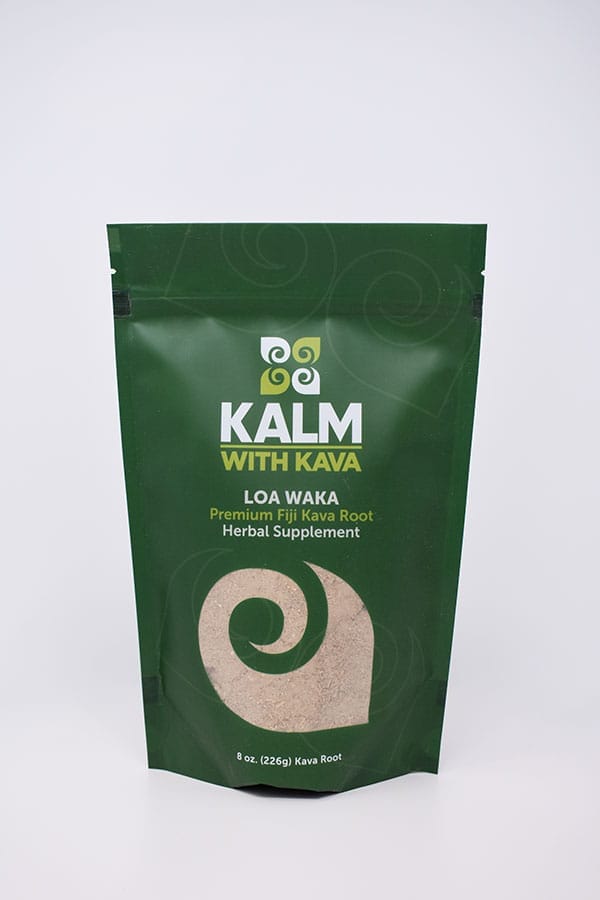
Kalm with Kava — Loa Waka (Medium Grind)
Kalm with Kava
A textbook noble waka that's genuinely on Amazon — but cheaper, fresher, and better-documented from the source.
Our verdict: Kalm with Kava is the honest test case for this whole guide: its Loa Waka really is on Amazon, in several sizes, so you could buy it there. We still send you to the source. Direct, you get the brand's lab documentation, fresher root straight from the seller (not a reseller), and you skip the marketplace markup — for the exact same named noble cultivar.
Lab report: Single-cultivar Fijian noble waka; lab analysis with a noble-pattern chemotype on the brand's site.
This is the buy-direct argument at its fairest. Kalm with Kava's Loa Waka is a single-cultivar Fijian noble — Loa, a recognized noble strain — in the prized waka cut (the kavalactone-rich lateral roots). And it is genuinely available on Amazon, in multiple sizes and grinds. We're not going to pretend it isn't. The reason we still link the brand's own shop is everything around the bag: the lab analysis and noble-pattern chemotype are presented on the DTC page, you're buying from the brand rather than a third-party seller of unknown turnover, and you typically dodge the marketplace markup.
In the bowl it behaves the way a good noble should: a balanced, heady, social calm rather than a sedative thud, settling in and easing off over a couple of hours. Medium grind means it's traditional-prep friendly — knead it in water, strain, drink. Expect the usual brief tongue-tingle and reverse tolerance; judge it across a few sittings, not the first cup.
Who should buy it
Buy direct if you want a textbook noble waka and you'd rather have the lab documentation, the freshest stock, and a source you can trust over the convenience of a marketplace add-to-cart. It's ideal for newcomers wanting a verified noble baseline and for traditional-prep drinkers who want a named cultivar and a real root cut — bought from the brand, not a reseller.
What we don't like
At roughly $40 for 8oz it isn't the cheapest powder you'll see listed — though a too-cheap, no-COA marketplace bag is the thing this guide warns about, not a competitor to it. It's also a medium-grind traditional powder, so it asks for a few minutes of kneading and straining; if you want zero ceremony, a ready-to-drink can is the easier path.
- Cultivar
- Loa — a named Fijian noble cultivar
- Root cut
- Waka (lateral roots, the most kavalactone-rich)
- What's verified
- Published noble-pattern chemotype / lab analysis on the brand site
- Best channel
- Brand-direct — fresher and often cheaper than the Amazon listing
What we like
- Named noble cultivar (Loa) — not anonymous "Fiji kava"
- Waka cut — the prized, kavalactone-rich lateral roots
- Lab analysis + noble-pattern chemotype on the brand's page
- Direct = fresher root, no reseller, often below the marketplace price
Worth noting
- Premium pricing — noble simply costs more than tudei
- Traditional medium grind asks for kneading and straining

Wakacon Fijian Waka Powder (16 oz)
Wakacon
A pound of single-origin Fijian noble waka with lab-tested sourcing — the value play once you've committed to noble.
Our verdict: Wakacon is one of the more popular kava listings on Amazon — which makes it the perfect example of why bulk is the riskiest thing to buy from a tile. A cheap "bulk kava" is the classic place tudei gets blended in to pad yield. Wakacon's answer is single-origin Fijian waka with published lab analysis; buy it from the source and the verification, freshness, and per-bowl value all line up.
Lab report: Single-origin Fijian noble waka; vendor publishes lab analysis for verification.
This is the bag for the drinker who already gets it. Wakacon's Fijian Waka holds the non-negotiables — single-origin Fijian, waka cut, noble — and sells by the pound, which is where cost-per-bowl starts working in your favor. It's a popular Amazon listing, too, so it earns a specific warning: bulk is exactly where marketplace buying gets risky, because a cheap, high-volume bag is the classic place lower-grade or tudei root gets blended in to pad yield, and a tile won't show you the lab sheet that would catch it.
As a single-origin waka it drinks like a proper noble: a clean, heady, social calm rather than heavy sedation, easing off over a couple of hours. It's a traditional powder, so you'll knead and strain it, and the usual notes apply — a brief tongue-tingle that means it's working, and reverse tolerance, so judge it across a few sittings. For someone drinking regularly, the pound format means you're not re-shopping every week — once you trust the source.
Who should buy it
Buy direct if you're past the sampler stage and want the best cost-per-bowl on verified noble waka — with the lab analysis in front of you and the brand's own freshness, not a marketplace reseller's. It's the restock pick for regular drinkers and home traditional-prep, especially anyone who specifically wants single-origin Fijian rather than a multi-country blend.
What we don't like
A pound is a commitment: at $64.99 it's the larger up-front spend, and a full bag is a lot to own before you know you like a particular source — which is why we'd send a newcomer to a smaller bag first. Like any traditional powder it's prep-required; there's no canned convenience here. And it's exactly the kind of bulk product where a marketplace listing tempts you with a lower price and no COA — don't take that trade.
- Origin
- Single-origin Fijian
- Root cut
- Waka (lateral roots)
- Size
- 1 lb (16 oz) — bulk value format
- What's verified
- Noble; vendor publishes lab analysis (ISO-grade testing)
What we like
- Single-origin Fijian waka — tight, stated sourcing
- Bulk pound format — strong cost-per-bowl on noble
- Published lab analysis to verify before buying
- Direct = known freshness, not a reseller's shelf age
Worth noting
- Larger up-front spend — a pound is a commitment
- Traditional powder — prep required, no canned convenience

MELO Sparkling Kava (Mixed Pack)
MELO
A sugar-free sparkling kava with a disclosed per-can dose — the convenience format done with an actual number.
Our verdict: MELO is the canned answer to this guide's central complaint: it states a number. Where many kava drinks bury the dose, MELO discloses roughly 100mg of kavalactones per can, sugar-free and zero-calorie. It does turn up on Amazon, but the brand's own shop is the dependable channel for the full flavor range and the freshest cans — and where the disclosed-dose story is clearest.
Lab report: Disclosed kavalactone dose per can (~100mg); a real number is rare in the canned category.
Canned kava lives or dies on one question: how much kava is actually in here? Far too many sparkling "kava" drinks won't tell you. MELO does — it discloses roughly 100mg of kavalactones per 12oz can, sugar-free and zero-calorie, which is exactly the disclosed-dose transparency this whole article is asking for, just in a format you crack open instead of strain. You can find MELO on Amazon now, but the brand's own site is the reliable place to get the full flavor lineup and the freshest cans, and it's where the per-can number is front and center rather than buried in a marketplace description.
The experience is the easy, social end of kava: a light, sparkling, relaxed lift with none of the prep, earthy taste, or tongue-tingle of traditional root. It's the format we hand people who want kava's mellow without the ceremony — and the disclosed dose means you're not flying blind on how much you're drinking. As with all kava, go easy your first can and see how it sits.
Who should buy it
Buy this if you want kava's relaxed, social side with zero prep and an actual dose on the label — the disclosed-number version of the canned category. It's ideal for newcomers put off by the taste and effort of root, for an alcohol-free evening drink, and for anyone who's been frustrated that most kava cans won't tell them how much kava is inside.
What we don't like
A ~100mg-per-can dose is modest by design — traditional-prep drinkers chasing a strong session will find it light, and the convenience comes at a per-serving cost above scooping powder. It also turns up on Amazon, where third-party listings and pack sizes vary; for the full flavor range, the dependable dose disclosure, and the freshest cans, the brand's own shop is the cleaner buy.
- Format
- Canned sparkling kava (12oz) — ready to drink
- Dose
- Discloses ~100mg kavalactones per can
- Profile
- Sugar-free, zero-calorie, alcohol-free
- Best channel
- Brand-direct for the full range and freshest cans
What we like
- Discloses a per-can kavalactone dose — rare in canned kava
- Sugar-free, zero-calorie, alcohol-free
- Zero prep — the easy, social entry to kava
- Direct = full flavor range and freshest stock
Worth noting
- Modest dose by design — light for strong-session drinkers
- Convenience costs more per serving than powder

Leilo Kava Sparkling Tonic
Leilo
The widely-stocked canned kava — easy to find at retail and DTC, so there's no reason to pay a marketplace markup.
Our verdict: Leilo is one of the most widely distributed kava drinks going — it's in retail coolers and on its own site, and yes, on Amazon. That breadth is the argument: when a product is this easy to find at the source and on shelves, paying a third-party marketplace markup for it makes no sense. Buy it where the cans are freshest and the price is straight.
Lab report: Established canned kava brand; buy from retail or the brand to avoid third-party marketplace markup.
When a product is everywhere, buy it from the cleanest channel. Leilo is one of the most broadly distributed canned kava brands — sparkling, calming, alcohol-free relaxation drinks you'll find in retail coolers, on the brand's own site, and on Amazon. We point you to retail or the brand for a simple reason: with distribution this wide, there's no need to route through a third-party marketplace listing that can add a markup, vary by seller, and leave you guessing on freshness. The same can, fresher and at a straight price, is easy to get directly.
The experience is the approachable, sociable side of kava: a light, sparkling, easygoing calm with no prep and none of root's earthy intensity — the can you hand a curious friend or reach for on an alcohol-free evening. Start with one and see how it sits; kava's effect builds with familiarity.
Who should buy it
Buy direct (or grab it at retail) if you want a widely-available, approachable canned kava and you'd rather not overpay a marketplace reseller for something you can get fresher at the source. It's ideal for newcomers, for an alcohol-free social drink, and for anyone who likes the convenience of a can but wants the straightest price and freshest stock.
What we don't like
As a sessionable RTD it's on the gentle side — traditional-prep drinkers chasing a strong effect will find it light, and per-serving it costs more than powder. Because it's so widely listed, marketplace prices and sellers vary, which is exactly why we steer you to retail or the brand: same can, fresher, without the third-party markup.
- Format
- Canned sparkling kava tonic — ready to drink
- Profile
- Alcohol-free, low-calorie, sessionable
- Distribution
- Wide retail + DTC (also on Amazon)
- Best channel
- Retail or brand-direct — skip the marketplace markup
What we like
- Widely distributed — easy to find at retail and DTC
- Approachable, sessionable, alcohol-free profile
- Zero prep — the easy entry to kava
- Direct/retail = freshest cans, no reseller markup
Worth noting
- Gentle effect — light for strong-session drinkers
- Per-serving cost above powder; marketplace prices vary by seller
More kava worth comparing
Beyond this guide: the highest-rated kava across every format, kavalactones verified, with a live price check on each.



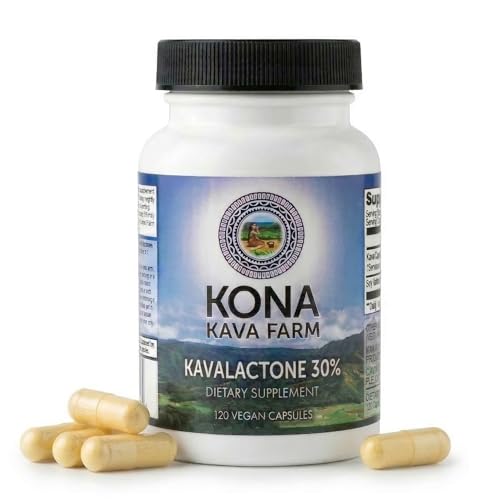
As an Amazon Associate we may earn from qualifying purchases, at no cost to you. 21+.
Quick shop: every pick
Skip the scroll: the whole lineup, with a live price check on each.
- Root of Happiness — Superior Vanuatu (1/2 lb)Buy Direct: COA + Chemotype PublishedRoot of Happiness · ~$30 / 8ozCheck Price
- Kalm with Kava — Loa Waka (Medium Grind)Buy Direct: On Amazon, But Cheaper & Fresher DirectKalm with Kava · ~$39.99 / 8ozCheck Price
- Wakacon Fijian Waka Powder (16 oz)Buy Direct: ISO-Lab-Tested Bulk ValueWakacon · $64.99 / 1lbCheck Price
- MELO Sparkling Kava (Mixed Pack)Buy Direct: Disclosed-Dose Canned KavaMELO · ~$30 / mixed packCheck Price
- Leilo Kava Sparkling TonicBuy Direct: Retail + DTC, Skip the MarkupLeilo · ~$30 / variety packCheck Price
How we chose
We checked the marketplace ourselves rather than assuming. As of mid-2026, kava on Amazon spans traditional and micronized root powders, extract capsules, two-ounce kava shots, and canned kava sparkling drinks — and brands we cover, including Wakacon, Kalm with Kava, Root of Happiness, and Leilo, do have listings there. We say so plainly: this guide never claims a brand "isn't on Amazon" when it is. The argument is about the listing versus the brand's own page, not about any brand's legitimacy.
Our standing rule is unchanged from the rest of the site: no number, no value ranking. A kava earns a recommendation only when there's a batch-matched, third-party Certificate of Analysis to read — total kavalactones by HPLC, a chemotype, a clean microbial panel, heavy metals within limits. The full standard is in how to read a kava COA; the noble-vs-tudei verification is in noble vs. tudei. The picks below are brands that meet that bar on their own DTC sites, which is exactly why we point you there.
Every effect reference here is experiential and lawful — "heady," "heavy," "balanced," "calm," "social" — the language the kava community uses. We do not say kava treats, fixes, or cures anything. This is education and a buyer's guide for adults; kava legality and labeling vary by place; nothing here is medical or legal advice. This article is not sponsored, and the buy-direct links go to each brand's own site — never to an Amazon affiliate link.
Key terms
- COA (Certificate of Analysis)
- The independent lab report for a specific batch of kava — total kavalactones by HPLC, the chemotype, a microbial panel, and heavy metals. It's the buyer's main protection in a category with no mandated label. Serious brands post it on their own product pages; Amazon listings almost never carry it, which is the core reason to buy direct.
- Chemotype
- The six major kavalactones ranked most-to-least abundant, written as digits (e.g. 4-2-6). It's the fastest read on character and nobility: kavain (4) leading means a heady, social kava and a noble pattern; dihydromethysticin (5) leading skews heavy and tudei-ward. Listings rarely show it; brand pages and COAs do.
- Noble vs. tudei
- The fork that decides kava quality. Noble cultivars are what Pacific cultures drink daily — balanced and clear-headed; tudei is cheaper, heavier, and traditionally reserved for medicine. A marketplace tile that names no cultivar and shows no chemotype can't be confirmed noble, which is exactly where mislabeled tudei hides.
- Incentivized review
- A review written in exchange for a free product, refund, or discount — common across supplement marketplaces and a reason a kava listing's star rating can't substitute for a lab sheet. Phrases like "I received this free for an honest review" are the tell. A glowing rating is a popularity signal, not proof of potency or purity.
- Repackaging
- When a third-party seller buys kava in bulk and re-bags or relists it, you lose the chain of custody — true freshness, storage history, and even whether it's the brand's genuine product become unknowns. "Ships from and sold by" the brand or Amazon is your best guard against it; an unfamiliar third-party seller is a freshness and authenticity question mark.
Questions, answered
Is kava legal to sell on Amazon?
Yes. Kava is lawfully sold in the United States as a dietary-supplement botanical and as a beverage, and Amazon lists it widely — traditional and micronized root powders, extract capsules, two-ounce shots, and canned kava sparkling drinks. That legality is exactly why a marketplace warning is useful rather than alarmist: the issue isn't that kava is available there, it's that the listing format hides the information (kavalactone number, COA, noble-vs-tudei origin) that decides whether a given kava is any good. Note that kava's legal status and labeling rules can vary by state and country, so check your local rules; this isn't legal advice.
Is kava from Amazon safe?
It can be — but the listing won't prove it to you, and that's the problem. Kava safety tracks with quality: noble cultivars, clean microbial and heavy-metal results, and an honest dose, all of which live on a Certificate of Analysis. A marketplace tile rarely carries that document, so an Amazon listing alone leaves you unable to verify the very things that matter. If you buy there, click through to the brand's own site and confirm a batch-matched COA and a noble chemotype before drinking (see how to read a kava COA). No COA you can verify, no confidence on safety. As always, kava is for adults, and this is education, not medical advice.
Which kava brands are on Amazon?
Several legitimate ones, which is why we won't tell you to avoid the marketplace entirely. As of mid-2026, brands we cover — including Wakacon, Kalm with Kava (its Loa Waka line, in multiple sizes), Root of Happiness (powder, shots, and capsules), Leilo, and MELO — all have Amazon listings. The catch is that even these honest brands are more opaque on their Amazon tiles than on their own sites: the COA and chemotype that appear on a DTC product page rarely survive the move to a marketplace listing, and a third-party seller can sit between you and the brand. So the brand being on Amazon isn't the issue — the missing paperwork on the listing is.
Is kava cheaper on Amazon?
Sometimes the sticker is lower, but the real cost often isn't. A suspiciously cheap kava is a red flag, not a bargain — tudei is cheaper to grow than noble, so rock-bottom pricing on an unverified bag is a signal worth questioning (see noble vs. tudei). And third-party marketplace listings frequently add a markup, vary by seller, and leave freshness unknown, so the "deal" can be a reseller's premium on aged stock. For brands sold both ways, buying direct often means a comparable or better price plus the COA, the freshest root, and the genuine product — which is the better total value even when the headline number looks close.
Can I trust the reviews on Amazon kava listings?
Treat them as a weak signal, not evidence. Supplement categories are heavily affected by incentivized reviews (a free product or refund in exchange for five stars), review hijacking on recycled listings, and pages of generic praise — and kava is no exception. A glowing star rating tells you a product is popular or well-marketed, not that it's a noble cultivar, correctly dosed, or clean. The document that actually answers those questions is the COA, which the reviews can't replace. If you read reviews at all, discount the generic five-stars, look for specific detailed accounts, and ignore anything that mentions a free product for the review.
Where should I actually buy kava?
For disclosed-dose, COA-backed kava, buy brand-direct. It's the channel most likely to show you the Certificate of Analysis and chemotype before you pay, to ship the freshest root straight from the brand rather than a reseller, to guarantee you're getting the genuine product, and often to beat the marketplace markup. Our buy-direct picks above — Root of Happiness, Kalm with Kava, Wakacon, MELO, and Leilo — are brands that meet our no-number-no-ranking bar on their own sites. A good kava bar is also an excellent way to try a variety before you commit. Amazon can work if you vet hard, but at that point you've rebuilt the brand's own page by hand — so just start there.
Keep reading
The Best Kava on Amazon
Our ranked picks of every kava actually worth buying on Amazon: drinks, powders, capsules, and gear, with real potency numbers.
How to Read a Kava COA
The five lines that prove a kava is what the label says — the exact check to run before buying anywhere.
The Best Value Kava
Where the real value lives once you stop chasing the cheapest marketplace tile — cost per 100mg of kavalactones, ranked.
The Best Kava Powder, Reviewed
Our verified-noble powder picks — every one passes the chemotype-plus-origin test, bought direct.