Our Pick: Fiji Vanua Kava
Check PriceFiji Vanua Kava Review (2026): The Amazon-First Fijian Value Play, Tested
Fiji Vanua Kava is a family-run brand selling noble Fijian root on its own store and, heavily, on Amazon — a rare combination, because most COA-publishing vendors avoid the marketplace. We ran it through our transparency check (COAs, kavalactone disclosure, documented origin) and weighed the convenience of buying kava the same place you buy paper towels. Here's the honest verdict, with the receipts.
By The Kava Review DeskUpdated 2026-06-17~8 min read Ranked by the lab reportHow we researchOfficial site ↗
Buying kava on Amazon is usually where transparency goes to die. The marketplace is full of bags labeled "premium" and "noble" with no cultivar, no origin past "Fiji," and no lab work you can actually read — you're trusting a thumbnail. So the first question we asked about Fiji Vanua Kava wasn't "how does it taste," it was "does a brand that sells this much through Amazon still show its work?" Because the interesting thing about this vendor is that it runs both lanes at once: a full direct store at fijivanuakava.com and a deep shelf of Amazon listings, where most of its visibility lives.
Fiji Vanua Kava is a family-owned operation with roots in both Fiji and the United States, sourcing noble kava direct from Fijian farms — the Vanua Levu islands for its Waka, the Savusavu region for its old-roots line — and rounding out the catalog with a Vanuatu powder, instants, an extract, and the now-obligatory gummies, shots, and soda. It is squarely a pure-kava brand: root powders and root-derived products, not a functional-beverage label that happens to mention kava. And unusually for a marketplace-heavy seller, it leans hard on testing as a selling point, describing itself as one of the few Fijian vendors that publishes a certificate of analysis with its products.
This review is independent and unpaid. Kava Review has no affiliate relationship with Fiji Vanua Kava at publication — we don't earn a commission if you buy, and nobody at the company reviewed this before it went up. We verified everything below against Fiji Vanua Kava's own product pages and its live Amazon listings in June 2026: the testing claims, the COA practice, the origins, and the prices. The result is a credible Fijian value play with a genuine transparency story and a few honest knocks — chief among them the gap between the COA-rich experience on the brand's own site and the thinner information you get buying the same root through Amazon. The usual ground rules apply: kava is for adults 21+, it can cause drowsiness, don't drive after drinking it, and if you take medications or are pregnant, talk to your doctor first. None of this is medical advice.
The short version
- Fiji Vanua Kava is a real, currently-operating family-owned pure-kava brand selling noble Fijian root both on its own site (fijivanuakava.com) and across multiple Amazon listings — a rare overlap, since most COA-publishing vendors skip the marketplace.
- It clears our transparency check on its own store: product pages carry a Certificate of Analysis image and the brand states it tests all its kava for purity, kavalactone content, and toxicity, plus third-party US screening for pathogens like E. coli and Salmonella. It carries only noble cultivars.
- Origins are named, not vague: Loloma Waka from the Vanua Levu islands (lateral roots, ~5-year roots, a balanced effect) and Premium Old Roots from Savusavu (Dokobana cultivar, 6–7-year roots, a heavier effect).
- Where the brand actually publishes a kavalactone number, we credit it: the Lewena powder is listed at approximately 6–7% kavalactone content, and the 30% Kava Extract is described as lab-tested to 30% kavalactones with a COA attached.
- Verified pricing is fair: Loloma Waka starts around $35.99 (8 oz) and runs to $115.99 for the 2 lb Gold Pack, with 10 lb bulk available; free shipping kicks in over $99 on the direct site.
- Honest knocks: COAs live on the brand's own product pages, so the Amazon-bought version is a thinner, less-documented experience; it's traditional medium grind (real straining homework); and you'll see price and detail differences between the direct store and third-party marketplace listings.
At a glance
| Product | Origin & type | Stated lab detail | From | Check price |
|---|---|---|---|---|
| Loloma Waka | Fiji · Vanua Levu · noble lateral roots, ~5-yr, balanced | COA posted on product page (purity, kavalactones, toxicity) | $35.99 | Check Price |
| Premium Old Roots | Fiji · Savusavu · Dokobana, 6–7-yr roots, heavy | COA posted on product page | $35.99 | |
| Lewena Powder | Fiji · noble basal roots, medium grind | Listed at ~6–7% kavalactone content | Amazon | |
| 30% Kava Extract | Concentrated, water-soluble drink powder | Lab-tested 30% kavalactones, COA attached | Amazon |
The Fiji Vanua Kava range at a glance — origins, formats, and starting prices verified June 2026. On the brand's own site each headline powder carries a posted Certificate of Analysis; the where-stated kavalactone figures are the brand's own.

Loloma Waka Kava Root Powder
Fiji Vanua Kava
Vanua Levu lateral-root waka with a posted COA and a balanced day-or-night effect, at a fair price.
Our verdict: Loloma Waka is the right entry into Fiji Vanua Kava's range and our pick of the lineup: noble Fijian root from the Vanua Levu islands, made from lateral roots roughly five years old, ground medium for the strainer bag. The brand posts a Certificate of Analysis on the product page — the transparency we ask for — and describes the effect as balanced, between heady and heavy, suitable day or night. Real straining homework, but real Fijian kava with the receipts attached.
Lab report: Brand posts a Certificate of Analysis image on the product page, stating the lab test covers purity, kavalactone content, and toxicity, with no fillers added; noble cultivar; third-party US pathogen screening on the line.
If you want to understand what Fiji Vanua Kava actually sells, start here. Loloma Waka is traditional medium-grind noble kava from Fiji's Vanua Levu islands, made from lateral roots that the brand says run up to about five years old and are 100% sun-dried. You knead it into water in a strainer bag, strain out the fibrous makas, and drink the cloudy result. The brand positions it as a balanced everyday drinker — sitting between the bright "heady" lift and the sedating "heavy" body load — which makes it the sensible first order rather than a specialist's pick.
The experience is genuinely traditional, which is both the appeal and the cost. Expect the earthy, peppery, slightly muddy flavor real root delivers, the unmistakable tongue-numbing tingle within a minute, and a body-and-mind calm that builds over the session. Newcomers should know about kava's reverse tolerance — the first session or two often feel mild, with the effect arriving more clearly on later tries. And you'll need the gear: a strainer bag, a bowl, and a few minutes of kneading. This is not a stir-and-sip product. It's the one you reach for when you want the real thing and don't mind the ritual.
Who should buy it
Buy Loloma Waka if you want authentic, traditionally prepared Fijian noble kava with a documented origin and a posted lab sheet, and you're willing to strain it yourself. The balanced day-or-night profile makes it the most broadly useful starting point in the range, and the 8 oz size keeps a first try low-risk. For the full COA, order it from the brand's own store rather than a third-party listing.
What we don't like
It's traditional medium grind, which means homework: a strainer bag, kneading, straining, and an earthy flavor the seltzer crowd will find punishing. The product page shows a COA but, like nearly all powder vendors, the brand can't give you a guaranteed milligram-per-serving figure because that depends on how you brew it. And the richest documentation lives on the brand's own site — buy the same bag on Amazon and you get a thinner information picture.
- Origin
- Fiji — Vanua Levu islands, noble lateral roots (~5-yr)
- Type
- Traditional medium grind — requires straining to brew
- Effect
- Balanced — between heady and heavy, day or night
- Testing
- COA posted on product page: purity, kavalactone content, toxicity; no fillers
- Pack sizes
- 8 oz · 1 lb · 2 lb Gold Pack · 10 lb bulk
- Starting price
- From ~$35.99
What we like
- Documented Fijian origin (Vanua Levu) and noble lateral-root sourcing
- Certificate of Analysis posted on the brand's own product page
- Balanced effect makes it a versatile everyday drinker
- Fair price with an 8 oz size to trial it and 10 lb bulk for regulars
Worth noting
- Traditional medium grind: strainer bag, kneading, and earthy taste required
- Full COA is on the brand site; the Amazon-bought version is less documented
More kava worth comparing
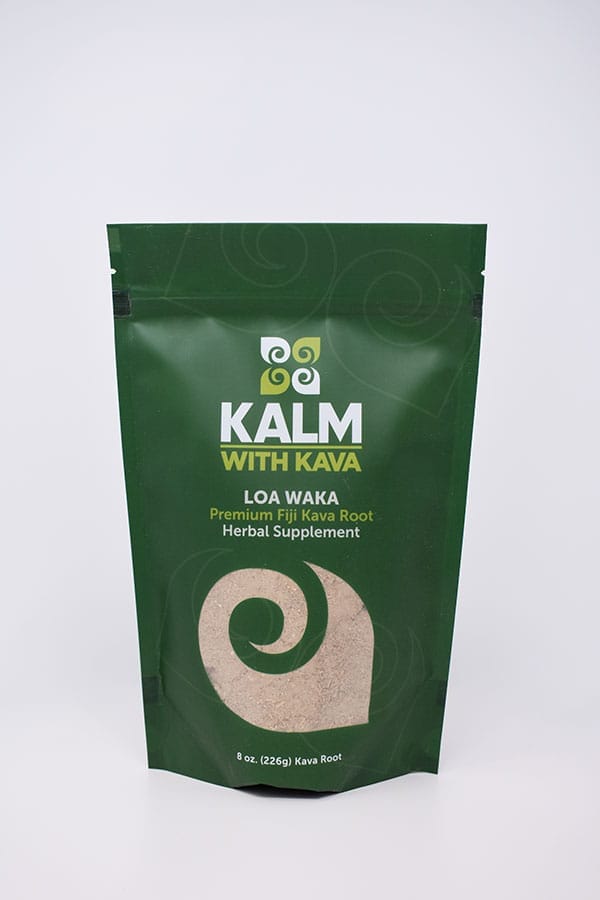
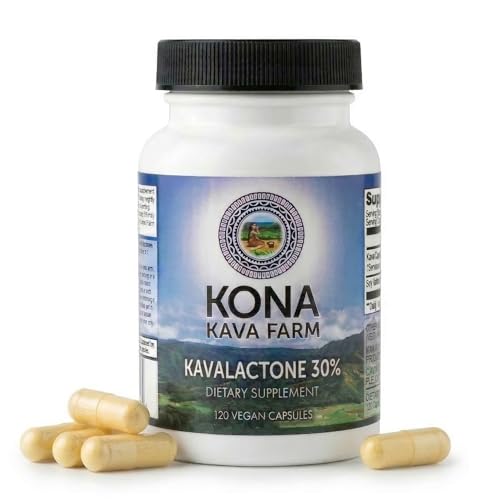
Beyond this guide: the highest-rated kava across every format, kavalactones verified, with a live price check on each.




As an Amazon Associate we may earn from qualifying purchases, at no cost to you. 21+.
How we chose
We judge a kava vendor on its paper trail first. For Fiji Vanua Kava we read the brand's stated testing policy and its product pages, and checked three things: does it publish COAs at all; are those certificates attached to the actual product listings (not just claimed); and do the disclosures cover what matters — origin, noble chemotype, kavalactone content, and contaminant screening. We quote the brand's own language throughout, and we draw a hard line between what's documented on its own store versus what a buyer actually sees on a third-party Amazon listing, because for this vendor those are two different experiences.
Then we verify the catalog. We confirmed each headline product's origin, format, and starting price against the live listing in June 2026 — Loloma Waka from Vanua Levu, Premium Old Roots from Savusavu, the Lewena powder, and the 30% extract — and we name what we couldn't independently confirm rather than rounding up. We credit the kavalactone figures the brand actually publishes (Lewena at ~6–7%, the extract at 30%) and we do not invent numbers for the products where none is stated. We also flag where the direct-site price and the marketplace price diverge instead of pretending there's one tidy figure.
Finally we assess it as a buying experience and a drink, in plain experiential terms. Traditional medium-grind kava is preparation-heavy and earthy, and that's a real cost to weigh; buying through Amazon trades the brand's full COA library for marketplace convenience. What we never do is make health claims. Kava is a centuries-old Pacific social drink that many adults find relaxing; it is not a treatment for anything, it can cause drowsiness, and anyone on medications should check with a doctor first. That's general caution, not medical advice — and this review is not sponsored.
Key terms
- Noble kava
- The traditional cultivars Pacific growers raise for everyday drinking, prized for a smooth, agreeable effect with minimal next-day heaviness. Fiji Vanua Kava states it carries only noble cultivars — the opposite of tudei.
- Tudei kava
- "Two-day" kava — non-noble cultivars associated with a heavier, longer effect and next-day grogginess. Quality vendors screen it out; a posted COA confirming noble chemotype is how a buyer can check.
- COA (Certificate of Analysis)
- A lab document reporting what's actually in a batch — for kava, the kavalactone content, contaminant/toxicity screen, and confirmation of a noble profile. The trust ladder runs: published and attached to the product page (best, which Fiji Vanua Kava does on its own site), available on request (acceptable), "we lab test" with nothing posted (a claim, not evidence).
- Waka
- The lateral (side) roots of the kava plant, traditionally prized for a cleaner, more head-forward effect. Fiji Vanua Kava's Loloma Waka is a lateral-root Fijian kava from the Vanua Levu islands.
- Lewena
- Kava made from the basal (lower stump) roots, often a touch milder and earthier than waka. Fiji Vanua Kava's Lewena powder is listed at roughly 6–7% kavalactone content.
- Medium grind
- Root milled coarse enough to require a strainer bag: you knead it into water and drink the strained liquid, not the powder itself. Fiji Vanua Kava's powders are this traditional format — authentic and cheaper per pound, but more work than an instant.
Questions, answered
Is Fiji Vanua Kava a real, legit brand?
Yes. Fiji Vanua Kava is a currently-operating, family-owned pure-kava brand with roots in Fiji and the US. It sells noble Fijian root powders, an extract, instants, and other kava products both on its own store (fijivanuakava.com) and across multiple Amazon listings. On its own product pages it posts a Certificate of Analysis and states it tests all its kava for purity, kavalactone content, and toxicity, with third-party US pathogen screening — the kind of paper trail we look for in a kava vendor. (Kava itself can cause drowsiness; don't drive after drinking it, and check with a doctor if you take medications.)
Does Fiji Vanua Kava publish lab tests and COAs?
On its own website, yes — and that's its strongest feature. The brand posts a Certificate of Analysis image on product pages and states the lab test covers purity, kavalactone content, and toxicity, with no fillers added, plus third-party US screening for pathogens like E. coli and Salmonella. Where it prints a figure it's specific: the Lewena powder is listed at about 6–7% kavalactone content, and the 30% Kava Extract is described as lab-tested to 30% kavalactones with a COA attached. The limit: that documentation lives on the brand's site, so buying the same product through Amazon gives you a thinner information picture. And like all powder COAs, it reports the root's percentage, not a guaranteed milligram count in your cup.
Should I buy Fiji Vanua Kava on Amazon or from the brand's website?
Both are legitimate, but they're different experiences. The brand's own store (fijivanuakava.com) is where the COAs, cultivar notes, effect descriptions, and the full range live, and where free shipping kicks in over $99 — that's the place to buy if documentation is why you chose this vendor. Amazon is the convenience option: faster, familiar checkout, and Prime shipping, but the marketplace listing compresses the lab and cultivar detail. If you want to read the receipts, order direct.
What should I order first from Fiji Vanua Kava?
Start with Loloma Waka, our pick of the range — it's noble Fijian root from the Vanua Levu islands, with a balanced day-or-night effect that suits most drinkers, and it starts around $35.99 for an 8 oz bag so a first try is low-risk. If you want a heavier, more sedating session, the Premium Old Roots from Savusavu (the Dokobana cultivar, 6–7-year roots) is the step up. Buy from the brand's own site to get the posted COA with your order.
Where does Fiji Vanua Kava source its kava?
Direct from Fijian farms, with named regions rather than a vague "Fiji": the Loloma Waka comes from the Vanua Levu islands (lateral roots, roughly five-year roots), and the Premium Old Roots comes from the Savusavu region (the Dokobana cultivar, 6–7-year roots). The brand also stocks a Vanuatu powder for drinkers who want the Ni-Vanuatu profile. All of it is sold as noble kava, and the documented, named-origin sourcing is part of why the brand rates well on transparency.
Is Fiji Vanua Kava traditional kava or instant?
Mostly traditional. The flagship powders — Loloma Waka, Premium Old Roots, Lewena — are medium grind, meaning you knead them into water in a strainer bag and drink the strained liquid. That's authentic and cheaper per pound, but it's real preparation. The brand also sells instants (its Kelai Signature and Instant Essence lines) for drinkers who want to skip the strainer bag, plus a high-potency 30% extract and convenience formats like gummies, shots, and a kava soda.
Is this review sponsored by Fiji Vanua Kava?
No. Kava Review has no affiliate relationship with Fiji Vanua Kava at publication — we earn no commission if you buy, and the company did not review or approve this article. We verified every fact against Fiji Vanua Kava's own product pages and its live Amazon listings in June 2026, and our verdict reflects the Kava Review transparency standard, not a paid placement.
Keep reading
Best Value Kava
Where affordable noble root actually delivers — and where Fiji Vanua Kava's Fijian powders fit.
Is Kava on Amazon Any Good?
How to buy kava on the marketplace without getting burned — the exact problem Fiji Vanua Kava is trying to solve.
Noble vs. Tudei Kava
Why "noble" on a label matters, and how a COA tells you the brand actually checked.
Best Kava Brands
Our ranked field of vendors worth trusting — and the transparency standard they're measured against.