Our Pick: MELO
Check PriceFeel Free Review (2026): Read This Before You Buy the Blue Bottle
Feel Free is the little blue bottle you see by the gas-station register. Its original tonic is not just kava — it's kava blended with kratom, a different plant with opioid-receptor activity and a real dependence risk. Here is the documented record, fairly told, and where we land: we don't recommend the kratom-containing products. We're a kava site, we take no money from Botanic Tonics, and we link to none of their products on purpose.
By The Kava Review DeskUpdated 2026-07-22~9 min read Ranked by the lab reportHow we research
If you've stood at a convenience-store counter in the last few years, you've probably seen it: a small cobalt-blue bottle called Feel Free, made by a company named Botanic Tonics, sold near the register alongside the energy shots. It markets itself as a feel-good botanical tonic and, for a lot of people, as a way to relax without alcohol. What the front of the bottle does not shout — and what this review is going to make sure you understand before you buy one — is that the original Feel Free tonic is not just kava. It is kava blended with kratom. Those are two different plants, and the difference is the whole story.
We cover kava for a living, and we like kava. That is exactly why we're being careful here: kava is not the problem with Feel Free. Kratom is the variable that changes the risk profile, because kratom's alkaloids act on the brain's opioid receptors and carry a documented potential for dependence and withdrawal — properties kava does not share. (For the plant-versus-plant breakdown, see our kava vs kratom explainer.) Sell that blend in a sweet, easy-drinking tonic, put it next to the gum and the lighters where anyone can grab two or three, and you have a format that, in our editorial view, invites people to misread how much they're actually taking.
Below is the documented controversy record — the class-action settlement, the FDA forfeiture case, the media coverage, and the consumer accounts — every claim attributed to its source, with allegations kept clearly as allegations. Then the honest nuance, then our verdict. To be plain about where we stand: this site earns affiliate commissions on the kava products we recommend, but we are not paid by Botanic Tonics, we carry no Feel Free purchase link anywhere on this page, and we will not add one. We're not doctors and nothing here is medical or legal advice. This is a consumer-protection read, written so you can make your own call with the facts in front of you.
The short version
- Feel Free CLASSIC, Botanic Tonics' original tonic, is a blend of kava root and natural leaf kratom — not a pure-kava drink. Kratom is a different plant from kava, with opioid-receptor activity and a real dependence risk that kava does not carry.
- Botanic Tonics reached an $8.75 million class-action settlement over allegations it failed to disclose kratom's addictive potential and marketed Feel Free as a healthy alcohol alternative; per published notices it agreed to add a warning that the product "can become habit-forming." These are settled allegations, not court findings of fact.
- Per reporting by Fortune and BevNET, an FDA forfeiture case — after a May 2023 seizure of 250,000+ bottles — was dismissed without prejudice in December 2025. "Without prejudice" means it could be refiled; it is not a safety endorsement.
- Our verdict: we do not recommend the kratom-containing Feel Free products, full stop. The risk lives in the kratom plus the gas-station-grab format, not in kava.
- If you want what kava actually offers, buy a disclosed, pure-kava product instead. Botanic Tonics also now sells kratom-free SKUs (a KavaMaté tonic and non-CLASSIC capsules); we assess those separately and fairly on their kava merits — they are a different conversation from the blue bottle.
At a glance
| Feel Free CLASSIC tonic | A disclosed pure-kava can (e.g. MELO / Leilo) | |
|---|---|---|
| Contains kratom? | Yes — kava root blended with natural leaf kratom | No — kava only, no kratom |
| Disclosed dose you can read? | No kavalactone figure; kratom amount not stated in mg on the label | MELO discloses 100 mg kavalactones per can; pure-kava brands at least name their kava |
| Our take | Not recommended — opioid-receptor activity + grab-and-go format invites misread dosing | The category we actually cover and recommend — see the alternatives below |
Feel Free CLASSIC (kava + kratom) versus a disclosed pure-kava can. The contrast that matters is the second ingredient and whether you can see your dose. Product facts per Botanic Tonics' and the alternative brands' own pages, checked June 2026.

MELO Sparkling Kava
MELO
Kava only, no kratom, and the rare can that prints an actual dose: 100 mg of kavalactones, stated plainly.
Our verdict: If the reason you reached for Feel Free was kava — relaxation, an alcohol alternative, shoulders-down ease — this is the version of that without the kratom variable. MELO is pure kava, contains no kratom, and is the only major can we know of that states a flat kavalactone figure (100 mg per can) so you can actually see your dose. That readable disclosure is the whole point of recommending it here.
Lab report: Discloses 100 mg of kavalactones per 12 oz can — a real, readable potency number, which is exactly what Feel Free's label doesn't give you. Vanuatu farm-sourced; lab testing claimed.
This is what we mean by "drink this instead." The appeal people describe in Feel Free — a calm, sociable, not-drinking kind of ease — is the appeal of kava. MELO Sparkling Kava delivers that from kava alone, with no kratom in the can, which removes the entire opioid-receptor question from the equation. It's a 12 oz zero-sugar sparkling can sourced from kava root the brand grows in Vanuatu.
As a drink it earns the fridge space on its own merits — tropical, lightly sweet, built in the modern seltzer register — and a $19.99 four-pack makes a first try cheap. But the reason it leads this particular review is narrow and deliberate: it's pure kava with a disclosed number, which is the opposite of the thing we're warning you about. (Disclosure: this is an affiliate link; we earn a commission if you buy, and we take nothing from Botanic Tonics.)
Who should buy it
Buy MELO if you liked the idea of Feel Free — the relaxed, alcohol-alternative feeling — but want it from kava alone, with no kratom and a dose you can actually read on the can. It's the cleanest swap we can point you to.
What we don't like
No public, downloadable COA library yet — the 100 mg disclosure is excellent, but we'd like the batch paperwork posted, not just claimed. List price reads craft-beverage at roughly $4.17 a can, and the lineup is only three tropical-leaning flavors.
- Contains kratom?
- No — kava only
- Disclosed dose
- 100 mg of kavalactones per 12 oz can (stated by the brand)
- Format
- 12 oz sparkling, zero sugar, zero calories
- Source
- Kava root from the brand's farm in Vanuatu
- Pack pricing
- $19.99/4-pack · $49.99/12-pack
What we like
- Pure kava — contains no kratom
- Discloses a real dose: 100 mg of kavalactones per can
- Zero sugar, farm-sourced Vanuatu kava root
- $19.99 four-pack makes the first try low-commitment
Worth noting
- No public COA library to back the label claims
- Only three flavors, all in the tropical-seltzer lane

Leilo Kava Tonic
Leilo
The grab-and-go kava can — broad flavors, real retail presence, and zero kratom in the formula.
Our verdict: Part of Feel Free's pull is pure convenience: it's right there at the register. Leilo is the answer to that without the kratom. It's a widely distributed, fun-flavored kava tonic — kava only — that you can find on real shelves. We dock it for disclosing extract weight instead of a kavalactone figure, but on the question that defines this page, it's clean: no kratom.
Lab report: Says it tests batches for quality and consistency with documentation by request; publishes an extract weight rather than a kavalactone number — but, crucially for this comparison, contains no kratom.
If what hooked you on Feel Free was that it's everywhere and easy, here's the kava-only version of that. Leilo Kava Tonic is the most retail-available, broadly-flavored kava can in the category — a fruity, approachable, bring-it-to-a-barbecue lineup — and it contains no kratom. That's the entire reason it sits in this review: same convenient, sociable use case as the blue bottle, minus the ingredient we're warning about.
So this is the convenience pick, qualified honestly: a kava-only tonic you can actually find, in flavors most people enjoy, that keeps kratom out of the can. If you want the readable dose too, start with MELO above. (Disclosure: affiliate link; we earn a commission if you buy, and we are not paid by Botanic Tonics.)
Who should buy it
Buy Leilo if Feel Free's convenience and easy flavor were the draw and you want that from a kava-only drink you can find on mainstream shelves. It's the approachable, no-kratom on-ramp; reach for MELO instead if a readable dose matters more to you than flavor range.
What we don't like
It discloses extract weight (1,000 mg) rather than a kavalactone number, so you can't see your true dose — a real transparency knock, though one entirely within the pure-kava lane. Classic flavors also carry some sugar and calories the zero-sugar competition skips.
- Contains kratom?
- No — kava only
- Disclosed dose
- Not a kavalactone figure — label states 1,000 mg proprietary kava extract per can
- Format
- 12 oz, lightly carbonated; broad flavor range incl. a sugar-free mocktail line
- Availability
- The widest mainstream retail distribution of any kava can
- Pack pricing
- $49.99/12-pack · sampler available
What we like
- Pure kava — contains no kratom
- Widest real-world retail availability in the kava-can category
- Broad, approachable flavor range including a sugar-free mocktail line
Worth noting
- Discloses extract weight, not a kavalactone number — you can't read your true dose
- Classic flavors carry sugar and calories the zero-sugar cans skip
More kava worth comparing
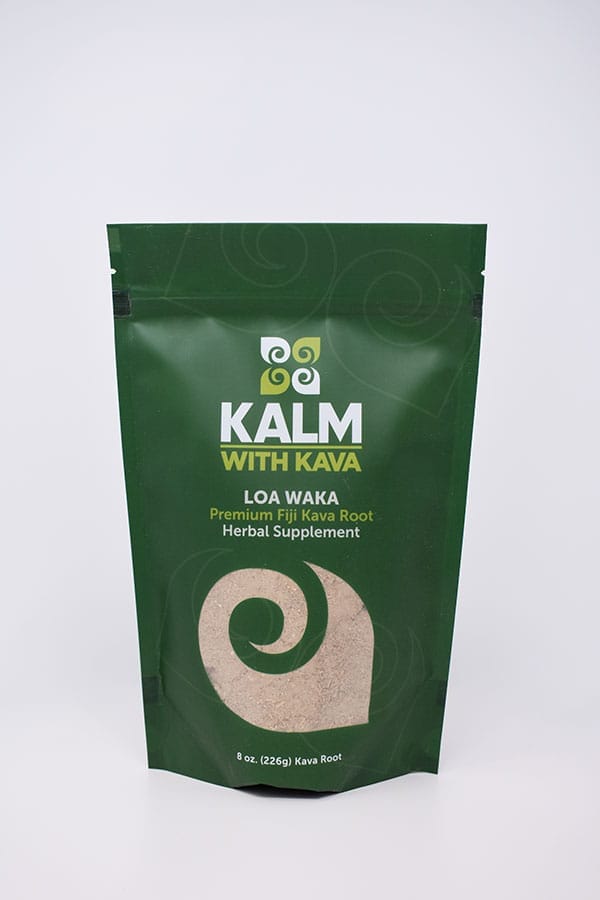
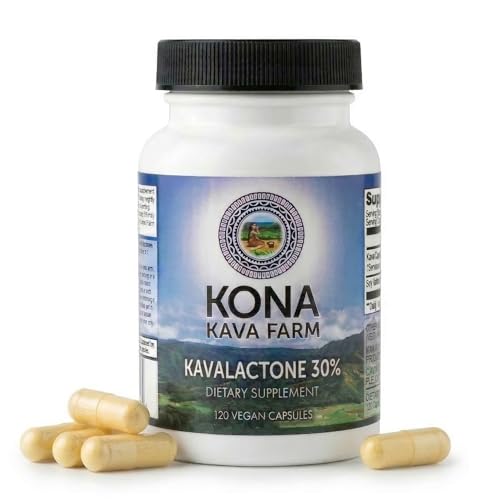
Beyond this guide: the highest-rated kava across every format, kavalactones verified, with a live price check on each.



As an Amazon Associate we may earn from qualifying purchases, at no cost to you. 21+.
Quick shop: every pick
Skip the scroll: the whole lineup, with a live price check on each.
- MELO Sparkling KavaThe Pure-Kava Alternative (Disclosed Dose)MELO · $49.99 / 12-packCheck Price
- Leilo Kava TonicThe Gas-Station-Convenient Alternative That Isn'tLeilo · $49.99 / 12-packCheck Price
How we chose
This is a documents-first review. We did not lab-test Feel Free and we make no claims about what any individual bottle did or didn't do to anyone. What we did was read the public record — the class-action settlement notices, the federal forfeiture docket as reported, the brand's own product pages, and the major-outlet reporting — and attribute every factual claim to where it came from. Where something is an allegation in a complaint, we call it an allegation. Where something is a settlement, we note that a settlement is not an admission or a court finding of fact.
We separate three kinds of statements on purpose. Verified facts (what the label says, what the brand publishes, what a court docket shows) are stated as facts with a source. Consumer reports (forum sizes, individual accounts of escalation, treatment-center write-ups) are labeled as reports and never upgraded into our own conclusions. And our opinion — that the kratom blend plus the convenience-store format is a bad combination — is framed explicitly as our editorial judgment, not as medical fact.
Finally, the disclosure that should govern how you read any review like this: Kava Review earns affiliate commissions on kava products we recommend, and the two alternative cans below are affiliate links. We earn nothing from Botanic Tonics, we were not paid or asked by anyone to write this, and we deliberately include no Feel Free purchase link. If we wanted to monetize Feel Free traffic, the easiest thing in the world would be to slap an affiliate button on this page. We didn't, because the point of the page is to inform you — not to sell you the thing we're warning you about.
Key terms
- Kratom
- The leaf of Mitragyna speciosa, a Southeast Asian tree. It is a different plant from kava, and its alkaloids act on the brain's opioid receptors. Natural leaf kratom is the kratom form Botanic Tonics says it uses in Feel Free CLASSIC; its dependence and withdrawal potential is the core of the controversy.
- Mitragynine
- The primary active alkaloid in kratom leaf. It and its metabolites interact with mu-opioid receptors — the mechanism behind both kratom's effects and its documented potential for tolerance, dependence, and withdrawal. Kava contains no mitragynine; its actives are kavalactones, which work differently.
- 7-OH (7-hydroxymitragynine) — avoid
- A minor kratom alkaloid that's a far more potent opioid-receptor agonist than mitragynine. Per the FDA, concentrated 7-OH products (shots, tablets, gummies) are a distinct and serious safety concern; the agency issued warning letters in July 2025 and recommended scheduling. Avoid concentrated 7-OH products. Note for fairness: Feel Free CLASSIC is marketed as natural leaf kratom, not a concentrated 7-OH extract — a meaningful distinction, even though leaf kratom carries its own dependence risk.
- Kava
- The root of Piper methysticum, the Pacific social drink this site covers. Its actives are kavalactones, not opioids; it does not act on opioid receptors and does not carry kratom's dependence profile. In Feel Free, kava is the ingredient that isn't the problem.
- Tonic format
- A small, sweet, easy-to-drink liquid shot sold at convenience-store registers. The format is central to our concern: it's grab-and-go, often two servings per bottle, and pleasant enough to drink quickly — which, with an opioid-receptor active inside, makes it easy to take more than you mean to.
Questions, answered
Is Feel Free just kava?
No. Botanic Tonics' original Feel Free tonic — sold as Feel Free CLASSIC — is a blend of kava root and natural leaf kratom, per the brand's own product pages. Kratom is a separate plant from kava, with opioid-receptor activity and a dependence risk that kava does not have. If you assumed the blue bottle was a kava drink, that's an easy and common misread — and it's exactly why the second ingredient matters so much here. The company does also sell some kratom-free products (see below), but the flagship CLASSIC tonic contains kratom.
Is Feel Free addictive?
We're reviewers, not clinicians, so we'll answer with the record rather than a diagnosis. A class-action lawsuit alleged the maker failed to disclose that Feel Free's kratom is habit-forming, and the parties reached an $8.75 million settlement in which, per published notices, the company agreed to add a warning that the product "can become habit-forming and cause serious adverse health effects" (reported by ClassAction.org and Top Class Actions). Separately, Fortune, CBS News, and NBC News have reported numerous consumer accounts of dependence, and large online forums exist specifically for people trying to quit. Those are allegations and consumer reports — not court findings — but they are consistent with kratom's documented dependence profile. Take them seriously.
What's the lawsuit about?
Per reporting by ClassAction.org and Top Class Actions, the class action alleged that Botanic Tonics and a major convenience retailer marketed Feel Free as a healthy alcohol alternative while failing to adequately disclose that kratom, its main active ingredient, is addictive. It resolved in an $8.75 million settlement (preliminary approval March 5, 2025; final-approval hearing set for June 26, 2025; class period March 28, 2019–March 5, 2025; settlement site FeelFreeClassAction.com), and the defendants agreed to add a habit-forming warning to labels and ads. Important framing: the complaint's claims are allegations, and a settlement is a negotiated resolution, not an admission of wrongdoing or a court finding that the allegations are true.
Is there a kratom-free version of Feel Free?
Yes — and we want to be fair about it. Per Botanic Tonics' own product pages, the company now sells kratom-free SKUs: a "feel free KavaMaté" tonic (noble kava root plus yerba mate, naturally caffeinated, no kratom) and a non-CLASSIC "feel free capsules" product (kava root with kola nut, lion's mane, and rhodiola, no kratom). Those are genuinely different products from the kratom-containing CLASSIC tonic this review is mainly about, and they should be judged on their own kava merits, not lumped in with the blue bottle. We haven't deep-reviewed them here; if you're curious about kava-plus-yerba-mate or kava capsules, that's a separate, fairer conversation — and a far less fraught one than the kratom blend.
What should I drink instead?
If kava was the point — the relaxed, sociable, alcohol-alternative feeling — buy a disclosed, pure-kava product with no kratom in it. Our top swap is MELO Sparkling Kava: kava only, and the rare can that prints an actual dose (100 mg of kavalactones), so you can see exactly what you're getting. If convenience and flavor range matter more, Leilo Kava Tonic is a widely available kava-only can (it discloses extract weight rather than a kavalactone number, which we dock it for, but it contains no kratom). Both are covered above. Either way, you get what kava offers without the kratom variable.
Why don't you link to Feel Free?
On purpose. Kava Review earns affiliate commissions on kava products we recommend, and the alternatives on this page are affiliate links — but we take no money from Botanic Tonics and we deliberately include no Feel Free purchase button anywhere on this page. Adding one would be the easiest possible way to monetize the traffic this review attracts, which is exactly why we won't: the page exists to inform you about a kratom-containing product we don't recommend, not to sell it to you. We weren't paid or asked by anyone to write this, and nothing here is medical or legal advice.
Filed under Review
Part of Kava Drinks & Cans
Keep reading
Kava vs Kratom
The plant-versus-plant breakdown: why kava and kratom are not the same thing, and why the difference is the entire point of the Feel Free story.
The Best Kava Drinks (2026)
The pure-kava can shelf, ranked by the dose you can actually read — where to spend the money you didn't spend on the blue bottle.
Is Kava Addictive?
The honest answer on kava itself — separate from kratom — and what the evidence actually says.
Feel Free Alternatives
The full swap list: every pure-kava product we would reach for instead of the blue bottle, by use case.
Best Kava Brands
The kava houses that publish real lab paper, ranked. The opposite end of the disclosure spectrum from a gas-station tonic.
Best Instant Kava (2026)
Want the kava, not the mystery? True dehydrated-brew instants you mix at home, with the one brand that prints its potency.