Our pick. Koa Kava
Check priceWakacon Alternatives (2026): Noble Powders That Beat the Pound Bag
Wakacon is the bulk Fijian noble value play — a full pound of traditional-grind waka from the longest-tenured name on the Amazon shelf. If you knead by the gallon and want a standing pound order, it's hard to fault. But if you want published lab numbers, a different island, a smaller try-size, or a Fiji specialist's waka, here are the five noble powders we'd reach for — judged on the same checklist — with the honest case to stick with the pound.
By The Kava Review DeskUpdated 2026-06-28~9 min readRanked by the lab reportHow we research
 Best Value
Mood & Mind · Premium Noble Kava Root Powder (1 lb)
- Mood & Mind
- 3.5
- Price
- 1 lb — value-priced (confirm on listing)

Let's be clear about what Wakacon is, because it's good at a specific job. Wakacon sells one-pound bags of Fijian noble waka — traditional-grind lateral root, the bright sociable grade — and it's done so on Amazon since the early 2010s, which makes it the established, tested, noble-labeled option on a shelf otherwise full of anonymous powders. The catalog is three bags deep, pounds only, no upsell. It states every batch is tested at a US lab accredited to ISO/IEC 17025:2017, with kavalactone content verified in Fiji. For a volume drinker who owns a strainer bag and burns through root by the month, that focus and that channel tenure are genuinely the point — and if that's you, the honest move is to keep buying it. We say so, with its link, at the bottom of this page.
So why look elsewhere? A few specific reasons, none of which require pretending Wakacon is bad. You might want published numbers — a brand that posts the actual kavalactone percentage and chemotype, which Wakacon claims testing for but doesn't post. You might want a smaller bag to try before committing to a full pound. You might want a different island — a balanced Vanuatu instead of a bright Fijian. Or you might want a vendor that specializes even harder in Fijian waka. Each of those is a real reason to consider an alternative, and each maps to a noble powder we've independently reviewed.
Here's how we built it. Every pick is a noble traditional-grind kava powder we've reviewed on its own merits, and we judge them on the same five things we judge Wakacon on: origin, root grade (waka vs lawena), the noble claim, whether a COA or chemotype is published, and value. Where a brand publishes a number, we use it; where it doesn't, we say "we couldn't verify" rather than invent one. Standard disclosures: nobody paid for this, we have no relationship with any brand named — Wakacon included — every fact was verified against the brands' own materials and our own reviews in June 2026, and links may earn us a commission at no cost to you, which never moves a rating. These are traditional-grind noble powders: you'll need a strainer bag and a few minutes of kneading. Kava is for adults 21+, it can cause drowsiness, don't drive after drinking it or mix it with alcohol, and this isn't medical advice.
The short version.
- Wakacon wins on bulk value and channel tenure: one-pound Fijian noble waka, on Amazon since the early 2010s, with an ISO/IEC 17025 batch-testing claim. The trade-offs: no posted COA or kavalactone %, pounds only (no small try-size), and a milder-than-premium strength.
- Want a different island and a single-origin story? Koa Kava's Vanuatu Waka is a pure single-origin noble from a family-run vendor — balanced, slightly heavier than a bright Fijian.
- Want published lab numbers? Root of Happiness's Superior Vanuatu prints 6.2% kavalactones and a 425 chemotype on the page and runs its own FDA-registered facility — the transparency Wakacon claims but doesn't post.
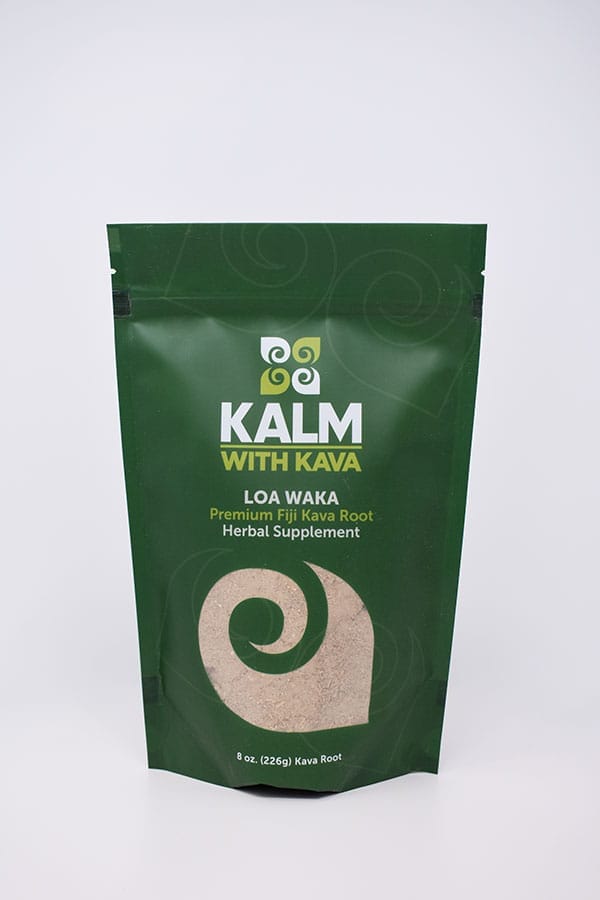
- Want a named single-origin cultivar? Kalm with Kava's Loa Waka (medium grind) is a Fijian lateral-root noble from a 2010-vintage house — strong reputation, though no posted COA either.
- Want a smaller try-size or a Fiji specialist? Tikaram's 8 oz Fiji Waka comes from a dedicated Fijian importer at a friendlier quantity, and Mood & Mind is the cheapest noble entry — but neither posts a COA, chemotype, or kavalactone figure.
At a glance.
| Pick | Origin & grade | Noble? | COA / chemotype disclosed? | Format & price | Check price |
|---|---|---|---|---|---|
| Koa Kava · Vanuatu Waka | Vanuatu · noble, balanced/heavier | Yes — noble | "Every batch tested" claimed; no COA/% posted | Traditional grind · from ~$39.98 | Check price |
| Root of Happiness · Superior Vanuatu (1/2 lb) | Vanuatu · balanced everyday | Yes — noble | Yes — 6.2% kavalactones, 425 chemotype on page | Traditional grind · ~$35 / 1/2 lb | Check price |
| Kalm with Kava · Loa Waka (medium grind) | Fiji · lateral root (waka) | Yes — noble | No public per-batch COA or kavalactone % | Medium grind · ~$38.99 / 8 oz | Check price |
| Tikaram's · Premium Fiji Waka (8 oz) | Fiji · lateral root (waka) | Yes — noble (stated) | We couldn't verify — none published | Traditional grind · 8 oz try-size | Check price |
| Mood & Mind · Premium Noble (1 lb) | Tonga and/or Vanuatu · lateral root | Yes — noble (stated) | We couldn't verify — none published | Traditional grind · value-priced | Check price |
Five Wakacon alternatives, against the original, on the specs that decide a noble powder — verified against our own brand reviews and the brands' materials in June 2026. Wakacon is on the page last, for the case to stick with the pound bag. "We couldn't verify" means the figure isn't published, not that the kava is bad.

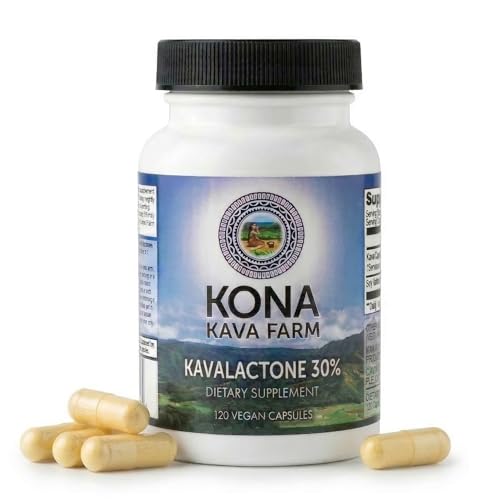
Koa Kava · Vanuatu Waka
Koa Kava
A pure single-origin Vanuatu noble waka with a strong sourcing story — the different-island swap from Wakacon's bright Fijian.
Our verdict: If you want to step off Wakacon's bright Fijian and into a balanced, slightly heavier Vanuatu, Koa Kava's Vanuatu Waka is the swap. It's a pure single-origin noble from a family-run vendor with a genuinely appealing sourcing story, and a deeper, more relaxing profile than a heady Fijian. Like Wakacon, it states testing without posting a COA — so it's a lateral move on documentation, but a real upgrade on origin variety and sourcing detail.
Lab report. Marketed as 100% pure dehydrated noble kava (no fillers, binders, or solvents), grown four to six years before harvest, never tudei; brand states every batch is third-party tested. As of June 2026 we did not find a published COA, named lab, or kavalactone-percentage figure on the public site.
This is the swap for the Wakacon drinker who wants a change of island. Koa Kava's Vanuatu Waka is a pure single-origin noble powder marketed as 100% dehydrated kava — no sugar, fillers, binders, or solvents — grown four to six years before harvest, explicitly noble rather than tudei. Where Wakacon's headline bag is a bright Fijian waka, this leans balanced and a touch heavier: deeper relaxation, a more body-forward Vanuatu profile. Koa Kava is a smaller, family-run operation (founders Toi and Mikkel; Toi is Tongan and runs the kava and cultural side) with a catalog that reads like people who actually drink this.
As a drinking experience it's traditional grind, so the usual homework applies: strainer bag, kneading, an earthy and peppery brew, reverse tolerance on early sessions. The premium pricing — single-origins start around $39.98 for the smallest size — sits above Wakacon's per-pound value, but you're buying a different profile and a smaller commitment. If you've been drinking bright Fijian waka and want to know what a balanced Vanuatu feels like, this is a natural next bag.
Who should buy it.
Buy Koa Kava's Vanuatu Waka if you want to swap Wakacon's bright Fijian for a balanced, heavier Vanuatu, you value a strong single-origin sourcing story, and you'd like a smaller entry than a full pound. If raw price-per-pound is your priority, Wakacon still wins; if published numbers are, see Root of Happiness below.
What we don't like.
No published COA, named lab, or kavalactone percentage as of June 2026 — only a stated "every batch tested" claim, the same documentation gap Wakacon has. Premium pricing above Wakacon's per-pound value, and traditional grind means real straining homework.
- Origin
- Vanuatu — single-origin noble
- Grade
- Noble waka; balanced/heavier profile
- Noble?
- Yes — noble only, grown 4–6 years, not tudei (stated)
- COA / chemotype
- "Every batch tested" claimed; no COA/%/lab published
- Format
- Traditional grind — strain to brew; smaller sizes than a pound
- Price
- From ~$39.98 (smallest size)
What we like.
- Pure single-origin Vanuatu noble — a different island from Wakacon's Fijian
- Strong, specific sourcing story from a family-run vendor
- Balanced/heavier profile for deeper relaxation
- Smaller entry sizes than a full pound
Worth noting.
- No published COA, named lab, or kavalactone % — same gap as Wakacon
- Premium pricing above Wakacon's per-pound value
- Traditional grind — real straining homework

Root of Happiness · Superior Vanuatu Kava Powder (1/2 lb)
Root of Happiness
Prints 6.2% kavalactones and a 425 chemotype on the page — the published numbers Wakacon claims testing for but doesn't post.
Our verdict: If your issue with Wakacon is that its testing is claimed but not posted, this is the fix. Root of Happiness's Superior Vanuatu prints 6.2% total kavalactones and a 425 chemotype right on the page, backed by its own FDA-registered facility and AKA-issued COA. At ~$35 a half-pound the disclosed potency also makes it a strong cost-per-100mg value — and unlike a Wakacon pound, you can actually run the math. A balanced everyday Vanuatu, traditional grind.
Lab report. Discloses a total kavalactone content of 6.2% and a 425 chemotype on the product page; processed in the brand's own FDA-registered cGMP facility and issued a certificate of analysis via the American Kava Association — the strongest published paper trail in our powder coverage.
This is the swap for the buyer who wants the number Wakacon won't post. Root of Happiness Superior Vanuatu carries the two strings our desk hunts for and rarely finds: a stated 6.2% total kavalactone content and a 425 chemotype, printed right on the product page. The 425 leans balanced-everyday — a default daily Vanuatu profile. And Root of Happiness backs that number with infrastructure Wakacon can't claim: its own FDA-registered cGMP facility, root quarantined until tested, and a COA issued via the American Kava Association.
As a drink it's the genuine traditional article: knead the ground root in a strainer bag, work it a few minutes, and drink the earthy, peppery, balanced Vanuatu brew, with the tongue-numbing tingle real root delivers. Reverse tolerance applies. The fair caveat matches every powder: a published percentage is a label figure, not a re-assay of your specific bag, and the brand's recurring community knock is older stock — so buy current and store sealed. You give up Wakacon's bulk pound; you gain the published numbers and a smaller, value-dense half-pound.
Who should buy it.
Buy Superior Vanuatu if the thing missing from Wakacon is published lab numbers — this is the pick that prints a kavalactone percentage and chemotype on the page, and lets you actually compute value. It's also a half-pound, so a smaller commitment than a Wakacon pound. If you want a bright Fijian rather than a balanced Vanuatu, see Kalm or Tikaram's below.
What we don't like.
Traditional grind means the strainer-bag learning curve for first-timers, and the published 6.2% is a label figure rather than a re-assay of your individual bag — so buy current stock. It's also pricier per pound than Wakacon's bulk bag; you're paying for the disclosure.
- Origin
- Vanuatu — noble kava
- Grade
- Balanced everyday profile
- Noble?
- Yes — noble; 6.2% kavalactones, 425 chemotype disclosed
- COA / chemotype
- Yes — printed on the page; COA via American Kava Association
- Format
- Traditional grind — strainer-bag prep
- Price
- ~$35 / 1/2 lb (also sold via Amazon)
What we like.
- Prints kavalactone % (6.2%) and chemotype (425) — the numbers Wakacon doesn't post
- Own FDA-registered cGMP facility; COA via the American Kava Association
- Lets you compute cost per 100 mg — strong value at ~$35 / 1/2 lb
- Half-pound is a smaller commitment than a Wakacon pound
Worth noting.
- Pricier per pound than Wakacon's bulk bag
- Published % is a label figure, not a per-bag re-assay
- Traditional grind — strainer-bag prep for first-timers

Kalm with Kava · Loa Waka (Medium Grind)
Kalm with Kava
A named Fijian lateral-root noble from a 2010-vintage house — the by-name cultivar pick, in a forgiving medium grind.
Our verdict: If you like Wakacon's Fijian waka grade but want it sold by named cultivar from a longer-pedigreed house, Loa Waka is the swap. It's a 100% lateral-root Fijian noble from Kalm with Kava, one of the longest-running US noble houses, in a forgiving medium grind. The documentation is the same caveat as Wakacon — testing claimed, no posted COA — but you gain a named cultivar and a gentler grind, at a half-pound-ish size.
Lab report. 100% noble Fijian lateral-root (waka) cultivar from a house trusted since 2010; brand says its kava is third-party tested for safety, strength, and nobility. We could not find a downloadable per-batch COA or a stated kavalactone percentage — so, like Wakacon, the testing is claimed, not posted.
This is the swap for the buyer who wants the same Fijian waka grade, by name. Kalm with Kava's Loa Waka is a 100% lateral-root Fijian noble waka — the same bright, sociable grade Wakacon sells — but from a house that's marketed dedicated noble kava by named cultivar since 2010. Kalm with Kava sells single-origin root by name rather than a generic bag, and the medium grind is the forgiving middle ground: easier to work than full traditional grind, less powdery than micronized. At about $38.99 for 8 oz it's premium-vendor priced, a smaller commitment than a Wakacon pound.
As a drink it's the genuine article: knead the ground root in a strainer bag, work it a few minutes, and you get the earthy, peppery brew and tongue-numbing tingle, with the brighter, head-forward character Fijian lateral root is prized for — much like Wakacon's, but Kalm markets Loa Waka as a balanced heady-and-heavy. Reverse tolerance applies on early sessions. One logistics note: Kalm has occasional shipping/customs complaints on international parcels, so US buyers are the cleaner fit.
Who should buy it.
Buy Loa Waka if you want Wakacon's Fijian waka grade but sold by named cultivar from a longer-pedigreed house, in a forgiving medium grind and a smaller size. It's the by-name cultivar pick. If you specifically want published lab numbers, this shares Wakacon's gap — pick Root of Happiness instead.
What we don't like.
No downloadable per-batch COA or stated kavalactone percentage we could find — the same "tested but not posted" gap as Wakacon. Premium pricing per ounce above Wakacon's bulk value, and occasional international shipping/customs complaints.
- Origin
- Fiji — noble lateral root (waka)
- Grade
- 100% lateral roots (waka) — bright, balanced heady-and-heavy
- Noble?
- Yes — 100% noble, named Loa Waka cultivar
- COA / chemotype
- Third-party testing claimed; no public per-batch COA or % found
- Format
- Medium grind — strainer-bag prep
- Price
- ~$38.99 / 8 oz (also sold via Amazon/Walmart)
What we like.
- Same Fijian waka grade as Wakacon, but sold by named cultivar
- From one of the longest-running US noble-kava houses (since 2010)
- Forgiving medium grind, smaller half-pound-ish size
- Easy to buy on Amazon
Worth noting.
- No published per-batch COA or kavalactone % — shares Wakacon's gap
- Premium per-ounce pricing above Wakacon's bulk value
- Occasional international shipping/customs complaints
More kava worth comparing
Beyond this guide: the highest-rated kava across every format, kavalactones verified, with a live price check on each.




As an Amazon Associate we may earn from qualifying purchases, at no cost to you. 21+.
Quick shop: every pick.
Skip the scroll: the whole lineup, with a live price check on each.
- Koa Kava · Vanuatu WakaA Different Island — Single-Origin VanuatuKoa Kava · From ~$39.98Check price
- Root of Happiness · Superior Vanuatu Kava Powder (1/2 lb)The Pick With Published Lab NumbersRoot of Happiness · ~$35 / 1/2 lbCheck price
- Kalm with Kava · Loa Waka (Medium Grind)Named Single-Origin Fijian CultivarKalm with Kava · ~$38.99 / 8 ozCheck price
- Tikaram's · Premium Fiji Waka (8 oz)A Smaller Try-Size From a Fiji SpecialistTikaram's · 8 oz — confirm on listingCheck price
- Mood & Mind · Premium Noble Kava Root Powder (1 lb)The Cheapest Noble EntryMood & Mind · 1 lb — value-priced (confirm on listing)Check price
- Wakacon · Fijian Waka (16 oz)If You Want the Bulk Pound — The Honest Case to StayWakacon · $64.99 / 1 lbCheck price
How we chose.
This is a switcher's guide, so we started from the reasons people actually look past Wakacon — not its bulk value, which is real, but the things a pound-only Fijian bag can't do. We re-read our own verified Wakacon review to pin down exactly what it is (one-pound Fijian noble waka, ISO/IEC 17025 batch testing claimed but no posted COA, milder than premium imports, no small try-size) and sorted alternatives by which of those gaps each closes: a different island, published lab numbers, a named cultivar, a smaller try-size, or a Fiji specialist's waka. We never pretended an alternative is cheaper per pound than it is — Wakacon's $64.99 pound is a hard number to beat on raw value.
Every alternative is a noble traditional-grind powder we've independently reviewed, judged on the same five specs as Wakacon: origin, root grade (the bright, heady lateral roots called waka versus the milder crown-root lawena), the noble claim, whether a COA or chemotype is actually published, and value. Root of Happiness is the one pick that posts real numbers (6.2% / 425 chemotype on the page); Kalm and Koa Kava claim testing without posting it; Tikaram's and Mood & Mind stop at a stated noble claim, and we write "we couldn't verify" in those cases rather than inventing a figure. We compute nothing from an extract weight and never estimate a percentage a brand didn't state.
Nobody paid to be in here and we have no relationship with any brand named — Wakacon included. We never fabricate test results or tasting panels, and we describe effects only in the plain experiential terms kava drinkers use. Kava is a centuries-old Pacific social beverage that many adults find relaxing; it is not a treatment for anything, it can cause drowsiness, and anyone on medications, pregnant, or nursing should talk to a doctor first. That's general caution, not medical advice.
Key terms
- Noble kava
- The traditional cultivars Pacific growers raise for everyday, agreeable drinking — smooth and balanced, the opposite of harsh "tudei" kava. Every pick in this guide is sold as noble; the difference is whether the noble claim is documented with a lab certificate or merely stated.
- Waka vs. lawena
- Two root fractions. Waka is the thin lateral roots — brighter, more heady, higher in kavalactones — and Wakacon's whole identity. Lawena is the crown root — milder and smoother. Kalm's Loa Waka, Koa Kava's Vanuatu Waka, and Tikaram's Fiji Waka are all waka grade.
- Chemotype
- The rank order of the six major kavalactones, written as a six-digit string (e.g. 425), that predicts whether a kava drinks heady (cerebral) or heavy (sedating). Root of Happiness prints it on the page; Wakacon and the other alternatives don't publish one.
- ISO/IEC 17025
- An international accreditation standard for testing labs. Wakacon names it in its claim that every batch is tested at an accredited US lab — a real posture, but it stops short of posting the resulting COA or a kavalactone percentage.
- Reverse tolerance
- Kava's well-known quirk: first sessions often feel mild, with the effect arriving more clearly on the second or third try. Worth knowing before you judge any new noble powder on a single bowl — and a reason a full pound is a steep first buy.
Questions, answered
Why look for a Wakacon alternative?
Usually for one of four reasons, none of which is that Wakacon is bad. You want the kavalactone number actually posted (Wakacon claims ISO-lab testing but doesn't publish a COA or percentage). You want a different island — a balanced Vanuatu instead of Wakacon's bright Fijian. You want a smaller bag to try before committing to a full pound. Or you want a vendor that specializes even harder in Fijian waka. What you generally won't find is a cheaper pound: Wakacon's $64.99 bulk bag is hard to beat on raw value, so if price-per-pound is your only metric, you may already own the right bag.
Which Wakacon alternative is the most transparent?
Root of Happiness, clearly — it's the one pick here that posts real numbers, printing 6.2% total kavalactones and a 425 chemotype on the Superior Vanuatu page and running its own FDA-registered facility with COAs via the American Kava Association. That's the published documentation Wakacon claims testing for but doesn't post. Among the rest, Kalm sells named cultivars and Koa Kava has a strong sourcing story, but neither publishes a per-batch COA; Tikaram's and Mood & Mind stop at a stated noble claim. If transparency is the reason you're leaving Wakacon, buy Root of Happiness.
Which is the best value?
It depends on what you're optimizing. For lowest cost per pound, Wakacon's own $64.99 bag is hard to beat, and Mood & Mind sometimes undercuts it (with thinner documentation). But per milligram of active compound, Root of Happiness's Superior Vanuatu is the best provable value: at ~$35 for a half-pound at a disclosed 6.2%, you can actually compute cost per 100 mg — arithmetic Wakacon's unposted pound doesn't let you do. So the cheapest sticker is Wakacon or Mood & Mind; the best provable value per milligram is Root of Happiness.
Are these alternatives noble kava, not tudei?
Every pick in this guide is sold as noble — the traditional, smoother, everyday cultivars, not harsh tudei. The difference is documentation: Root of Happiness backs noble status with a published chemotype and percentage; Wakacon leans on the geography argument that Fiji doesn't cultivate tudei plus its ISO-lab claim; Koa Kava specifies 4–6-year noble root; Kalm, Tikaram's, and Mood & Mind state noble on the listing. None except Root of Happiness posts the lab sheet that would document it.
Can I buy a smaller size than a full pound?
Yes — that's one of the main reasons to consider an alternative. Wakacon is pounds-only, which is a steep first buy if you're not sure traditional-grind Fijian waka is your thing. Tikaram's Premium Fiji Waka comes in an 8 oz size from a dedicated Fijian specialist, Root of Happiness's Superior Vanuatu is a half-pound, and Koa Kava sells single-origins in smaller starting sizes. Each "Check price on Amazon" link goes to the current listing; confirm the size and price before ordering.
Is Wakacon still worth it?
Yes, if bulk value and the Amazon channel are your priorities — which for volume drinkers, they are. Wakacon is the established noble pound on that shelf, with a decade of consistent track record, a named ISO/IEC 17025 testing claim, and a price per pound that's hard to beat. The only reasons to switch are the four this guide is built on: you want the kavalactone number posted, a different island, a named cultivar, or a smaller try-size. If none of those is your reason, you already have the right bag.
Do all of these require straining?
Yes — every pick here, Wakacon included, is a traditional-grind noble root, so you'll knead the ground root in a strainer bag, work it a few minutes, wring out the fibrous makas, and drink the cloudy result. Kalm's medium grind is the most forgiving for newer brewers. If you'd rather skip the strainer bag entirely, that's a different format — an instant or micronized kava — and not what this guide covers.
Keep reading.
Wakacon Review
The full verdict on the bulk Fijian value play — its ISO-lab testing claim, the missing COA, and the per-pound math.
Wakacon vs. Koa Kava
The bulk Amazon pound against the family-run single-origin specialist — value and channel versus sourcing detail.
The Best Noble Kava (2026)
The whole noble-powder field ranked on the checklist this guide uses: origin, grade, noble status, and published numbers.