Our Pick: TAHA
Check PriceTAHA Kava Review (2026): The Kava-Bar Can That Prints a Number
TAHA is a Maui-made sparkling kava from the husband-and-wife owners of the Haleakava kava bar — and it leads with the boldest stated kava load in a can: 800 mg per can, noble Tongan root, sugar-free. We ran this up-and-coming newcomer through our transparency check. Here's the honest verdict, including the one number it still won't print.
By The Kava Review DeskUpdated 2026-06-17~7 min read Ranked by the lab reportHow we researchOfficial site ↗
Most canned kava is built by beverage people who discovered kava. TAHA is the rarer thing: a can built by kava people who decided to learn beverages. It comes from Kaitlin and Aaron Diaz, the husband-and-wife team behind Haleakava, a kava bar they opened in Kihei, Maui in October 2020 — no investors, no loans, the shells poured by the people whose name is on the door. When a kava-bar family cans their own drink, the questions we ask change a little. We still want the paperwork. But we also pay attention to whether the product tastes and behaves like it was made by someone who actually drinks kava every day, because that's the rarer credential on this shelf.
TAHA's pitch is a number, and it's a big one: "the first Kava Beverage of its kind with 800 mg of Kava per can." That is the boldest stated kava load in canned kava, and it's printed plainly rather than buried — exactly the disclosing instinct we reward. But read it carefully, because we did: 800 mg is the weight of kava root material, not a kavalactone count, and those are different measurements. It's a real, useful disclosure that tells you this is a serious pour, not a token splash — but it isn't the milligram-of-kavalactones figure that lets us rank cans head-to-head on potency. We'll hold both truths at once below: TAHA discloses more than most, and still not the one number that would settle every argument.
This review is independent and unpaid. Kava Review has no affiliate relationship with TAHA at publication — we earn no commission if you buy, and nobody at the company saw a word of this before it went up. We verified everything below in June 2026 against TAHA's own materials, the Farm Link Hawaiʻi producer page, retail and press coverage, and the brand's social posts: the 800 mg claim, the noble Tongan sourcing, the flavors, the sugar-free 15-calorie format, and the pricing. The usual ground rules apply throughout: kava is for adults, it can cause drowsiness, don't drive after a can, don't mix it with alcohol, and if you take medications or are pregnant, talk to your doctor first. None of this is medical advice.
The short version
- TAHA is a genuine up-and-coming pure-kava can: a sparkling 12 oz alcohol-free kava drink made on Maui by the owners of the Haleakava kava bar in Kihei — not a hemp drink, and no kratom.
- It prints the boldest stated kava load in the category — 800 mg of kava per can — and names a real origin and cultivar: noble Tongan kava root. On origin and noble status it clears our bar cleanly.
- The catch: 800 mg is kava-root weight, not a kavalactone milligram count. TAHA discloses more than most cans, but still not the one figure (kavalactones) that lets us price it per milligram against disclosed rivals.
- It's genuinely sugar-free and low-calorie — 15 calories a can — with island flavors (Pineapple, Lilikoi, Dragon Fruit, Mango Hibiscus) built by people who run a kava bar.
- No public COA. We found no certificate of analysis or third-party lab results posted, which keeps it one document short of the top of our transparency ladder.
- Verified value: roughly $4.50 a can in a 20-can pack, and it has started landing in Hawaii grocery (spotted at Foodland) — strong real-world value for an 800 mg pour, with mainland shipping available DTC.
At a glance
| Spec | What TAHA states | Our read | Check price |
|---|---|---|---|
| Kava per can | 800 mg kava (noble Tongan root) | Boldest stated kava load in canned kava — but root weight, not kavalactones | Check Price |
| Origin & cultivar | Noble Tongan kava root | Named country + noble status — clears our origin bar cleanly | |
| Format | 12 oz sparkling, alcohol-free, sugar-free, 15 calories | A genuine zero-sugar, low-calorie adult-seltzer profile | |
| Flavors | Pineapple, Lilikoi, Dragon Fruit, Mango Hibiscus | Island-forward range built by working kava-bar owners | |
| Price | ~$4.50/can in a 20-can pack ($90); ~2-for-$7 at Foodland | Strong real-world value for an 800 mg pour | |
| COA | None published we could find | The missing document — one rung short of our top tier |
The TAHA range at a glance — format, the disclosed kava load, and value verified June 2026. Note the distinction we draw throughout: 800 mg is kava-root weight, not a kavalactone count, so it isn't directly comparable to a disclosed-kavalactone can.
TAHA Sparkling Kava
TAHA
800 mg of noble Tongan kava per can, sugar-free, made by an actual kava-bar family on Maui.
Our verdict: TAHA is the rare can made by people who run a kava bar, and it shows in the two things they got right: a genuinely generous, plainly stated 800 mg pour of noble Tongan kava, and a clean sugar-free recipe with island flavors that taste considered rather than focus-grouped. It clears our origin and noble-cultivar bar cleanly. What keeps it from a top recommendation is the same gap that dings most of the category — no kavalactone number and no posted COA — so we rate it a confident "worth a look," especially if you want the strongest stated pour on the shelf and live where you can grab it at the store.
Lab report: Discloses 800 mg of noble Tongan kava per can — the boldest stated kava load in canned kava, with a named origin and cultivar. But that's root weight, not a kavalactone count, and no public COA is posted.
This is a can with a credential most of the shelf can't claim: it was made by people who pour kava for a living. TAHA Sparkling Kava comes from Kaitlin and Aaron Diaz, the couple behind Haleakava, the kava bar they opened in Kihei, Maui in October 2020. They built the bar with no outside money, weathered the loss of their Lahaina location in the August 2023 fire, and then did the thing kava-bar owners almost never do — they canned their own drink. The result leads with a number you can't miss: 800 mg of kava per can, from noble Tongan root, marketed as "the first Kava Beverage of its kind" to put that much kava in a single can. On our two easiest tests — name your origin, name your cultivar — TAHA passes without hedging.
As a drink it behaves like its makers know the plant. The recipe is sugar-free at 15 calories a can, sparkling, alcohol-free, and flavored island-forward — Pineapple, Lilikoi (passion fruit), Dragon Fruit, and Mango Hibiscus — the kind of profiles a Maui kava bar actually serves rather than a beverage committee's idea of "tropical." Expect kava's signature brief tongue-tingle and a settled, social ease; and remember kava's reverse tolerance, where the first can or two often whisper before the effect speaks up, so judge TAHA across a few servings rather than one. The value is a quiet strength: about $4.50 a can in a 20-pack, and the cans have started appearing in Hawaii grocery (we've seen them at Foodland on a two-for-$7 special), with mainland shipping available direct.
Who should buy it
Buy TAHA if you want the biggest plainly-stated kava pour in a can and you value a real origin story — noble Tongan kava, canned by an actual Maui kava-bar family — over the polish of a venture-backed label. It's an especially good buy if you live where you can grab it at the store, where the per-can value is excellent, and it's a natural pick for kava-bar regulars who want something closer to a real shell's heft than a light seltzer delivers.
What we don't like
The headline 800 mg is kava-root weight, not a kavalactone count, so as generous as it is, it doesn't let you compare TAHA's strength to a disclosed-kavalactone can — and there's no public COA to verify the chemotype, the kavalactone content, or the contaminant screen. Distribution is still Hawaii-centric and growing, so mainland buyers lean on DTC shipping, and the catalog is young: a handful of flavors and limited independent review history so far.
- Kava per can
- 800 mg noble Tongan kava root (root weight, not a kavalactone count)
- Origin
- Noble Tongan kava — named country and cultivar
- Format
- 12 oz sparkling, alcohol-free, sugar-free, 15 calories
- Flavors
- Pineapple, Lilikoi, Dragon Fruit, Mango Hibiscus
- Verified value
- ~$4.50/can in a 20-can pack ($90); ~2-for-$7 seen at Foodland
- Makers
- Kaitlin & Aaron Diaz — owners of Haleakava Kava Bar, Kihei, Maui
What we like
- Boldest stated kava load in a can — 800 mg, printed plainly
- Names a real origin and cultivar: noble Tongan kava root
- Genuinely sugar-free at 15 calories, with considered island flavors
- Made by working kava-bar owners; strong per-can value (~$4.50 in a 20-pack)
Worth noting
- 800 mg is root weight, not a kavalactone count — no per-milligram strength comparison
- No public COA to verify chemotype, kavalactone content, or contaminants
- Distribution still Hawaii-centric; young catalog with limited review history
More kava worth comparing
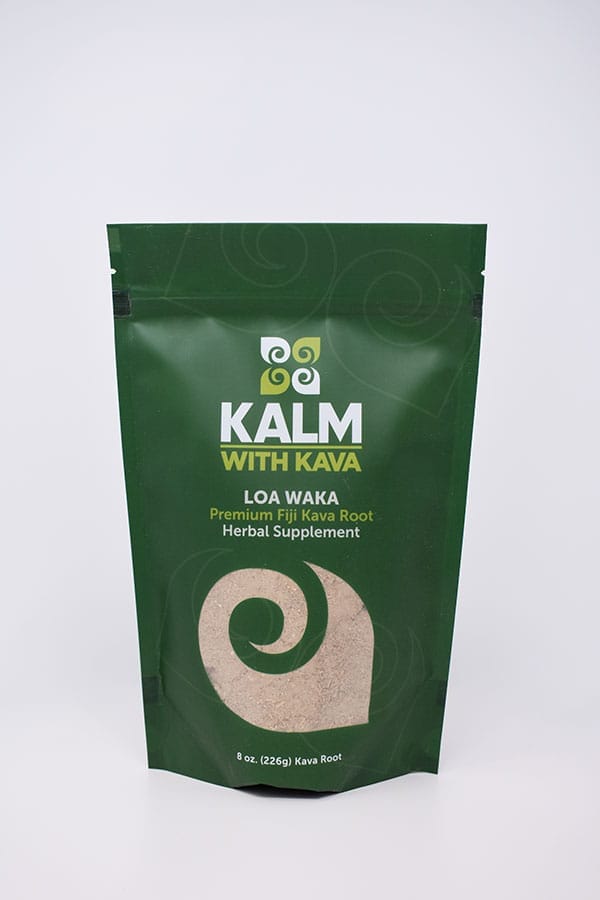
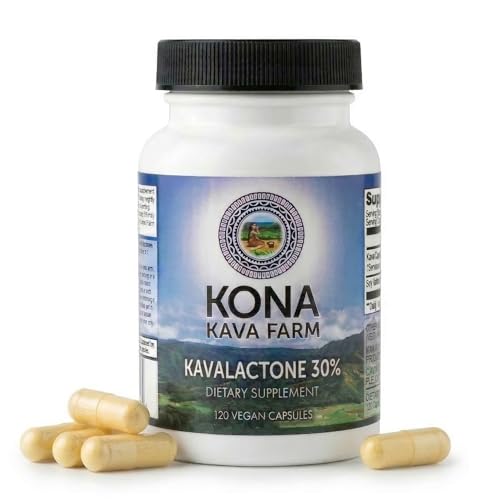
Beyond this guide: the highest-rated kava across every format, kavalactones verified, with a live price check on each.




As an Amazon Associate we may earn from qualifying purchases, at no cost to you. 21+.
How we chose
We judge a canned kava brand on its paper trail first. The single figure we care about most is the disclosed kavalactone milligram count per can — the kava equivalent of ABV, the number that makes honest potency and value comparison possible — followed by a named origin and cultivar, and a published certificate of analysis. For TAHA we read the brand's own product and about materials, the Farm Link Hawaiʻi producer page, retail and press coverage, and the company's social posts, specifically hunting for a kavalactone figure, a COA, and an origin claim. We report what we found and, just as carefully, what we didn't.
Here's the distinction that governs this whole review: TAHA discloses 800 mg of kava per can, and that is a real, above-average disclosure — most cans tell you nothing about how much kava is in them. But "800 mg of kava" is the weight of root material, and a kava drink's strength is carried by its kavalactones, whose concentration in that 800 mg TAHA does not state. So we credit TAHA fully for printing a generous, specific load and naming noble Tongan kava as its source — and we still can't compute our signature cost-per-100-mg-kavalactones metric for it, the way we can for a can that prints 100 mg of kavalactones. We do not invent a kavalactone number TAHA declined to publish.
We also verified the catalog and the value: the 12 oz sparkling format, the sugar-free 15-calorie profile, the island flavors, and the live pricing — roughly $4.50 a can in a 20-can pack, with the cans turning up in Hawaii grocery. What we never do is make health claims. Kava is a centuries-old Pacific social drink that many adults find relaxing; it is not a treatment for anything, it can cause drowsiness, and anyone on medications should check with a doctor first. General caution, not medical advice — and this review is not sponsored.
Key terms
- Kavalactones
- The active compounds in kava root and the functional point of any kava drink. A disclosed kavalactone milligram count is to kava what ABV is to beer — the number that makes honest comparison and dosing possible. TAHA discloses kava-root weight (800 mg) but not its kavalactone content.
- Kava-root weight vs. kavalactone count
- "800 mg of kava" is the weight of root material in the can — a real, useful disclosure, and TAHA's is the boldest on the shelf. "100 mg of kavalactones" is the active-compound dose. They're different measurements; only the kavalactone figure supports a head-to-head potency or value ranking, which is why we can't price TAHA per milligram.
- Noble kava
- The traditional cultivars Pacific growers raise for everyday drinking, prized for a smooth, agreeable effect — the opposite of harsher "tudei" kava. TAHA names noble Tongan kava as its source, which clears our origin-and-cultivar bar cleanly; quality vendors back that claim with a COA, which TAHA doesn't yet post.
- COA (Certificate of Analysis)
- A lab document reporting what's actually in a batch — for kava, the chemotype, total kavalactone content, and contaminant screen. The trust ladder runs: posted publicly (best), available on request (acceptable), "trust us" with nothing posted (a claim). TAHA publishes no COA we could find.
- Reverse tolerance
- Kava's quirk where the first session or two often feel mild, with the effect arriving more clearly on later tries. Judge TAHA across a few cans, not on can one.
Questions, answered
Is TAHA a real kava drink, and is it any good?
Yes — TAHA is a real, currently-operating pure-kava brand: a 12 oz sparkling, alcohol-free canned kava made on Maui by Kaitlin and Aaron Diaz, the husband-and-wife owners of the Haleakava kava bar in Kihei. It contains kava (no kratom), uses noble Tongan root, and is sold DTC and in Hawaii grocery. As for good: it does two things we like — it states the boldest kava load in a can (800 mg) and names its origin and cultivar — and it skips artificial sweeteners. What holds it back from a top recommendation is the lack of a kavalactone number and a published COA.
How much kava is in a can of TAHA, and is 800 mg the kavalactone amount?
TAHA discloses 800 mg of kava per can — marketed as the first kava beverage to put that much kava in a single can — sourced from noble Tongan root. Important distinction: that 800 mg is the weight of kava root material, not a kavalactone milligram count. A kava drink's strength comes from its kavalactones, and TAHA doesn't publish how many milligrams of kavalactones are in that 800 mg. So 800 mg tells you this is a generous pour, but it isn't directly comparable to a can like MELO that prints 100 mg of kavalactones.
Where does TAHA's kava come from, and is it noble?
TAHA states it uses noble Tongan kava root — both a named country of origin (Tonga) and a named quality tier (noble cultivars, the traditional everyday-drinking strains). That's more origin transparency than most canned kava offers, and it clears the origin-and-cultivar part of our transparency check cleanly. What's still missing is a published certificate of analysis to verify the chemotype and kavalactone content behind the claim.
Does TAHA publish a COA or lab test?
Not that we could find. TAHA names its origin and cultivar and prints a bold kava load, but we located no certificate of analysis or third-party lab results posted publicly. A COA is the document that would verify the kava's chemotype, its actual kavalactone content, and its contaminant screen — and posting one is the single step that would move TAHA from "worth a look" toward the top of our transparency ladder.
What does TAHA cost and where can I buy it?
Verified in June 2026: TAHA runs roughly $4.50 a can in a 20-can pack ($90), strong value for an 800 mg pour. It's sold direct from the brand with mainland shipping, and it has begun appearing in Hawaii grocery — we've seen it at Foodland on a two-for-$7 special. Distribution is still Hawaii-centric and growing, so mainland buyers mostly rely on direct shipping for now.
How does TAHA compare to MELO or DaHonu Life?
On origin, TAHA beats both — it names noble Tongan kava, where DaHonu Life offers only a vague "South Pacific." On potency disclosure it sits in the middle: TAHA prints a bold kava-root weight (800 mg) but no kavalactone count, while MELO prints an actual 100 mg of kavalactones, which is the figure that supports a true head-to-head. On recipe, TAHA is genuinely sugar-free without the artificial sweeteners DaHonu Life uses. If you want a verifiable per-milligram comparison, MELO leads; if you want the biggest stated pour and a real kava-bar origin, TAHA is the more interesting can.
Is TAHA safe to drink?
Kava has been consumed socially across the Pacific for centuries, and TAHA is an alcohol-free, sugar-free kava seltzer for adults made from noble cultivars. For most adults that's a mild, mellow experience. But we're reviewers, not doctors: kava can cause drowsiness, so don't drive after a can; don't mix it with alcohol; skip it during pregnancy or nursing; and if you take medications or have liver concerns, talk with your doctor first. The 800 mg pour is generous, so go slow your first time. This is general caution, not medical advice.
Is this review sponsored by TAHA?
No. Kava Review has no affiliate relationship with TAHA at publication — we earn no commission if you buy, and the company did not review or approve this article. We verified every fact against TAHA's own materials, the Farm Link Hawaiʻi producer page, retail and press coverage, and the brand's social posts in June 2026, and our verdict reflects the Kava Review transparency standard, not a paid placement.
Keep reading
The Best Kava Drinks (2026)
The canned-kava roundup, priced per 100 mg of disclosed kavalactones — and where the no-number cans land.
What Are Kavalactones?
Why kavalactone milligrams — not kava-root weight — are the number that actually measures a kava drink's strength.
Is Kava Safe?
The honest, non-medical rundown on noble kava, drowsiness, and the cautions worth taking seriously.
Best Kava Brands
The brands that clear our transparency bar — disclosed potency, published COAs, named origins.