Our pick. MaryRuth's
Check priceMaryRuth's Kava Review (2026): The Organic Kava-Plus-Blend, Honestly
MaryRuth's Calming Kava is a USDA Organic, alcohol-free liquid that does something most kava products don't: it blends kava root with seven calming companion herbs. That makes it clean, gentle, and easy to take — but it also means kava is one of eight botanicals, not the whole story. We ran it through our transparency check and weighed what the organic, blended approach is worth, and where it leaves a kava drinker wanting more. Here's the verdict, with the receipts.
By The Kava Review DeskUpdated 2026-06-27~9 min readRanked by the lab reportHow we researchOfficial site ↗
Most of the kava we review is sold by people who think about one plant all day — a Pacific kava bar's webstore, a single-origin importer, a brand whose entire identity is Piper methysticum. MaryRuth's is a different kind of company. It's a large, well-known organic supplement brand with a broad catalog of liquid drops, gummies, and multivitamins, and its Calming Kava is a clinical-feeling wellness product, not a kava enthusiast's powder. That framing is the whole point of this review: when you buy MaryRuth's kava, you're buying an organic herbal blend from a mainstream supplement house — and that comes with a real, specific upside and an equally specific limit.
The upside first, because it's genuine. The product is MaryRuth's Organic Calming Kava Liquid Drops — a USDA Organic, alcohol-free glycerite in a 1 oz dropper bottle, Non-GMO, vegan, sugar-free, and Clean Label Project verified. It's an easy, no-prep format: a dropperful under the tongue or in water, no straining, no fuss, with a clean ingredient panel and an organic glycerin base instead of the alcohol many tinctures use. For someone who wants a gentle, organic, grab-and-go calming product and doesn't want to brew anything, that's a legitimately appealing package — and the certifications behind it are real.
Now the catch, which is the story of this review: this is not pure kava. MaryRuth's Calming Kava is a kava-PLUS-seven-herbs blend — the verified formula pairs kava root with California poppy, hops, skullcap, passionflower, schisandra, anise, and licorice. Kava is one of eight botanicals in the bottle. That makes the product milder and harder to attribute — you can't say a given effect came from kava when seven other calming herbs are along for the ride — and it means the kava-specific disclosures a kava drinker most wants (is it noble or tudei, which cultivar, what chemotype, how many kavalactones, and a per-batch kava lab sheet) are not published, as of June 2026. This review is independent and unpaid: Kava Review has no affiliate relationship with MaryRuth's, we earn no commission if you buy, and nobody there reviewed this first. We verified every fact below against the Amazon listing and MaryRuth's product pages in June 2026. The ground rules apply throughout: kava is for adults 21+, it can cause drowsiness, don't drive after taking it, don't combine it with alcohol, effects vary, and none of this is medical advice.
The short version.
- MaryRuth's Calming Kava is NOT a pure-kava product — it's a USDA Organic, alcohol-free liquid that blends kava root with SEVEN companion herbs (California poppy, hops, skullcap, passionflower, schisandra, anise, licorice). Kava is one of eight botanicals in the bottle.
- The real strengths are credibility signals a kava specialist often skips: USDA Organic certification, an alcohol-free organic-glycerin base, Clean Label Project verification, Non-GMO, vegan, and a clean, no-prep dropper format. For a mainstream organic supplement, that's a strong trust package.
- Because it's a blend, the experience is milder and harder to attribute to kava specifically — with seven other calming herbs present, you can't isolate what kava is doing. That's the trade for the gentle, broad-spectrum approach.
- The kava-specific transparency gap that keeps it out of our top kava tier: kava origin/country, noble vs. tudei, cultivar, chemotype, total kavalactone %, and a kava-specific per-batch COA are all NOT specified, as of June 2026. Clean Label Project verifies contaminant/label transparency — it is NOT a kava cultivar or kavalactone disclosure.
- Format is a 1 oz alcohol-free glycerite (~30-day supply; ~1180 mg/serving; up to 30 drops 1–3x daily). Easy to take, no straining. It's labeled ages 14+ by the brand; we still apply our 21+ house standard. Don't mix with alcohol; effects vary; not medical advice.
- Verdict: a clean, organic, beginner-friendly calming blend from a trusted supplement brand — a sensible pick if you want gentle and no-prep and don't need kava receipts — but if you specifically want noble kava with a stated cultivar and a lab sheet, a kava specialist's single-herb product is the better buy.
At a glance.
| Product | Pure kava? | Kava disclosures | Format & certifications | Check price |
|---|---|---|---|---|
| MaryRuth's Organic Calming Kava Liquid Drops | No — kava + 7 companion herbs (8 botanicals) | Noble/tudei, cultivar, chemotype, kavalactone % & kava COA NOT specified | Alcohol-free organic glycerite, 1 oz · USDA Organic, Clean Label Project, Non-GMO, vegan | Check price |
| A kava-specialist single-herb product (e.g. Happy Kava Borogu) | Yes — single-origin kava only | Often states noble status, named cultivar, and sometimes a chemotype/kavalactone band | Traditional powder or pure extract · kava-first, not always organic-certified | |
| A no-name marketplace kava blend (for scale) | Usually a blend, undisclosed ratios | Usually nothing — no origin, no noble claim, no testing | Mixed formats · few or no certifications |
MaryRuth's Calming Kava at a glance, and how an organic kava-PLUS-blend sits against a kava specialist's single-herb product — figures verified June 2026. A multi-herb glycerite carries no kava-specific potency disclosure, so we compare on what each approach actually tells you. Price is a feel, not a hard number; retail moves.

MaryRuth's Organic Calming Kava Liquid Drops (Kava Root + 7 Herbs)
MaryRuth's
A clean, USDA Organic, alcohol-free calming blend — easy and no-prep — but kava is one of eight herbs, not the whole story.
Our verdict: MaryRuth's Calming Kava is the clean, organic, grab-and-go end of the kava spectrum: a USDA Organic, alcohol-free glycerite you dose by the dropperful, no straining, with real certifications behind it. The honest catch is twofold — it's a kava-PLUS-seven-herbs blend, so you can't attribute the calm to kava specifically, and as of June 2026 there's no kava origin, noble claim, cultivar, chemotype, kavalactone figure, or kava COA published. A sensible pick if you want gentle and no-prep; a kava specialist is the better buy if you want kava receipts.
Lab report. Verified certifications: USDA Organic, Clean Label Project verified, Non-GMO, vegan, alcohol-free, sugar-free, gluten-free, GMP-facility made. That's a strong, real trust package for an organic supplement. What we did NOT find, as of June 2026: the kava's origin/country, a noble-vs-tudei designation, a named cultivar, a chemotype, a total kavalactone percentage, or a kava-specific per-batch certificate of analysis. Clean Label Project verifies contaminant/label transparency — it is not a kava cultivar or kavalactone disclosure.
This is kava the way a mainstream organic supplement brand sells it, and that's both the appeal and the limit. MaryRuth's Organic Calming Kava Liquid Drops is a USDA Organic, alcohol-free glycerite in a 1 oz dropper bottle — Non-GMO, vegan, sugar-free, and Clean Label Project verified. MaryRuth's isn't a kava house; it's a popular organic supplement brand with a wide catalog, and this is a clinical-feeling calming product rather than a kava enthusiast's powder. The buyer's case is clean and simple: an organic, no-prep, alcohol-free way to take a calming blend, from a brand with certifications most kava specialists never bother to earn.
Now the kava-specific caveat a kava drinker actually feels. The questions that matter most for kava — is this noble or tudei, which cultivar, what chemotype, how many kavalactones, and where's the kava lab sheet — are not answered on MaryRuth's listing, as of June 2026. Neither is the kava's country of origin. The Clean Label Project verification is real and worth credit, but it's a contaminant-and-label-transparency check, not a disclosure that this is noble kava of a named cultivar with a stated kavalactone band. So you're buying genuine organic-supplement assurance about cleanliness, paired with near-total silence on the kava-specialist details — which is exactly the trade you accept when you choose a mainstream blend over a single-herb specialist.
As an experience, judge it as the format it is. This is a low-dose, no-prep glycerite — a dropperful (the label suggests up to 30 drops, one to three times a day) under the tongue or in water, with no kneading, straining, or fibrous makas. That convenience is the headline benefit, and the alcohol-free organic-glycerin base is a real plus if you avoid alcohol tinctures. The flip side: drinkers used to a full kava brew will likely find it subtle, because it's a blended, low-dose product by design, not a strong single-origin pour. If you want gentle, clean, and organic, that's a feature; if you want the full kava experience with receipts, you'll want a specialist. Our guide to how to read a kava COA walks through precisely the kava disclosures this listing leaves out.
Who should buy it.
Buy MaryRuth's Calming Kava if you want a clean, USDA Organic, alcohol-free calming product that's effortless to take and you're happy for kava to be one ingredient in a gentle herbal blend — the organic-label shopper, the alcohol-avoider who doesn't want a traditional tincture, the beginner who wants something mild and no-prep over a fibrous powder, and anyone who values certifications and a disclosed ingredient panel over kava-specialist provenance. It's a sensible, trustworthy, low-effort organic pick.
What we don't like.
For a kava drinker, the structure is the story: this is kava plus seven other herbs, so you can't attribute the experience to kava, and it's milder and lower-dose than a traditional brew. And the kava-specific receipts are missing — as of June 2026 there's no stated origin, no noble-vs-tudei designation, no named cultivar, no chemotype, no total kavalactone figure, and no kava-specific per-batch COA (Clean Label Project verification is about contaminants and label accuracy, not kava cultivar or potency). Drinkers seeking a strong, single-origin kava experience will find this too subtle and too blended. The brand also labels it ages 14+, below our 21+ standard.
- Form
- Alcohol-free liquid glycerite (drops) — organic glycerin + purified water base
- Kava content
- Kava kava (Piper methysticum) root — one of 8 botanicals (kava + 7 companion herbs)
- Blend herbs
- California poppy, hops, skullcap, passionflower, schisandra, anise, licorice
- Noble vs. tudei
- Not specified, as of June 2026
- Cultivar / chemotype / kavalactone %
- Not specified, as of June 2026
- Kava origin
- Not specified, as of June 2026
- Testing
- Clean Label Project verified (contaminant/label transparency) — no kava-specific per-batch COA found
- Certifications
- USDA Organic, Non-GMO, vegan, alcohol-free, sugar-free, gluten-free, GMP-facility made
- Size / dose
- 1 oz / ~30-day supply; up to 30 drops (1 mL) 1–3x daily; ~1180 mg per serving; labeled ages 14+ by the brand
What we like.
- USDA Organic, Clean Label Project verified, Non-GMO, vegan — a strong certification package
- Alcohol-free organic-glycerin base and a clean, fully disclosed ingredient panel
- Effortless, no-prep dropper format — no straining, easy to take under the tongue or in water
- Value-priced organic calming blend from a trusted, widely available supplement brand
Worth noting.
- Not pure kava — kava is one of 8 botanicals, so the experience can't be attributed to kava
- Milder and lower-dose by design; full-brew drinkers will likely find it too subtle
- Kava origin, noble-vs-tudei, cultivar, chemotype, kavalactone % and a kava COA all not specified (June 2026)
- Clean Label Project verifies contaminants/labeling — it is not a kava cultivar or potency disclosure; labeled ages 14+
More kava worth comparing
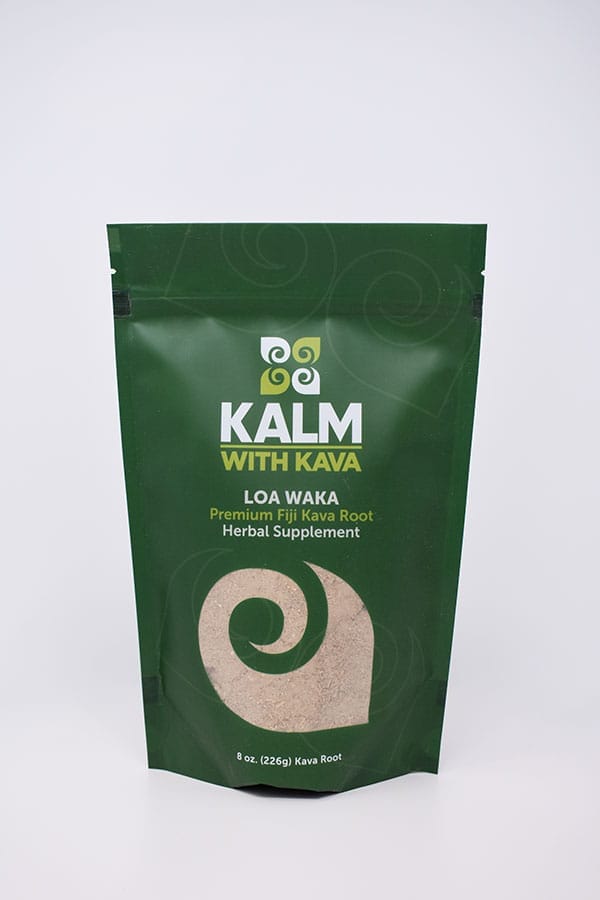
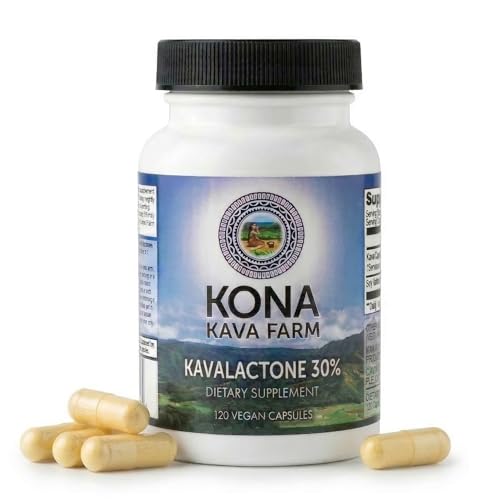
Beyond this guide: the highest-rated kava across every format, kavalactones verified, with a live price check on each.




As an Amazon Associate we may earn from qualifying purchases, at no cost to you. 21+.
How we chose.
We judge MaryRuth's on two separate axes, because it is strong on one and quiet on the other. Axis one is product credibility and cleanliness — is this a trustworthy, well-made supplement? Here MaryRuth's does well: we verified the USDA Organic certification, the alcohol-free organic-glycerin base, Clean Label Project verification, Non-GMO and vegan status, and a clean, fully disclosed ingredient panel made in a GMP facility. For a mainstream organic supplement, that's a strong trust package, and the alcohol-free format is a genuine, practical plus over alcohol tinctures.
Axis two is the kava-specific disclosure a kava drinker actually cares about, and this is where we mark the gap rather than paper over it. First, this is structurally a blend, not pure kava: we confirmed the verified formula pairs kava root with seven companion herbs (California poppy, hops, skullcap, passionflower, schisandra, anise, licorice), so kava is one of eight botanicals and the experience cannot be attributed to kava alone. Second, as of June 2026, the listing does not state the kava's origin or country, does not say whether it's noble or tudei, names no cultivar or chemotype, gives no total kavalactone percentage, and we found no kava-specific per-batch certificate of analysis. We are careful here: Clean Label Project verification is a real contaminant-and-label-transparency check, but it is not a kava cultivar, chemotype, or kavalactone disclosure, and we do not present it as one. Where MaryRuth's is silent on a kava-specific fact, we write 'not specified, as of June 2026' and leave it there — we invent nothing.
Finally we assess it in plain experiential terms as the format it is — a gentle, organic, no-prep calming blend — and we never make health claims. Kava is a centuries-old Pacific social drink that many adults find relaxing; this is a multi-herb glycerite, not a treatment for anything. Because it's a low-dose blend, drinkers used to a full kava brew may find it subtle, and that's by design. It can cause drowsiness, you shouldn't drive after taking it, you should never combine it with alcohol, and effects vary person to person. The brand labels it ages 14+; we apply our own 21+ standard editorially and recommend anyone on medications or who is pregnant check with a doctor first. General caution, not medical advice — and this review is not sponsored.
Key terms
- Glycerite (alcohol-free liquid extract)
- A herbal extract made in vegetable glycerin and water rather than alcohol. MaryRuth's Calming Kava is an organic glycerite — sweeter and gentler than an alcohol tincture, and a genuine plus for anyone who avoids alcohol. It's a delivery format, not a quality or potency claim.
- Kava-plus-blend (multi-herb formula)
- A product that combines kava with other calming botanicals rather than selling kava alone. MaryRuth's pairs kava root with seven companion herbs. The upside is a gentle, broad-spectrum profile; the limit is that you can't attribute the effect to kava or judge the kava on cultivar, chemotype, or strength.
- Clean Label Project verified
- A third-party certification focused on testing for contaminants (heavy metals, pesticides) and confirming label accuracy. It's a real contaminant-and-transparency signal — but it verifies cleanliness and honest labeling, not whether the kava is a noble cultivar of a stated chemotype. We credit it accurately and don't treat it as a kava lab sheet.
- Noble vs. tudei kava
- The most important quality split for a kava drinker. Noble cultivars are the traditional Pacific everyday-drinking kavas, prized for a smoother effect; tudei ('two-day') kava is the harsher type the industry steers away from. MaryRuth's does not specify which its kava is, as of June 2026 — common for a multi-herb blend, but worth knowing.
- Kava-specific COA
- A lab document tied to the kava in the bottle, reporting its cultivar/chemotype, total kavalactone percentage, and a contaminant screen. A blend's contaminant testing (or a Clean Label Project verification) is not the same thing. We did not find a kava-specific per-batch COA for MaryRuth's Calming Kava, as of June 2026.
Questions, answered
Is MaryRuth's Calming Kava pure kava, or is it a blend?
It's a blend. MaryRuth's Organic Calming Kava Liquid Drops pairs kava kava (Piper methysticum) root with seven companion herbs — California poppy, hops, skullcap, passionflower, schisandra, anise, and licorice — in an organic glycerin and water base. That's eight botanicals total, so kava is one ingredient among many, not the whole product. The upside is a gentle, broad calming profile; the limit is that you can't attribute any effect to kava specifically, and the kava's own details (cultivar, chemotype, strength) aren't broken out.
Is MaryRuth's kava noble kava, and where is it from?
MaryRuth's does not specify whether its kava is a noble cultivar or tudei, and it does not state the kava's country of origin, as of June 2026. Noble vs. tudei is the single most important quality question for a kava drinker, so if you specifically want a stated noble cultivar with a known origin, a kava specialist that discloses it is the better choice. This is common for a multi-herb organic blend — the product is positioned as a clean calming formula rather than a single-origin kava — but it's a real gap if kava provenance is what you're after.
Does MaryRuth's lab-test its kava or publish a COA?
MaryRuth's Calming Kava is Clean Label Project verified, which is a genuine third-party check for contaminants (such as heavy metals and pesticides) and label accuracy, and it's USDA Organic and made in a GMP facility — a strong cleanliness-and-quality package for an organic supplement. What we did not find, as of June 2026, is a kava-specific per-batch certificate of analysis stating the kava's cultivar, chemotype, or total kavalactone percentage. So you get real contaminant and label assurance, but not a kava lab sheet for the specific batch in your bottle.
How strong is MaryRuth's Calming Kava?
It's a low-dose, blended glycerite — the label suggests up to 30 drops (about 1 mL) one to three times a day, at roughly 1180 mg of the herbal blend per serving — so it's designed to be gentle, and kava is only part of the formula. As a result, anyone used to a full traditional kava brew will likely find it subtle, which is by design rather than a defect. There's no stated kavalactone percentage for the kava itself, as of June 2026, so we can't give a kava-specific strength figure. Effects vary, and this isn't a strong single-origin kava pour.
Is MaryRuth's a good way to try kava?
It depends on your goal. If you want a clean, organic, alcohol-free, no-prep calming product and you're fine with kava being one herb in a gentle blend, MaryRuth's is a reasonable, trustworthy pick from a well-known brand with real certifications. But if your goal is to actually experience and evaluate kava — its cultivar, its chemotype, its strength — a blend isn't the format that lets you do that, and you'd be better served by a single-herb kava specialist. Many people use a product like this as an easy entry to herbal calm, then move to a dedicated kava if they want the full experience.
Is MaryRuth's kava safe, and are there any cautions?
Kava is for adults 21+ by our standard (MaryRuth's labels this product ages 14+), can cause drowsiness, and shouldn't be combined with alcohol or taken before driving. Anyone who is pregnant or nursing, takes prescription medications, or has liver concerns should talk to a healthcare professional before using any kava-containing product. MaryRuth's Clean Label Project verification and organic certification address contaminant and cleanliness concerns, but they don't change those general kava cautions. We're not doctors; this is general caution, not medical advice.
Is this review sponsored by MaryRuth's?
No. Kava Review has no affiliate relationship with MaryRuth's at publication — we earn no commission if you buy, and the company did not review or approve this article. We verified every fact against the Amazon listing and MaryRuth's product pages in June 2026, including the kava-plus-seven-herbs formula, the alcohol-free organic glycerite format, the USDA Organic and Clean Label Project verifications, and the absence of a stated kava origin, noble cultivar, chemotype, or kava-specific COA. Our verdict reflects the Kava Review transparency standard, not a paid placement.
Keep reading.
Best Noble Kava (2026)
The noble cultivars and brands we trust most — the single-herb kava specialists that disclose what a blend like MaryRuth's can't.
Noble vs. Tudei Kava
Why 'noble' on a label matters — and why a blend that doesn't state cultivar or chemotype leaves the question open.
How to Read a Kava COA
Chemotype, total kavalactones, contaminant screen — the kava-specific disclosures MaryRuth's organic blend doesn't publish.