Our Pick: Bula Kava House
Check PriceKava Extract vs Root Powder (2026): Which Should You Buy?
On one side: standardized kava extracts — capsules and liquid drops with a printed kavalactone percentage, dose-precise and pocket-sized, the format the supplement aisle sells. On the other: traditional root powder — the whole noble root you knead and strain, full-spectrum and unhurried, the format the kava community overwhelmingly drinks. They are the same plant taken two very different ways. Here's the honest comparison — standardization, the full-spectrum-versus-isolate question, convenience, cost, and the lab-paperwork test that decides both — so you can pick the one that fits how you actually want to drink.
By The Kava Review DeskUpdated 2026-08-03~8 min read Ranked by the lab reportHow we research
Two products both say "kava" on the label, and they could hardly be more different in the hand. One is a bottle of capsules or a dropper of liquid from the supplement aisle — a standardized extract, concentrated down to a stated kavalactone percentage, measured out per serving, swallowed in five seconds with no preparation at all. The other is a bag of coarse-ground root you knead in warm water, squeeze through a strainer, and drink as a cloudy, earthy shell over an evening. Same plant — Piper methysticum, the South Pacific pepper relative — taken two genuinely different ways. The question this guide answers is which of those ways is right for you, and it's less obvious than either camp will admit.
The extract camp leads with precision and convenience, and those are real advantages. A capsule that states, say, a 30% kavalactone standardization gives you a defined dose you can reason about, no strainer bag, no muddy taste, nothing to clean. The powder camp leads with authenticity and the full-spectrum experience — you're drinking the whole root the way the Pacific has for centuries, not a concentrated isolate, and most serious kava drinkers will tell you the strained shell simply feels more complete than a capsule does. Both camps are partly right, and the honest answer depends on what you're optimizing for: a measured, portable, no-fuss serving, or the traditional full-root ritual that the community considers the real thing.
So we'll do this plainly. We compare the two formats on the axes that actually decide it — potency and standardization (extracts print a number; powder gives you a root percentage, not a per-cup figure), the full-spectrum-versus-isolate experience question, convenience, the cost-per-session math, and the lab-paperwork test that, at Kava Review, cuts both ways. Our standing rule is simple: no disclosed numbers, no ranking. That's exactly why this piece leads with editorial and anchors with a single verified powder pick rather than a wall of extract cards — we won't rank a standardized extract we haven't put through the same transparency check. Nothing here is medical or legal advice; it's a buyer's primer, for adults, and it assumes you're buying verified noble kava whichever format you choose.
The short version
- A standardized extract is concentrated kava with a stated kavalactone percentage — capsules or liquid, dose-precise, no preparation. Root powder is the whole noble root you knead and strain — full-spectrum, traditional, the format most serious kava drinkers prefer.
- On potency, extracts win on precision: a printed percentage means a serving you can plan. Powder gives you the root's kavalactone percentage on a COA, but not a guaranteed milligram-per-cup figure — that depends on how you brew it.
- The real philosophical split is full-spectrum vs isolate: powder delivers the whole root and all its kavalactones in their natural ratio; an extract concentrates them, and many drinkers report the strained shell simply feels more complete than a capsule.
- Convenience clearly favors extracts — swallow a capsule, done — while cost-per-session clearly favors traditional powder, which is raw root with nothing processed away and the cheapest way to drink kava regularly.
- Transparency is the tiebreaker, and it cuts both ways: a good extract states its kavalactone percentage AND publishes a COA; a good powder names a noble cultivar, origin, and chemotype with a COA. Whichever format, if it won't show the lab paper, treat its strength and purity as unknown.
- Who each suits: extracts fit people who want a measured, portable, no-taste serving; traditional powder fits ritualists, value drinkers, and anyone who wants the authentic full-root experience and will do the prep.
At a glance
| Standardized extract (capsule / liquid) | Traditional root powder | |
|---|---|---|
| What it is | Kava concentrated to a stated kavalactone %, in capsules or drops — swallow, no prep | Whole noble root, coarse-ground for the strainer bag — knead, squeeze, strain |
| Potency & standardization | Precise — a printed percentage means a defined, repeatable serving you can plan around | Whole-root % on the COA, but no guaranteed per-cup mg — strength depends on how you brew |
| Experience | Concentrated isolate of the actives; convenient, but many find it less complete than a shell | Full-spectrum — the whole root in its natural ratio, the traditional experience the community prefers |
| Convenience | Highest — pocket-sized, no taste, no strainer bag, ready in seconds | Lowest — a strainer bag and 10–20 minutes of kneading every time, plus the earthy taste |
| Cost per session | Higher per serving — you pay for the concentration and the convenience | Cheapest — raw root with nothing processed away, the value format by a wide margin |
| Best for | Anyone who wants a measured, portable, taste-free serving over the ritual | Ritualists, value drinkers, and anyone who wants the authentic full-root experience |
Standardized kava extract vs traditional root powder — the format fork, side by side. Experiential and category-consensus framing; always defer to a specific product's own disclosed COA and kavalactone figure.

Bula Kava House — Borogu Kava Powder
Bula Kava House
Vanuatu's everyday noble root, traditional grind, with a published COA — the full-spectrum side of this comparison, done right.
Our verdict: If you come down on the root-powder side of this question, this is the clean way to do it. Borogu is Vanuatu's most widely exported noble variety, traditional grind, peppery and reliably full-bodied — the whole root in its natural ratio rather than a concentrated isolate. It ships with a published COA naming origin, chemotype, and kavalactone percentage (the transparency we ask of any format), and a 100g sample lets you test the waters before committing. Real prep, real kava.
Lab report: Published per-varietal COA disclosing Vanuatu origin, chemotype, and total kavalactone percentage; certified noble; screened for yeast, mold, and microbial contamination — every batch, per Bula's stated testing policy.
This is the full-spectrum end of the comparison made concrete. Bula Kava House's Borogu is traditional-grind noble root from Vanuatu — the country's most consumed and most exported kava — milled for the strainer bag. You knead it into warm water, strain out the fibrous makas, and drink the cloudy result: the whole root and all its kavalactones in the ratio the plant grew them, not a percentage concentrated in a capsule. That's the entire appeal of choosing powder over extract, and Borogu is a sound, fairly priced way to do it.
The experience is genuinely traditional, which is both the draw and the cost. Expect the earthy, peppery, slightly muddy flavor real root delivers, the unmistakable tongue-numbing tingle within a minute, and a body-forward calm that builds over the session — the kind of full-root feel many drinkers say a concentrated capsule never quite matches. Two honest caveats apply to powder generally and to this one specifically: a COA gives you the root's kavalactone percentage, not a guaranteed milligram count in your cup (that depends on your brew), and you'll need the gear — a strainer bag, a bowl, and ten-plus minutes of kneading. First-timers should also expect kava's reverse tolerance, where the effect often lands more clearly on the second or third sitting than the first. This is the format you choose when you want the real thing and don't mind the ritual.
Who should buy it
Buy traditional powder like Borogu if you want the authentic, full-spectrum kava experience and you're willing to knead and strain it yourself — it's the value side of the extract-vs-powder choice and the format most serious drinkers settle on. It suits ritualists who enjoy the prep, value drinkers who go through kava steadily and want the lowest cost per session, and anyone who wants the whole root in its natural ratio rather than a concentrated isolate. The 100g sample makes it a low-risk first try.
What we don't like
It's the opposite of an extract's convenience, and that's the point: a strainer bag, kneading, straining, and an earthy taste the capsule crowd will find punishing. Like nearly all powder, the COA discloses kavalactone percentage but can't give you a guaranteed milligram-per-serving figure — that depends on how you brew it, which is precisely the precision an extract offers and powder doesn't. If a measured, portable, taste-free dose is what you're after, that's a reason to look at an extract, not a knock on this powder.
- Format
- Traditional grind — strainer-bag prep, full-spectrum whole root
- Origin
- Vanuatu — noble cultivar (Borogu)
- Prep time
- ~10–20 min kneading + straining
- Testing
- Published COA: chemotype, total kavalactone %, contaminant screen; certified noble
- Pack sizes
- 100g sample · 1/2 LB · 1 LB
What we like
- Full-spectrum whole root — the traditional experience the community prefers
- Published per-varietal COA names origin, chemotype, and kavalactone %
- Cheapest format per session — raw root, nothing processed away
- Certified noble, not tudei; 100g sample to trial it
Worth noting
- Prep-required — strainer bag, kneading, and earthy taste every time
- No guaranteed per-serving kavalactone milligram figure (brew-dependent)
More kava worth comparing
Beyond this guide: the highest-rated kava across every format, kavalactones verified, with a live price check on each.


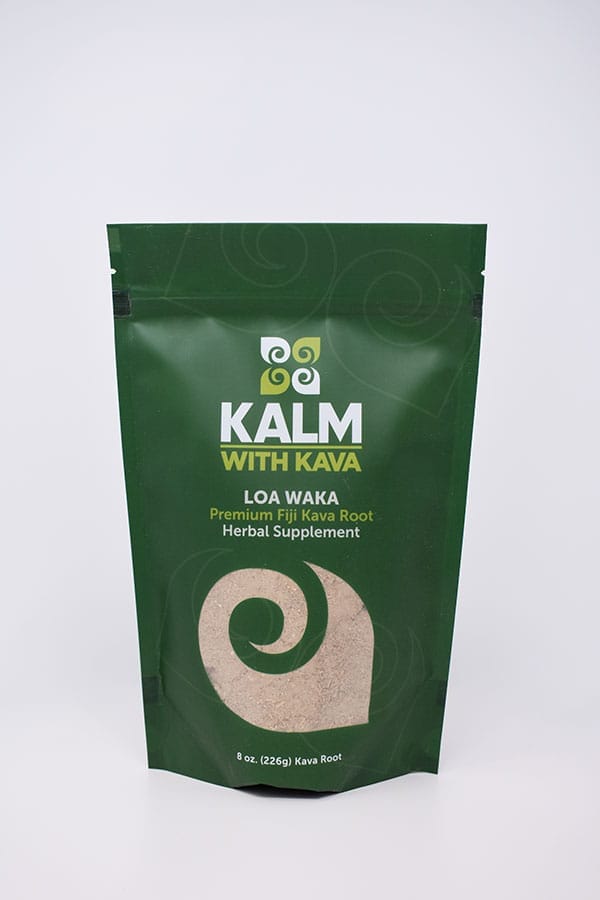


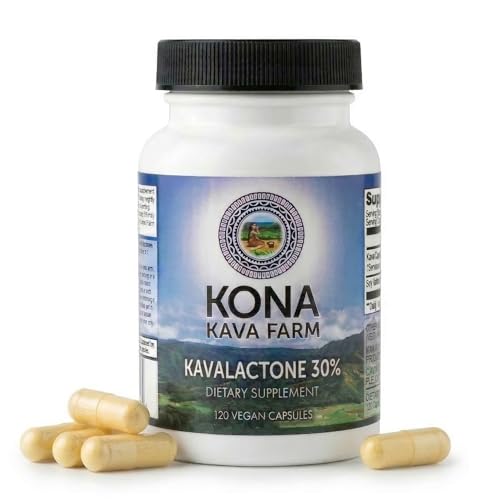
As an Amazon Associate we may earn from qualifying purchases, at no cost to you. 21+.
How we chose
We compare formats the same way we judge products: on the paperwork first, the experience second, and never on health claims at all. For a standardized extract, the figures that matter are the kavalactone percentage it's standardized to and whether the brand backs it with a third-party certificate of analysis. For traditional powder, it's a named noble cultivar, a documented origin, a chemotype, and a published kavalactone percentage. Our no-number-no-ranking rule applies to both — see the full policy in How We Research.
We're explicit about what an extract's number can and can't tell you. A printed standardization (e.g. a 30% kavalactone extract) is a genuine advantage for dose precision — but "milligrams of root" is not "milligrams of kavalactones," and a flattering root weight at an undisclosed percentage tells you nothing. We don't invent percentages, fabricate tasting panels, or estimate a strength a brand didn't state; where a number is published we credit it, and where it's missing we say the strength is unknown.
This piece anchors with a single verified powder pick and no extract cards on purpose: we don't currently rank a standardized kava extract that has cleared our transparency check, so we won't put a buy button on one. Everything about extracts here is category-level and experiential. The usual ground rules hold throughout: kava is a centuries-old Pacific social drink many adults find relaxing, it is not a treatment for anything, it can cause drowsiness, and this is education for adults — not medical advice.
Key terms
- Standardized kava extract
- Kava concentrated to a stated kavalactone percentage — for example a 30% extract — and packaged as capsules or liquid drops. The standardization is the selling point: a printed percentage gives you a defined, repeatable serving you can plan around, with no preparation. The trade is that it's a concentrate of the actives rather than the whole root, and it costs more per serving than traditional powder.
- Traditional root powder
- Whole noble kava root milled coarse for strainer-bag preparation. You knead it in warm water for 10–20 minutes, squeeze, and strain out the fibrous makas, drinking the full-spectrum result. It's the authentic format the South Pacific has used for centuries and the one most serious kava drinkers prefer — the cheapest per session and the most complete experience, at the cost of real prep and an earthy taste.
- Full-spectrum vs isolate
- The core philosophical split between the two formats. "Full-spectrum" means the whole root and all its kavalactones in their natural ratio, the way a traditional shell delivers them. An extract concentrates the actives into a standardized percentage — closer to an isolate. Many drinkers report the full-spectrum shell feels more complete than a concentrated capsule; that's a widely shared experiential observation, not a proven pharmacological claim.
- Kavalactone percentage vs root weight
- The label distinction that decides an extract's honesty. "Milligrams of kava root" is the weight of plant material; the kavalactone percentage (or stated kavalactone milligrams) is the weight of the active compounds — and only the second predicts the effect. A 100 mg root extract standardized to 30% kavalactones delivers just 30 mg of actual kavalactones. Always hunt for the kavalactone figure, not the root weight.
- COA (Certificate of Analysis)
- A third-party lab document reporting what's actually in a product — for kava, the chemotype, total kavalactone percentage, and contaminant screen. The transparency test applies to both formats: a good extract states its kavalactone percentage and backs it with a COA; a good powder names a noble cultivar, origin, and chemotype with a COA. If a product won't show the paper, treat its strength and purity as unknown.
Questions, answered
Is kava extract stronger than root powder?
An extract is more concentrated and more precise, but "stronger" isn't the right frame. A standardized extract states a kavalactone percentage, so you get a defined, repeatable serving you can dose to — that's its real advantage. Traditional powder gives you the root's kavalactone percentage on its COA but not a guaranteed milligram count in your cup, because strength depends on how you brew it; a well-kneaded shell can be plenty potent. So an extract offers predictable strength per dose, while powder offers a full-spectrum shell whose strength you tune by preparation. Read the kavalactone number, not the root weight, and start low whichever you choose. This is education, not a dosing recommendation.
Which is more authentic — kava extract or traditional powder?
Traditional root powder, without much argument. The strained shell is the format the South Pacific has used for centuries and the one the modern kava community overwhelmingly prefers, because you're drinking the whole root in its natural ratio rather than a concentrated isolate. A standardized extract is a modern convenience product — genuinely useful for a measured, portable serving, but it isn't the traditional experience. If reproducing how kava has actually been drunk for generations matters to you, powder is the closer match almost by definition.
Do kava capsules and extracts feel the same as a traditional shell?
Many experienced drinkers say no — that a full-spectrum strained shell lands more completely and rounder than a concentrated capsule of the same nominal strength, and they attribute it to drinking the whole root versus an isolate. We'd flag that as a widely shared experiential observation rather than a proven pharmacological fact; individual responses vary, and kava's reverse tolerance (the effect often arriving more clearly on your second or third sitting) muddies any first-session comparison. If the traditional feel is what you're chasing, powder is the safer bet; if convenience matters more, an extract is built for that. Judge either across a few sittings, not one.
Are kava extracts more convenient than powder?
Clearly, yes — convenience is the whole reason extracts exist. A capsule or a few dropper-fulls of liquid is pocket-sized, takes seconds, has no muddy taste, and needs no strainer bag, bowl, or kneading. Traditional powder asks for all of that: a strainer bag, 10–20 minutes of preparation, and a willingness to drink an earthy, peppery brew. If you want kava at your desk or on a trip with zero fuss, an extract is the format designed for it. If you don't mind the ritual — or actively enjoy it — powder's prep is a feature, not a bug.
Is kava extract or powder cheaper?
Traditional powder is cheaper per session, and it isn't close for regular drinkers. Powder is raw root with nothing processed away — a bag starts in the high teens, a session uses a scoop, and many people stretch it further with a second wash. A standardized extract concentrates the actives into capsules or drops, which is processing-intensive, so it carries a premium on every serving. You're paying an extract for precision and portability, not for more kava. For a nightly habit the math favors powder; for an occasional on-the-go dose, the extract premium can be worth it.
How do I know a kava extract is good quality?
Apply the same transparency test you'd use on any kava: demand the lab paper. A good extract states the kavalactone percentage it's standardized to — not just "milligrams of kava root," which tells you nothing about active content until you know the percentage — and backs that with a third-party certificate of analysis showing the chemotype and a contaminant screen. Be wary of vague "premium," "ultra," or "maximum strength" language, none of which are defined terms. If an extract won't disclose its kavalactone percentage and publish a COA, treat its strength and purity as unknown. That's our no-number-no-ranking rule, and it applies to extracts exactly as it does to powder.
Should a beginner start with kava extract or root powder?
It depends on what might put you off. If a measured, taste-free, no-preparation serving is what gets you to actually try kava, a standardized extract with a stated kavalactone percentage is an easy on-ramp — you know your dose and there's nothing to clean. If you want to learn what real kava is and don't mind some homework, traditional powder gives you the authentic full-root experience, though you'll need a strainer bag and the patience for the knead-and-strain ritual. Whichever you pick, start with a small amount, buy verified noble kava, and expect reverse tolerance on early sessions. See how we research for how we vet quality.
Can you mix kava extract into a traditional brew?
People do dose extracts alongside or into other drinks, but we'd treat the two as separate products rather than something to stack casually. The point of a standardized extract is a known, measured serving; pouring it into a traditional shell of unknown brew strength defeats that precision and makes it easy to take more than you intended. If you want the traditional experience, prepare powder; if you want a measured dose, use the extract as labeled. As with everything here, start low, go slow, and don't combine kava with alcohol or sedating substances — this is general caution, not medical advice.
Keep reading
Micronized vs Instant vs Traditional Kava
Once you've chosen powder over extract, the next fork is format — the honest three-way prep comparison.
Kavalactones, Explained
The number that predicts how any kava feels — and why a stated percentage beats a big root weight.
The Best Kava Capsules
If you land on the extract side, the capsules and standardized products worth considering.
The Best Kava Powder, Reviewed
Our verified-noble powder picks — every one clears the chemotype-plus-origin transparency test.