Our pick. Happy Kava
Check priceKava Chemotypes Explained: The Six Kavalactones and the Numbers on Your COA (2026)
A chemotype is the six-digit fingerprint that tells you how a kava will actually feel — before you ever taste it. This is the definitive plain-English decoder: the standard Lebot numbering (kavain = 4, dihydromethysticin = 5, and the rest), how to read a code like Borogu's 423561, why the first one or two digits carry the whole experience, and how the same numbers separate a heady daily drinker from a heavy, next-day-grog tudei. Plus the one distinction that trips everyone up — total kavalactone percentage is potency; the chemotype is character, and a COA prints both.
By The Kava Review DeskUpdated 2026-06-25~10 min readRanked by the lab reportHow we research
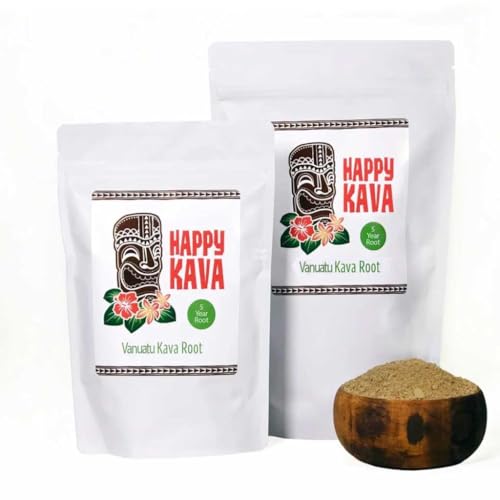 Best Overall
Happy Kava Vanuatu Borogu (2-4-3 chemotype, 8–10% KL)
- Happy Kava
- 4.6
- Price
- Check current price
 Best Value
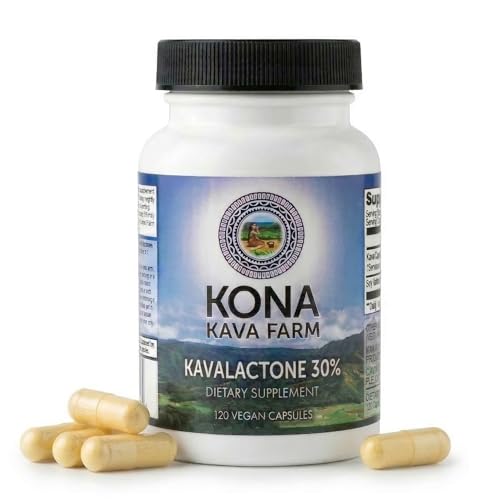
NOW Foods Kava 250 mg (standardized 30% kavalactones)
- NOW Foods
- 4.2
- Price
- Check current price
Two kavas can both test at 10% total kavalactones and feel like completely different drugs. One leaves you clear-headed, talkative, and pleasantly light; the other plants you on the couch and follows you into the next morning. The total potency number — the headline percentage everyone fixates on — is identical. What separates them is the chemotype: the ratio of the six major kavalactones to one another, written as a six-digit code. Learn to read that code and you can predict a kava's personality before the first shell. Stay fuzzy on it and you are buying strength without ever knowing direction.
The chemotype is the single most useful — and most under-explained — number in kava. It looks intimidating: a string like 423561 printed on a Certificate of Analysis or a varietal page, with no key attached. But it is not random, and it is not a product code. It is a ranking. Each digit stands for one specific kavalactone, the six are listed from most abundant to least, and the standard numbering has been fixed since the botanist Vincent Lebot mapped Pacific kava cultivars decades ago. Once you know that 4 is kavain and 5 is dihydromethysticin, the whole code unlocks — and the first digit or two tells you almost everything you need.
This is the resource we point everything else at. Kavalactones, Explained teaches you what the kavalactone number is and the milligram ladder it lives on; How to Read a Kava COA teaches you where to find these numbers on an actual lab sheet. This guide is the decoder ring for the chemotype itself: the six kavalactones and their numbers, how the code is built, the honest heady-versus-heavy map, why noble cultivars like Borogu drink the way they do and tudei kavas don't — and the three brands below that actually print the numbers, because a chemotype you can't see is a chemotype that can't help you.
The short version.
- A chemotype is the six major kavalactones ranked from most abundant to least and written as a six-digit code. It describes a kava's CHARACTER (heady vs. heavy), which is a different thing from its total-kavalactone POTENCY (the %).
- The standard Lebot numbering (by HPLC elution order) never changes: 1 = desmethoxyyangonin (DMY), 2 = dihydrokavain (DHK), 3 = yangonin, 4 = kavain, 5 = dihydromethysticin (DHM), 6 = methysticin. Memorize 4 = kavain and 5 = DHM and you can read most codes.
- The first one or two digits carry the experience. A code that LEADS with 4 (kavain) skews heady, clear, and uplifting; one led by 2 (dihydrokavain) or 5 (dihydromethysticin) skews heavy, physical, and sedating, with more body-load and more chance of next-day grog. Trailing digits are present in small amounts and matter much less.
- The benchmark noble cultivar Borogu carries the chemotype 423561 — kavain first, dihydrokavain second, yangonin third. That kavain-forward, balanced profile is exactly why it's a classic daily drinker.
- Noble vs. tudei is a chemistry story too: tudei (non-noble) cultivars run higher in dihydromethysticin and dihydrokavain and notably in flavokavain B (a chalcone, not a kavalactone), which tracks with their heavier, longer, groggier reputation. Noble cultivars are the ones Pacific cultures selected for daily drinking.
- Both numbers live on a good COA: the total kavalactone % (how strong) and the chemotype (in what direction). Read them together. A brand that prints both is handing you the two facts that actually predict your evening — see /how-we-research for why we won't rank a kava that hides them.
Happy Kava Vanuatu Borogu (2-4-3 chemotype, 8–10% KL)
Happy Kava
Prints its Borogu chemotype and total-kavalactone band on the label — both numbers this guide is about.
Our verdict: This is the pick we point to when we explain why a chemotype belongs on the label. A Vanuatu Borogu — the textbook kavain-forward noble — with both its chemotype and its kavalactone band printed, so you can confirm the heady-balanced direction and the potency before you commit. Most of the aisle prints neither; this prints both.
Lab report. Discloses a kavain-forward noble Borogu chemotype plus a stated total-kavalactone range — the rare product that shows character and potency together.
If you want to practice reading a chemotype on a real product, start here. Happy Kava's Vanuatu Borogu is a noble single-cultivar that prints its chemotype and a total-kavalactone band on the label — which means it hands you the two numbers this entire guide is about. Borogu is the benchmark kavain-forward noble (the well-documented 423561 lineage), so a kavain-led code on a noble Borogu predicts exactly what the cultivar is famous for: a clear, balanced, sociable, daily-drinkable profile rather than a heavy, couch-locking one.
As a daily noble, Borogu is about as predictable as kava gets — which is precisely why it's the cultivar most often recommended to people learning to read the numbers. It's still real root that wants traditional preparation (knead and strain), and like any kava the exact felt strength depends on how much you use and how you make it. But the printed code means you're choosing on purpose, which is the entire skill this guide is trying to teach.
Who should buy it.
Buy this if you want a kava you can actually reason about on both axes — a printed Borogu chemotype plus a kavalactone band means you know the character (heady, balanced) and the rough potency before you buy. It's the right pick for someone learning to read chemotypes who wants a textbook noble to practice on, and for anyone who refuses to buy a kava that won't disclose its profile.
What we don't like.
It's traditional root, not a pop-top — you knead and strain, and the earthy, peppery taste is acquired. A printed chemotype tells you direction but not your exact per-serving milligrams, which still depend on how much you use and how you prepare it. And a stated band is a range, not a single guaranteed figure, so treat it as a reliable forecast rather than a precise dose.
- Cultivar
- Vanuatu Borogu — a named noble, kavain-forward cultivar
- Chemotype
- Kavain-led noble profile (the documented Borogu 423561 lineage)
- Disclosure
- Prints chemotype + total-kavalactone band on the label
- Character
- Heady / balanced — the classic daily-drinkable noble direction
What we like.
- Prints both numbers that matter — chemotype (character) and kavalactone band (potency)
- Kavain-forward noble Borogu: the textbook heady, balanced, daily profile
- A named single cultivar means a knowable, predictable chemotype
- Exactly the disclosure our no-number-no-ranking rule rewards
Worth noting.
- Traditional root — requires kneading and straining, not a ready-to-drink can
- Earthy, peppery taste is an acquired one
- A stated band is a range; exact per-serving mg still depends on your preparation
NOW Foods Kava 250 mg (standardized 30% kavalactones)
NOW Foods
A mainstream capsule that actually states its standardized kavalactone percentage — read it the right way.
Our verdict: The capsule that does what capsules usually won't: print a standardized kavalactone percentage. It won't give you a full chemotype, but a stated 30% standardization is a real, comparable number — far better than the silent 'mg of root' figures next to it. Just read it correctly: 30% is of the extract, not of a whole filler-filled capsule.
Lab report. States a standardized 30% kavalactone extract — a real, comparable potency number where most capsules hide behind a 'proprietary blend.'
For a stated potency number in convenient form, this is the reference. NOW Foods Kava is a widely available capsule standardized to 30% kavalactones — and a stated standardization is exactly the kind of number our rules reward, because it lets you compare. It won't hand you a six-digit chemotype, so you're getting potency without full character; but a printed 30% beats the "proprietary blend, trust us" silence that fills most of the capsule shelf.
The trade-off is direction. A capsule like this gives you a knowable potency and zero ritual, but no chemotype means you can't read where it sits on the heady-heavy axis the way you can with a named noble cultivar. For convenience plus a real, stated standardization, it's a legitimate pick — and a useful illustration that "discloses a number" and "discloses the chemotype" are two different bars, both worth more than silence.
Who should buy it.
Buy this if you want convenience with a real, stated potency figure — a standardized 30% extract you can compare, in a capsule with no preparation. It suits someone who values a printed standardization over ritual, and who understands they're getting a potency number without a full chemotype (so without a clear read on heady vs. heavy).
What we don't like.
No chemotype means no read on character — you know roughly how strong, not in which direction on the heady-heavy axis. The 30% figure is of the extract, not the whole capsule, so it's easy to misread as a felt dose. And capsules trade away the traditional experience entirely; purists will reach for prepared root instead.
- Format
- Capsules — standardized extract, no preparation
- Standardization
- 30% kavalactones (of the extract)
- Disclosure
- States the standardized percentage (the reason it's here)
- Chemotype?
- Not disclosed — potency without full character
What we like.
- States a standardized 30% kavalactone extract — a real, comparable number
- Mainstream and widely available, with zero preparation
- A stated standardization beats the 'proprietary blend' silence beside it
- Useful illustration that a stated % and a chemotype are different disclosures
Worth noting.
- No chemotype disclosed — no clear read on heady vs. heavy
- 30% is of the extract, not the whole capsule — easy to misread
- Capsule format skips the traditional experience entirely

Gaia Herbs Kava Kava
Gaia Herbs
A mainstream single-herb kava from a brand whose entire identity is sourcing traceability.
Our verdict: The accessible end of the disclosure spectrum. Gaia doesn't print a chemotype, but its whole brand is traceability — the 'Meet Your Herbs' sourcing program — which makes it an easy, mainstream way into single-herb kava with a company that documents what's in the bottle. Not a code on the label, but not silence either.
Lab report. Built on Gaia's long-running 'Meet Your Herbs' traceability program — documented sourcing rather than a printed chemotype.
For a mainstream, traceable entry point, this is the easy one. Gaia Herbs Kava Kava is a single-herb kava from a brand whose entire identity is sourcing transparency — Gaia's long-running "Meet Your Herbs" program lets buyers trace a product back to its origins. That's a different kind of disclosure than a chemotype: it's traceability rather than a printed code, but in a category full of anonymous powders, a company that documents what's in the bottle is a meaningful step up.
The honest limit is the same one capsules and most retail kava share: without a chemotype, you can't predict character the way a named noble cultivar lets you. Treat Gaia as the comfortable, traceable way to start — and as you get fluent in the numbers this guide teaches, graduate toward brands that print the chemotype itself, where the read gets sharp.
Who should buy it.
Buy this if you want a mainstream, widely trusted on-ramp to single-herb kava from a brand built on sourcing traceability. It suits someone newer to kava who values a reputable name and documented sourcing over a printed chemotype, and who's comfortable starting with an easy option before graduating to cultivars that disclose the code.
What we don't like.
No chemotype on the label means no sharp read on character — you can't forecast heady vs. heavy the way a named noble cultivar allows. Traceability is real but it isn't the same as a published kavalactone profile. And as a retail single-herb product, it's an on-ramp rather than the connoisseur's pick; experienced drinkers chasing a specific chemotype will look elsewhere.
- Format
- Single-herb kava — mainstream retail
- Disclosure
- 'Meet Your Herbs' sourcing traceability program
- Chemotype?
- Not printed — documented sourcing rather than a code
- Best as
- An accessible, traceable on-ramp to single-herb kava
What we like.
- Built on Gaia's long-running sourcing-traceability identity
- Mainstream, widely available, easy on-ramp to single-herb kava
- Documented sourcing beats the anonymous-powder norm
- Reputable brand for buyers who want a low-friction start
Worth noting.
- No chemotype printed — no sharp heady-vs-heavy forecast
- Traceability is not the same as a published kavalactone profile
- An on-ramp rather than a connoisseur's chemotype-specific pick
Potency vs. character: the two numbers, and why people confuse them
Before the code makes sense, separate the two questions a buyer is actually asking. The first is how strong is it — the answer is total kavalactones, the percentage of the dry root that is active kavalactone (noble root commonly lands in the ~6–15% range by HPLC). The second is what direction does it pull — heady and clear, or heavy and sedating — and the answer to that is the chemotype, the ratio between the six kavalactones. Potency is the volume knob; chemotype is the station.
This is the distinction the whole category blurs. A label shouts a big percentage and your brain reads it as the entire story — but 12% of a kavain-led kava and 12% of a dihydromethysticin-heavy kava are the same loudness pointed in opposite directions. One is a bright, sociable evening; the other is a sedating, melt-into-the-couch one that may still be with you at breakfast. Same potency, opposite experience. If you've ever had two "strong" kavas that felt nothing alike, the chemotype is why.
The six major kavalactones — and their fixed numbers
Kava contains roughly eighteen kavalactones, but six do almost all the felt work, and each carries a permanent number. The numbering comes from Vincent Lebot's foundational cataloguing of Pacific cultivars: the six were assigned 1 through 6 by the order in which they come off an HPLC column. That assignment never changes — a "4" means kavain in Vanuatu, in Fiji, on a lab sheet, and in a forum post. Lock these in and every code becomes readable:
1 — Desmethoxyyangonin (DMY) — "the mood note." Often discussed alongside a subtle mood lift; a finishing accent on the profile rather than a driver. Rarely leads a code.
2 — Dihydrokavain (DHK) — "the body relaxer." Kavain's mellower, more physical cousin. It rounds brightness toward calm and a relaxed body; codes led by 2 lean heavier and more sedating than kavain-led ones.
3 — Yangonin — "the warm edge." Contributes the warm, faintly euphoric tone some sessions take on. A supporting player that colors the experience rather than steering it.
4 — Kavain (K) — "the heady one." The headline uplift: clear, light, mildly euphoric, sociable. Kavain is the kavalactone most associated with the "heady" feeling, and a code that leads with 4 is the classic signature of a balanced, daily-drinkable noble kava.
5 — Dihydromethysticin (DHM) — "the heavy hitter." The far, sedating end of the spectrum — physical, couch-locking, slower to clear. A code loaded with 5 skews heavy, and elevated DHM is part of what gives some kavas a longer body-load and more next-day grog.
6 — Methysticin (M) — "the deep body." Like DHM, it adds body and weight to the experience; the two together pull a kava toward the heavy, sedating side rather than the clear, heady one.
How the code is built: a ranking, not a recipe
Here is the rule that makes a chemotype legible: the six digits are simply the six kavalactones listed in descending order of how much of each the kava contains. Most abundant first, least abundant last. The code is a leaderboard, not a measurement — it tells you the order the kavalactones finished in, not their exact percentages.
Work an example. Suppose a lab breaks a sample down and finds, by share of total kavalactones: kavain most abundant, then dihydrokavain, then yangonin, then methysticin, then dihydromethysticin, then desmethoxyyangonin last. Translate each to its number — kavain 4, dihydrokavain 2, yangonin 3, methysticin 6, dihydromethysticin 5, desmethoxyyangonin 1 — and read them off in that order: 423651. The benchmark noble cultivar Borogu sits right next to that, at the documented chemotype 423561 — kavain first, dihydrokavain second, yangonin third. (For how this same breakdown appears on a real lab sheet, see the worked example in How to Read a Kava COA.)
Two things the code is not. It is not a potency figure — 423561 says nothing about whether the kava is 6% or 14% total kavalactones; that's the separate percentage. And it is not a quality grade by itself — a "good" code on a kava that's been contaminated or weakly extracted is still a poor buy. The chemotype answers exactly one question, character, and answers it well.
Heady vs. heavy: mapping the code to the feeling (honestly)
The most useful thing a chemotype does is place a kava on the heady ↔ balanced ↔ heavy axis — the single spectrum kava drinkers use to describe a session. And you read that placement mostly off the first digit.
Leads with 4 (kavain) → heady. Clear, light, talkative, mildly euphoric, sociable — the daytime-and-conversation end. Kavain-forward noble cultivars are the classic "I have things to do and want to feel good doing them" kavas. Borogu's 423561 is the textbook example.
Leads with 2 (dihydrokavain) → relaxed and heavier. More physical body relaxation, calmer, less mentally bright than a kavain lead. A common evening-and-unwind signature.
Leads with 5 or 6 (dihydromethysticin / methysticin), or stacks them high → heavy. Sedating, physical, couch-bound, slower to clear — the deep-relaxation, end-of-the-night end of the axis. Codes weighted toward 5 and 6 also tend to carry more body-load and a higher chance of next-day grog: that sluggish, faintly hungover-without-the-hangover morning feeling some heavy kavas leave behind.
Noble vs. tudei: the same numbers, a different verdict
The chemotype isn't only a comfort guide — it's also the front line of the most important quality distinction in kava: noble versus tudei. Noble cultivars are the varieties Pacific Island cultures selected over centuries for daily drinking — balanced, clearer, and gentler in their after-effects. Tudei (Bislama for "two-day," because the effects can linger into a second day) are non-noble cultivars traditionally reserved for occasional or ceremonial use, not the everyday bowl.
That cultural distinction shows up in the chemistry. Tudei cultivars tend to run higher in dihydromethysticin (5) and dihydrokavain (2) — exactly the kavalactones that push a kava toward heavy, sedating, slow-to-clear — and they carry notably more flavokavain B. Flavokavain B is the curveball: it is a chalcone, not a kavalactone, so it doesn't appear in the six-digit code at all, but it's elevated in tudei kava and is associated with the heavier, longer, groggier "two-day" profile those varieties are named for. A heavy chemotype plus high flavokavain B is the tudei signature.
This is why noble cultivars are preferred for regular use, and why a kavain-forward noble chemotype like Borogu's is prized: it delivers a balanced, repeatable, daily-friendly experience without the prolonged after-effects. It is also why a serious COA for kava often includes a noble-verification or flavokavain read alongside the chemotype — confirming you've got a traditionally consumed variety, not a tudei wearing a high potency number. The full noble story, including how it shows up on the lab sheet, is in Noble vs. Tudei Kava.
Reading both numbers together: a buyer's worked sequence
Put it together into the read you'd actually run standing in front of a product page or a COA. Two numbers, in order, about fifteen seconds:
1. Find the total kavalactone %. This is potency — how strong. For noble root, ~6–15% is the believable band. It sets the volume, and it's the number to dose against.
2. Find the chemotype and read the first digit. This is character — which direction. A 4 in front means heady and clear; a 2, 5, or 6 in front means heavier and more sedating. You now know strength and direction.
3. Glance at the second digit, then stop. It refines the lean (a 4-2 is a heady kava with a relaxed underside; a 4-6 carries a little more body). Past the second digit, the kavalactones are minor — don't overthink the tail.
4. Check for a noble / flavokavain read. Confirms it's a daily-drinkable noble, not a tudei. Pair it with the chemotype: kavain-forward + noble-verified is the classic everyday profile.
So a product page reading "11% total kavalactones, chemotype 462" on a noble-verified Vanuatu cultivar tells you, in one glance: solidly potent, kavain-dominant so heady and uplifting with a methysticin-touched body, and a traditional daily variety. You knew the evening before you opened the bag. A page that prints a big percentage and no chemotype tells you only half the story — strong, in an unknown direction.
Three kavas that actually print the numbers
The frustrating truth is that most of the aisle doesn't disclose a chemotype at all — which is exactly why a code printed on a label or COA is worth seeking out. The brands below earn a mention here because each puts real numbers on the record: a chemotype, a standardized kavalactone figure, or both. They're the proof that the read in this guide is usable in practice, not just in theory.
For the chemotype itself — Happy Kava Vanuatu Borogu. A Vanuatu Borogu that prints its chemotype and a total-kavalactone band right on the label — the rare product that hands you both numbers this article is about. Borogu's kavain-forward, balanced profile (the documented 423561 lineage) is the textbook daily noble, and seeing the code stated lets you confirm the heady-balanced direction before you buy.
For a standardized, stated kavalactone figure — NOW Foods Kava 250 mg (standardized to 30% kavalactones). A widely available capsule that does the thing capsules usually won't: state a standardized extract percentage. "30% kavalactones" tells you the active share of the extract — read it the right way (it's percent of the extract, not of a whole capsule of filler) and it's a real, comparable potency number. It won't give you a full chemotype, but a stated standardization beats the "proprietary blend" silence next to it on the shelf.
For a mainstream, traceable single-herb option — Gaia Herbs Kava Kava. Gaia is built around traceability — its long-running "Meet Your Herbs" sourcing transparency is its whole identity — which makes it an easy, mainstream way into single-herb kava with a brand that documents what's in the bottle. It's the accessible end of the disclosure spectrum: not a chemotype on the label, but a company whose entire pitch is "we'll show you the sourcing."
More kava worth comparing
Beyond this guide: the highest-rated kava across every format, kavalactones verified, with a live price check on each.




As an Amazon Associate we may earn from qualifying purchases, at no cost to you. 21+.
Quick shop: every pick.
Skip the scroll: the whole lineup, with a live price check on each.
- Happy Kava Vanuatu Borogu (2-4-3 chemotype, 8–10% KL)Best for Reading the Chemotype ItselfHappy Kava · Check current priceCheck price
- NOW Foods Kava 250 mg (standardized 30% kavalactones)Best Stated Standardized Percentage (Capsule)NOW Foods · Check current priceCheck price
- Gaia Herbs Kava KavaBest Mainstream, Traceable Single-Herb OptionGaia Herbs · Check current priceCheck price
How we chose.
This guide decodes the chemotype against the established kava-chemistry framework — the six major kavalactones and the Lebot & Lévesque numbering (assigned by HPLC elution order), the descending-concentration code convention, and the noble-vs-tudei chemical distinctions (higher dihydromethysticin, dihydrokavain, and flavokavain B in tudei). We describe what the literature and the kava community consistently report; we do not present any percentage below as a specific named product's verified lab result unless a brand publishes it. The full standard lives in How We Research.
The three products are here for one reason: each one actually publishes the numbers this article is about — a chemotype, a kavalactone percentage, or both — which is what makes the code usable instead of decorative. Everything else in the category we discuss by category, not by ranking, until the numbers exist to judge it. Where we cite a chemotype like Borogu's 423561, that is the cultivar's well-documented profile, not a claim about one bag's lab sheet.
Every effects reference is experiential and attributed — "heady," "heavy," "balanced," "sedating" — the language the literature and the kava community use. We do not say kava treats, fixes, or cures anything. Kava is for adults; legality and labeling vary by place; this is education, not medical or legal advice. Start low, go slow, and follow the product's own label.
Key terms
- Chemotype
- The six major kavalactones ranked from most abundant to least and written as a six-digit code (e.g. Borogu's 423561). It describes a kava's character — where it sits on the heady-to-heavy axis — which is different from its total-kavalactone potency. The leading digit or two carries almost the entire felt profile; the trailing digits are minor.
- Kavalactone
- The active compounds in kava responsible for its effects. Roughly eighteen exist, but six major kavalactones do almost all the felt work and are the ones a chemotype code ranks. Total kavalactone milligrams (or %) is the potency number; the ratio between the six is the chemotype.
- Kavain (4)
- Digit 4 in the chemotype code, and the kavalactone most associated with the clear, light, uplifting, sociable 'heady' feeling. A code that leads with 4 — like Borogu's 423561 — signals a balanced, daily-drinkable noble kava rather than a sedating one. The single most useful number to memorize.
- Dihydrokavain / DHK (2)
- Digit 2 — kavain's mellower, more physical cousin. It contributes body relaxation and calm, tilting a profile heavier than a pure kavain lead. A chemotype led by 2 leans toward relaxed, sedating effects; DHK is also elevated in tudei cultivars.
- Yangonin (3)
- Digit 3 — contributes a warm, faintly euphoric edge that colors the emotional tone of a session rather than driving it heady or heavy. A supporting kavalactone that rounds out the profile.
- Desmethoxyyangonin / DMY (1)
- Digit 1 — often discussed alongside a subtle mood lift; a finishing note on the profile rather than a lead. First in the Lebot numbering (by HPLC elution order) but rarely first in a code by concentration.
- Methysticin (6)
- Digit 6 — adds body and weight to the experience. Together with dihydromethysticin (5), it pulls a kava toward the heavy, sedating side rather than the clear, heady one. Codes stacking 5 and 6 high read heavy.
- Dihydromethysticin / DHM (5)
- Digit 5 — the heavy hitter: the kavalactone most associated with sedating, physical, couch-locking effects, a longer body-load, and more next-day grog. A chemotype loaded with 5 skews heavy, and elevated DHM is a chemical hallmark of tudei kava.
- Flavokavain B
- A chalcone — NOT a kavalactone — so it does not appear in the six-digit chemotype code. It is elevated in tudei (non-noble) cultivars and is associated with their heavier, longer, groggier 'two-day' after-effects. A serious kava COA may report it alongside a noble-verification read.
- Noble kava
- The kava cultivars Pacific Island cultures selected over centuries for daily drinking — balanced, clearer, gentler in after-effects, and typically kavain-forward in chemotype (Borogu's 423561 is the benchmark). Noble status, often verified on a COA, is the daily-drinker green light.
- Tudei kava
- Non-noble cultivars (Bislama for 'two-day,' for the lingering effects), traditionally reserved for occasional or ceremonial use, not the everyday bowl. Chemically marked by higher dihydromethysticin (5), dihydrokavain (2), and notably flavokavain B — a heavier, longer, groggier profile.
- Heady / heavy / balanced
- The axis kava drinkers use to describe a session. 'Heady' is light, clear, uplifting, social — driven by kavain (4). 'Heavy' is sedating, physical, couch-bound — driven by dihydromethysticin (5) and methysticin (6). 'Balanced' sits between. The first digit of a chemotype is your fastest read on where a kava lands.
- Total kavalactones
- The potency number: the percentage of dry kava root that is active kavalactone, measured by HPLC (noble root commonly ~6–15%). It tells you how STRONG a kava is. It is a separate question from the chemotype, which tells you in which DIRECTION (heady vs. heavy). A good COA prints both.
- Lebot numbering
- The fixed numbering of the six major kavalactones (1 = desmethoxyyangonin, 2 = dihydrokavain, 3 = yangonin, 4 = kavain, 5 = dihydromethysticin, 6 = methysticin), assigned by the botanist Vincent Lebot according to HPLC elution order. It never changes, which is what makes any chemotype code readable anywhere.
Questions, answered
What is a kava chemotype?
A chemotype is the six major kavalactones ranked from most abundant to least and written as a six-digit code — for example, the noble cultivar Borogu's 423561. Each digit stands for one kavalactone in the fixed Lebot numbering (1 = desmethoxyyangonin, 2 = dihydrokavain, 3 = yangonin, 4 = kavain, 5 = dihydromethysticin, 6 = methysticin), and the order is the order those kavalactones finished in by concentration. The chemotype describes a kava's character — where it sits on the heady-to-heavy axis — which is a different thing from its total-kavalactone potency (the percentage). Read the first digit or two and you know which way the kava is built to pull, before you ever taste it.
How do I read a chemotype code like 423561?
Translate each digit to its kavalactone, then read left to right — most abundant first. 423561 is kavain (4) most abundant, then dihydrokavain (2), then yangonin (3), then dihydromethysticin (5), then methysticin (6), then desmethoxyyangonin (1) last. Because it leads with 4 (kavain), it's a heady, clear, balanced, daily-drinkable noble — the Borogu profile. The trick is that the first one or two digits carry almost the whole experience, because the leading kavalactones are present in far larger amounts than the trailing ones. So read the front of the code, note which direction it points, and don't overthink the tail.
Which chemotypes are heady and which are heavy?
Read the first digit. A code that leads with 4 (kavain) skews heady — light, clear, uplifting, sociable, the classic noble daily-drinker direction. A code that leads with 2 (dihydrokavain) leans toward relaxed, heavier body effects. A code that leads with 5 (dihydromethysticin) or 6 (methysticin), or stacks them high, skews heavy — sedating, physical, couch-bound, slower to clear, with more chance of next-day grog. These are tendencies, not guarantees: total dose, your body and tolerance, whether you've eaten, and preparation all shift how a given chemotype actually lands. The code stacks the odds toward a direction; it doesn't dictate the outcome.
What's the difference between total kavalactones and the chemotype?
They answer two different questions, and you want both. Total kavalactones — a percentage, by HPLC — is potency: how STRONG the kava is (noble root commonly ~6–15%). The chemotype is character: in which DIRECTION it pulls, heady or heavy, based on the ratio of the six kavalactones. Two kavas can share the same potency and feel like opposite drugs because their chemotypes differ — 12% of a kavain-led kava is a bright sociable evening, 12% of a dihydromethysticin-heavy one is a sedating couch night. Read the percentage to dose, read the chemotype to choose the experience. A good Certificate of Analysis prints both.
How does the chemotype relate to noble vs. tudei kava?
The chemotype is the front line of that distinction. Noble cultivars — the ones Pacific cultures selected for daily drinking — tend to be kavain-forward (leading with 4) and balanced, like Borogu's 423561. Tudei (non-noble) cultivars run higher in dihydromethysticin (5) and dihydrokavain (2) — the heavy, sedating kavalactones — and notably in flavokavain B, a chalcone that isn't a kavalactone (so it's not in the six-digit code) but is associated with the heavier, longer, groggier 'two-day' after-effects tudei is named for. A kavain-led chemotype plus low flavokavain B and an explicit noble verification is the daily-drinker green light; a 5-and-6-heavy code with high flavokavain B is the tudei signature. The full story is in our Noble vs. Tudei guide.
Why don't more kavas print their chemotype?
Because in most markets nothing requires them to. Kava labeling isn't standardized the way nutrition facts are, so disclosing a chemotype is voluntary — and a brand faces no penalty for staying silent. Some don't test their material thoroughly enough to state a confident profile; some find a big potency number more flattering than committing to a character. That's exactly why a printed chemotype is worth seeking out: a brand that publishes the code (and ideally a noble verification) is telling you it knows its cultivar and its lab work. On our bar, a kava we can't read on both potency and character is one we don't rank — not because it's necessarily bad, but because guessing the most important variable isn't a recommendation. See How We Research for the full standard.
Is a higher first digit always better?
No — the chemotype is about direction, not quality, and 'better' depends entirely on what you want. A kavain-led (starts-with-4) code is widely preferred for daily, balanced, heady sessions, which is why noble cultivars like Borogu are so prized. But someone seeking deep, sedating, end-of-night relaxation might deliberately want a heavier, dihydromethysticin-forward profile. The chemotype tells you which experience a kava is built to deliver; it can't tell you which experience is right for your evening. And it says nothing about potency or purity — a 'good' code on a weakly extracted or contaminated kava is still a poor buy. Read the chemotype for character, the percentage for strength, and a COA's microbial and heavy-metal panels for safety.
Keep reading.
How to Read a Kava COA
The companion field guide — where the chemotype and the total-kavalactone % actually live on a lab sheet, and the five checks to run in 60 seconds.
Noble vs. Tudei Kava
Why the variety matters — the daily-drinkable nobles vs. the heavy, two-day tudeis, and how flavokavain B and the chemotype tell them apart.
Kavalactones, Explained
The primer beneath this one — what a kavalactone is, the mg ladder from tea bag to traditional shell, and the root-mg-vs-kavalactone-mg label trick.