Our Pick: Gaia Herbs
Check PriceGaia Herbs Kava Kava Review (2026): The Traceable Supermarket Pick
Gaia Herbs is the kava you can buy on a normal grocery run — Whole Foods, Vitamin Shoppe, Amazon — and it's one of the few mainstream supplement brands that both prints a real kavalactone number (75 mg per capsule) and lets you trace the exact lot you bought. We ran it through our transparency check and weighed it as what it is: a convenient capsule, not a brewed shell. Here's the honest verdict.
By The Kava Review DeskUpdated 2026-07-27~8 min read Ranked by the lab reportHow we researchOfficial site ↗
The verdict up front: Gaia Herbs Kava Root is the most transparent mainstream kava capsule we've checked, with a guaranteed 75 mg of kavalactones per capsule (from 442 mg of root extract), lot-level traceability through the Meet Your Herbs ID on every bottle, and a street price of roughly $23–$30. It's an excellent first kava and travel capsule; it is not a replacement for a brewed shell, which commonly runs 150–250 mg. Updated July 2026. Most of the kava we review you have to seek out, from a specialist online shop or a kava bar's webstore. Gaia Herbs is the exception: it's the kava that turns up on a normal grocery run, on the supplement aisle at Whole Foods, at Vitamin Shoppe, two clicks deep on Amazon. For a lot of people, Gaia is the first kava they'll ever hold, and the question is whether a mainstream herbal-supplement brand can actually clear the transparency bar we hold specialist vendors to.
Mostly, it does — which is the surprise. The product is Gaia Herbs Kava Root: 60 vegan liquid phyto-caps, a liquid kava extract suspended inside a plant-based capsule rather than a dry powder fill. It discloses a real, guaranteed kavalactone number — 75 mg of active kavalactones per serving, from 442 mg of kava root extract — and that single printed figure puts it ahead of most of the canned and capsuled kava on the market, which hides behind vague "extract weight." On top of that, Gaia runs Meet Your Herbs, a lot-level traceability program (an industry first when it launched) that lets you enter the ID on your bottle and pull up that specific lot's origin, harvest date, identity testing, and purity screening. For a supermarket brand, that's a genuinely strong paper trail.
This review is independent and unpaid. Kava Review has no affiliate relationship with Gaia Herbs at publication — we earn no commission if you buy, and nobody at the company reviewed this before it went up. We verified every figure below against Gaia's own product page and multiple retail listings (Amazon, Walmart, Vitacost, Vitamin Shoppe) in June 2026: the 75 mg standardization, the 442 mg extract, the Vanuatu noble-cultivar sourcing, the root-only formulation, the Meet Your Herbs program, and the price range. Where we land: a transparent, traceable, convenient capsule that's an excellent on-ramp — held back only by the inherent limits of the format. The ground rules apply throughout: kava is for adults, it can cause drowsiness, don't drive after taking it, don't mix it with alcohol, and if you take medications or are pregnant, talk to your doctor first. None of this is medical advice.
The short version
- Gaia Herbs Kava Root discloses a guaranteed kavalactone figure — 75 mg of active kavalactones per capsule, from 442 mg of kava root extract — which is rare for a grocery-shelf brand and the single most useful thing it tells you.
- Meet Your Herbs is the real differentiator: every package carries a lot ID you can enter on Gaia's site to see that exact lot's origin, harvest date, identity validation, and purity testing (heavy metals, microbials, adulterants). Lot-level traceability is the gold standard, and almost nobody at this price does it.
- Sourcing checks out: ecologically harvested NOBLE-variety kava from Vanuatu, made from the ROOT ONLY — no above-ground (aerial) parts, which is the safety-relevant distinction serious buyers look for.
- It's a liquid extract in a vegan (hypromellose) capsule — no taste, no prep, no strainer bag — and you can buy it on a normal grocery or Amazon run for roughly $23–$30 (MSRP ~$33.69).
- The honest limits: a 75 mg capsule is a modest dose versus a brewed shell, the label's own use is 1 cap three times daily, so a 60-count bottle is only about a 20-day supply at full use, and a capsule absorbs slower and skips the social ritual the kava community actually drinks kava for.
- Verdict: the best mainstream/supermarket kava we've checked on transparency — an outstanding first kava and travel capsule — but a convenience product, not a replacement for a real bowl.
At a glance
| Product | Disclosed potency | Format | Where sold / price | Check price |
|---|---|---|---|---|
| Gaia Herbs Kava Root (60 ct) | 75 mg kavalactones / cap (442 mg extract) | Vegan liquid phyto-cap — no prep | Grocery / Amazon · ~$23–$30 (MSRP ~$33.69) | Check Price |
| Gaia PRO Kava 75 (Professional Solutions) | 75 mg kavalactones / cap (same standardization) | Liquid phyto-cap — practitioner SKU | Practitioner channels (e.g. PureFormulas) |
Gaia Herbs' kava range at a glance — figures verified against Gaia's product page and retail listings, June 2026. The consumer Kava Root cap is the hero; the practitioner line shares the same 75 mg standardization.

Gaia Herbs Kava Root (60 Vegan Liquid Phyto-Caps)
Gaia Herbs
The grocery-shelf kava that prints a real kavalactone number AND lets you trace the exact lot you bought.
Our verdict: This is the kava to buy if your first kava is going to come from a grocery store or an Amazon search. Each vegan liquid phyto-cap discloses a guaranteed 75 mg of active kavalactones — a real, checkable figure that most shelf brands won't print — from noble-variety, root-only kava sourced in Vanuatu. The Meet Your Herbs ID on the bottle lets you verify the actual lot. At roughly $23–$30, it's a transparent, traceable, no-prep on-ramp. The catch is the format itself: a modest per-cap dose, slower onset than a brew, and none of the ritual.
Lab report: Discloses a guaranteed 75 mg of active kavalactones per serving (from 442 mg kava root extract) — a real number, not opaque extract weight. Backed by Meet Your Herbs, Gaia's lot-level traceability program: each package carries an ID returning that lot's origin, harvest date, identity validation, and purity testing (heavy metals, microbials, adulterants). Noble-variety, root-only kava from Vanuatu.
For a supermarket brand, Gaia tells you a surprising amount. Gaia Herbs Kava Root is a liquid kava extract suspended inside a vegan (hypromellose) capsule — not a dry powder fill — and it discloses a guaranteed 75 mg of active kavalactones per serving, drawn from 442 mg of kava root extract. That disclosed kavalactone figure is the headline. Most of the canned and capsuled kava on a store shelf prints only an "extract weight," which tells you how much material is in the capsule but nothing about how much active kava you're getting. A guaranteed kavalactone number is the difference between dosing on information and dosing on faith, and it's rare to find one this far into the mainstream.
The sourcing holds up on the points that matter, too. Gaia describes the kava as ecologically harvested noble-variety root from Vanuatu, and — importantly — made from the root only, with no above-ground (aerial) parts. That root-only distinction is the one serious kava buyers care about, and a mainstream brand stating it plainly is a good sign. As an experience it's pure convenience: no taste, no strainer bag, no kneading, just a capsule you can keep in a desk drawer or a carry-on. If you want to understand exactly why a printed kavalactone number beats a big "extract" figure, our explainer on what kavalactones are makes every label in the store legible.
Now the honest part. Seventy-five milligrams is a modest serving — a traditional kava-bar shell is commonly estimated in the 150–250 mg range, and regulars drink more than one — and Gaia's own label use is one capsule three times daily, which means a 60-count bottle is only about a 20-day supply at full label use, not the "60 servings = months" math the count implies. A capsule also absorbs slower than a liquid and skips the social ritual that, across centuries of Pacific use, is half of what kava actually is. None of that is a knock on Gaia specifically — it's the price of the capsule format, and Gaia is one of the more honest versions of it.
Who should buy it
Buy Gaia Herbs Kava Root if you want a kava you can grab on a normal grocery or Amazon run, from a brand that prints a real kavalactone number and lets you trace the exact lot. It's an excellent first kava for the curious, a clean no-taste travel capsule, and the right pick for anyone who values mainstream availability and lot-level traceability over the strength and ritual of a brewed bowl.
What we don't like
Seventy-five milligrams per capsule is a modest dose next to a brewed shell, and the label's own use (one cap three times daily) makes the 60-count bottle roughly a 20-day supply, not the open-ended count it looks like. As a capsule it absorbs slower than a liquid and skips the ritual entirely. And like all capsules, it's a higher cost per milligram of kavalactone than a bag of powder. Confirm the current potency and price on the product page before ordering — supplement SKUs and pricing get revised.
- Kavalactones per capsule
- 75 mg (guaranteed potency, disclosed by the brand)
- Kava root extract
- 442 mg per serving (serving = 1 capsule)
- Format
- Vegan liquid phyto-cap (liquid extract in a hypromellose capsule) — no prep
- Origin
- Ecologically harvested noble-variety kava from Vanuatu; root only, no aerial parts
- Traceability
- Meet Your Herbs lot ID: origin, harvest date, identity validation, purity testing
- Count / suggested use
- 60 capsules; label use 1 cap 3×/day (~20-day supply at full use)
- Price
- ~$23–$30 (MSRP ~$33.69) — verify current pricing on the product page
What we like
- Discloses a guaranteed kavalactone number — 75 mg per capsule — rare on a grocery shelf
- Meet Your Herbs lot-level traceability: verify your exact batch's origin and purity tests
- Noble-variety, root-only kava from Vanuatu, stated plainly
- Liquid extract in a vegan capsule — no taste, no prep, widely available at retail
Worth noting
- 75 mg per cap is a modest dose versus a brewed shell
- Label use (1 cap 3×/day) makes a 60-count bottle ~20 days, not months
- Capsule format: slower onset, no ritual, higher cost per mg than powder
More kava worth comparing
Beyond this guide: the highest-rated kava across every format, kavalactones verified, with a live price check on each.


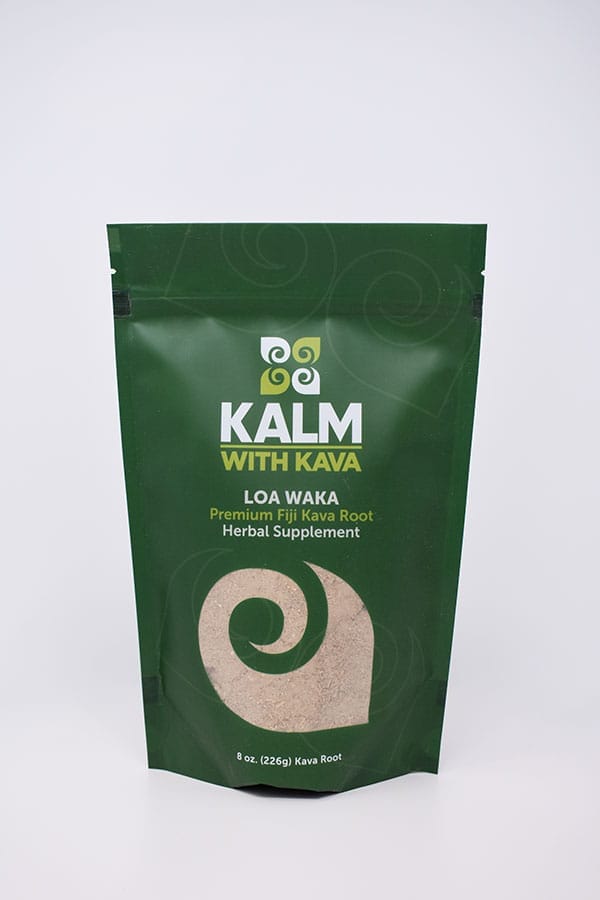


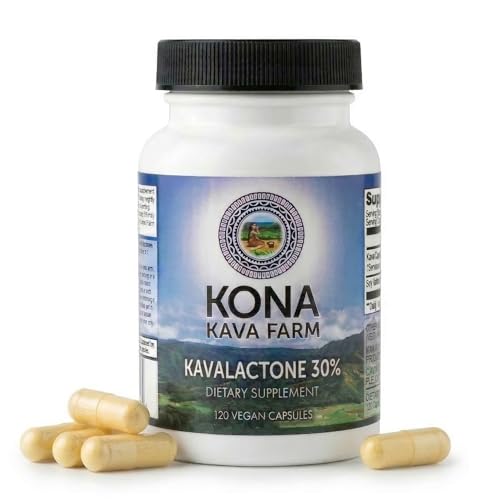
As an Amazon Associate we may earn from qualifying purchases, at no cost to you. 21+.
How we chose
We judge a kava vendor on its paper trail first, and for a supplement brand that means two questions: does it tell you how much active kava is actually in the capsule, and can you verify the specific lot you bought? On the first, Gaia discloses a guaranteed 75 mg of kavalactones per serving (from 442 mg of kava root extract) — an actual number, not an opaque "extract weight," which is what most of the category prints. On the second, we confirmed Meet Your Herbs is a live, lot-level program: an ID on every package that returns that lot's origin, harvest date, identity validation and method, and purity results. We describe what the program returns rather than guessing at any single lot's figures.
Then we verified the catalog and the claims. We confirmed the 60-count format, the liquid-in-vegan-capsule construction, the Vanuatu noble-cultivar and root-only sourcing, the label's suggested use, and the price against Gaia's own page and multiple retail listings in June 2026. We give a verified price range rather than one hard number because retail kava pricing moves week to week. We did not find a clean, confirmable product-photo URL we could stand behind, so we left the image out rather than print a placeholder. We do not invent kavalactone numbers, fabricate tasting panels, or estimate anything Gaia doesn't state.
Finally we assess it in plain experiential terms and through the right lens — a supplement buyer's, not a traditional drinker's. A capsule's job is taste, prep, portability, and discretion, and we judge it as that convenience tool, naming where the convenience costs you onset speed, effective dose, and the ritual. What we never do is make health claims. Supplement marketing leans hard on "calm," "stress," and "emotional balance" language; we strip all of it. Kava is a centuries-old Pacific social drink that many adults find relaxing — it is not a treatment for anything, it can cause drowsiness, it shouldn't be combined with alcohol, and anyone on medications or who is pregnant should check with a doctor first. General caution, not medical advice — and this review is not sponsored.
Key terms
- Liquid phyto-cap
- Gaia's format: a liquid herbal extract suspended inside a plant-based (hypromellose) capsule, rather than a dry powder fill. You still swallow a capsule, but the active material is already in a liquid carrier (here, with vegetable glycerin and sunflower lecithin).
- Guaranteed potency / standardized extract
- A label promise of a specific amount of the active compound per serving — for Gaia's kava, a guaranteed 75 mg of kavalactones. It's the supplement-shelf equivalent of a disclosed kavalactone number, and far more useful than an undefined "extract weight."
- Meet Your Herbs
- Gaia's lot-level traceability program (industry-first, launched 2010). An ID on every package that, entered on Gaia's site, returns that batch's origin, harvest date, identity validation, and purity testing — verifying the exact lot you bought, not a generic testing claim.
- Root only (no aerial parts)
- Kava made strictly from the underground root/rhizome, excluding the above-ground stems and leaves. Quality kava is root-only; the aerial parts are the part responsible buyers and the industry steer away from. Gaia states its kava is root only.
- Noble kava
- The traditional cultivars Pacific growers raise for everyday drinking, prized for a smooth, agreeable effect with minimal next-day heaviness — the opposite of harsher "tudei" kava. Gaia sources noble-variety kava from Vanuatu.
Questions, answered
Is Gaia Herbs Kava Kava real, pure kava?
Yes. Gaia Herbs Kava Root is made from Piper methysticum — actual kava — using ecologically harvested noble-variety cultivars from Vanuatu, and it's made from the root only, with no above-ground (aerial) parts. It's a standardized liquid extract in a vegan capsule, disclosing a guaranteed 75 mg of active kavalactones per serving from 442 mg of kava root extract. That's a genuine, transparently described kava product, not a flavored novelty.
How many kavalactones are in a Gaia Herbs kava capsule?
Each capsule discloses a guaranteed 75 mg of active kavalactones, drawn from 442 mg of kava root extract. A printed, guaranteed kavalactone number is rare for a grocery-shelf brand and the most useful thing the label tells you. For context, 75 mg is a modest serving — a brewed kava-bar shell is commonly estimated in the 150–250 mg range, and regulars drink more than one — so think of a Gaia capsule as a light, portable serving rather than a full session.
What is the Meet Your Herbs program?
Meet Your Herbs is Gaia's lot-level traceability program — an industry first when it launched in 2010. Every package carries an ID number; enter it on Gaia's website and you can see that specific lot's regional origin, harvest date, identity validation and method, and purity testing for heavy metals, microbials, and adulterants. It lets you verify the exact batch you bought, which is a stronger form of transparency than a generic "we test" claim, and almost no kava at this price offers it.
Where can I buy Gaia Herbs kava, and what does it cost?
It's one of the most widely available kava products there is — sold through grocery and natural-foods retailers like Whole Foods and Vitamin Shoppe, on Amazon and Walmart, and through online supplement shops. Pricing runs roughly $23–$30 for a 60-count bottle against an MSRP around $33.69, though retail kava pricing moves, so confirm the current price on the listing you're buying from.
How long does a 60-capsule bottle of Gaia kava last?
Less long than the count suggests. Gaia's own label use is one capsule three times daily between meals, which works out to about a 20-day supply from a 60-count bottle at full label use — and the label notes a maximum use window of roughly one month. If you take it less often, it lasts longer, but plan around ~20 days at full use rather than assuming 60 servings stretches for months. Follow the label, and if you take medications or are pregnant, talk to a doctor first.
Is Gaia kava better than a brewed bowl or a kava drink?
It's better at convenience, traceability, and availability; a brewed bowl is better at dose, onset, and the social ritual. A capsule has no taste and needs no prep, and Gaia's lot traceability is excellent — but 75 mg absorbs slower and lands lighter than a strained shell, and you drink alone. Choose Gaia if you want a transparent, portable, no-prep on-ramp you can buy anywhere; choose traditional kava if you want the full strength and the ceremony that capsules can't replicate.
Is this review sponsored by Gaia Herbs?
No. Kava Review has no affiliate relationship with Gaia Herbs at publication — we earn no commission if you buy, and the company did not review or approve this article. We verified every fact against Gaia's own product page and multiple retail listings (Amazon, Walmart, Vitacost, Vitamin Shoppe) in June 2026, and our verdict reflects the Kava Review transparency standard, not a paid placement.
Keep reading
Best Kava Capsules & Pills
The no-taste, no-prep format ranked by disclosed kavalactone dose — where Gaia's 75 mg cap fits in.
What Are Kavalactones?
Why a printed kavalactone number (like Gaia's 75 mg) beats a vague "extract weight" on any label.
Is Kava Safe?
Noble vs. tudei, root-only sourcing, and the cautions that matter before your first capsule.
Best Kava Brands
The full field of kava vendors, ranked on transparency — where a mainstream brand like Gaia lands.