Our Pick: DaHonu Life
Check PriceDaHonu Life Review (2026): Big Kavalactone Claims, No Number
DaHonu Life markets its nano-emulsified kava seltzer on having "more kavalactones per serving than the rest" — then prints no kavalactone number anywhere, publishes no COA, and names no origin. We ran the 2025 newcomer through our transparency check. Here's the honest verdict, with the receipts and the knocks.
By The Kava Review DeskUpdated 2026-06-17~7 min read Ranked by the lab reportHow we researchOfficial site ↗
There's a particular kind of kava marketing we've learned to read carefully: the brand that builds its whole pitch on potency without ever stating a potency. DaHonu Life is a clean example. Its canned kava seltzer leans hard on a "nano-emulsified" extract that, in the brand's words, delivers "more kavalactones per serving than the rest" — a claim repeated as "double the kavalactones" in places. It's a strength promise made in comparative form, and it raises the one question we put to every kava product: how many milligrams of kavalactones are actually in the can? On DaHonu Life's own site, its Amazon listing, and the retail listings that carry it, that number does not appear. The brand is selling potency it won't quantify.
DaHonu Life is a real, currently-operating pure-kava brand — not a hemp drink dressed up as kava, not vaporware. It launched in 2025, founded by Tuni Rafaele, sells 12 oz alcohol-free kava seltzers in three flavors (Tropical, Fuji Apple, and Kava Cola), and is stocked direct-to-consumer, on Amazon, and through convenience-store and kratom distributors. So this is a genuine product you can buy and drink. The question this review answers isn't "does it exist" — it's "does it clear the bar a careful kava buyer should hold," and on that the answer is more mixed than the marketing wants you to think.
This review is independent and unpaid. Kava Review has no affiliate relationship with DaHonu Life at publication — we earn no commission if you buy, and nobody at the company reviewed this before it went up. We verified everything below against DaHonu Life's own product pages, its Amazon listing, distributor listings, and press coverage in June 2026: the format, the verified prices, the ingredient list, and the claims. The usual ground rules apply throughout: kava is for adults, it can cause drowsiness, don't drive after a can, don't mix it with alcohol, and if you take medications or are pregnant, talk to your doctor first. None of this is medical advice.
The short version
- DaHonu Life fails our core transparency check: it markets "more kavalactones per serving than the rest" but discloses no kavalactone milligram number anywhere — not on the can, the site, or the listing.
- No public COA. We found no certificate of analysis, no third-party lab results, and no noble-vs-tudei certification for the kava in the can.
- Origin is vague: the brand cites "South Pacific farmers" but names no country (no Vanuatu, Fiji, or Tonga) and no cultivar — the documentation careful buyers want is simply absent.
- It's sweetened with artificial sweeteners — sucralose and acesulfame potassium — to hit "zero sugar, zero calories," a recipe choice that drew complaints in independent taste tests.
- Verified prices: a single 12 oz can runs $7.99, a 12-pack $59.99 ($5.00/can), and the Aloha 3-can trial pack $19.99 — but with no disclosed potency, none of that can be priced per milligram the way we price the disclosed cans.
- The verdict: a real kava seltzer that's easy to find and try, but one we can't recommend over disclosed competitors until it states a kavalactone number and posts a COA.
At a glance
| Product | Flavor | Kavalactones disclosed | Price | Check price |
|---|---|---|---|---|
| Aloha 3-Can Trial Pack | One each: Tropical, Fuji Apple, Kava Cola | Not disclosed | $19.99 ($6.66/can) | Check Price |
| Tropical 12-Pack | Pineapple, guava & orange | Not disclosed | $59.99 ($5.00/can) | |
| Fuji Apple 12-Pack | Crisp apple | Not disclosed | $59.99 ($5.00/can) | |
| Kava Cola 12-Pack | Cola, sugar-free | Not disclosed | $59.99 ($5.00/can) | |
| Single 12 oz can | Any flavor | Not disclosed | $7.99 |
The DaHonu Life range at a glance — flavors, formats, and prices verified June 2026. Note the recurring blank: no kavalactone milligram figure is published for any product.

DaHonu Life Aloha 3-Can Trial Pack
DaHonu Life
All three flavors in one low-commitment box — the only sensible way to test a brand this opaque about potency.
Our verdict: If you're going to try DaHonu Life at all, the Aloha Trial Pack is the right entry: one can each of Tropical, Fuji Apple, and Kava Cola for $19.99, so you find out which flavor (if any) works for you before committing to a $59.99 twelve-pack. It's a real, alcohol-free kava seltzer that's easy to buy. But it's the only product we'll point you to from this brand, and even here we're recommending the format, not the disclosure — because there isn't any to recommend.
Lab report: No COA published. No kavalactone milligram count disclosed; origin given only as "South Pacific farmers," with no country or cultivar named and no noble certification stated.
This is the only DaHonu Life purchase we'd call sensible, and it's a trial, not an endorsement. The Aloha 3-Can Trial Pack bundles one each of the brand's three 12 oz flavors — Tropical (pineapple, guava, and orange), Fuji Apple, and Kava Cola — for a verified $19.99. At $6.66 a can it's pricier per unit than the twelve-pack's $5.00, but that premium buys you the right thing: a way to learn whether you can drink this before you own twelve of it. Given that independent taste testing of the brand was rough — a 2025 TastingTable review panned the flavors and flagged the sweeteners — the trial pack is doing real risk-reduction work.
As an experience, expect a sweet, carbonated, alcohol-free seltzer that uses a "nano-emulsified" kava extract — the brand's pitch is that the emulsification smooths out kava's natural bitterness. The ingredient list, as published by a retail listing, runs carbonated water, kavalactone extract (nanoemulsion), citric acid, natural flavors, a couple of preservatives, and the part that draws complaints: sucralose and acesulfame potassium, the artificial sweeteners that deliver the "zero sugar, zero calories" line. If you avoid artificial sweeteners, that's a deal-breaker before potency even enters the conversation. And whatever you feel, remember kava's reverse tolerance — early cans often whisper before the effect speaks up — so don't judge the brand on can one.
Who should buy it
Buy the Aloha Trial Pack only if you specifically want to try DaHonu Life — you've seen it on a shelf or in an ad and you're curious — and you'd rather risk $19.99 on three cans than $59.99 on twelve of an unknown flavor. It's the format for low-commitment sampling, full stop. If your goal is a kava drink whose potency you can actually verify, a disclosed competitor is the better buy.
What we don't like
The core knock is the missing number: a brand that markets on having the most kavalactones won't tell you how many, and there's no COA to check it against. Add artificial sweeteners (sucralose and acesulfame potassium), a vague "South Pacific" origin with no country or cultivar named, and unfavorable independent taste coverage, and even the low-risk trial pack is a hard product to recommend over the disclosed cans.
- Format
- Three 12 oz cans — one each Tropical, Fuji Apple, Kava Cola; alcohol-free
- Kavalactones per can
- Not disclosed (brand claims "more per serving" with no figure)
- COA / origin
- No public COA; "South Pacific farmers" — no country or cultivar named
- Sweeteners
- Sucralose + acesulfame potassium ("zero sugar, zero calories")
- Verified price
- $19.99 ($6.66/can)
What we like
- Low-commitment way to taste all three flavors before a 12-pack
- A real, alcohol-free pure-kava seltzer that's easy to buy (DTC, Amazon, retail)
- Nano-emulsified extract is pitched at smoothing kava's natural bitterness
Worth noting
- No disclosed kavalactone milligram count, despite a "most kavalactones" claim
- No public COA, and origin named only as vague "South Pacific"
- Artificial sweeteners (sucralose, acesulfame potassium); unfavorable taste coverage
More kava worth comparing
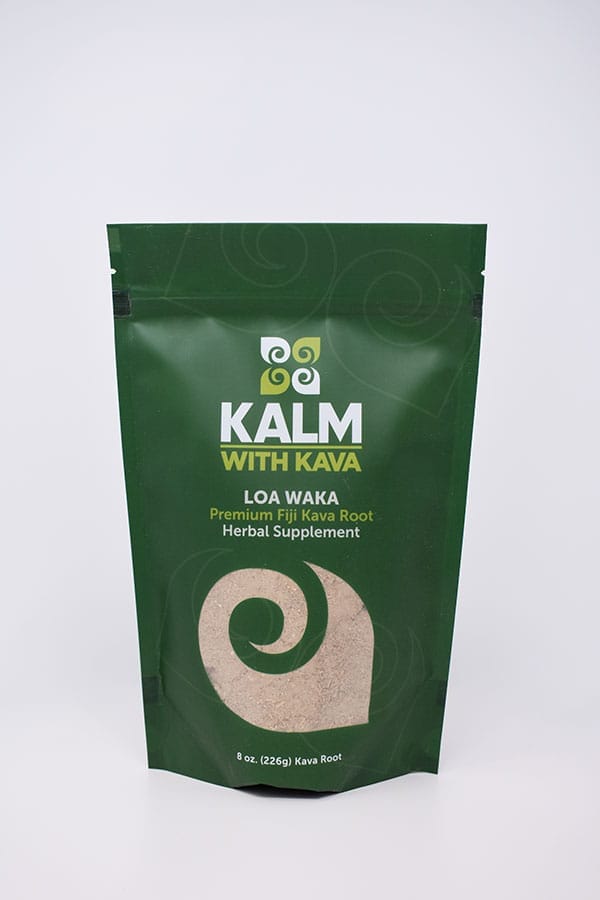
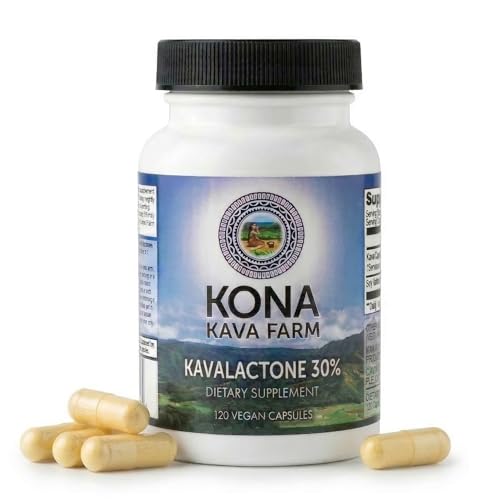
Beyond this guide: the highest-rated kava across every format, kavalactones verified, with a live price check on each.




As an Amazon Associate we may earn from qualifying purchases, at no cost to you. 21+.
How we chose
We judge a kava brand on its paper trail first, and a canned kava brand on one number above all: the disclosed kavalactone milligram count per can. That's the kava equivalent of ABV — the figure that makes honest comparison and sensible dosing possible. For DaHonu Life we read the homepage, every product page, the brand's own kava explainer, the Amazon listing, and the distributor listings that carry it, specifically hunting for a stated milligram figure, a published certificate of analysis, and a named origin or cultivar. We report what we found and, just as importantly, what we didn't.
Then we verify the catalog and the recipe. We confirmed the three flavors, the 12 oz format, and the live prices in June 2026 — $7.99 a single can, $59.99 a twelve-pack, $19.99 for the Aloha three-can trial pack — and we read the ingredient list as published by a retail listing, because it's the most complete one we could source. We name what the brand states (a "nano-emulsified" kava extract, "zero sugar, zero calories") and what it doesn't (a potency number, a COA, a country of origin). We do not invent kavalactone numbers or estimate a potency the brand declined to state.
Finally we weigh it as a drink and a buying decision, in plain experiential terms, and we factor in independent coverage — a 2025 TastingTable taste test was notably unfavorable on flavor, and the artificial-sweetener choice was a recurring complaint. What we never do is make health claims. Kava is a centuries-old Pacific social drink that many adults find relaxing; it is not a treatment for anything, it can cause drowsiness, and anyone on medications should check with a doctor first. General caution, not medical advice — and this review is not sponsored.
Key terms
- Kavalactones
- The active compounds in kava root and the functional point of any kava drink. A disclosed kavalactone milligram count is to kava what ABV is to beer — the number that makes honest comparison and dosing possible. DaHonu Life claims to have more of them than rivals but discloses no figure.
- Disclosed number vs. comparative claim
- "100 mg kavalactones per can" is a disclosure. "More kavalactones per serving than the rest" is a comparative marketing claim with nothing to check. Our value and strength rankings are built only from disclosed numbers — no number, no ranking.
- Nano-emulsification
- A processing method that disperses kava extract into very fine droplets, which brands say improves mixing and smooths bitterness. It's a formulation choice, not a potency disclosure — DaHonu Life's nano pitch tells you about texture and flavor, not how many milligrams you're getting.
- COA (Certificate of Analysis)
- A lab document reporting what's actually in a batch — for kava, the chemotype, total kavalactone content, and contaminant screen. The trust ladder runs: posted publicly (best), available on request (acceptable), "trust us" with nothing posted (a claim). DaHonu Life publishes no COA.
- Noble kava
- The traditional cultivars Pacific growers raise for everyday drinking, prized for a smooth, agreeable effect — the opposite of harsher "tudei" kava. Quality vendors certify noble and back it with a COA. DaHonu Life states neither a cultivar nor a noble certification.
- Reverse tolerance
- Kava's quirk where the first session or two often feel mild, with the effect arriving more clearly on later tries. Judge any kava brand across a few servings, not on can one.
Questions, answered
Is DaHonu Life a real kava drink, and is it any good?
It's a real, currently-operating pure-kava brand — a 12 oz canned kava seltzer launched in 2025 (founder Tuni Rafaele), alcohol-free, in three flavors: Tropical, Fuji Apple, and Kava Cola. So it exists and you can buy it DTC, on Amazon, and at some retailers. Whether it's "good" is more mixed: it markets heavily on kavalactone strength but discloses no actual milligram number, publishes no COA, names no origin, and uses artificial sweeteners — and independent taste coverage in 2025 was unfavorable. We can't recommend it over kava cans that disclose their potency.
How many kavalactones are in a can of DaHonu Life?
DaHonu Life does not disclose a kavalactone milligram count anywhere we could find — not on the can, the product pages, or the Amazon listing. The brand claims its nano-extracted kava delivers "more kavalactones per serving than the rest" (sometimes "double the kavalactones"), but a comparative claim with no figure isn't a disclosure. By contrast, MELO prints 100 mg of kavalactones per can. Until DaHonu Life states a number, there's no honest way to dose it or compare its strength to anything.
Does DaHonu Life publish a COA or lab test?
No. We found no certificate of analysis, no third-party lab results, and no noble-vs-tudei certification for DaHonu Life's kava. That's our biggest knock alongside the missing potency number. A COA is the document that lets a buyer verify what's actually in the can — chemotype, kavalactone content, and contaminant screening — and DaHonu Life doesn't post one.
What's in DaHonu Life, and is it sugar-free?
Per a retail ingredient listing, DaHonu Life contains carbonated water, kavalactone extract (nanoemulsion), citric acid, natural flavors, potassium citrate, preservatives (sodium benzoate and potassium sorbate), and the sweeteners sucralose and acesulfame potassium. It's marketed as "zero sugar, zero calories" — which it achieves with those artificial sweeteners. If you avoid sucralose or acesulfame potassium, this drink isn't for you, and the sweetener taste was a specific complaint in independent reviews.
How much does DaHonu Life cost?
Verified in June 2026: a single 12 oz can is $7.99, a 12-pack is $59.99 (about $5.00 a can), and the Aloha 3-can trial pack — one each of Tropical, Fuji Apple, and Kava Cola — is $19.99 ($6.66 a can). Because no kavalactone number is disclosed, we can't price it per milligram the way we price the disclosed cans, so there's no honest value comparison to be made on potency.
How does DaHonu Life compare to MELO or Leilo?
On the metric we care about most — disclosure — MELO is clearly ahead: it prints 100 mg of kavalactones per can, so you can verify and dose it; DaHonu Life prints no number despite a louder strength claim. Leilo discloses an extract weight rather than a kavalactone count, which we also criticize, but DaHonu Life discloses neither. On recipe, MELO reaches zero sugar without artificial sweeteners, while DaHonu Life uses sucralose and acesulfame potassium. We'd reach for a disclosed can first.
Is DaHonu Life safe to drink?
Kava has been consumed socially across the Pacific for centuries, and DaHonu Life is an alcohol-free kava seltzer for adults. That said, we're reviewers, not doctors, and the brand's lack of a disclosed potency number and a COA means you can't easily verify what's in the can. General cautions apply to any kava: it can cause drowsiness, so don't drive after a can; don't mix it with alcohol; skip it during pregnancy or nursing; and if you take medications or have liver concerns, talk with your doctor first. This is general caution, not medical advice.
Is this review sponsored by DaHonu Life?
No. Kava Review has no affiliate relationship with DaHonu Life at publication — we earn no commission if you buy, and the company did not review or approve this article. We verified every fact against DaHonu Life's own site and product pages, its Amazon listing, distributor listings, and press coverage in June 2026, and our verdict reflects the Kava Review transparency standard, not a paid placement.
Keep reading
The Best Kava Drinks (2026)
The canned-kava roundup, priced per 100 mg of disclosed kavalactones — and where the no-number cans land.
What Are Kavalactones?
The active compounds DaHonu Life claims to have the most of — and why a milligram number matters.
Is Kava Safe?
The honest, non-medical rundown on noble kava, drowsiness, and the cautions worth taking seriously.
Best Kava Brands
The brands that clear our transparency bar — disclosed potency, published COAs, named origins.