Our Pick: MELO
Check PriceThe Best-Tasting Kava (2026): For People Who Hate the Taste
Taste is the number one reason people quit kava before they find out whether they like what it does. We won't pretend the root is delicious — it tastes like earth, and that's chemistry, not a defect. Instead we ranked the genuinely most-palatable ways to drink it: the flavored cans, shots, and flavored instant mixes built so you taste a drink, not a riverbed. The honest catch, named on every card: the formats that taste least like kava usually deliver the least kava — and disclose the least about it.
By The Kava Review DeskUpdated 2026-08-07~8 min read Ranked by the lab reportHow we research
 Best Value
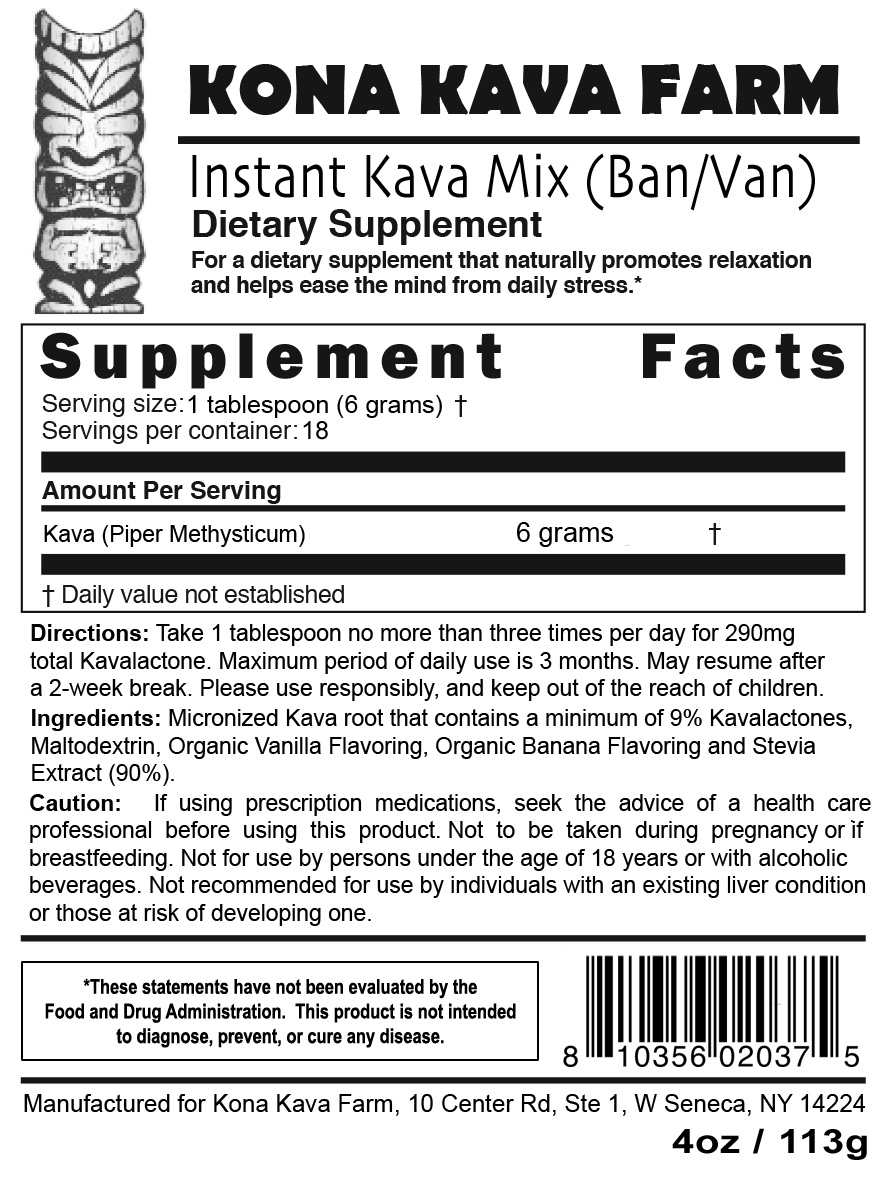
Instant Kava Mix (Flavored)
Kona Kava Farm · 3.6
$17.99–$54.99 / 4–8 oz (out of stock on Amazon, Aug 2026; button searches for restock)
Here's the uncomfortable thing the rest of the category won't lead with: most people who quit kava don't quit because of how it made them feel. They quit because of how it tastes. The bare drink is earthy, peppery, faintly bitter, with a thick, silty texture that first-timers reliably call muddy water — and we mean that as description, not insult. Kava is a root, pulverized and kneaded into water; tasting like the earth it grew in is the expected outcome, not a manufacturing failure. We make that case at length in our explainer on what kava actually tastes like, and we're not going to walk it back here. So this guide doesn't promise you delicious kava that hits like a traditional shell. It promises something more useful: the genuinely best-tasting ways to get kava into you if the flavor is the wall you keep hitting.
And there is a real reason the flavor is so stubborn. The compounds you're drinking kava for — kavalactones — are oily, bitter, barely water-soluble plant molecules, so "bitter, oily, and earthy" is a fair description of the active ingredients themselves. The flavor and the effect come from the same place. That single fact governs this entire ranking, because it means every move that makes kava taste better tends to move it further from full strength. A can engineered to drink like a soft drink has engineered out the earthiness — and, usually, dialed the potency down with it. A flavored mix that goes down easy is often cut with something that isn't kava. We're not going to hide that trade behind a list of "yummy" picks. We're going to rank the most palatable formats and tell you, on every one, exactly what you're giving up to get there.
So treat this as the taste-sensitive drinker's on-ramp, not the connoisseur's shelf. We ranked four formats real people actually reach for when the earthy flavor is the dealbreaker — two flavored cans, one grab-and-go shot, and one flavored instant mix — and judged each on how little it tastes like kava, how pleasant it is to drink, and, just as honestly, how much it costs you in strength and transparency to get there. Everything below is verified against the brands' own pages and against this site's existing, fact-checked coverage; we don't invent a kavalactone number, a price, or a COA status that a brand hasn't published. The usual ground rules apply: kava is for adults 21 and up, it can cause drowsiness, don't drive after drinking it, don't mix it with alcohol, and if you're pregnant, nursing, or on medications, talk to your doctor first. None of this is medical advice — and if your real goal is to learn to love the real flavor, our taste explainer's chase playbook will get you there faster than any can.
The short version
- Taste is the #1 reason people abandon kava, and it's a solvable problem — but the honest fix is choosing a format that masks the flavor, not a magic bag of root that tastes good at full strength.
- Kava tastes earthy and bitter because the kavalactones you want are themselves oily, bitter molecules. Flavor and strength come from the same place, so making kava taste better almost always means making it milder.
- MELO is our best-tasting pick that still respects the numbers: a zero-sugar tropical sparkling can that's genuinely pleasant — and, uniquely among our taste picks, it still prints 100 mg of kavalactones per can.
- Leilo is the most flavor-forward, friend-proof choice — the broadest, tastiest lineup in canned kava — but it trades transparency for it: the can discloses 1,000 mg of kava extract, not a kavalactone figure.
- The K-Tropix shot is the lowest-commitment way to taste-test the category, and Kona Kava's flavored "Instant Kava Mix" (Cocoa, Banana Vanilla) is the easiest-drinking powder — but the shot publishes no kavalactone number, and the mix is micronized root cut with maltodextrin, so both buy palatability at the cost of knowing your dose.
- Rule of thumb for taste-first buyers: the less it tastes like kava, the less you can usually verify about what's in it. Pick the format that gets you drinking, then graduate toward the real flavor when you're ready.
At a glance
| Product | Flavor profile | Potency / transparency trade | Format | Check price |
|---|---|---|---|---|
| MELO Sparkling Kava | Clean tropical seltzer — zero sugar, lightly sweet, adult | Best of both worlds here: still discloses 100 mg kavalactones per can | 12 oz sparkling can — $49.99/12-pack | Check Price |
| Leilo Kava Tonic | The tastiest, broadest lineup — fruity classics + a mocktail line | Discloses 1,000 mg kava extract, not a kavalactone number; classics carry sugar | 12 oz lightly carbonated can — $49.99/12-pack | Check Price |
| K-Tropix Kava Shot | Sweet, masked shot flavor — barely reads as kava | No per-bottle kavalactone figure or batch COA published; lowest transparency | Single-serve liquid shot — check current retail price | Check Price |
| Kona Kava "Instant Kava Mix" | Genuinely nice Cocoa & Banana Vanilla — easiest powder to drink | Micronized root + maltodextrin filler; 9% figure is the root, not the finished mix | Flavored powder, 4–8 oz — $17.99–$54.99 (out of stock, Aug 2026) | Check Price |
| MELO Sparkling Kava, POG | Passionfruit orange guava — the most tropical can in the line | Same printed 100 mg kavalactones per can as the flagship | 12 oz sparkling can — $19.99/4-pack trial size | Check Price |
| Kava Punch Stick Packs | Fruit punch — near-total flavor coverage | Extract weight disclosed per stick, no finished-drink kavalactone figure | Single-serve sticks — $29.95/10 | Check Price |
The best-tasting kava formats at a glance — ranked for taste-sensitive drinkers, with the honest trade named on each. Prices and disclosures verified against this site's existing brand coverage; stock and prices re-verified via the Creators API, August 2026. We only print a kavalactone number where the brand publishes one.

MELO Sparkling Kava
MELO
A genuinely pleasant zero-sugar tropical seltzer that — alone among our taste picks — still prints its kavalactone number.
Our verdict: MELO is the rare can that solves the taste problem without making you surrender all knowledge of what's in it. Three zero-sugar tropical flavors that drink like a good seltzer, no earthy muddy-water character to fight — and, uniquely among the picks in this guide, a printed 100 mg of kavalactones per can. If the flavor is your obstacle but you'd still like to know your dose, this is where to start.
Lab report: Discloses 100 mg kavalactones per 12 oz can — the cleanest potency number on the canned shelf. Vanuatu farm-sourced; lab testing claimed, though a public COA library would make it bulletproof.
This is the pick for the taste-sensitive drinker who refuses to fly completely blind. Every easy-drinking format makes the same trade — flavor for strength and transparency — and MELO Sparkling Kava makes the smallest version of it. The three flavors (Passionfruit Orange & Guava, Tahitian Lime, Banana Cream) are zero-sugar, zero-calorie, and built in the modern seltzer register: tropical-leaning, lightly sweet, adult. There's none of the earthy slurry that sends first-timers running; this reads as a drink, not a bowl of grog. POG is the crowd-pleaser, and Tahitian Lime is the one we'd hand a La Croix loyalist who has sworn off "the dirt-water thing."
The honest trade is still here, just smaller than its rivals'. A can is a sensible single serving, not a kava-lounge session — the disclosed 100 mg is gentler than a properly kneaded traditional batch, and at $49.99 a twelve-pack ($4.17 a can) you're paying craft-beverage money. There's also no public, downloadable COA library yet to stand behind the label claim, which is the one upgrade that would put real distance between MELO and everyone else. But as the answer to "I want kava, I can't stand the taste, and I'd still like to know roughly how much I'm drinking," from MELO there's nothing better-balanced on the shelf. A $19.99 four-pack makes the first try cheap.
Who should buy it
Buy MELO if the earthy flavor is your dealbreaker but you're not willing to give up all knowledge of your dose to escape it — it's the best-tasting can that still prints a real kavalactone number. It's the right first order for the sober-curious drinker replacing a beer who wants something that drinks like a seltzer, and the standing pick for anyone who's tired of choosing between palatable and quantified.
What we don't like
Only three flavors, all tropical-adjacent — if you want a cola, a mocktail, or a dessert profile, Leilo's lineup is broader. There's no public COA library to document the 100 mg claim, and the per-can price reads craft-beverage at $4.17. It's also genuinely milder than a traditional batch; this is a pleasant single serving, not a strong night.
- Flavor profile
- Clean tropical seltzer — zero sugar, lightly sweet; no earthy character
- Kavalactones per can
- 100 mg (disclosed by the brand) — the rare taste pick that prints a number
- Can size / format
- 12 oz sparkling, zero sugar, zero calories
- Source
- Kava root from the brand's farm in Vanuatu
- Pack pricing
- $19.99/4-pack · $49.99/12-pack ($4.17 per can)
What we like
- Tastes like a clean tropical seltzer — none of the earthy muddy-water character
- Still discloses 100 mg kavalactones per can — uniquely transparent for a taste pick
- Zero sugar, zero calories, farm-grown Vanuatu kava
- $19.99 four-pack makes the first taste-test cheap
Worth noting
- Only three flavors, all in the tropical lane
- No public COA library behind the label claim
- Milder than a traditional batch — a single serving, not a strong session

Leilo Kava Tonic
Leilo
The broadest, most flavor-forward lineup in canned kava — the friend-proof on-ramp, if you'll trade away the kavalactone number.
Our verdict: If you rank purely by taste and approachability, Leilo wins this guide. It's the most polished consumer product in canned kava — nine-plus flavors including a genuinely fun sugar-free mocktail line, plus the widest retail availability — and it's the can engineered so completely that there's nothing earthy left to mask. The trade is transparency: the can discloses 1,000 mg of kava extract, not a kavalactone figure, so you taste a great drink without knowing your dose.
Lab report: Says it tests batches for quality and consistency, documentation available by request — but publishes no kavalactone number we could find; the can discloses 1,000 mg of proprietary kava extract.
For pure palatability, this is the most flavor-forward kava you can buy. The Leilo Kava Tonic line is the deepest in the category — fruity classics like Raspberry Hibiscus and Tangerine Mango, a sugar-free mocktail series (Lime Margarita, Piña Colada, Moscow Mule), variety packs, a $29.99 six-flavor sampler, and shelf presence at mainstream grocers no other brand here matches. The whole point of the format is that the muddy-water character is engineered out, not merely covered up: this drinks like something you'd order at a bar, in flavors broad enough that everyone at the table finds one. As the can to hand a skeptical friend who quit kava at the first earthy sip, Leilo is genuinely excellent — light carbonation, that familiar gentle tongue-tingle still present, and zero homework required.
A couple of practical notes for the taste-first buyer. The classic flavors carry roughly 30–40 calories of sugar (cane sugar plus stevia); the mocktail line runs sugar-free if you want the flavor without the sweetener load. And keep kava's famous reverse tolerance in mind — first sessions often whisper, with the effect arriving more clearly on the second or third try — so judge the experience over a few cans, not one. If your single criterion is "I want kava that tastes good and I'll worry about the milligrams later," Leilo is the answer; if you want to know your dose while you drink, MELO above is the better-balanced pick.
Who should buy it
Buy Leilo if flavor and approachability are your only ranking criteria — it has the broadest, most fun lineup in canned kava, the easiest retail availability, and a six-flavor sampler built exactly for finding the one you love. It's the can to bring to a barbecue full of kava skeptics. If you also want to know your kavalactones while you sip, start with MELO instead.
What we don't like
No kavalactone number published anywhere — extract weight only — which is the transparency cost of all that flavor. Classic flavors carry 30–40 calories of sugar the zero-sugar competition skips, and COAs are available only by request rather than posted. You're buying the best taste in the guide by giving up the clearest view of your dose.
- Flavor profile
- Broadest in the category — fruity classics + a sugar-free mocktail line
- Kavalactones per can
- Not disclosed — 1,000 mg proprietary kava extract per can
- Can size / format
- 12 oz, lightly carbonated; classics ~30–40 cal, mocktails sugar-free
- Sweeteners
- Organic cane sugar + stevia (classics); sugar-free mocktail line
- Pack pricing
- $49.99/12-pack · $29.99 six-flavor sampler
What we like
- Best flavor range in the category — including a clever sugar-free mocktail line
- The most friend-proof, beginner-friendly kava you can hand a skeptic
- Widest mainstream retail distribution of any kava can
- Six-flavor sampler is the smartest way to find your flavor
Worth noting
- No kavalactone number published — extract weight only
- Classic flavors carry sugar and calories the competition skips
- COAs available only by request, not posted

K-Tropix Kava Shot
K-Tropix
A sweet, knock-it-back shot that barely reads as kava — the cheapest way to taste-test the category, with the least disclosed about it.
Our verdict: If your only goal is to find out whether you can stand the format without committing to anything, a single sweet shot is the lowest-stakes way to do it. K-Tropix's kava shot goes down fast, masks the earthiness behind added flavor, and asks nothing of you — no 12-pack, no prep. But it's the least transparent pick here: no kavalactone figure and no posted COA, from a brand that's primarily a kratom-shot maker. Fine for a casual try; not for anyone who buys kava by the number.
Lab report: On the product page we reviewed in June 2026, K-Tropix does not publish a per-bottle kavalactone figure or a downloadable batch COA for the kava shot. Per our house rule, we make no potency claim — ask the brand for a current third-party COA before relying on any strength expectation.
The shot is the format whose entire job is to be quick and easy — and on taste, that's a point in its favor. The K-Tropix Kava Shot is sweet and flavored enough that the earthy muddy-water character barely registers; you knock it back, the flavor does the masking, and it's over before kava's taste can assert itself. For a genuinely kava-curious person who isn't ready to buy a case of cans or a tub of powder, that low barrier is the real appeal — a single bottle to find out whether the format suits you at all. Worth knowing the context, though: K-Tropix is fundamentally a kratom-shot brand, and the kava shot rides alongside that lineup rather than coming from a dedicated kava house.
That matters more than usual because of reverse tolerance. Kava's effects build, so a single shot on a first sitting may register as mild even when later servings would speak up — and with a product whose potency isn't disclosed, you can't reason about "how much" when "how much" isn't on the label. None of this makes the shot a bad way to dip a toe in; it makes it a poor instrument for dialing in a consistent experience. Use it as a one-bottle taste-test, then graduate to a can that prints its number — or to learning the real flavor with a chaser — once you know the format agrees with you.
Who should buy it
Buy a K-Tropix shot if you want the cheapest, lowest-commitment way to find out whether an easy, masked kava format suits you at all — one bottle, no case, no prep. It's the dip-a-toe option. If you already know you like kava and want to choose by verified strength, skip the shot for a number-printing can like MELO.
What we don't like
It's the least transparent pick in the guide — no per-bottle kavalactone figure and no posted COA on the page we reviewed — from a kratom-first brand rather than a kava house. The sweet masking that makes it easy to drink also means you have no idea what dose you're getting, which reverse tolerance makes even harder to self-calibrate.
- Flavor profile
- Sweet, masked shot flavor — the earthy character barely registers
- Kava type
- Not specified as noble on the page we reviewed
- Kavalactone disclosure
- None published — no verifiable figure
- Batch COA
- Not posted on the product page
- Brand focus
- Primarily kratom shots; kava is a secondary SKU
- Best use
- A low-commitment, grab-and-go first taste
What we like
- Sweet and masked — one of the easiest ways to taste-test kava
- Lowest commitment of any pick: one bottle, no case, no prep
- Grab-and-go convenience from a familiar shot brand
Worth noting
- No kavalactone figure or batch COA published — the least transparent pick here
- Kratom-first brand, not a dedicated kava house
- Undisclosed dose makes reverse-tolerance self-calibration nearly impossible
Instant Kava Mix (Flavored)
Kona Kava Farm
Genuinely tasty Cocoa and Banana Vanilla that mix easily — but it's micronized root cut with maltodextrin, not a dehydrated brew.
Our verdict: If you'd rather make a warm, dessert-flavored cup than crack a can, Kona Kava's flavored mix is the most pleasant-tasting powder for a taste-sensitive drinker — the Cocoa and Banana Vanilla genuinely taste good and dissolve into milk or coconut water without grit. The asterisk is real: it's micronized root blended with maltodextrin and stevia, so you're paying partly for filler, and the 9% kavalactone figure describes the root, not the finished mix you actually drink.
Lab report: GMP facility with in-house HPLC and third-party testing; label states minimum 9% kavalactones in the micronized root. But the ingredient list is micronized kava + maltodextrin + stevia + flavoring — and the 9% describes the root, not the diluted finished mix.
This is the best-tasting powder for someone who hates kava's flavor — and the clearest example of what that palatability costs. Kona Kava's "Instant Kava Mix" comes in genuinely appealing flavors — Natural, Banana Vanilla, and Cocoa — at $17.99 to $54.99 across 4 oz and 8 oz sizes, and it mixes readily into milk or coconut water for something closer to a warm dessert drink than a bowl of grog. For a taste-sensitive drinker who wants a cup they can sip rather than a can they crack, the Cocoa especially is a legitimately nice way in. The maker, Kona Kava Farm, runs a GMP-compliant facility with in-house HPLC and third-party testing, so the craftsmanship and testing posture are among the better ones in powder kava.
None of which makes it a bad purchase — just a clearly-labeled trade. If what you want is a tasty, forgiving, easy-mixing kava drink and you don't mind that it's micronized-plus-maltodextrin rather than a quantified dehydrated brew, the Cocoa and Banana Vanilla deliver, and Kona's HPLC testing is reassuring relative to the no-disclosure shots and extract-weight cans elsewhere in the taste-first lane. If you want kava you can actually meter, this isn't it — but as the most pleasant powder for someone the earthy flavor has chased off, it earns its place on a taste guide, asterisk and all.
Who should buy it
Buy this if you'd rather sip a warm, dessert-flavored cup than drink a can, and the easy Cocoa or Banana Vanilla flavor matters more to you than knowing your exact dose — it's the most palatable powder for a taste-sensitive drinker, and Kona's HPLC testing is reassuring. If you want a genuine, quantified instant, our true-instant picks are the better buy.
What we don't like
It's a flavored micronized mix cut with maltodextrin, so you pay partly for starch filler, and the 9% figure describes the root rather than the finished, diluted cup — meaning you can't really meter your dose. The very thing that makes it taste so easy (added flavor and carrier) is what removes your view of how much kava is actually in the glass.
- Flavor profile
- Genuinely nice Cocoa & Banana Vanilla — the easiest-drinking powder here
- Type
- Flavored micronized root + maltodextrin — not a true dehydrated instant
- Kavalactone content
- Min 9% in the micronized root component (not the finished mix)
- Flavors
- Natural, Banana Vanilla, Cocoa
- Sizes / price
- 4 oz and 8 oz, $17.99–$54.99
- Testing
- GMP facility, in-house HPLC, third-party tested
What we like
- Genuinely pleasant flavors (Cocoa, Banana Vanilla) that mix easily into milk or coconut water
- Forgiving, beginner-friendly dosing — the most palatable powder for the taste-averse
- Well-tested for a powder: GMP facility, in-house HPLC, third-party testing
Worth noting
- Micronized root plus maltodextrin filler — partly starch, not kava
- The 9% figure describes the root, not the diluted finished mix you drink
- Not a true dehydrated instant, despite the name — you can't meter your dose

Sparkling Kava, Passionfruit Orange Guava
MELO
The POG flavor of our top pick: tropical, zero sugar, and still a printed 100 mg of kavalactones per can.
Our verdict: The Passionfruit Orange Guava can is the answer to the one complaint taste-first drinkers had about MELO: flavor variety. It is the most tropical, least earthy cup in the MELO line, it keeps the printed 100 mg kavalactone number that makes the brand our taste-with-honesty pick, and the 4-pack at $19.99 is the cheapest way to trial the brand before committing to a 12-pack.
Lab report: Same disclosure posture as the flagship MELO cans: a printed 100 mg kavalactone figure per can, zero sugar. Verified in stock on Amazon, August 2026.
Same honesty, more fun flavor. MELO's Passionfruit Orange Guava takes the thing that earns MELO the top of this guide, a real printed kavalactone number on a genuinely pleasant can, and applies it to the most tropical flavor in the line. POG is the classic kava-bar juice pairing, so the flavor logic is straight from the culture.
Zero sugar, adults only, and as with every pick here: do not mix kava with alcohol, and none of this is medical advice.
Who should buy it
MELO-curious drinkers who want a lower-commitment 4-pack first, and anyone whose taste runs tropical rather than citrus.
What we don't like
Per-can cost is higher than the 12-pack, so once you know you like it, the bigger box is the better math.
- Flavor profile
- Passionfruit, orange, guava; the most tropical can here
- Kavalactone content
- 100 mg per can (printed)
- Sugar
- Zero
- Verified price
- $19.99 / 4-pack in stock via the Creators API, August 2026
What we like
- Printed 100 mg kavalactone figure, same as the flagship
- Most tropical, least earthy flavor in the line
- Cheap 4-pack trial before a 12-pack commitment
Worth noting
- Worse per-can math than the 12-pack

Relaxation Drink Mix Stick Packs
Kava Punch
Single-serve flavored kava extract sticks that taste like fruit punch, for the drinker who wants zero prep and zero earthiness.
Our verdict: The stick pack is the most portable taste-first format on this page: tear, pour into cold water, and the fruit punch flavoring covers the root completely. The trade is the usual one in the flavored lane: you get extract weight on the label rather than a kavalactone figure for the finished drink, so you cannot meter your dose the way MELO's printed 100 mg allows. Verified in stock at $29.95 for ten sticks, August 2026.
Lab report: Kava extract stick packs with fruit punch flavoring; the brand discloses extract weight per stick rather than a finished-drink kavalactone figure, so we print no potency number.
For the desk drawer and the travel bag. Kava Punch's stick packs are single-serve flavored kava extract sachets that dissolve in cold water and taste like fruit punch, which is to say they taste like almost nothing kava-related at all. That makes them the least intimidating format in this guide for a first-timer with a sensitive palate.
Ten sticks for $29.95 puts it at roughly $3 a serving, mid-pack for the flavored lane. Adults only, keep kava away from alcohol, not medical advice.
Who should buy it
Travelers and desk-drawer drinkers who want the most portable, least kava-tasting format and will accept extract-weight labeling.
What we don't like
No finished-drink kavalactone figure, and roughly $3 a serving is more than home-brewed traditional by a wide margin.
- Flavor profile
- Fruit punch; near-total flavor coverage
- Type
- Flavored kava extract stick packs
- Kavalactone content
- Not printed; label discloses extract weight only
- Verified price
- $29.95 / 10 sticks in stock via the Creators API, August 2026
What we like
- Most portable format in the guide
- Flavor coverage that beats every powder here
- Single-serve sticks meter themselves
Worth noting
- Extract weight disclosed, not a kavalactone figure
- About $3 a serving
More kava worth comparing
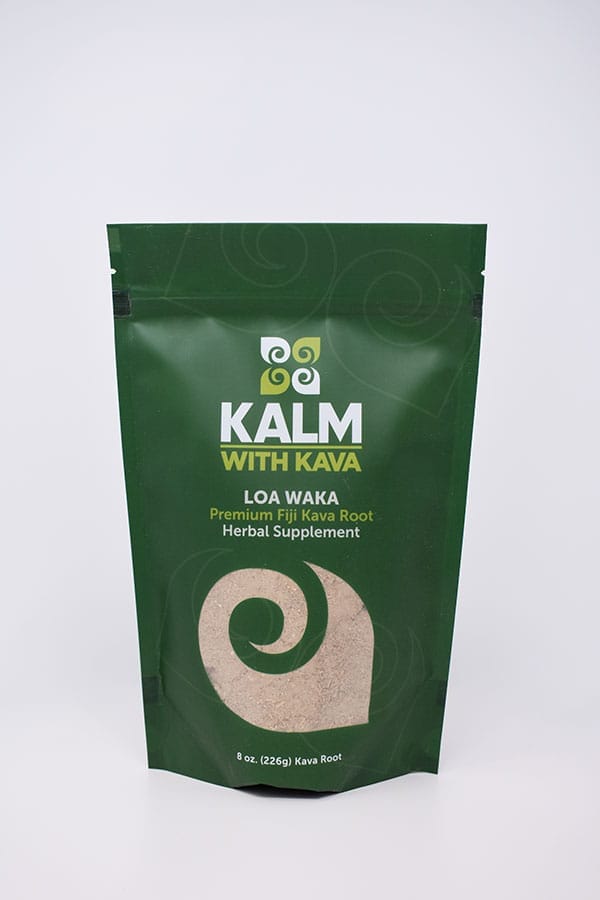
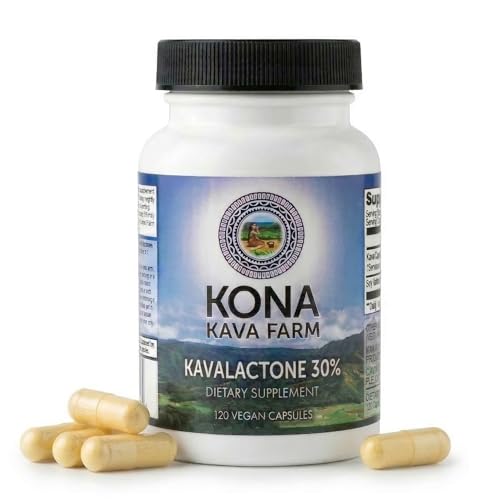
Beyond this guide: the highest-rated kava across every format, kavalactones verified, with a live price check on each.



As an Amazon Associate we may earn from qualifying purchases, at no cost to you. 21+.
Quick shop: every pick
Skip the scroll: the whole lineup, with a live price check on each.
- MELO Sparkling KavaBest-Tasting Without Going Blind on StrengthMELO · $49.99 / 12-pack ($4.17/can)Check Price
- Leilo Kava TonicTastiest & Most Beginner-FriendlyLeilo · $49.99 / 12-pack ($4.17/can)Check Price
- K-Tropix Kava ShotLowest-Commitment Taste-TestK-Tropix · Single-serve shot — check current price at retailerCheck Price
- Instant Kava Mix (Flavored)Best-Tasting Powder (with an asterisk)Kona Kava Farm · $17.99–$54.99 / 4–8 oz (out of stock on Amazon, Aug 2026; button searches for restock)Check Price
- Sparkling Kava, Passionfruit Orange GuavaBest New Flavor (Same Disclosed Dose)MELO · $19.99 / 4-pack (verified August 2026)Check Price
- Relaxation Drink Mix Stick PacksBest Flavored Stick PacksKava Punch · $29.95 / 10 sticks (verified August 2026)Check Price
How we chose
We rank for palatability, not strength — and we say so up front. The qualifying question for this guide is the opposite of our usual one: not "how much kava does it deliver," but "how little does it taste like kava, and how pleasant is it to drink?" That's deliberate, because this page exists for the reader whose obstacle is the flavor, not the effect. So a format scores well here by masking or engineering out the earthy, muddy-water character that defines a traditional shell — flavored cans, a sweetened shot, a flavored mix. None of that makes these the strongest kava you can buy; it makes them the easiest to get down, which for a taste-sensitive drinker is the difference between trying kava and quitting it.
We name the trade on every single pick, because palatability is rarely free. The same dialing-down that removes the earthiness tends to remove strength, and the formats that taste least like kava are also, in this guide, the ones that disclose the least about what's in them. So for each product we report two things side by side: how good it tastes, and what it costs you in potency and transparency to get there. Where a brand publishes a real kavalactone number, we print it (MELO's 100 mg per can). Where a brand discloses only an extract weight or no figure at all, we say exactly that and refuse to estimate — an invented number would defeat the entire point of an honest taste guide.
We verify against the paper trail and never fabricate. Every price, flavor list, ingredient note, and disclosure below was checked against the brands' own product pages and against this site's existing, fact-checked coverage of these exact products — our canned-kava ranking, our instant-kava guide, our taste explainer, and our K-Tropix review. We don't invent tasting panels, lab results, COA statuses, or potency figures; where a fact isn't published, we leave it out or flag the gap. And the standing house rules hold throughout: kava is a centuries-old Pacific social drink that many adults find relaxing, it is not a treatment for anything, it can cause drowsiness, and anyone on medications should check with a doctor first. That's general caution, not medical advice.
Key terms
- Acquired taste
- The well-documented arc by which kava's earthy flavor shifts from off-putting to comforting over weeks of regular drinking. The taste doesn't change — your relationship to it does, the way coffee and dark beer do. The flavored formats in this guide are a bridge across the early weeks; for many drinkers the acquired taste eventually does the work for free.
- Chase
- The bite of fruit or swig of sharp juice (classically pineapple) taken immediately after a shell of kava to reset the palate. The single most effective taste-fix and standard at every kava bar — it beats masking because it erases the earthy aftertaste in seconds while preserving the kava's full strength.
- Kavalactones
- The active compounds in kava root — oily, bitter, barely water-soluble molecules. They are both the entire functional point of a kava drink and the source of its earthy, bitter flavor, which is why making kava taste better almost always makes it milder. A disclosed kavalactone milligram count is to kava what ABV is to beer.
- Maltodextrin
- A starch-derived carrier and bulking agent used in many flavored "instant" kava mixes. It dissolves easily and carries flavor well — part of why those mixes go down so smoothly — but it's filler, not kava, and a tell that a product is a flavored micronized mix rather than a quantified dehydrated brew.
- Reverse tolerance
- Kava's famous quirk: first sessions often feel mild, with the effect arriving more clearly on the second or third try. Worth knowing before you judge any can, shot, or mix by a single serving — especially the picks here whose dose isn't disclosed, where you can't reason your way to the right amount.
Questions, answered
What is the best-tasting kava in 2026?
For a taste-sensitive drinker who'd still like to know their dose, MELO Sparkling Kava is our top pick: it's a clean, zero-sugar tropical seltzer with none of kava's earthy muddy-water character, and it's the rare easy-drinking can that still prints a kavalactone number (100 mg per 12 oz can). If you rank purely on flavor and approachability and don't mind a missing potency figure, Leilo has the broadest, friendliest lineup in canned kava — including a fun sugar-free mocktail line. Both skip the earthy taste entirely; MELO just tells you more about what's in the can.
Why does kava taste so bad, and can I really avoid it?
Kava tastes earthy, peppery, and bitter because the kavalactones you're drinking it for are themselves oily, bitter, barely-soluble plant molecules — the flavor and the effect come from the same place, so it isn't a defect you can manufacture away without also weakening the drink. You absolutely can avoid the taste, though: flavored cans, sweetened shots, and flavored mixes are engineered or formulated so you taste a drink rather than a riverbed. The honest catch is that those same formats usually deliver less kava, and disclose less about it, than traditional root. So yes, you can dodge the flavor — just know what you're trading for it.
Do the best-tasting kavas actually work as well as traditional kava?
Generally they're milder, and that's the trade this whole guide is built around. The same dialing-down that removes the earthiness tends to reduce the strength: a flavored can is a sensible single serving, not a kava-lounge session, and a shot or flavored mix whose dose isn't disclosed is hard to calibrate at all. They still contain kava and many people feel a gentle, relaxed ease from them — and reverse tolerance means early sessions often read mild regardless of format. But if your reference point is a heavy night at a kava bar, the easy-tasting formats will feel lighter. That's the cost of palatability, paid honestly.
Which best-tasting kava actually tells you how much kava is in it?
Among the palatable picks, MELO is the standout — it discloses 100 mg of kavalactones per can, the way a brewery prints ABV. After that, transparency drops off fast: Leilo discloses 1,000 mg of kava extract (an input weight, not a kavalactone figure), the K-Tropix shot publishes no per-bottle number or batch COA on the page we reviewed, and Kona Kava's flavored mix states 9% kavalactones for the root component but not for the finished, maltodextrin-diluted cup you actually drink. The pattern is the rule of this guide: the tastier and easier-drinking the format, the less you can usually verify about your dose.
Is Kona Kava's flavored "Instant Kava Mix" real instant kava?
No — and it matters for taste-first buyers because it's exactly why the mix goes down so easily. Kona Kava's "Instant Kava Mix" is a flavored powder built on micronized kava root plus maltodextrin and stevia, not a dehydrated finished brew. The maltodextrin is a starch carrier that helps the flavor mix smoothly, but it's filler, not kava, and the "9% kavalactones" figure describes the root component rather than the diluted finished mix. It tastes genuinely nice (the Cocoa and Banana Vanilla especially) and Kona's testing is solid, but you can't meter your dose from it. We cover the distinction in full in our instant-kava guide.
If I want kava that tastes good but is still strong, what should I do?
Learn to chase it. The cheapest and strongest "taste fix" isn't a product at all — it's the centuries-old island method of drinking a shell of real, clean noble kava briskly and immediately following it with pineapple or another sharp juice. The palate resets in seconds and the earthiness disappears, but the kava keeps its full strength because you never diluted it. Serve it ice-cold and the real flavor becomes far more drinkable too. The flavored formats in this guide are the right on-ramp when the taste is the wall between you and trying kava at all; once you know the effect suits you, the chase playbook in our taste explainer gets you full-strength kava without the muddy-water complaint, permanently and for free.
Keep reading
What Does Kava Taste Like?
The honest descriptor tour, the chemistry behind the earthiness, and the ranked chase playbook that fixes the flavor at full strength.
Best Kava Drinks
Every major canned kava ranked by the number that matters — cost per 100 mg of kavalactones — with the brands that won't print their figures named.
Best Instant Kava
True dehydrated-brew instants ranked, and why a flavored micronized mix is a different (and tastier-but-weaker) animal.
How to Make Kava
The ratios, the cold serve, and the chase method — how to make real kava taste good without giving up its strength.