Our pick. Keda Kava
Check priceKeda Kava Review (2026): The Sparkling Kava Seltzer, Honestly
Keda Kava is a non-alcoholic sparkling kava — a 12 oz seltzer in fruit-forward flavors, built for the alcohol-alternative shelf. The format is genuinely easy and the flavors are the draw, but like almost every ready-to-drink kava it doesn't print a kavalactone number, it isn't a zero-sugar build, and the brand itself appears to be mid-reformulation. Here's the honest verdict on what you can and can't verify before you buy.
By The Kava Review DeskUpdated 2026-06-27~8 min readRanked by the lab reportHow we research
Keda Kava is kava in the easiest possible form: a cold, fizzy, fruit-flavored can you crack and drink. Its product is a non-alcoholic sparkling kava seltzer — 12 oz cans, sold in a variety pack of fruit-forward flavors — positioned squarely on the alcohol-alternative shelf next to the better-known kava seltzers. As a format, that's an honest and appealing pitch: a sparkling, flavored, grab-and-go drink is the lowest-friction way into kava there is, with none of the brewing, straining, or peppery taste that scares people off the traditional root. If what you want is a refreshing can that happens to contain kava, Keda is built for exactly that moment.
But this is a kava review, and the ready-to-drink (RTD) shelf is where our transparency standard gets hardest to satisfy — because cans almost never print the one number that matters. Keda is no exception. As best we could verify in June 2026, it does not disclose a kavalactone figure per can; some of its materials reference kava root extract "equivalent to roughly 300mg of traditional dried root," but that's a root-equivalent figure, not a kavalactone count, and we won't convert one into the other or pretend it tells you the active dose. That means our signature value metric — cost per 100mg of kavalactones — simply isn't computable here, the same limitation we hit with most canned kava. We say that plainly rather than invent a number.
Two more things we'll be straight about. First, this isn't a zero-sugar build: Keda's cans contain sugar along with juice concentrates and preservatives, so while they're marketed as low-calorie (under 100 calories per can), they're a flavored soda-style seltzer, not a no-sugar one — check the can for the exact grams. Second, and importantly, the brand appears to be mid-transition: Keda's site now redirects toward a "Peer" / Drink Peer brand, the product is frequently sold out, and public signals point to a reformulation in progress. We flag that honestly because availability and even the formula may shift under you. This review is independent and unpaid — Kava Review has no affiliate relationship with Keda, we earn no commission if you buy, and nobody there reviewed it first. We verified every fact against Keda's listings and site in June 2026, and where it's silent — kavalactones, a verified noble/origin claim, exact sugar grams, a per-batch COA — we say "not specified" or "verify on the can." Ground rules throughout: 21+, can cause drowsiness, don't drive after drinking it, "non-alcoholic" is not consequence-free, don't mix it with alcohol; "calming / better mood" is the brand's copy, not a fact we endorse. None of this is medical advice. Effects vary.
The short version.
- Keda Kava is a non-alcoholic SPARKLING KAVA SELTZER — 12 oz cans in a fruit-forward variety pack (flavors include Blueberry Mint, Raspberry Lime, a lemon-lime 'Kavjito,' and Passionfruit Hibiscus). The easy, grab-and-go format is the real appeal.
- Like almost every RTD kava, it does NOT disclose a kavalactone number per can. Some materials cite kava root extract 'equivalent to ~300mg of dried root,' but that's a ROOT-equivalent figure, not a kavalactone count — so the active dose isn't stated and our cost-per-100mg value math isn't computable.
- It's NOT a zero-sugar build: the cans contain sugar plus juice concentrates and preservatives (citric acid, sodium benzoate, potassium sorbate, EDTA; some flavors use stevia). They're marketed as low-calorie (under 100 cal/can) — but verify the exact sugar grams on the can.
- Kava-specialist disclosures are thin: a documented noble-vs-tudei claim and a specific country/island origin weren't verifiable, and we found NO published per-batch COA — all as of June 2026.
- Status matters: the brand appears to be mid-reformulation/rebrand (Keda's site redirects toward 'Peer' / Drink Peer) and is frequently sold out, so availability and even the formula may change. Price runs ~$49.99 for the variety multipack (retail moves).
- Verdict: a pleasant, easy, flavored entry to canned kava if a refreshing fizzy drink is what you want — but you're buying on flavor and format, not on a verifiable dose. Temper expectations on transparency, confirm current availability and ingredients, and don't treat 'non-alcoholic' as consequence-free.
At a glance.
| Product | Kavalactones disclosed? | Sugar | Noble / origin / COA | Format & price | Check price |
|---|---|---|---|---|---|
| Keda Kava Sparkling Seltzer | No — root-equivalent only (~300mg dried root), not a kavalactone count | Contains sugar; low-calorie (<100 cal/can) — verify grams | Noble/origin not verifiable; no published COA found | 12 oz can · variety pack · ~$49.99 (often sold out) | Check price |
| An RTD that discloses (e.g. Kava Haven) | Yes — prints a kavalactone milligram figure per serving | Often zero added sugar | Often states noble status and origin | Bottle/can · disclosed-dose premium | |
| Traditional brewed kava (for scale) | Depends on prep; powder vendors often disclose % | None (just root + water) | Specialists state noble + origin + COA | Powder you brew · cheapest per dose, most effort |
Keda Kava at a glance, and how a canned kava seltzer sits against an RTD that discloses its number and against traditional brewed kava — figures verified June 2026. Per-can value math isn't computable for Keda because no kavalactone figure is disclosed. Prices are verified ranges; retail moves, and Keda is frequently sold out.

Keda Kava Sparkling Kava Drink (Non-Alcoholic, 12 oz Cans, Variety Flavors)
Keda Kava
A pleasant, fruit-forward fizzy kava seltzer — easy to drink, but bought on flavor and format, not a verifiable kavalactone dose.
Our verdict: Keda Kava is the easiest on-ramp to kava there is — a cold, fizzy, fruit-flavored can you crack and drink, with none of the brew or the peppery taste. As a format and a flavor experience it's pleasant and approachable. The honest catch is verifiability: it doesn't print a kavalactone number, it isn't a zero-sugar build, a documented noble/origin claim and a per-batch COA weren't there to confirm, and the brand appears to be reformulating and frequently sells out. Buy it if a refreshing flavored kava seltzer is what you're after; just know you're buying on taste and convenience, not on a dose you can check.
Lab report. Keda does not disclose a kavalactone figure per can, as of June 2026; some materials cite kava root extract 'equivalent to ~300mg of dried root,' which is a root-equivalent figure, NOT a kavalactone count — so the active dose is undisclosed and our value math isn't computable. The cans contain sugar plus juice concentrates and preservatives (low-calorie, under 100 cal/can — verify grams). A documented noble status and a specific origin weren't verifiable, and we found no published per-batch COA. The brand also appears to be mid-reformulation/rebrand (toward 'Peer' / Drink Peer) with intermittent availability.
This is kava at its most approachable: cold, fizzy, flavored, and ready to drink. Keda Kava's Sparkling Kava Drink comes in 12 oz cans, non-alcoholic and carbonated, sold in a variety pack of fruit-forward flavors — the lineup we saw included Blueberry Mint, Raspberry Lime, a lemon-lime "Kavjito," and Passionfruit Hibiscus. Keda Kava sits on the alcohol-alternative shelf alongside the better-known kava seltzers, and as a format it's the lowest-friction way into the category: no brewing, no strainer bag, no slurry, just a can. If you want a refreshing drink that happens to contain kava, that's a genuinely appealing pitch.
Two more honest notes before the flavors win you over. First, this isn't a zero-sugar drink: Keda's cans contain sugar along with juice concentrates and preservatives (citric acid, sodium benzoate, potassium sorbate, EDTA; some flavors use a stevia derivative). They're marketed as low-calorie — under 100 calories per can — which is true, but "low-calorie" and "zero-sugar" aren't the same thing, so check the can for the exact grams. Second, on sourcing: a documented noble-vs-tudei claim and a specific country or island of origin weren't verifiable to our standard, and we found no published per-batch certificate of analysis — so we mark those noble status and origin questions "not specified, as of June 2026."
And a status flag that affects what you'd actually receive. Keda appears to be in transition — its site now redirects toward a "Peer" / Drink Peer brand, the product is frequently sold out, and public signals point to a reformulation in progress (including, by some accounts, an effort to address sugar and kava content). We mention that not to pile on but because it's the kind of thing a buyer should know: availability is intermittent and the formula may change under you. As an experience, judge Keda for what it reliably is — a pleasant, easy, flavored fizzy kava — and buy it on that basis, not on a verifiable dose. If a printed kavalactone number is what you want from a canned or bottled kava, our kava seltzer guide points to the RTDs that actually disclose one.
Who should buy it.
Buy Keda Kava if a cold, fizzy, fruit-flavored can is exactly what you want — the flavor-first, convenience-first buyer who wants the easiest possible entry to kava and is happy to drink it for the taste and the ritual rather than a measured dose. It's a pleasant, approachable seltzer for someone exploring the alcohol-alternative shelf who doesn't need a verifiable kavalactone number, and who's comfortable checking current availability before ordering.
What we don't like.
You can't verify the dose: there's no disclosed kavalactone figure per can (only a root-equivalent reference), so the value math isn't computable and you're trusting the drink without knowing its strength. It isn't a zero-sugar build — the cans contain sugar, juice concentrates, and preservatives — despite the low-calorie marketing. A documented noble/origin claim and a per-batch COA weren't there to confirm, as of June 2026. And the brand appears to be reformulating/rebranding (toward 'Peer') and is frequently sold out, so availability and even the formula are uncertain. "Calming / better mood" is structure/function copy, not a verified effect.
- Format
- Non-alcoholic sparkling kava SELTZER — 12 oz cans, carbonated, plant-based
- Flavors
- Variety pack — e.g. Blueberry Mint, Raspberry Lime, lemon-lime 'Kavjito,' Passionfruit Hibiscus (verify current lineup)
- Kavalactones per can
- Not disclosed — root-equivalent (~300mg dried root) cited, which is NOT a kavalactone count, as of June 2026
- Sugar / calories
- Contains sugar + juice concentrates + preservatives; marketed low-calorie (<100 cal/can) — verify grams on the can
- Noble vs. tudei / origin
- Not verifiable to our standard; not specified, as of June 2026
- Testing
- No published per-batch COA found
- Brand status
- Appears to be reformulating / rebranding (toward 'Peer' / Drink Peer); frequently sold out
- Price
- ~$49.99 variety multipack — verify on the listing (retail moves)
What we like.
- Easiest possible kava format — a cold, fizzy, ready-to-drink can, no brew or strainer
- Fruit-forward variety-pack flavors are the real draw for a flavor-first buyer
- Non-alcoholic and low-calorie (under 100 calories per can)
- A genuinely approachable entry to the alcohol-alternative / kava-curious shelf
Worth noting.
- No disclosed kavalactone number — only a root-equivalent figure, so the active dose is unverifiable
- Not zero-sugar: contains sugar, juice concentrates, and preservatives despite the low-calorie label
- Noble status and a specific origin weren't verifiable; no published per-batch COA found (as of June 2026)
- Brand appears to be reformulating/rebranding (toward 'Peer') and is frequently sold out
More kava worth comparing
Beyond this guide: the highest-rated kava across every format, kavalactones verified, with a live price check on each.


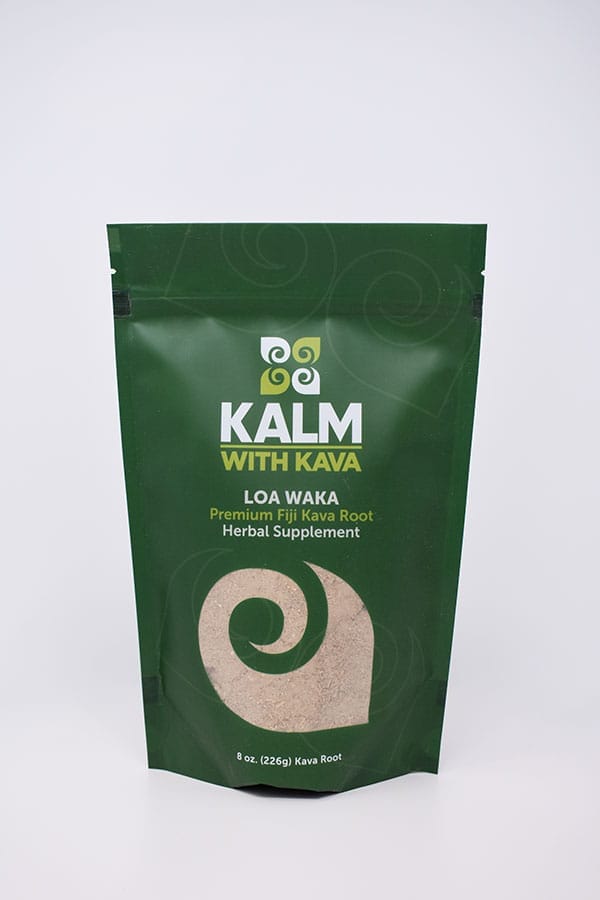


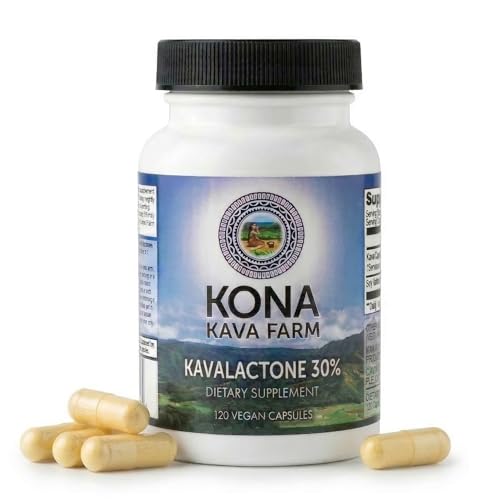
As an Amazon Associate we may earn from qualifying purchases, at no cost to you. 21+.
How we chose.
We hold a canned kava to the same standard as any other kava: what, in writing, is the dose? On the ready-to-drink shelf that bar is rarely met, and Keda follows the pattern — as best we could verify in June 2026, it does not print a kavalactone figure per can. The closest thing in its materials is a reference to kava root extract 'equivalent to roughly 300mg of traditional dried root,' and we're deliberately careful with that: a root-equivalent weight is not a kavalactone count, the conversion depends on a cultivar and chemotype the brand doesn't disclose, and turning '300mg of root' into a kavalactone milligram figure would be exactly the kind of invented number we refuse to print. So we report the root-equivalent as the brand's framing and state clearly that the active kavalactone dose is undisclosed — which is why our signature cost-per-100mg value metric isn't computable for this product.
We then audit the rest of the can the same way we would any beverage. On sugar: Keda's cans contain sugar along with juice concentrates and preservatives, so despite the low-calorie marketing (under 100 calories per can) this is a flavored, soda-style seltzer rather than a zero-sugar build — and because the exact grams weren't consistently printed across the materials we saw, we tell readers to verify the number on the can. On sourcing: a documented noble-vs-tudei claim and a specific country or island of origin weren't verifiable to our standard, and we found no published per-batch certificate of analysis, so we mark those 'not specified, as of June 2026' rather than repeat unconfirmed copy. We verified the format (a 12 oz sparkling, non-alcoholic seltzer), the variety-pack flavor lineup, and an approximate price, printing a '~' because retail moves and the product is frequently sold out.
We also flag brand status as part of an honest review, because it affects what you'd actually receive. Keda appears to be in transition: its site redirects toward a 'Peer' / Drink Peer brand, availability is intermittent, and public signals point to a reformulation in progress. We state that plainly so a reader isn't surprised by a sold-out page or a changed formula. Finally, we assess the drink in plain experiential terms and make no health claims: kava is a centuries-old Pacific social drink many adults find relaxing, a seltzer is one delivery form of it, and 'calming / better mood' is the brand's structure/function copy, not a fact we endorse. 'Non-alcoholic' is not consequence-free — it can cause drowsiness, shouldn't be mixed with alcohol, and you shouldn't drive after drinking it. This review is not sponsored.
Key terms
- Kava seltzer (RTD)
- A ready-to-drink, carbonated, non-alcoholic kava beverage in a can — the lowest-friction kava format. Keda Kava is one: 12 oz fruit-flavored cans built for the alcohol-alternative shelf. The trade-off across the category is that cans rarely disclose a kavalactone number, so you usually buy on flavor and format rather than a verifiable dose.
- Root-equivalent vs. kavalactones
- A 'root-equivalent' figure (e.g. extract 'equivalent to ~300mg of dried root') tells you how much raw root the extract stands in for — not how many milligrams of active kavalactones you're drinking. The conversion depends on undisclosed cultivar and chemotype, so it can't be turned into a kavalactone dose. Keda gives the root-equivalent, not the kavalactone count.
- Low-calorie vs. zero-sugar
- Not the same thing. Keda's cans are marketed as low-calorie (under 100 calories) but still contain sugar, juice concentrates, and preservatives — so they're a flavored, soda-style seltzer, not a no-sugar build. Always check the can's grams of sugar rather than assuming 'low-calorie' means 'no sugar.'
- Noble vs. tudei kava
- The most important quality split for a kava drinker — noble cultivars are the traditional everyday-drinking type, tudei is the harsher kind the industry steers away from. A documented noble claim and a specific origin weren't verifiable for Keda to our standard, as of June 2026.
- Brand in transition (reformulation / rebrand)
- Keda appears to be mid-change — its site redirects toward a 'Peer' / Drink Peer brand, the product is frequently sold out, and public signals point to a reformulation. We flag this because it affects availability and possibly the formula you'd receive, so confirm the current product and stock before ordering.
Questions, answered
How many kavalactones are in Keda Kava?
Keda doesn't disclose it, as best we could verify in June 2026. Some of its materials reference kava root extract 'equivalent to roughly 300mg of traditional dried root,' but that's a root-equivalent figure, not a kavalactone count — and we won't convert one into the other, because that depends on a cultivar and chemotype the brand doesn't disclose. Kavalactones are the active compounds in kava, and without a stated milligram figure the real dose is undisclosed. That's the norm for canned kava, and it means we can't run our usual cost-per-100mg value math on Keda. We report what's stated and don't invent a number.
Is Keda Kava sugar-free or zero-calorie?
No. Keda's cans are marketed as low-calorie — under 100 calories per can — but they contain sugar along with juice concentrates and preservatives (some flavors also use a stevia derivative). 'Low-calorie' and 'zero-sugar' aren't the same thing, so if sugar content matters to you, check the grams printed on the specific can rather than assuming the low-calorie label means no sugar. It's a flavored, soda-style seltzer in build.
What flavors does Keda Kava come in?
Keda is sold as a variety pack of fruit-forward flavors. The lineup we saw included Blueberry Mint, Raspberry Lime, a lemon-lime option called 'Kavjito,' and Passionfruit Hibiscus. Because the brand appears to be reformulating, confirm the current flavor lineup and availability on the listing before ordering — the variety pack and individual flavors can change.
Is Keda kava noble, and where is it from?
We couldn't verify a documented noble-vs-tudei claim or a specific country/island of origin to our standard, as of June 2026. Some copy references kava root extract, but a verifiable noble designation, a named cultivar, and a stated origin weren't there to confirm, and we found no published per-batch certificate of analysis. Noble vs. tudei is the most important quality question for a kava drinker, so if a documented noble sourcing claim matters to you, choose a brand that states and backs one rather than relying on marketing language.
Is Keda Kava still available, or is it being discontinued?
It appears to be in transition rather than simply discontinued. Keda's site now redirects toward a 'Peer' / Drink Peer brand, the product is frequently sold out, and public signals point to a reformulation in progress — by some accounts aimed at the sugar and kava content. We flag this honestly because it affects what you'd actually receive: availability is intermittent and the formula may change. Confirm current stock and the current product on the listing before you buy, and don't be surprised by a sold-out or redirected page.
Is Keda Kava a good way to drink kava?
It's a good way to try kava casually — it's the easiest, most approachable format there is: a cold, fizzy, flavored can with no brewing or straining. What it isn't is a way to dose kava deliberately or verify what you're getting, because there's no disclosed kavalactone number, it isn't a zero-sugar drink, and the sourcing and lab paper aren't documented to our standard. So it's a fine flavor-first, convenience-first pick, and a poor choice if you want a verifiable dose. Buy it for the taste and the ritual, not for a number you can check.
Is Keda Kava safe, and are there cautions?
General kava cautions apply, and 'non-alcoholic' is not the same as consequence-free: Keda is for adults 21+, it can cause drowsiness so don't drive after drinking it, don't combine it with alcohol, and if you take medications or are pregnant or nursing, talk to a healthcare professional first. 'Calming / relaxation / better mood' is the brand's structure/function copy, not a verified effect, and we don't repeat it as fact. Because the kava content isn't disclosed, it's also harder to gauge how much you're consuming. We're reviewers, not doctors; this is general caution, not medical advice.
Is this review sponsored by Keda Kava?
No. Kava Review has no affiliate relationship with Keda Kava at publication — we earn no commission if you buy, and the company did not review or approve this article. We verified every fact against Keda's listings and brand site in June 2026, including the seltzer format, the variety flavors, the low-calorie-but-not-zero-sugar build, the absence of a disclosed kavalactone number and a documented noble/origin claim, and the apparent reformulation/rebrand toward 'Peer.' Our verdict reflects the Kava Review transparency standard, not a paid placement.
Filed under Review
Keep reading.
Best Kava Seltzers (2026)
The full sparkling-kava shelf, ranked — including the rare cans that actually disclose a kavalactone number, the lens that exposes Keda's gap.
The Best Kava Drinks (2026)
Canned and bottled kava ranked by the number that matters: cost per 100mg of kavalactones — which Keda doesn't let you compute.
Kava vs. Alcohol
The honest comparison behind every 'non-alcoholic' kava seltzer — what kava does and doesn't replace, and why 'non-alcoholic' isn't consequence-free.